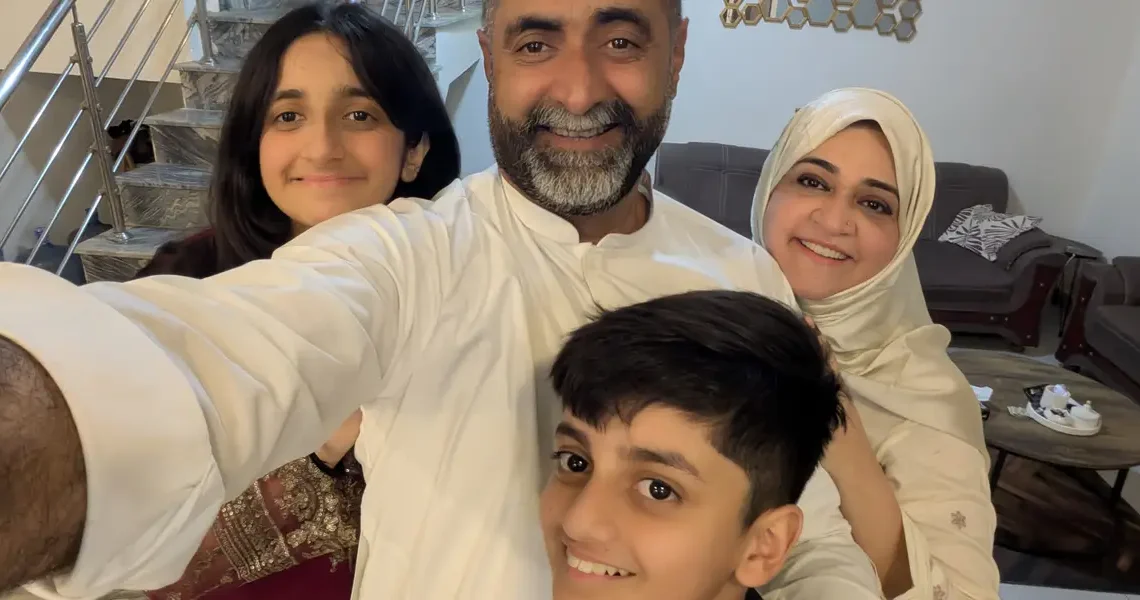

Growing up, I was taught that respecting elders meant listening without arguing, staying quiet when an adult was speaking, and accepting criticism because the person was older.
As a mother, I have always wanted to pass that value on to my children. But recently, I realized there was another part of that lesson I needed to teach them. Their feelings matter, too.
I had always thought teaching children to compromise was part of teaching them to be considerate. I hadn’t thought enough about what happens when that compromise starts coming at the expense of their feelings.
It started with a family visit
This summer, my aunt came to stay with us for a few days with my sister and her children. With the whole family staying together, everyone had to make some compromises. My daughter and son had to share a room, and my daughter also had to share her space with my aunt. She gave up some of her usual privacy and comfort without complaining.
I was proud of how she handled it. She understood that having family together sometimes means making room for one another. We were all adjusting in different ways, and I thought she was learning an important lesson about being flexible and considerate.
But over the next few days, I began noticing something that made me look at the interactions she was having with my family differently. My aunt would sometimes compare my daughter with my sister’s daughter, who is four years older. At first, I didn’t think much of it. But as it happened again, I noticed my daughter becoming quieter.
That was the moment I started questioning what I was teaching her. She had been taught that when an elder speaks, you listen. You don’t argue. You don’t question. You certainly don’t tell them that what they said hurt you.
I suddenly wondered whether the lesson I had always considered a sign of good manners was also making it harder for her to speak for herself.
I don’t believe children should be rude to their elders. I don’t want my children to respond with anger, judgment, or disrespect. But I also don’t want them to believe that someone’s age automatically makes every comment acceptable.
I stepped in
When the comparison came up again, I politely responded. I explained that the girls were different children and were also four years apart, so comparing them was not fair.
I didn’t raise my voice. I didn’t criticize my aunt or try to make her feel bad. I simply put my point across respectfully.
Then I looked at my daughter and gave her an encouraging smile. That small moment stayed with me.
I realized that this was something I needed to teach my children by example: You can stand up for yourself without being rude. You can disagree without being angry. You can explain your point without judging someone. You can tell someone that something is uncomfortable or unfair without trying to hurt them in return.
And sometimes, children learn these things better by watching us than by listening to us explain them.
I’m teaching boundaries
When my daughter saw me respond calmly and respectfully, I hoped she understood that she could do the same if someone ever tried to make her feel small. She didn’t have to shout or argue. She could remain respectful while still knowing that her feelings and perspective mattered.
That is the kind of boundary I want to teach both of my children. I still want them to greet their elders, listen to them, speak politely, and treat family with kindness. Those values matter to me. But I also want them to understand that respect goes both ways.
Being older does not mean someone should be allowed to make a child feel inferior. And teaching children to respect adults should not mean teaching them to silence themselves.
Perhaps the biggest lesson was for me. My daughter had quietly compromised her space for our family, and I had failed to acknowledge it. I apologized to her for that. I am learning that raising respectful children doesn’t mean raising children who never speak up. It means teaching them how to speak up with kindness, confidence, and without anger.
That is the balance I want my children to carry with them: be respectful, be kind, but never believe that respect requires you to accept emotional harm.
Read the original article on Business Insider
The post I’ve always taught my children to respect their elders. I also needed to teach them to speak up for themselves. appeared first on Business Insider.