Some nights out leave you buzzing when you get home, still replaying conversations and sending people dumb sh*t you forgot to show them earlier. Other nights, you get through your front door and immediately lose the ability to communicate with another human being.
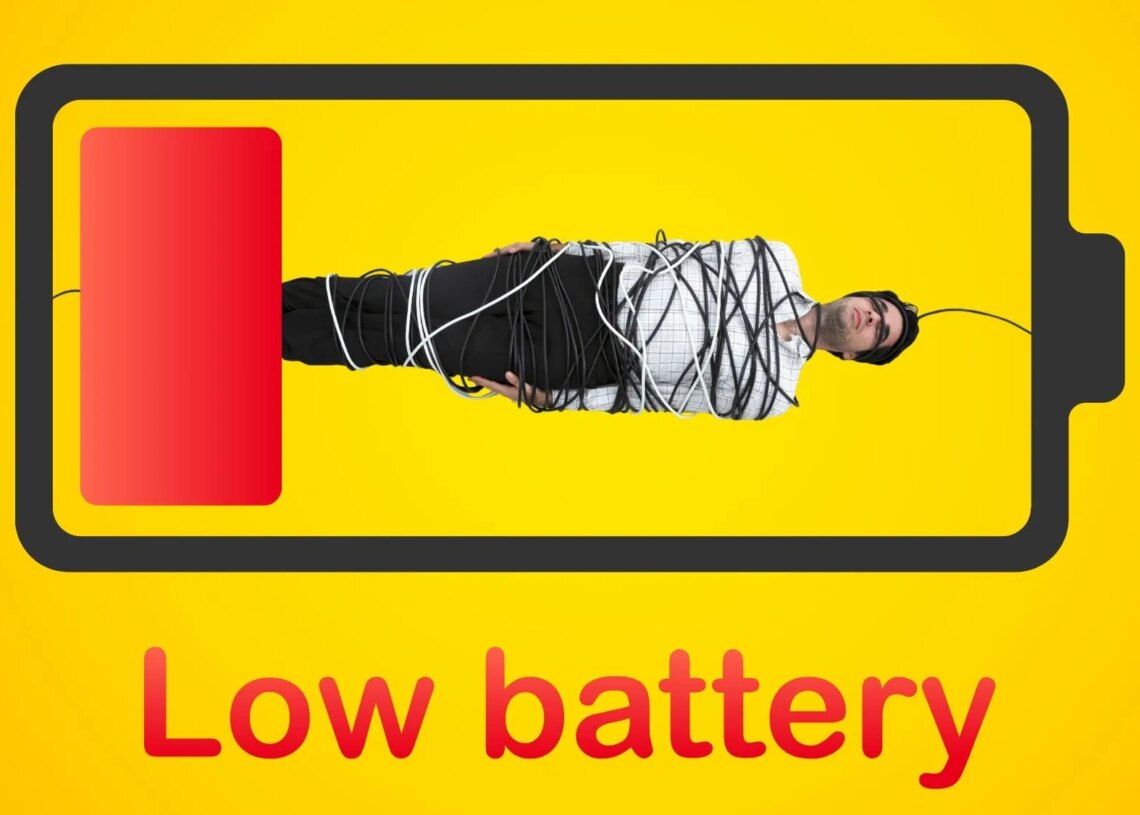
We usually call the second one a dead social battery. Psychotherapist Madison Jacoby thinks that explanation leaves out quite a bit. “How drained you feel has a lot to do with how comfortable and understood you feel with someone, and much less to do with the hours you’ve put in,” she told Metro. Another therapist interviewed by the outlet cautioned that once people decide they’re just someone with a low social battery, they begin to expect exhaustion every time they go out.
Neuroscientist Lisa Feldman Barrett looks at it through what she calls the body budget. Your brain is constantly keeping tabs on the energy your body needs, and other people can make that job easier or harder. “The best thing for a human body budget is another person. And, unfortunately, the worst thing for a human body budget is another person,” Barrett told The Sunday Paper. There’s a difference between hanging out with someone you can fully relax around and spending the night watching everything you say.
Why Socializing Can Exhaust You Hours After You Get Home
That drain doesn’t always hit while you’re still with them. You might not feel it until a few hours after you leave. University of Helsinki researchers checked in with people throughout the day and found that being more outgoing usually felt good in the moment. A few hours later, though, people were more tired. A later study found basically the same thing: a social high now, followed by more fatigue later.
And this wasn’t reserved for introverts. In the Helsinki research, personality didn’t change the relationship between outgoing behavior and later fatigue. An extrovert can have a great time talking to everyone in the room and still want absolutely nothing from anybody three hours later.
Who’s in the room matters, too. Jacoby pointed out that neurodivergent people can use extra energy masking or trying to follow social expectations that other people don’t have to think about. Even outside of that, most of us know there are people we can spend six hours with and feel fine, while 45 minutes with somebody else has us staring silently out the car window on the way home.
So “my social battery is dead” isn’t necessarily wrong. It just doesn’t explain why you feel fine after hours with one person and completely wiped out after an hour with someone else.
The post The Real Reason Some People Drain Your ‘Social Battery’ Faster Than Others appeared first on VICE.