This story is from The Self-Destruction Issue of VICE magazine. Find it in a store near you, or get 4 issues each year sent straight to your door, by subscribing.
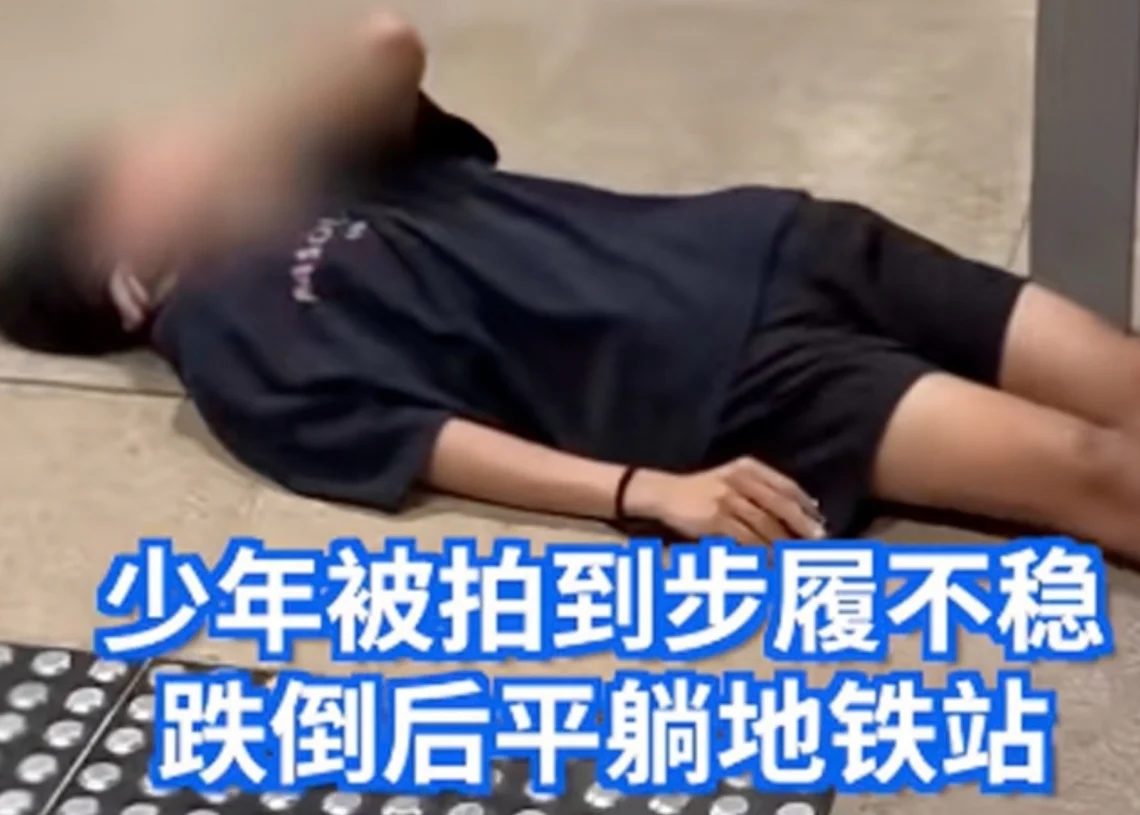
“Vape that turns you into a zombie” may sound like a pitch for an A24 horror with Rachel Sennott attached, but as with all novel plot lines these days, reality has beaten entertainment to the punch. E-cigarettes laced with the sedative etomidate have become the latest “drug crisis.” Typically bought on the black market through apps like Telegram and WeChat, they produce a short-acting, euphoric high that is compared in online trip reports to dissociatives like nitrous oxide and ketamine, but with one key difference: at higher doses, etomidate produces stuttering and mechanical body motions. Hence, “zombie vapes.”
First synthesized in 1964 as an emergency room anesthetic, etomidate emerged as a recreational drug in China in 2021, where experimentation with novel psychoactives and grey market substances is a popular way to bypass drug prohibition. Etomidate works on GABA receptors to slow activity in the central nervous system. While it can reduce anxiety and space you out, it does not produce ketamine-like hallucinations, nor would it boost neuroplasticity or treat depression—in fact, experts say it is likely to do the opposite. Yet the discreet nature of vaping has helped etomidate spread rapidly throughout East and Southeast Asia, where strict punishments and widespread surveillance mean drug users have to be extra-sneaky.

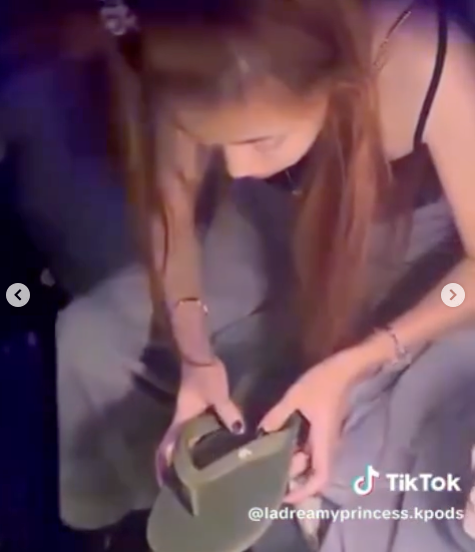
Etomidate hasn’t shown up much in Europe, the UK, or the U.S. yet. However, zombie vapes have surged in popularity in countries like Japan and Singapore, with videos spreading on social media of users exhibiting erratic movements that one former addict described as being like “a [bug] writhing after being sprayed with insecticide.” Unfortunately, the party poopers in government are trying to shut down these antics by banning etomidate, slapping users and suppliers alike with jail terms. In true drug prohibition fashion, this has only led to analogs like metomidate, isopropoxate, and CF3-etomidate taking etomidate’s place.
“Users exhibit erratic movements that one former addict described as being like ‘a [bug] writhing after being sprayed with insecticide’”
The popularity of zombie vapes is representative of a broader shift in drug culture away from familiar psychoactives like LSD and psilocybin towards enshittified and hollow novel highs. In the 80s and 90s, the late artisanal chemist Sasha Shulgin invented hundreds of novel psychoactives in his legendary lab through careful experimentation on himself and his circle of friends; some of his greatest discoveries, like MDMA and 2CB, were adopted by ravers and other countercultural groups that developed best practices around their recreational use.
Etomidate’s spread is not driven by a subculture, nor does it have any aesthetics or music genres associated with its use. It’s a hospital drug repackaged as a consumer product after many countries restricted sales of spice and propofol, another commonly abused anesthetic, in the 2010s. In this era of mass-produced “legal” highs, novel drugs are created in bulk in clandestine labs, and tweaked endlessly to fit through legal loopholes—a quasi-industrial model that churns out drugs as cheap oblivion tools. For manufacturers, staying one step ahead of the authorities is the priority, leaving us with the poisons of last resort.
Michelle Lhooq is the author of RAVE NEW WORLD, a newsletter on drugs and nightlife. Follow her on Instagram @michellelhooq
This story is from The Self-Destruction Issue of VICE magazine. Find it in a store near you, or get 4 issues each year sent straight to your door, by subscribing.
The post Oh No! It’s Asian Zombie Vapes appeared first on VICE.