Russia has employed “gig worker” saboteurs to carry out attacks across Europe — including trying to bomb US-bound cargo planes, derail trains and even poison water supplied, according to a shocking new report.
An analysis of a series of deniable hybrid attacks and sabotages occurring across Europe in recent years have pointed to a web of freelancers employed by Russian agents to test the continent’s vulnerabilities for war, experts told the Financial Times.
Keir Giles, a Russia expert at the Chatham House think tank, warned that the attacks that have been made public are only the tip of the iceberg, warning European officials that the incidents cannot be simply brushed aside as sabotages by individual actors.

“It’s nonsensical to call this anything other than what it is — warfare against Europe,” he told the FT.
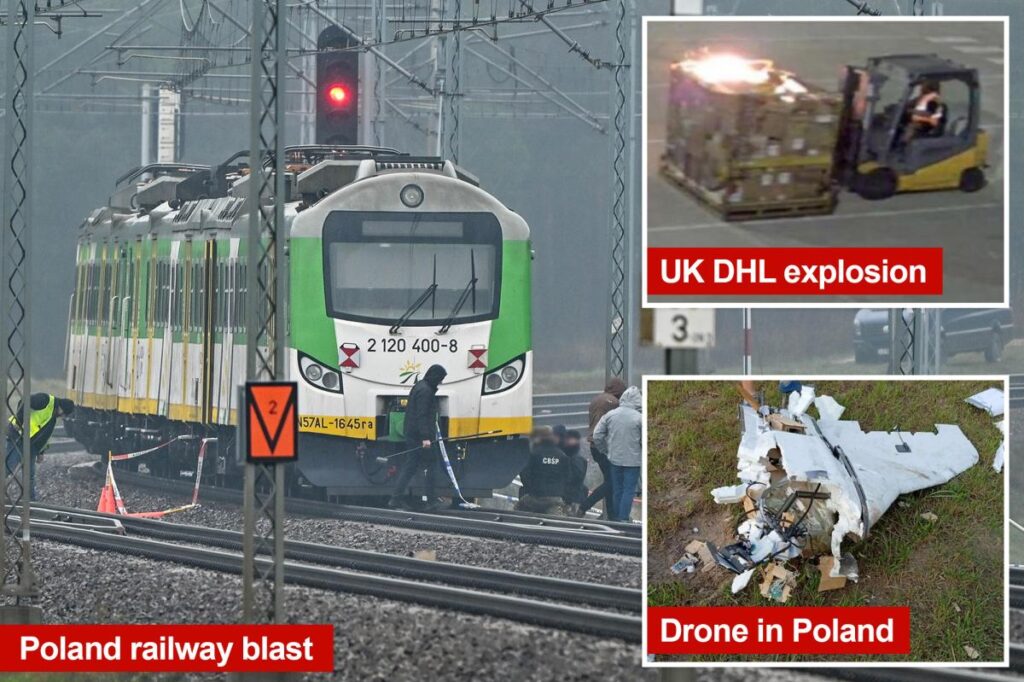
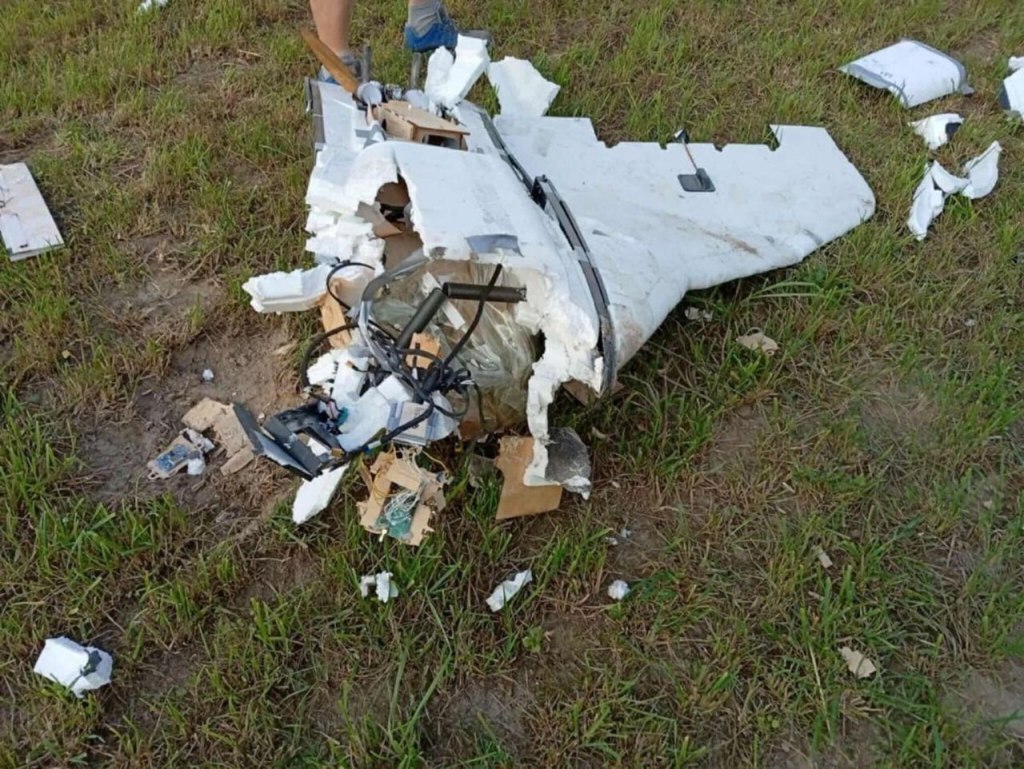
One of the incidents clearly aimed at testing Europe’s vulnerabilities came in July 2024, where DHL parcels exploded at logistics hubs in the UK, Poland, and Germany.
Had the bombs exploded in the air, they would have brought down the cargo planes.
The plot, which was linked to a group of Russian-directed saboteurs, was aimed at preparing for attacks on US-bound cargo planes that would recreate the chaos the airline industry faced in the aftermath of the 9/11 terror attacks, security officials told the FT.
In that same month, multiple break-ins were reported at Finnish water towers and treatment plants, with officials expressing fear at the time that the trespassers were scouting locations for an attack on the country’s water supply.
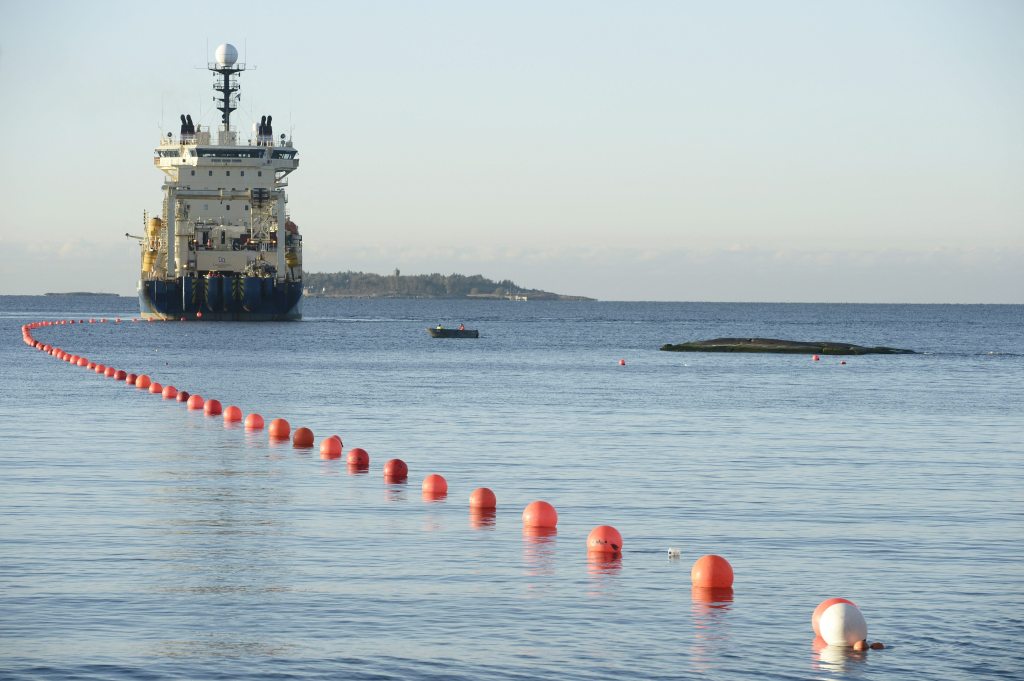
By the end of 2024, three underwater fiber-optic cables linking Sweden to Lithuania, Finland to Germany, and Finland to Estonia were slashed, triggering an international investigation that pointed the finger at Moscow.
This year also saw dozens of Russian drones infiltrate NATO members’ airspace in an act allegedly aimed at testing the defense bloc’s response time in the event of an attack from Moscow.
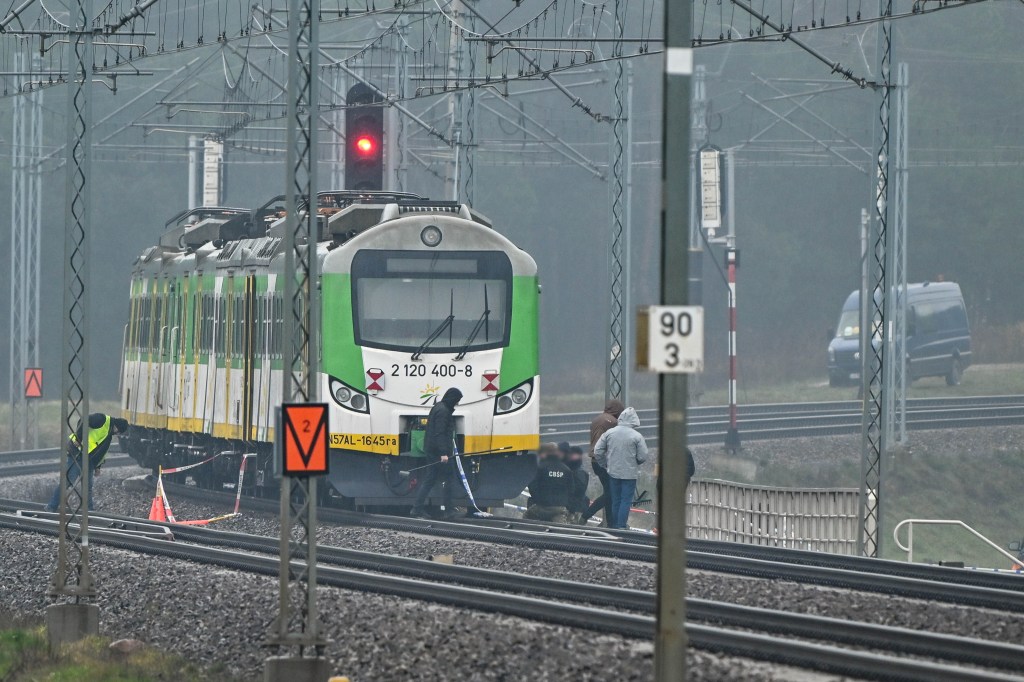
And last month, a bomb detonated on a Polish railway leading to Ukraine in what Prime Minister Donald Tusk slammed as “an unprecedented act of sabotage.”
These attacks and others like it are allegedly part of Moscow’s long-reaching espionage campaign across Europe, which sees Russian-linked agents recruit willing participants online to carry out their work, according to the FT.
The saboteurs are typically young men motivated solely by money with no real connections to Russia itself, with Moscow happy to use them as a disposable force that cannot be traced back to them.
Officials have dubbed these people members of the “gig economy” of Russia’s new spy-craft network, which come with their own set of problems.
The biggest drawback for Russia is that because these agents are amateurs with no real allegiances to Moscow, they tend to botch missions.
Such was the case with Dylan Earl, 21, who led an arson attack against a Ukrainian business in London in October. He was convicted after police found video of himself on his phone starting the fire.
Despite the drawbacks, the use of these gig workers offers Moscow an unprecedented scale for possible attacks, as many willing individuals can be found online across the European continent, experts told the FT.
The method also helps distance Russia from the acts, with European prosecutors finding it increasingly difficult to tie the saboteurs directly to Moscow.
In October, a Finnish court dismissed a case against the crew of a Russian-linked tanker responsible for cutting the undersea cableconnecting Finland to Estonia, with the captain of the vessel claiming it was an accident that caused the ship’s anchor to move back and forth on the seafloor and slash the wires.
Konstantin von Notz, a member of Germany’s committee that supervises its intelligence agencies, warned that Europe cannot stand idle as these acts of sabotage continue unabated while Russia exploits legal grey areas.
Von Notz called for Europe to directly recognize these acts as direct Russian interference in Europe rather than a series of lone wolf attacks.
“When it meows like a cat and looks like a cat, then it probably is a cat,” he told the FT.
Admiral Giuseppe Cavo Dragone, the chair of NATO’s military committee, echoed the need for a proactive approach, telling the outlet last week that the alliance needed to show a stronger response to Russia’s covert attacks, including the possibility of launching pre-emptive strikes.
The post Russia planned bombings on US-bound cargo planes, poisoning water supplies as part of covert war against Europe: report appeared first on New York Post.