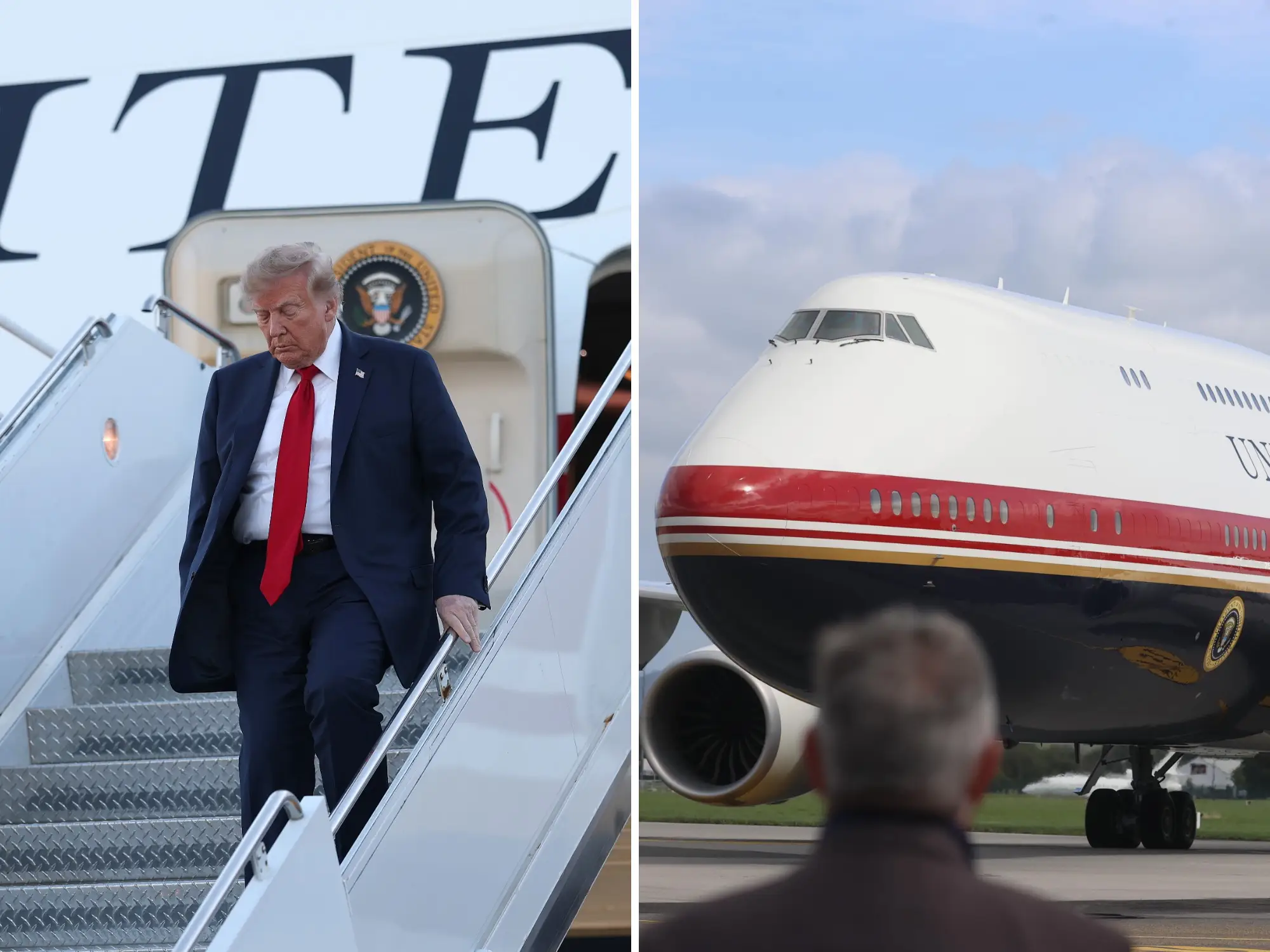
Presidential planes — dubbed Air Force One when the president is onboard — are more than just aircraft. They’re pieces of American history.
The 89th Airlift Wing, based at Joint Base Andrews in Maryland, operates the VIP fleet that transports the president, vice president, Cabinet members, and other government officials.
When presidential planes are retired from service and replaced by newer models, they’re often acquired by aviation museums and presidential libraries — though some have ended up in boneyards where planes go to die.
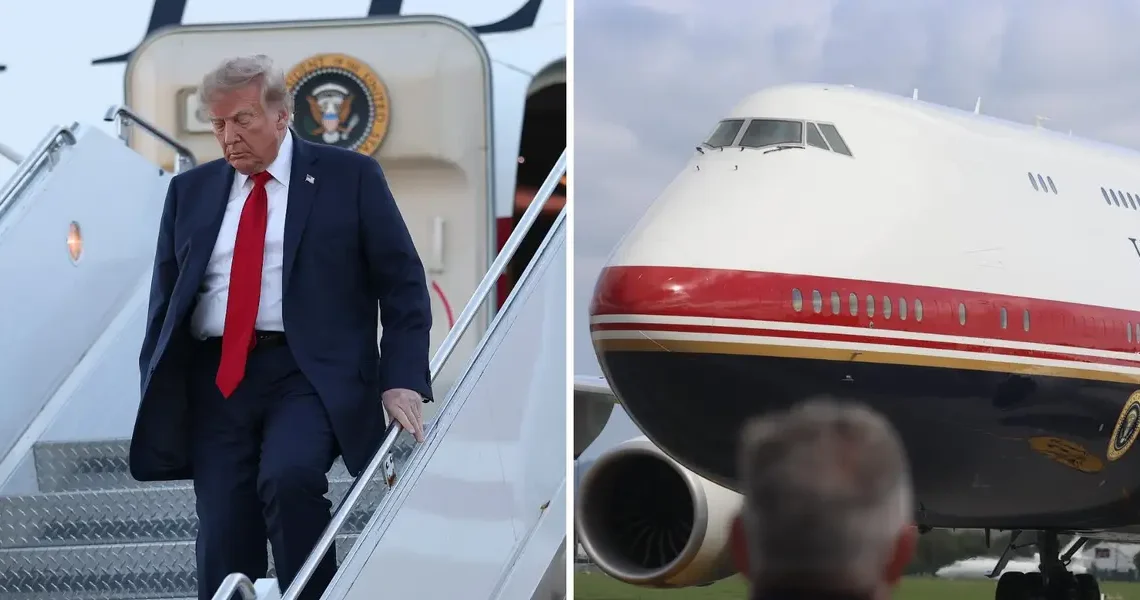
President Donald Trump said in May that he intended for his newest addition to the presidential fleet, a $400 million VC-25B Bridge he accepted as a gift from Qatar, to go on display at his future presidential library in Florida. However, the plane’s fate appears not yet to be decided.
Eric Trump told The Palm Beach Post in August that a recently retired modified Boeing 747, the VC-25A known as SAM (Special Air Mission) 29000, was planned for the installation instead, leaving the final destination of the VC-25B Bridge unclear.
The White House did not immediately respond to a request for comment from Business Insider.
Here’s where 14 former Air Force Ones landed after their official transport days were through.
The Flying White House
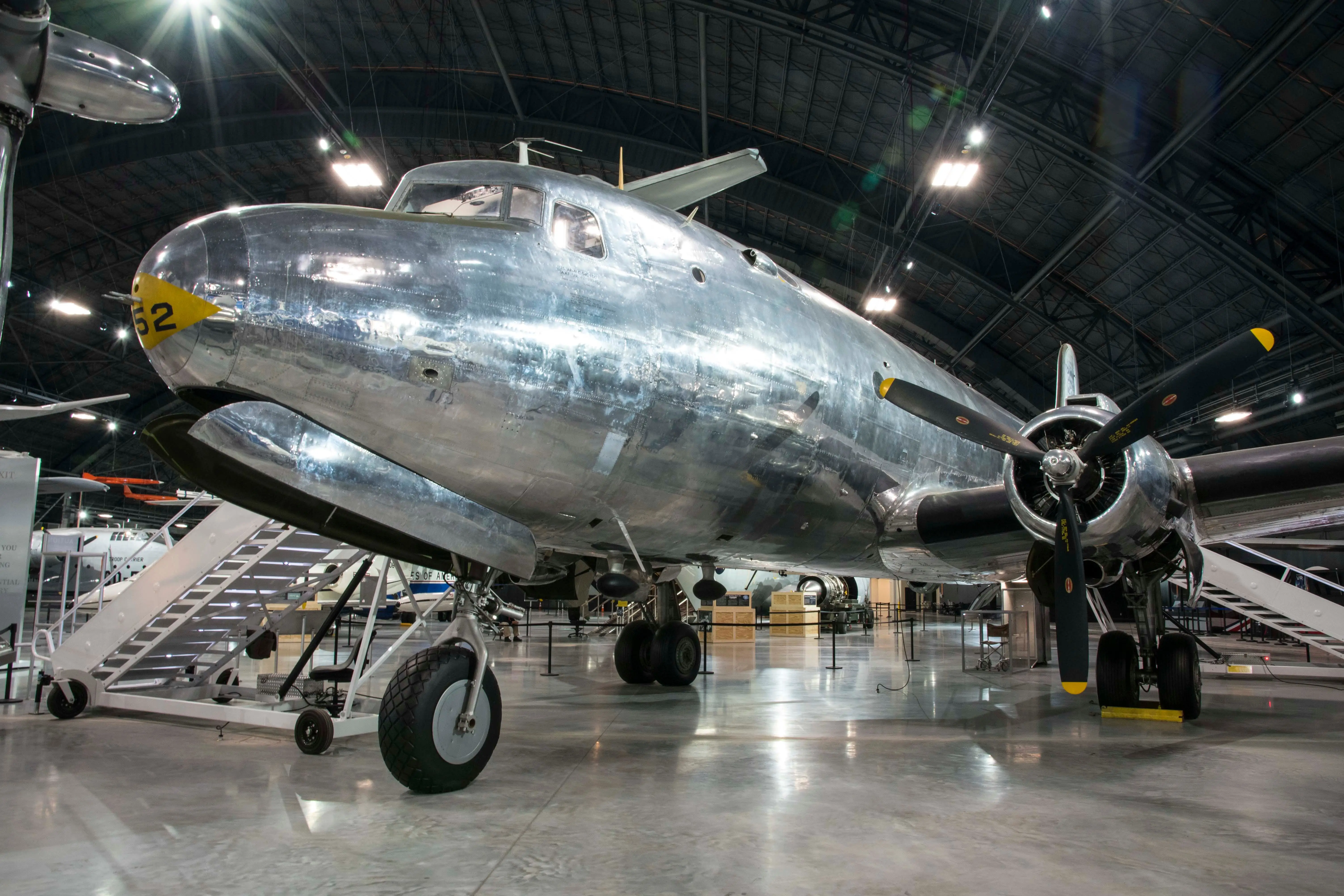
Years active: 1945 to 1961
About the aircraft: Officially known as “The Flying White House,” and nicknamed the “Sacred Cow,” the Douglas VC-54C Skymaster was the first aircraft built for use by the president of the United States. It was used by President Franklin D. Roosevelt and President Harry Truman.
Where it is: The William E. Boeing Presidential Gallery at the National Museum of the US Air Force in Dayton, Ohio.
The Independence
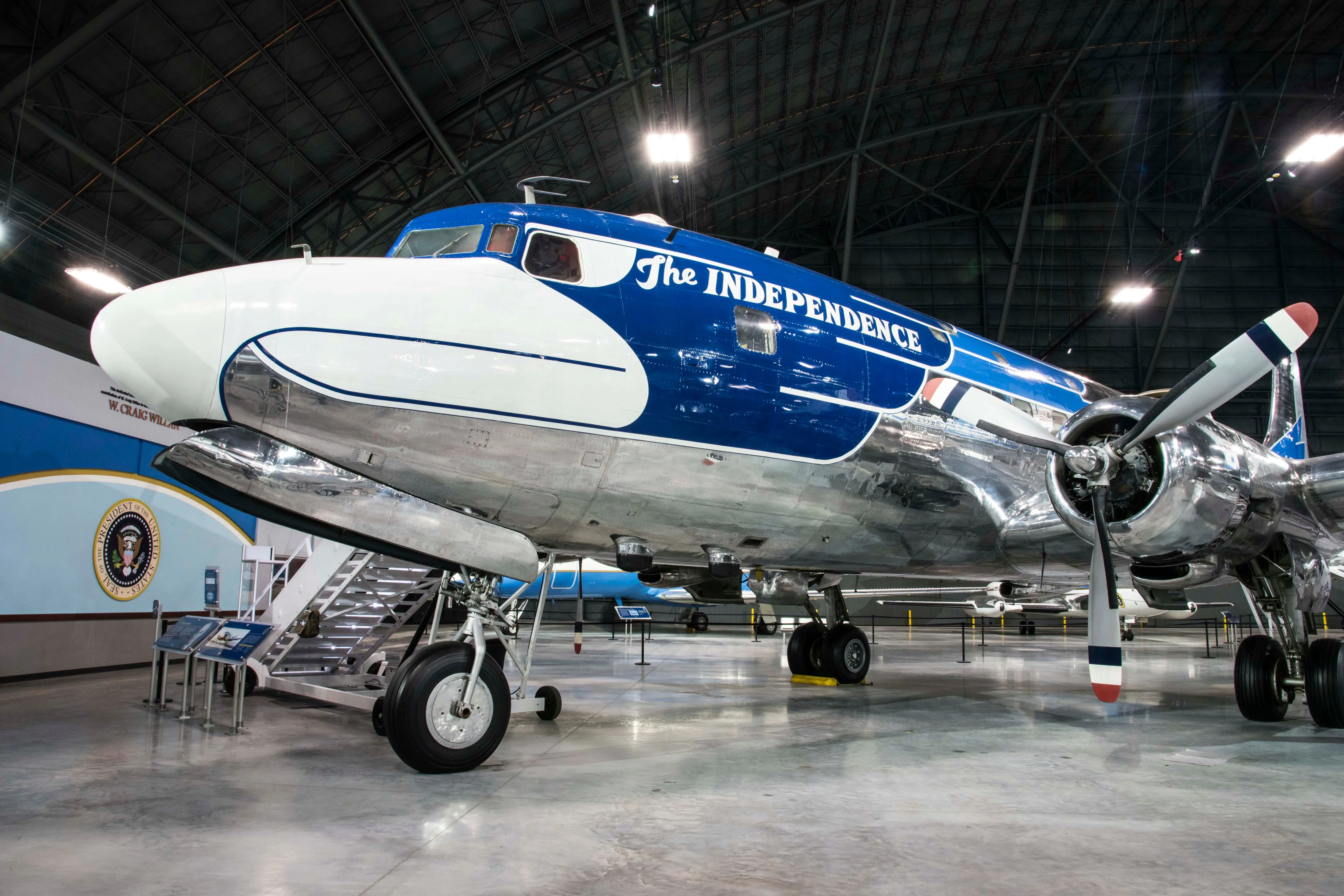
Years active: 1947 to 1965
About the aircraft: Named “The Independence,” the plane was named for Truman’s hometown of Independence, Missouri. It was the second-ever aircraft built for presidential use. After its tenure flying Truman, the plane continued to transport other VIP passengers as an Air Force aircraft before it retired in 1965.
Where it is: The William E. Boeing Presidential Gallery at the National Museum of the US Air Force in Dayton, Ohio.
Columbine II
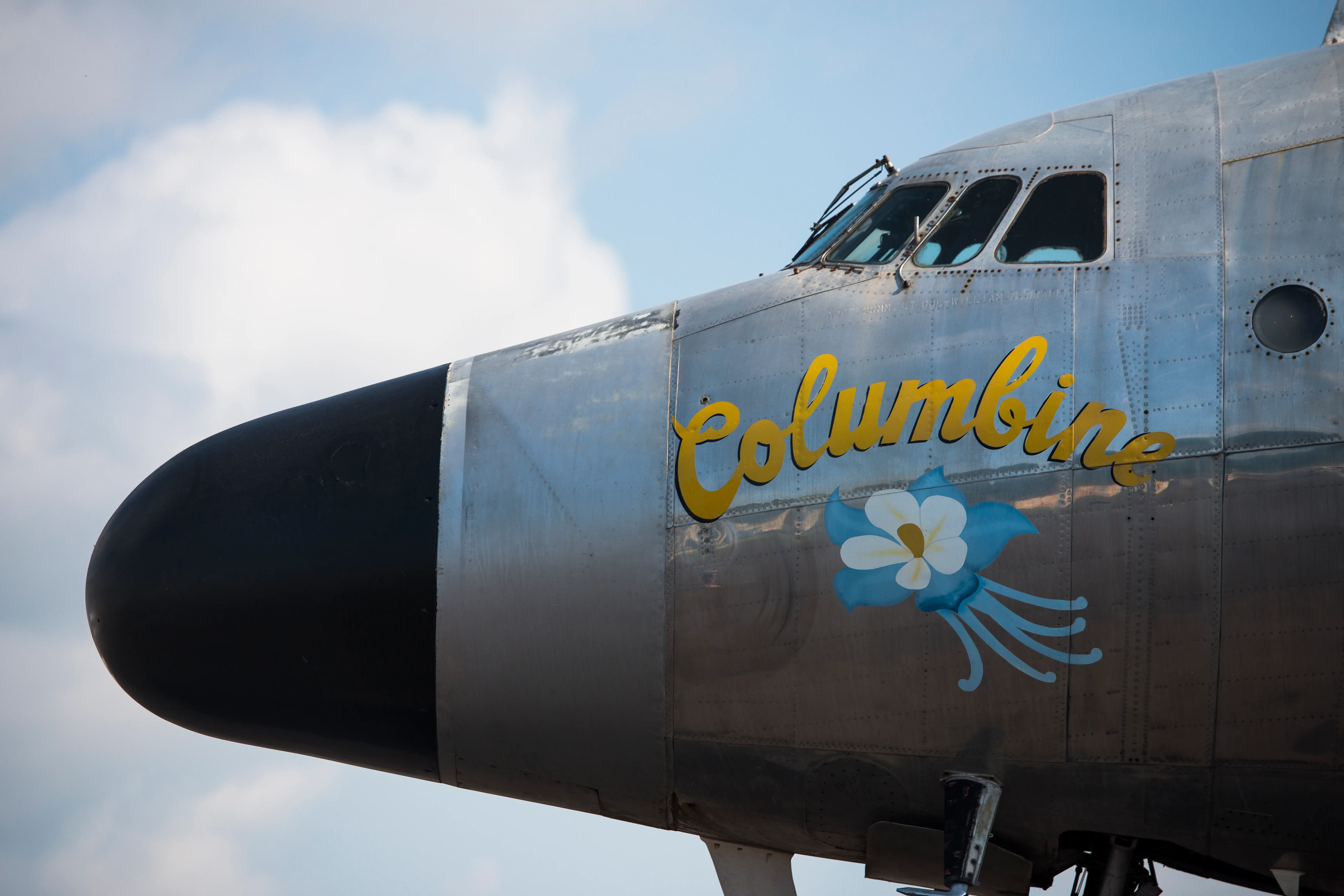
Years active: 1953 to 1968
About the aircraft: First lady Mamie Eisenhower named the plane Columbine II after Colorado’s state flower. It was the first aircraft to use the call sign “Air Force One.” It is also the only presidential aircraft ever to be sold to a private owner.
Where it is: Columbine II is undergoing restoration work in Bridgewater, Virginia, and is not yet on public display.
Columbine III
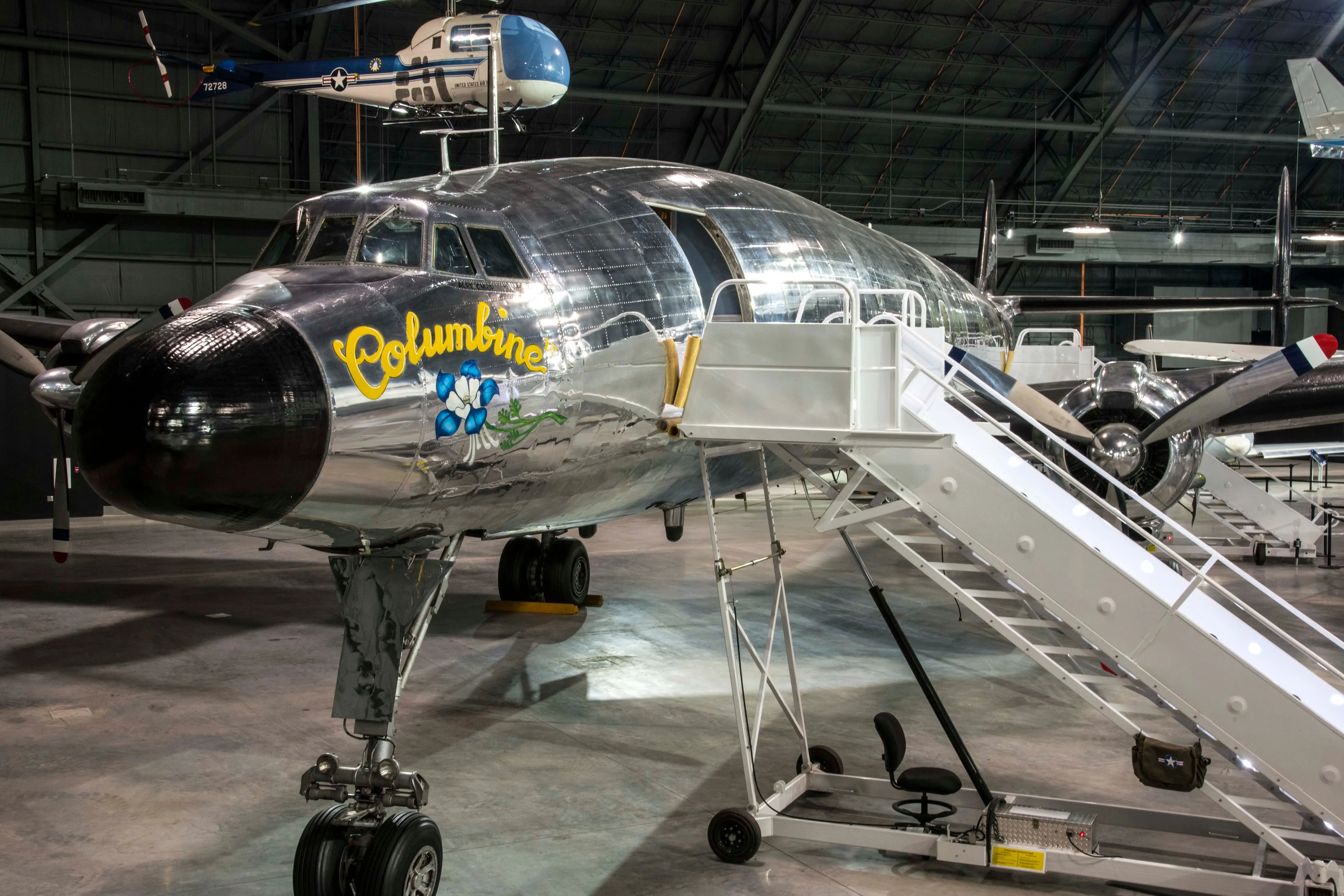
Years active: 1954 to 1966
About the aircraft: Known as Columbine III, the militarized version of a commercial Lockheed L-1049 Super Constellation was the only Lockheed VC-121E ever built. It flew President Dwight Eisenhower until 1961 and then spent a few years serving as an Air Force transport for VIPs before retiring.
Where it is: The William E. Boeing Presidential Gallery at the National Museum of the US Air Force in Dayton, Ohio.
Aero Commander U-4B
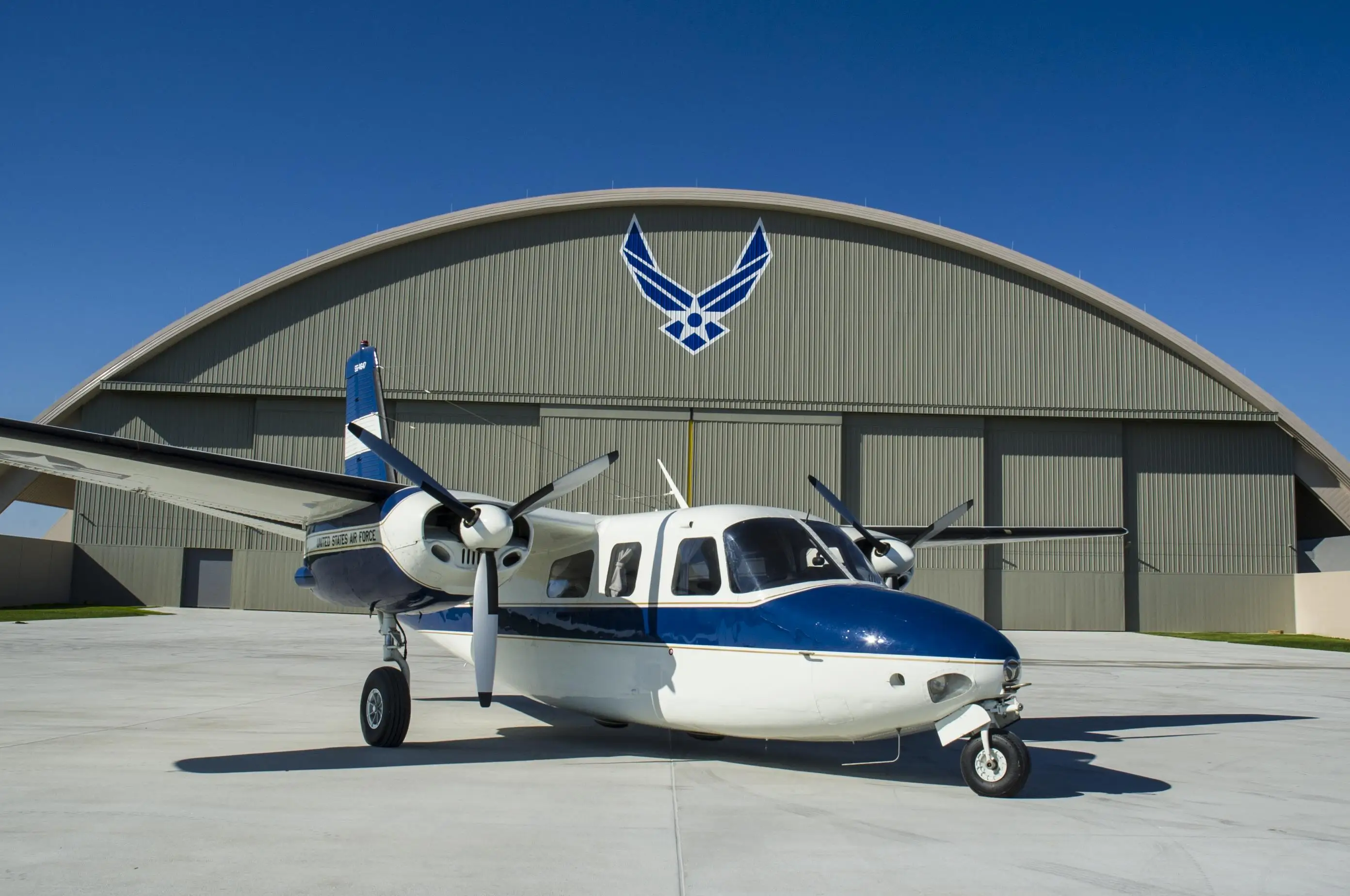
Years active: 1956 to 1977
About the aircraft: President Eisenhower often flew the Air Force’s version of an Aero Commander L-26 himself on trips between Washington, DC, and his home in Gettysburg, Pennsylvania. The aircraft continued transporting high-ranking government officials after Eisenhower left office.
Where it is: The William E. Boeing Presidential Gallery at the National Museum of the US Air Force in Dayton, Ohio.
“Freedom One”
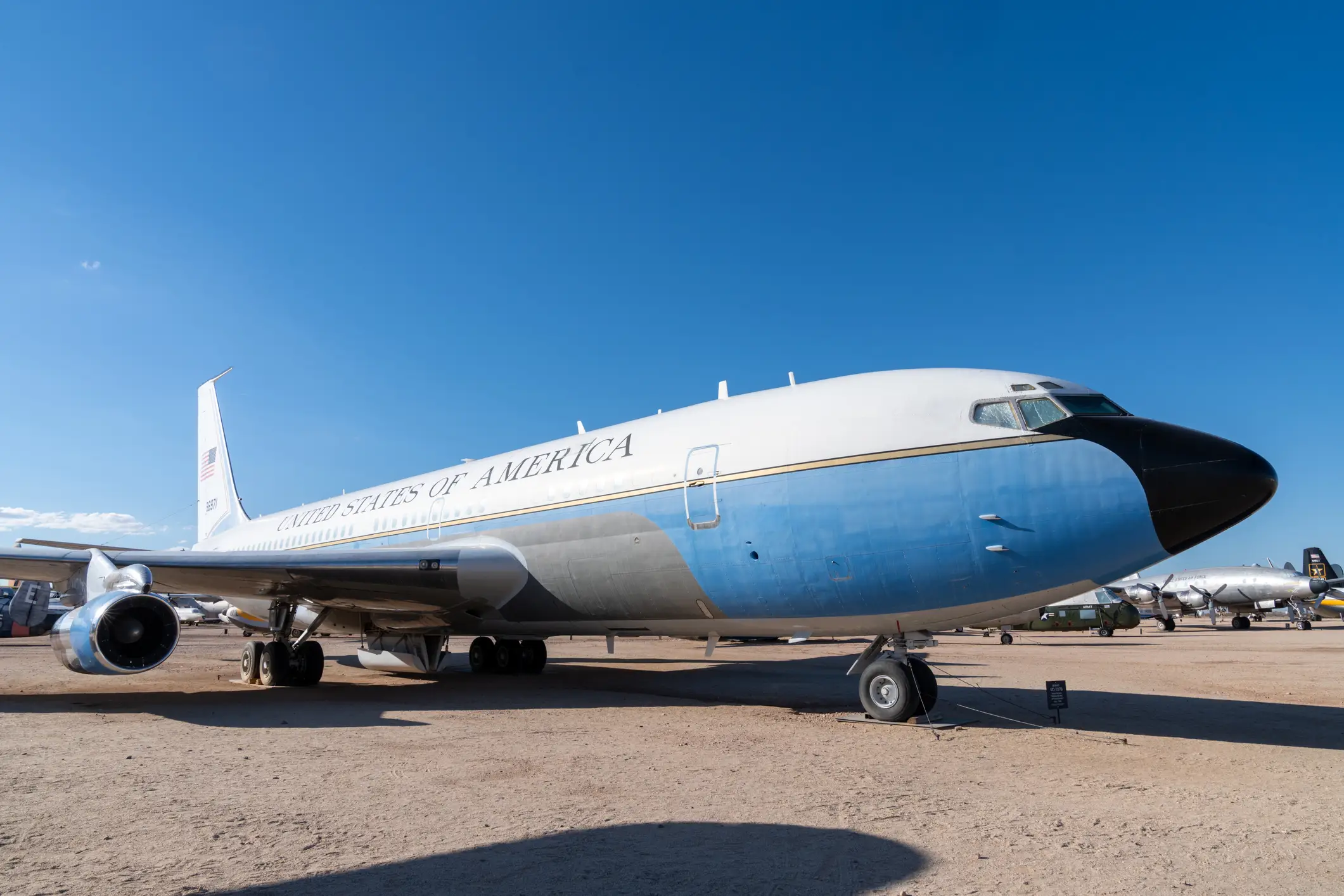
Years active: 1959 to 1998
About the aircraft: The VC-137B, a militarized Boeing 707, served as Air Force One under Kennedy and Johnson. It earned the nickname “Freedom One” when it transported 52 American hostages who had been held captive in Iran for 444 days back to the US in January 1981.
Where to see it: Pima Air and Space Museum in Tucson, Arizona.
SAM 970
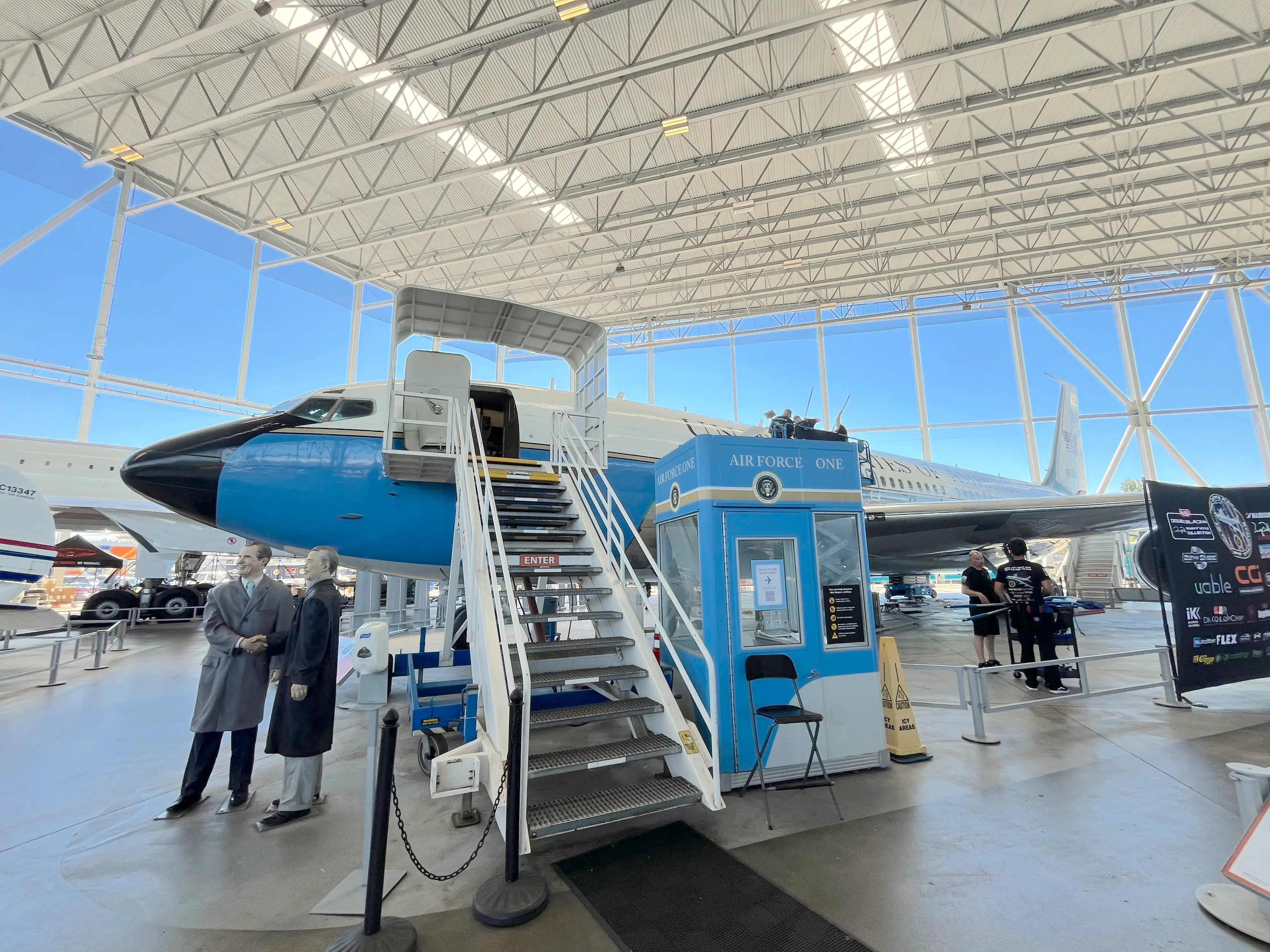
Years active: 1959 to 1996
About the aircraft: Known as SAM 970, the specialized Boeing 707-153 was the first jet plane to serve as Air Force One. Presidents John F. Kennedy, Lyndon B. Johnson, and Richard Nixon flew aboard the VC-137B aircraft. It was replaced as the primary presidential aircraft by the newer VC-137C in 1962, but it continued to transport VIPs and vice presidents into the 1990s.
Where it is: The Museum of Flight in Seattle.
Douglas VC-118A Liftmaster
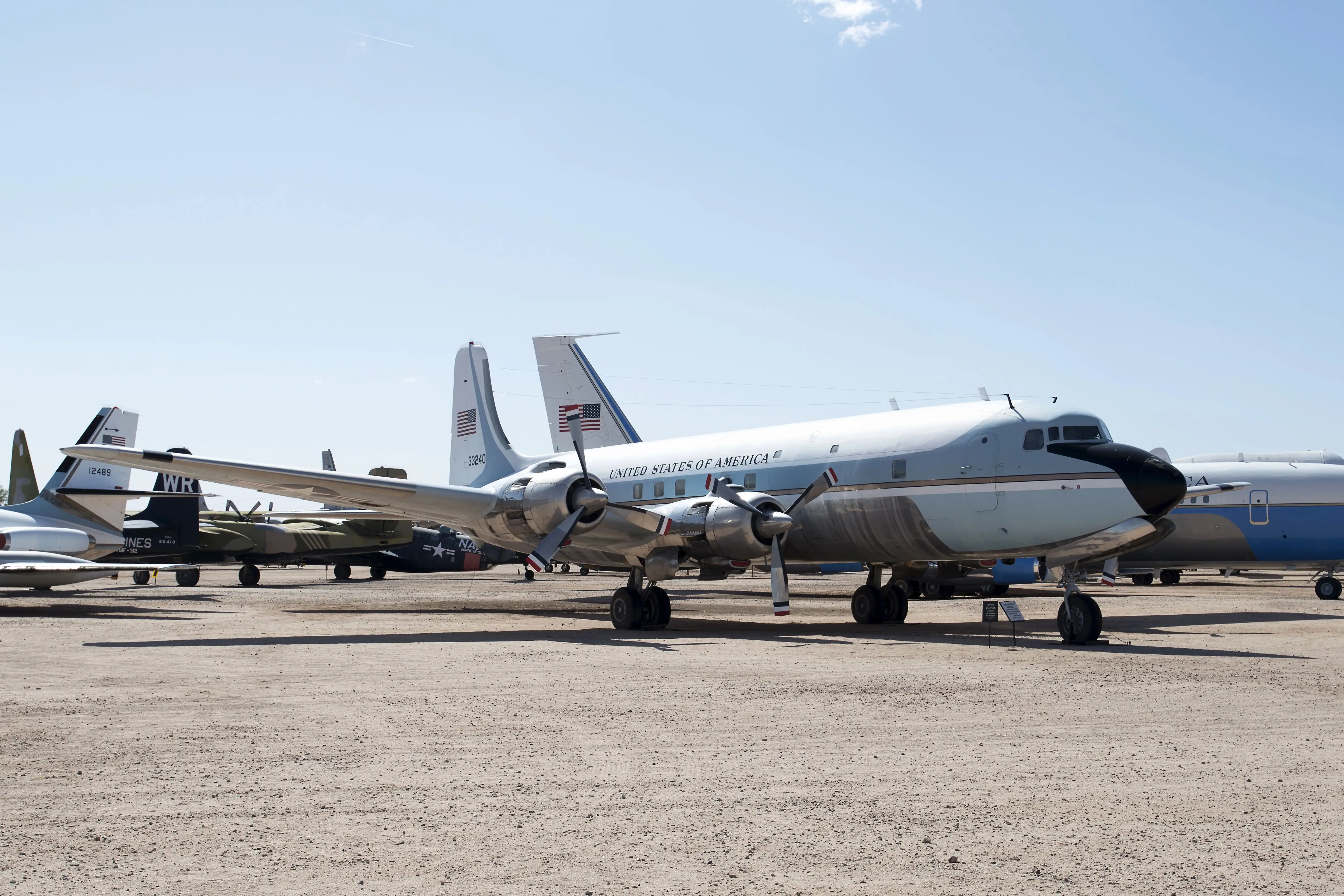
Years active: 1961 to 1965
About the aircraft: A militarized Douglas DC-6 airliner, the Douglas VC-118A Liftmaster was the final propeller-driven aircraft to operate in the presidential fleet. Kennedy and Johnson used it as Air Force One for shorter trips to smaller airports.
Where it is: Pima Air and Space Museum in Tucson, Arizona.
“Air Force One Half”
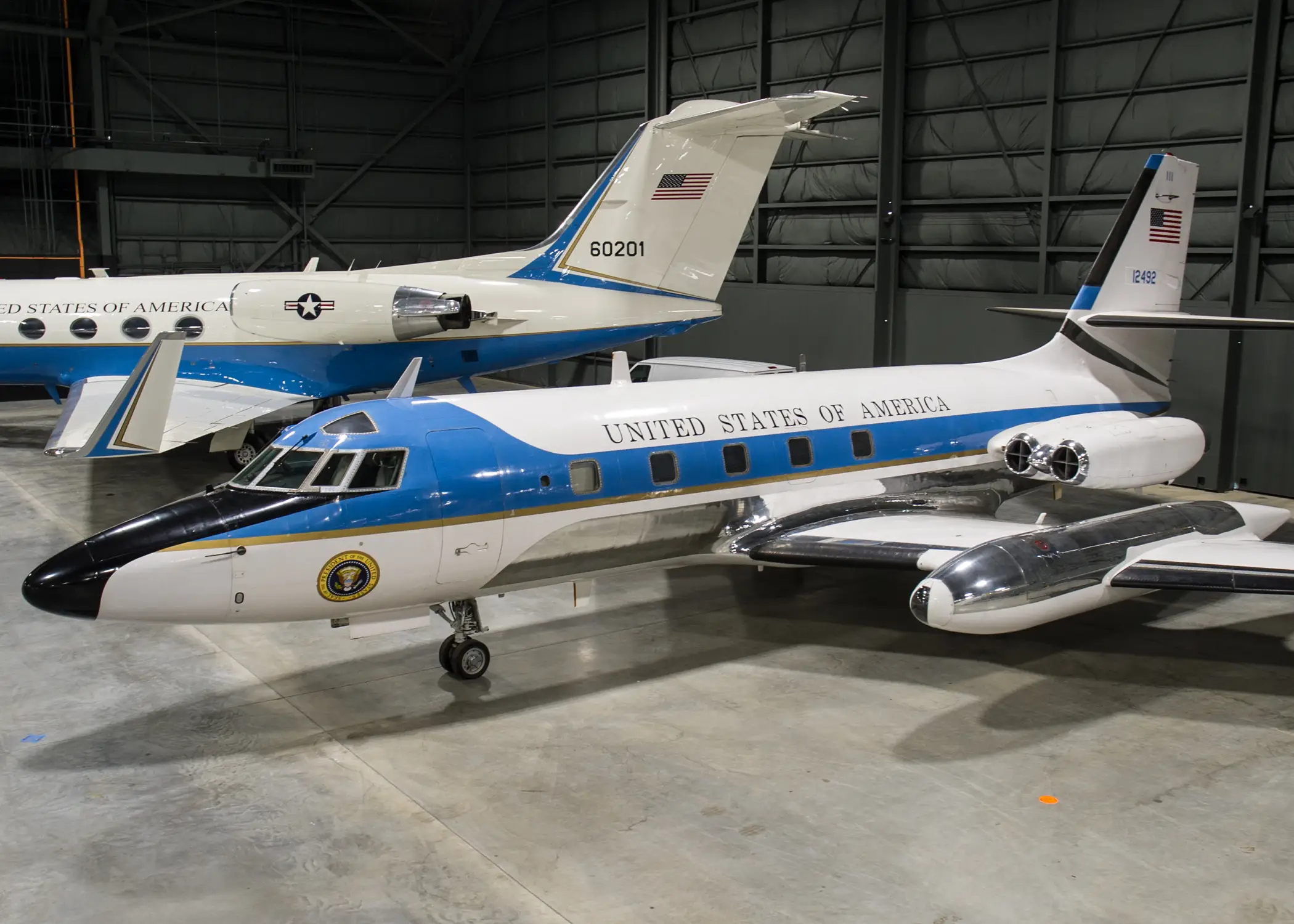
Years active: 1961 to 1987
About the aircraft: The presidential fleet once featured six VC-140Bs, which were militarized Lockheed Model 1329 business jets. Johnson coined the term “Air Force One Half” to describe the VC-140Bs that he flew to and from his Texas ranch, where the runways were too short for larger Air Force One jets. Presidents Richard Nixon, Gerald Ford, Jimmy Carter, and Ronald Reagan also used VC-140Bs.
Where it is: The William E. Boeing Presidential Gallery at the National Museum of the US Air Force in Dayton, Ohio. Other VC-140Bs from the presidential fleet are displayed at the LBJ Ranch at Lyndon B. Johnson National Historical Park in Stonewall, Texas, and the Pima Air and Space Museum in Tucson, Arizona.
SAM 26000
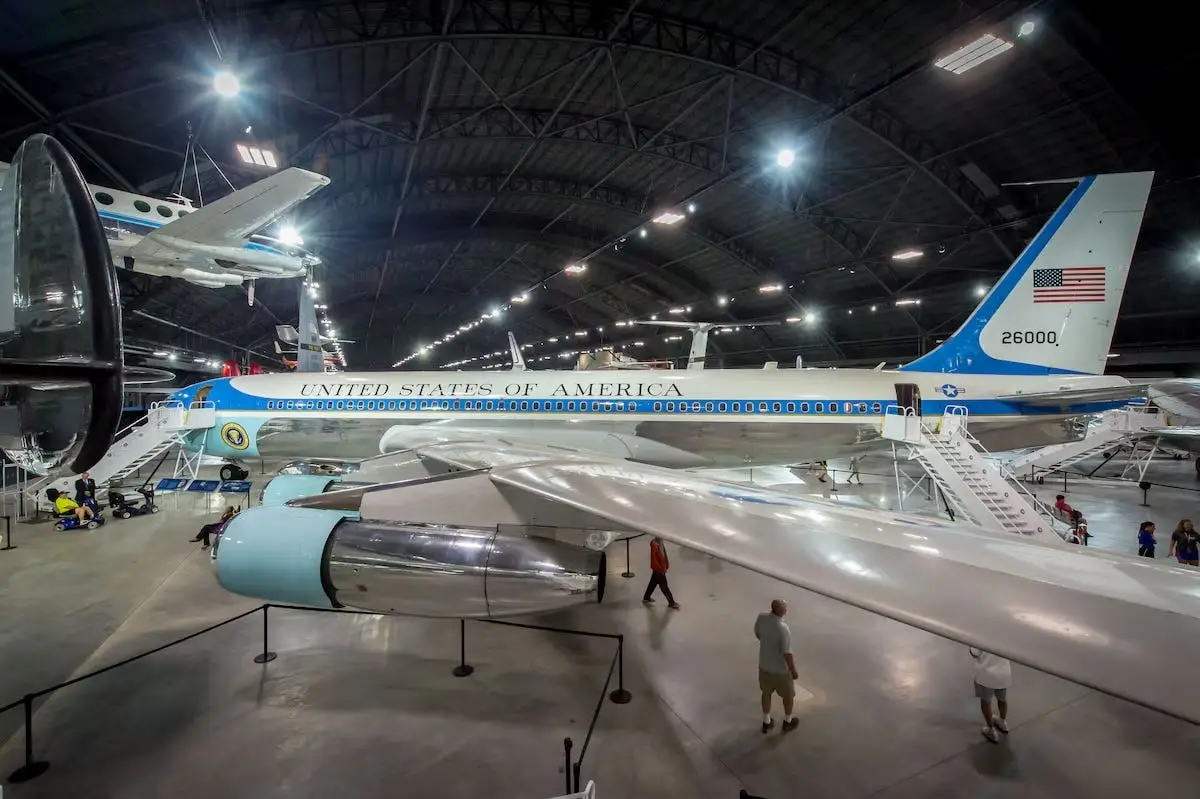
Years active: 1962 to 1998
About the aircraft: The Boeing VC-137C, a modified version of a civilian 707-320B airliner, transported eight US presidents —every leader from Kennedy to President Bill Clinton. It’s also where Johnson took the presidential oath of office after Kennedy’s assassination. At the request of first lady Jacqueline Kennedy, industrial designer Raymond Loewy created the blue-and-white livery, which appeared on many subsequent Air Force One aircraft.
Where it is: The William E. Boeing Presidential Gallery at the National Museum of the US Air Force in Dayton, Ohio.
The “Lady Bird Special”
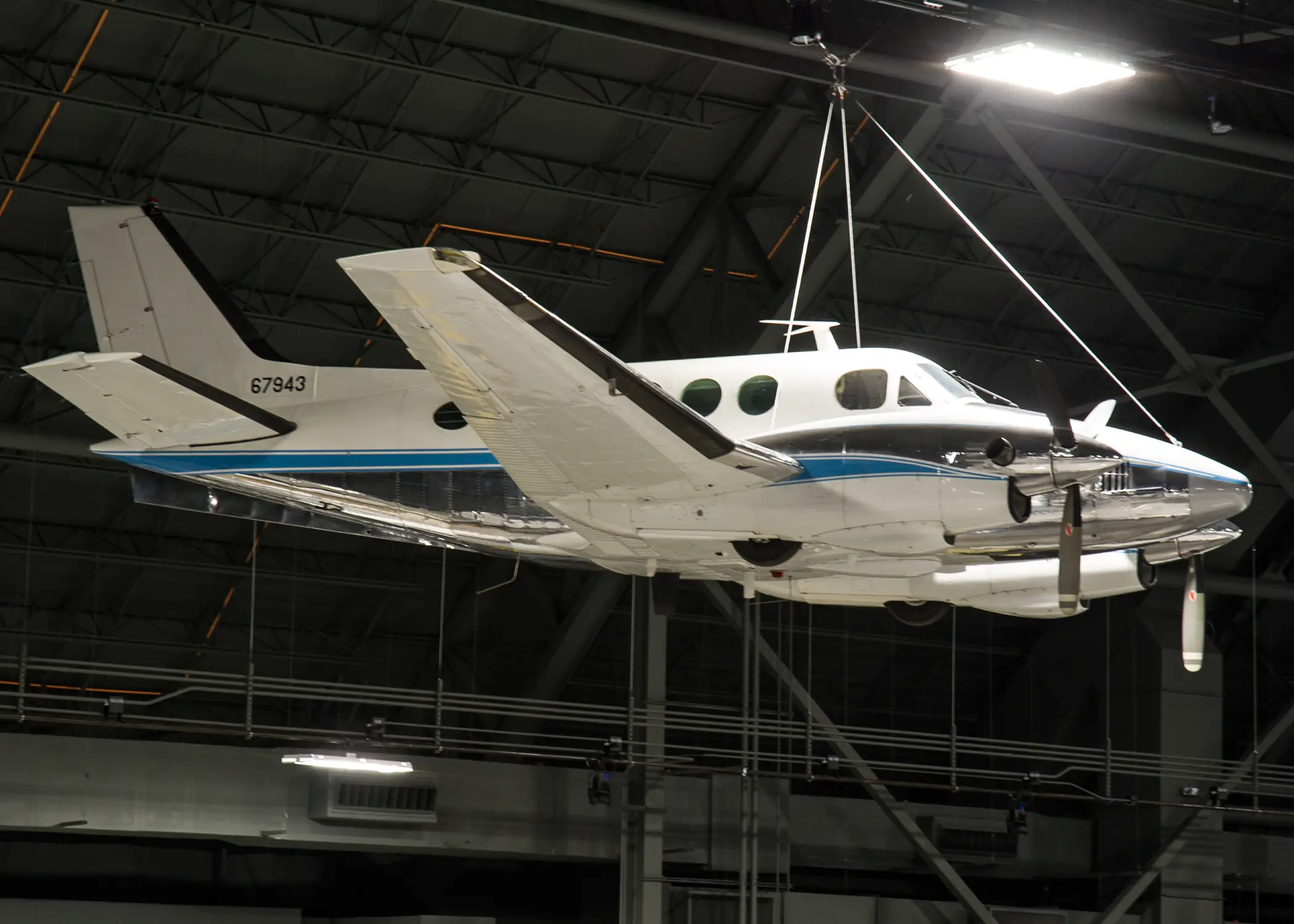
Years active: 1966 to 1985
About the aircraft: The Beechcraft King Air B90, designated VC-6A, was used by the Johnson family to fly into and out of their Stonewall, Texas, ranch. The plane became known as the “Lady Bird Special” after Johnson’s wife, first lady Lady Bird Johnson. After Johnson left office, the 89th Military Airlift Wing continued to use it to transport VIPs.
Where it is: The William E. Boeing Presidential Gallery at the National Museum of the US Air Force in Dayton, Ohio.
VC-9C
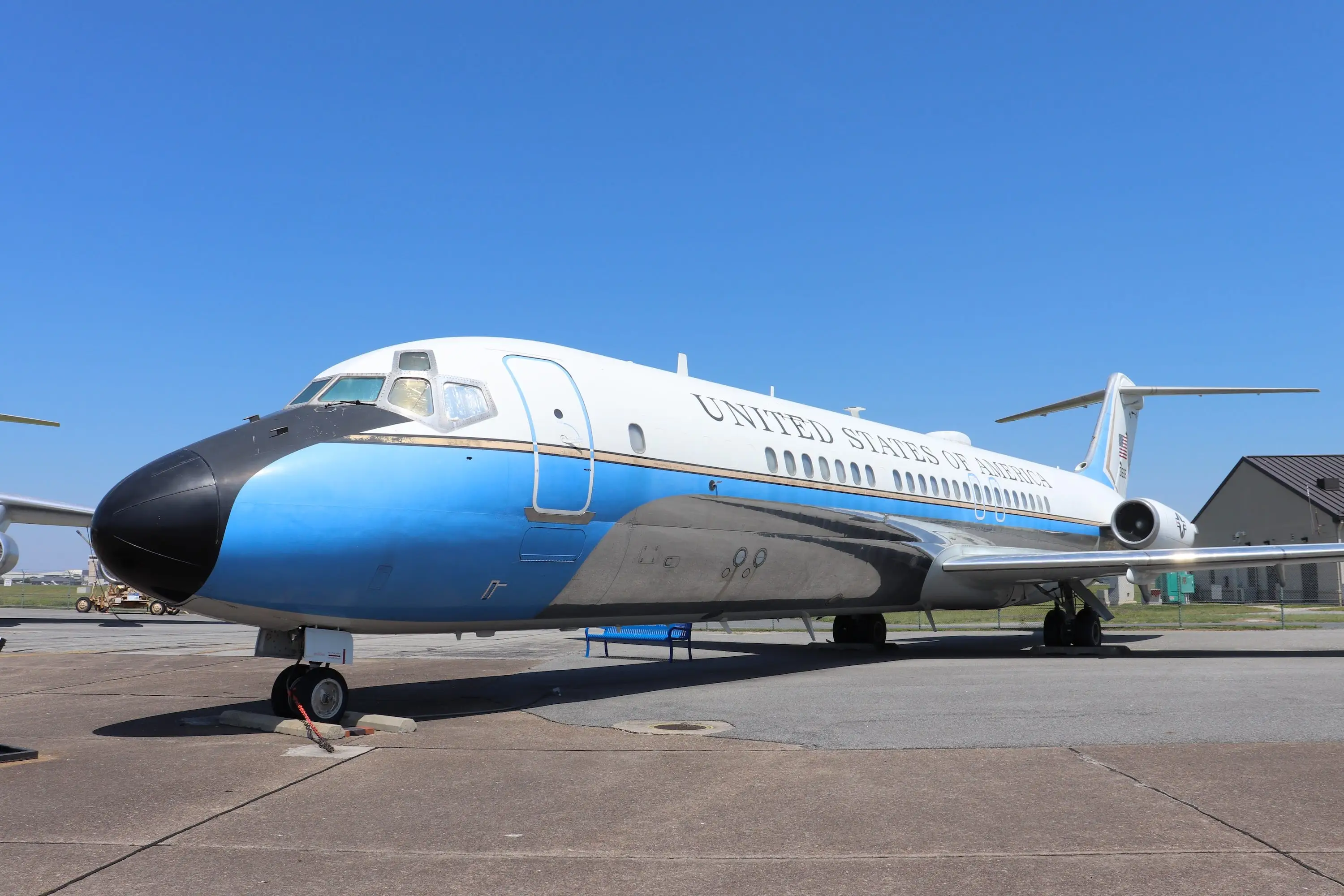
Years active: 1975 to 2011
About the aircraft: The VC-9C, a militarized McDonnell Douglas DC-9-32, first flew in 1968 and started flying US leadership in 1975. It primarily functioned as Air Force Two, transporting vice presidents, first ladies, and other VIPs during seven presidencies. It occasionally flew as Air Force One when Presidents Ronald Reagan, George H.W. Bush, Bill Clinton, and George W. Bush needed to fly into smaller airports.
Where it is: The Air Mobility Command Museum in Dover, Delaware.
SAM 27000
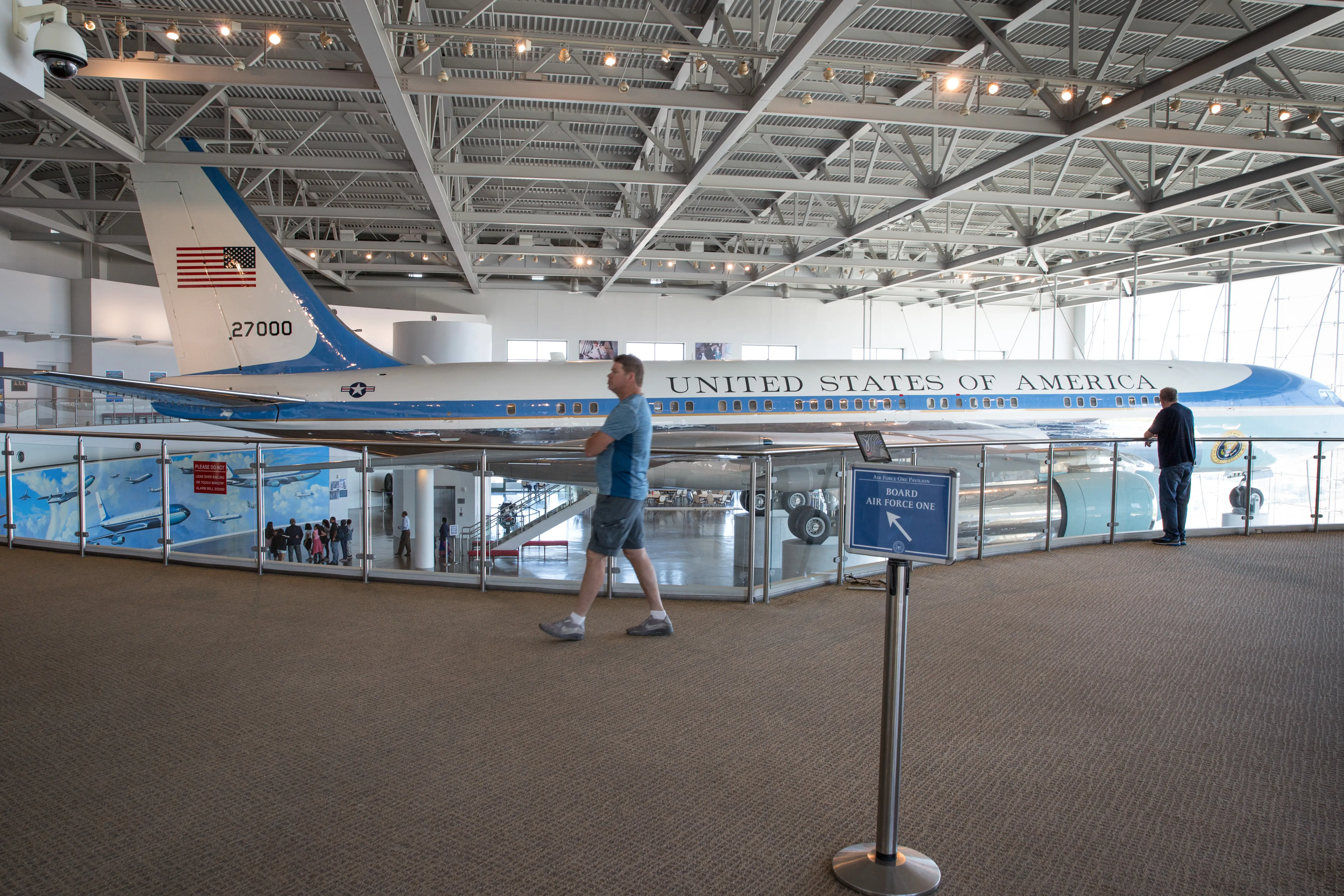
Years active: 1973 to 2001
About the aircraft: Presidents Nixon, Carter, Ford, Reagan, George H.W. Bush, Clinton, and George W. Bush all flew on SAM 27000, a customized Boeing 707 designated VC-137C.
Where it is: The Ronald Reagan Presidential Library and Museum in Simi Valley, California.
Gulfstream Aerospace C-20B
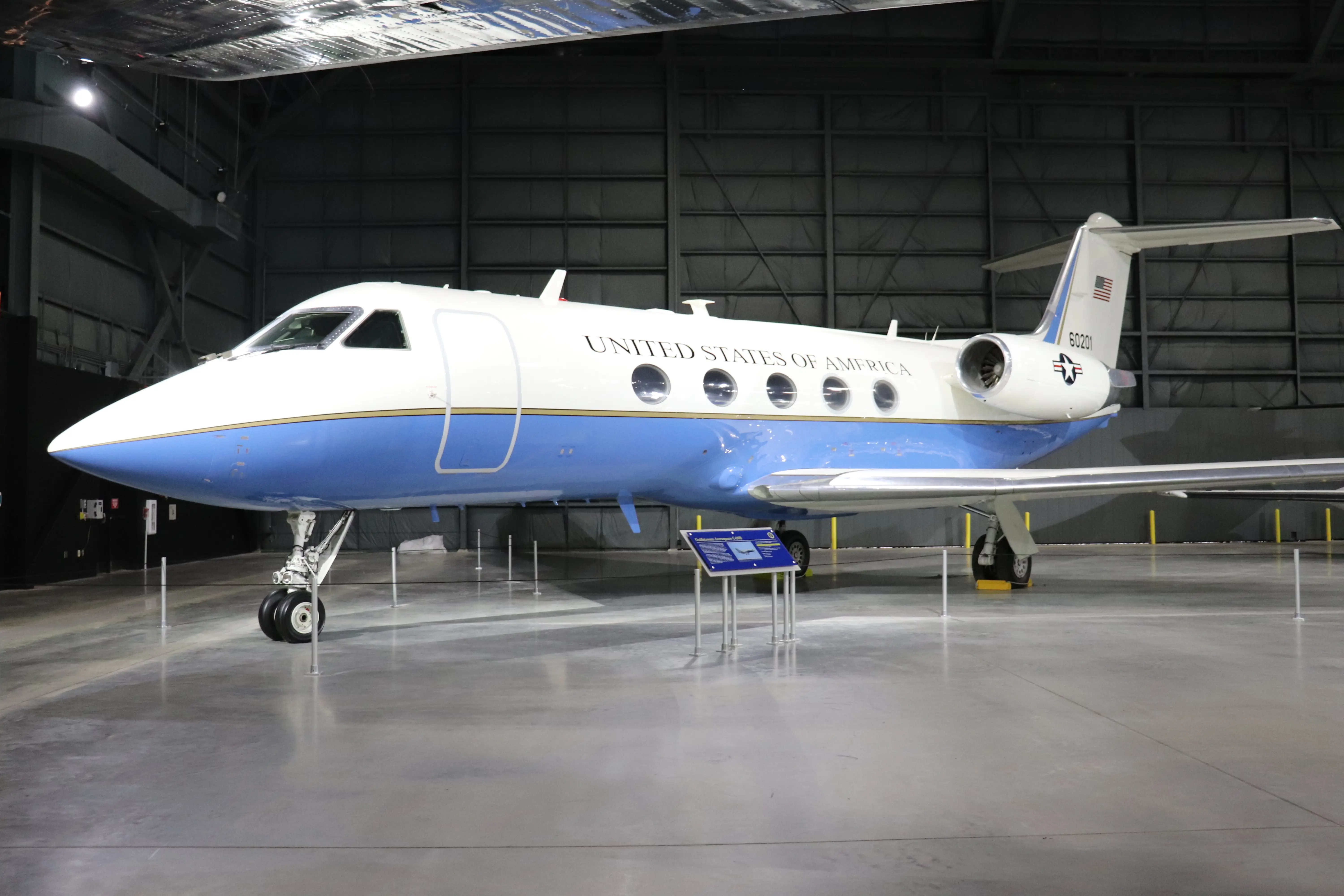
Years active: 1988 to 2015
About the aircraft: The Gulfstream Aerospace C-20B, a militarized VIP Gulfstream III business jet, was used by Clinton during his presidency and by Ford, Carter, and H.W. Bush as former presidents. It also carried First Ladies, cabinet members, and other high-ranking officials.
Where it is: The William E. Boeing Presidential Gallery at the National Museum of the US Air Force in Dayton, Ohio.
Read the original article on Business Insider
The post Trump’s new Air Force One may not go to his library. Here’s where 14 former presidential planes ended up. appeared first on Business Insider.