The U.S. Coast Guard said on Friday that it had intercepted a cargo boat carrying fuel illegally to Cuba as part of the Trump administration’s fuel blockade aimed at forcing political and economic transformation on the Communist-run island.
The roughly 300-foot-long container ship, called the “Grace,” was stopped on Sept. 5 in the Caribbean Sea between Cuba and Mexico after it was suspected of using “dark fleet” tactics to avoid detection, the Coast Guard said in a statement.
While the Coast Guard did not provide details on those tactics, ships can hide their destination through various means, including turning off their location transponders and going dark.
The Coast Guard said it had seized another smaller vessel, the “Jaira Provider,” early this summer that was also carrying fuel bound for Cuba.
The moves show that the Trump administration is employing the military — and not just threats of tariffs — to enforce a fuel blockade on Cuba. The policy has helped cripple the Cuban economy and government, and led to widespread suffering among the remaining residents there, estimated between 8 and 10 million.
Coast Guard officials declined to say how the agency determined the fuel was meant to be taken to Cuba, citing only that it was based on intelligence.
It was unclear how much fuel the “Grace” was carrying, but the Coast Guard said the “Jaira Provider” was carrying 210,000 gallons. While the amount of fuel both ships were transporting was relatively modest, the seizures underscore the Trump administration’s strategy to police the flow of fuel into Cuba.
The Coast Guard would not say where the fuel on the two intercepted vessels had come from, but said the last port of call for both ships had been Colón, Panama.
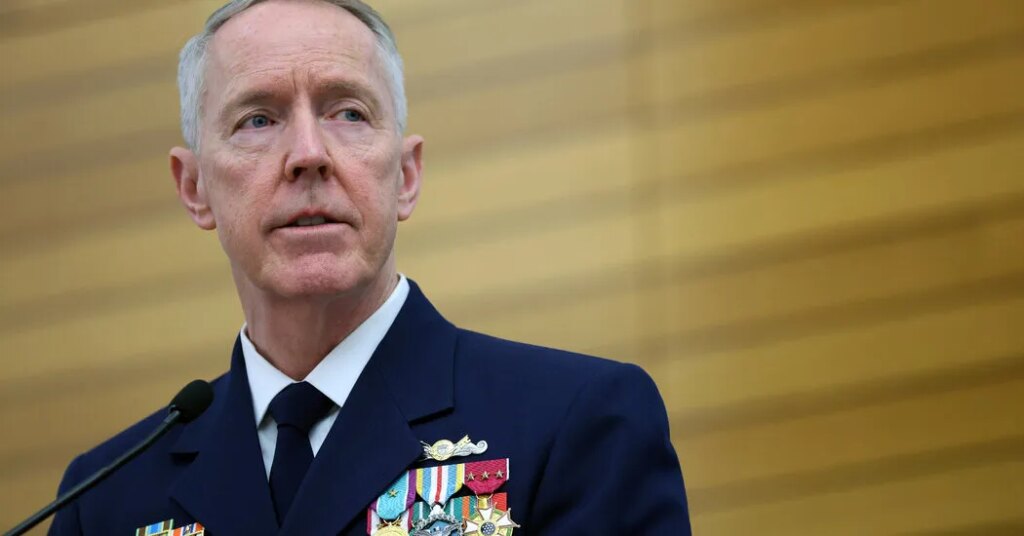
“The high seas are not a sanctuary for lawlessness,” Admiral Kevin Lunday, the Coast Guard Commandant, said in a statement. “Dark fleet actors who employ deceptive tactics to engage in illicit activities will not evade justice.”
Cuba produces some fuel domestically, but is far short of what it needs to power its electric grid and has depended on foreign shipments to keep the country running.
President Trump cut off fuel from Venezuela, Cuba’s top fuel supplier, after the United States seized Venezuelan President Nicolás Maduro in January. Then Mr. Trump ratcheted up the pressure by threatening tariffs on other countries providing fuel to Cuba, essentially ending all foreign fuel deliveries to the Cuban state.
The lack of fuel has led to several nationwide blackouts in Cuba and has plunged the country deeper crisis, making it increasingly difficult for hospitals to operate and triggering food and water shortages.
The Trump administration has blamed corruption and incompetence by the Cuban government for the country’s crisis. “If Cuba is a humanitarian disaster, it is because their regime is a disaster,” Secretary of State Marco Rubio told reporters in September.
Cuba’s Foreign Minister, Bruno Rodríguez, denounced the fuel blockade as “an act of war” in a speech last week at the United Nations General Assembly and said the Trump administration’s pressure campaign had become “crueler and more dangerous.”
The United States and Cuba have held private talks to resolve the impasse, but they have made no discernible progress and it is not known if there have been any recent discussions.
Cuba recently adopted an economic restructuring plan that would open to door to more private enterprise and loosen the state’s control of the economy.
While the Trump administration has sought to choke off fuel from Cuba’s government, the U.S. Treasury has issued individual licenses allowing fuel exports from the United States to private businesses in Cuba.
The post Coast Guard Says it Stopped Ships Carrying Fuel to Cuba appeared first on New York Times.