Some fast-food and fast-casual chains are shrinking their footprints in 2026, as restaurants navigate a difficult environment marked by rising costs, cautious consumers, and intensifying competition for diners’ dollars.
Restaurant chains including Wendy’s, Papa John’s, Pizza Hut, Red Lobster, Starbucks, and Bahama Breeze have closed locations or announced plans to do so this year. Some are pulling back from underperforming restaurants, while others are restructuring or refocusing on more profitable markets.
The planned closures come amid a challenging few years for restaurant chains, driven by inflation, rising labor costs, and shifting customer preferences. Some brands have leaned on value meals and innovations to bring more customers through the door.
“What’s really worked within quick service hasn’t been value, as much,” TD Cowen analyst Andrew Charles previously told Business Insider. “Value is important, but you look at when McDonald’s, Burger King, etc, have done well — it’s really when they have great menu innovation or great marketing that they really see customers respond.”
Several chains have announced broad closure plans, while others have quietly or abruptly shuttered individual restaurants since the start of the year. Here’s what to know.
Starbucks closed around 250 locations across North America in 2026.
Starbucks closed about 250 locations across the US and Canada in late September as part of its “Back to Starbucks” turnaround plan. The closures represented roughly 1% of the chain’s more than 18,000 North American coffeehouses.
In a September announcement, the company said it had reviewed its store portfolio and identified locations where it could not consistently deliver the experience it wanted for customers and employees or find a path to acceptable financial performance.
The closures followed a 2025 restructuring that resulted in the net closure of 107 North American locations. Starbucks said it remains committed to growing in the region and is accelerating plans to renovate 1,500 coffeehouses.
Founded in Seattle in 1971, Starbucks has grown into one of the world’s largest coffee chains, known for its espresso drinks, Frappuccinos, and seasonal beverages.
Wendy’s closed 289 US restaurants in the first half of 2026, fulfilling most of its plan to shutter up to 350 underperforming locations.
In February, Wendy’s said it intended to close roughly 5% to 6% of its US footprint — about 298 to 358 restaurants — in the first half of the year as it grappled with sliding sales and profits.
At the time, then-Interim CEO Ken Cook said the brand’s focus was “to strengthen our foundation and position Wendy’s for long-term success.”
The Associated Press reported that Wendy’s shuttered 28 restaurants in the fourth quarter of 2025, leaving it with 5,969 locations across the US at the end of the year. Wendy’s now has 5,724 restaurants after closing 289 locations and opening 44 new ones.
Company data shows systemwide US sales dropped 5.2% in 2025, while same-store sales declined 5.6% compared with the previous year.
In August 2026, Wendy’s announced that global systemwide sales had declined 8.2% in Q2, while same-store sales had fallen 7%. Traffic was also down by 12.5%, with the chain citing a weakened breakfast menu and fewer value offerings as potential reasons for the steep drop-off in visitors.
Pizza Hut said it intended to shutter 250 US locations.
Pizza Hut, founded in 1958 by brothers Dan and Frank Carney in Wichita, Kansas, and best-known for its pan pizza, has more than 6,000 locations in the US.
In a February earnings call, its parent company, Yum! Brands, said Pizza Hut intended to shutter 250 US locations by July 1. The closures would impact “underperforming” locations, Yum! Brands said.
In April, Fortune reported that it had identified around 50 locations that had already closed, with most affected restaurants in California, Pennsylvania, and Ohio. Yum! Brands has not publicly disclosed a final total for the closures.
Yum! Brands said late last year that it was exploring a potential sale of the chain after reporting a 1% decline in same-store sales during the third quarter, its eighth consecutive quarterly drop. In September 2026, Yum! completed the sale of Pizza Hut to the private equity firm LongRange Capital.
“The Pizza Hut team has been working hard to address business and category challenges,” Chris Turner, chief executive of Yum! Brands, said in November. “However, Pizza Hut’s performance indicates the need to take additional action to help the brand realize its full value, which may be better executed outside Yum! Brands.”
The chain has faced tough competition from other chains, especially with the rise of value meals. Internationally, it fared better in 2025, with same-store sales increasing by 1%.
Jack in the Box is expected to close 50 to 60 locations in 2026.
Jack in the Box — the fast-food chain that has been flipping burgers since 1951 — operated 2,115 restaurants across 25 states, Mexico, and Guam as of July.
In 2025, the company rolled out its “Jack on Track” turnaround plan to improve performance and strengthen its finances. Part of the effort included selling Del Taco for $119 million, a deal completed in December.
The chain has since narrowed its outlook: It now expects to open about 25 restaurants and close about 50 to 60 locations during fiscal 2026, most of them franchised restaurants, the company said in August. By the end of the third fiscal quarter, which ended July 5, Jack in the Box had closed 17 locations.
Same-store sales also declined 1.1% year over year in the third quarter, an improvement from the 7.1% decline reported during the same period last year.
The company said it remains focused on innovation, customer service, restaurant updates, and fewer, stronger limited-time offers. QSR Magazine previously reported that the chain was pursuing those initiatives as part of its turnaround.
Papa John’s has already closed 101 of the 300 restaurants it planned to shutter this year.
Papa John’s announced in February that it planned to close about 200 North American restaurants in 2026 as part of a broader effort to shutter 300 underperforming locations by the end of 2027.
By its second-quarter earnings call, the chain said it had closed 101 of the 300 restaurants identified for the program and raised its expected 2026 closure range to 200-250 North American locations.
The closures primarily affect franchise-owned restaurants that are more than 10 years old and lack a clear path to long-term profitability. The company said the goal is to help franchisees redirect resources toward stronger restaurants.
Papa John’s reported that global systemwide sales fell 4.8% year over year in the second quarter. North American comparable sales declined 8.3%, while international comparable sales increased 1.5%.
CEO Todd Penegor said the company is investing in its transformation plan, including restaurant economics, technology, menu improvements, and customer acquisition.
Papa John’s was founded in 1984 by John Schnatter in Jeffersonville, Indiana, when he began selling pizzas out of a converted broom closet in his father’s tavern. It has since grown into one of the world’s largest pizza chains, known for its “Better Ingredients. Better Pizza.” slogan.
Red Robin has closed some of its restaurants around the US.
Some Red Robin locations in Illinois, California, and New Jersey abruptly closed in 2026, The Independent reported, while another in Wichita Falls, Texas, will close this week, according to The Sun.
The company, which has nearly 500 locations across the United States, said in February 2025 that it intended to shutter roughly 70 underperforming restaurants as part of a plan to pay down debt, USA Today reported.
Jack in the Box’s footprint shrank by 13 restaurants in the third quarter, after the chain opened 4 locations and closed 17, the company reported on an earnings call.
Later in the year, executives said on an earnings call that turnaround efforts at several locations had been more successful than expected, reducing the need for additional closures.
The company had 475 US restaurants at the end of 2025, including company-owned and franchised locations.
A Red Robin spokesperson told Business Insider in March that the company had discussed up to 20 potential corporate restaurant closures in 2026, though those closures were not confirmed. The chain’s turnaround efforts had reduced the need for some of the broader closures it had previously considered.
In September, Red Robin completed the refranchising of 108 company-owned restaurants — a change in ownership, not a closure.
Red Robin was founded in Seattle in 1969 and is known for its gourmet burgers, Bottomless Steak Fries, onion rings, and hand-spun milkshakes.
Some Denny’s have also closed without notice.
Denny’s, which operates more than 1,650 locations globally and is recognized for comfort-food staples, confirmed in January that it had completed its plan to close 150 restaurants by the end of 2025.
Since the start of 2026, there have been reports of restaurants closing without advance notice, including locations in Grand Rapids and Kalamazoo, Michigan, and Midland, Texas, according to Mashed.
Denny’s did not respond to Business Insider’s request for comment on the recent closures. The company has not announced any additional planned closures for this year.
Denny’s completed its $620 million acquisition by TriArtisan Capital, Treville Capital, and Yadav Enterprises in January. Christopher Bode became the chain’s president and CEO in April, replacing Kelli Valade.
Denny’s was founded in 1953 in Lakewood, California, by Harold Butler and Richard Jezak, originally operating as Danny’s Donuts before evolving into a full-service coffee shop and eventually rebranding as Denny’s.
Noodles & Company expects to close up to 40 locations in 2026.
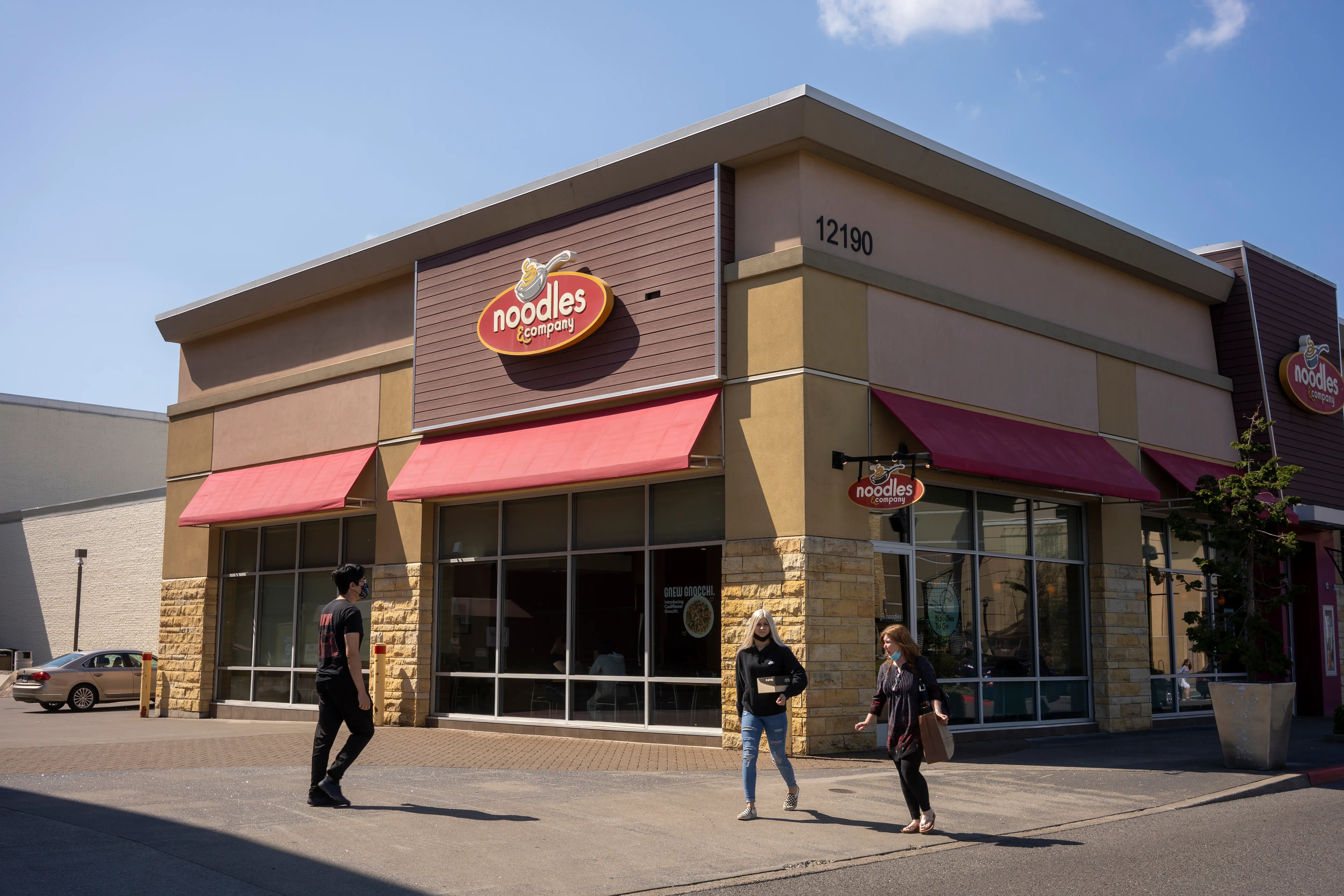
In January, Fast Company reported that Noodles & Company was cutting restaurants as part of an effort to improve its finances, announcing the fast-casual chain expected to close 30 to 35 company-owned locations in 2026.
As of June 30, Noodles & Company operated 318 company-owned and 78 franchised restaurants, down from 340 and 83, respectively, at the end of 2025, according to a press release.
“We have closed underperforming stores which has resulted in a material transfer of sales to nearby Noodles locations driven by our strong off-premise business. This sales growth has raised the baseline average unit volumes, while also improving margins,” CEO and President Joe Christina said.
Founded in Denver in 1995, Noodles & Company serves globally inspired noodle dishes, including Wisconsin mac and cheese, pad thai, and Japanese pan noodles, as well as soups and salads.
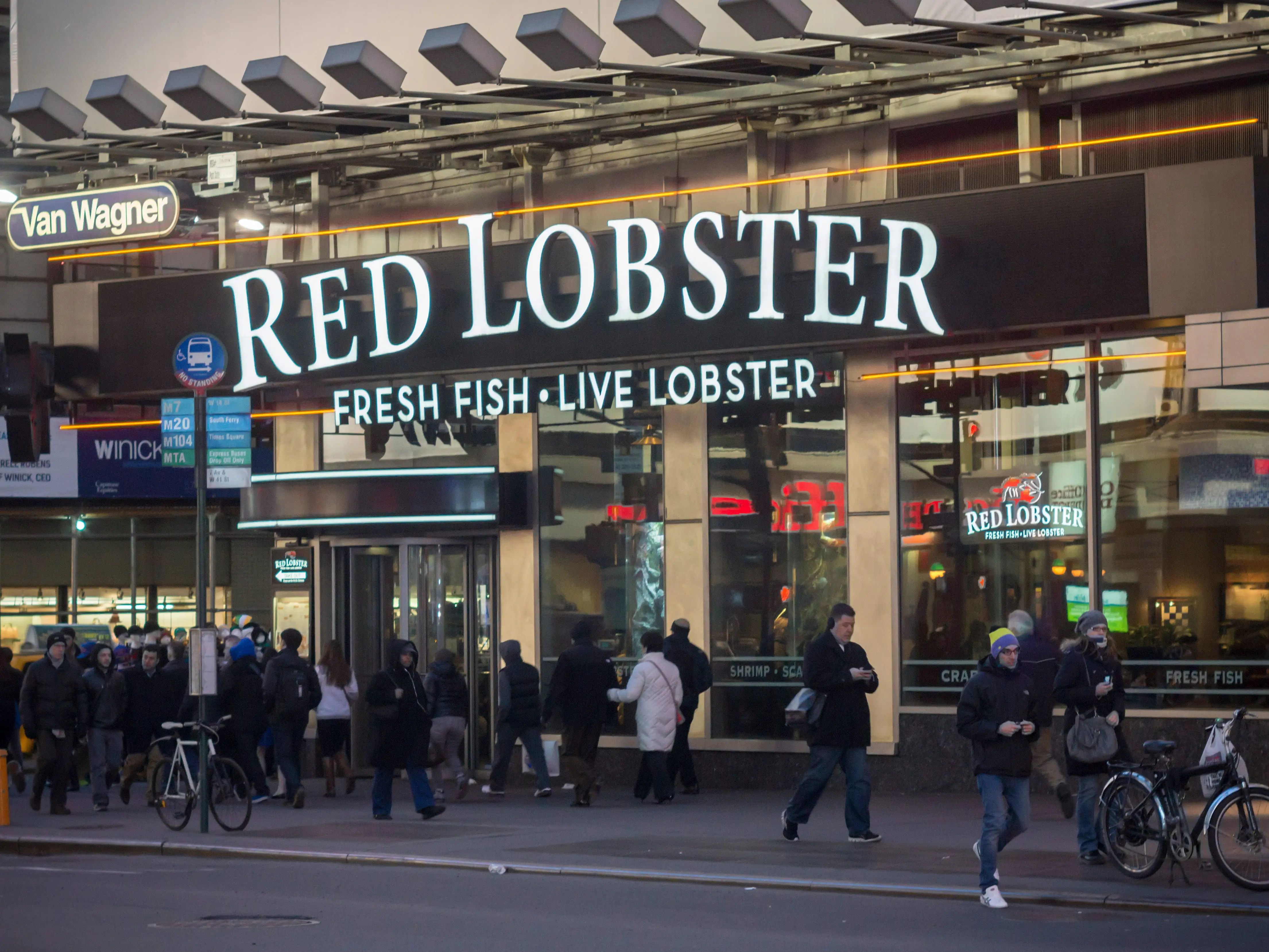
Red Lobster has continued closing locations, including its Times Square flagship, in 2026.
Since filing for bankruptcy in 2024 — and closing dozens of restaurants that year — Red Lobster has worked to turn around its business under CEO Damola Adamolekun. The company has updated its menu, collaborated with celebrities, and exited Chapter 11 protection; Adamolekun told The Wall Street Journal in February that sales were up 10% year over year.
The chain closed its Times Square flagship on June 14 after 23 years, citing prolonged nearby construction that hurt foot traffic and sales.
It also closed its oldest continuously operating restaurant, in Tallahassee, Florida, after 56 years, as well as locations in Chambersburg, Pennsylvania, and Overland Park, Kansas.
Red Lobster has continued to review leases and close underperforming restaurants throughout 2026. Red Lobster now operates about 540 restaurants nationwide, down from more than 700 before its 2024 bankruptcy, Inc reported in August.
Founded in 1968, Red Lobster is one of the country’s largest casual-dining seafood chains, known for seafood dishes and its Cheddar Bay Biscuits.
Darden, which owns Olive Garden, has closed half of its Bahama Breeze locations and plans to convert the rest.
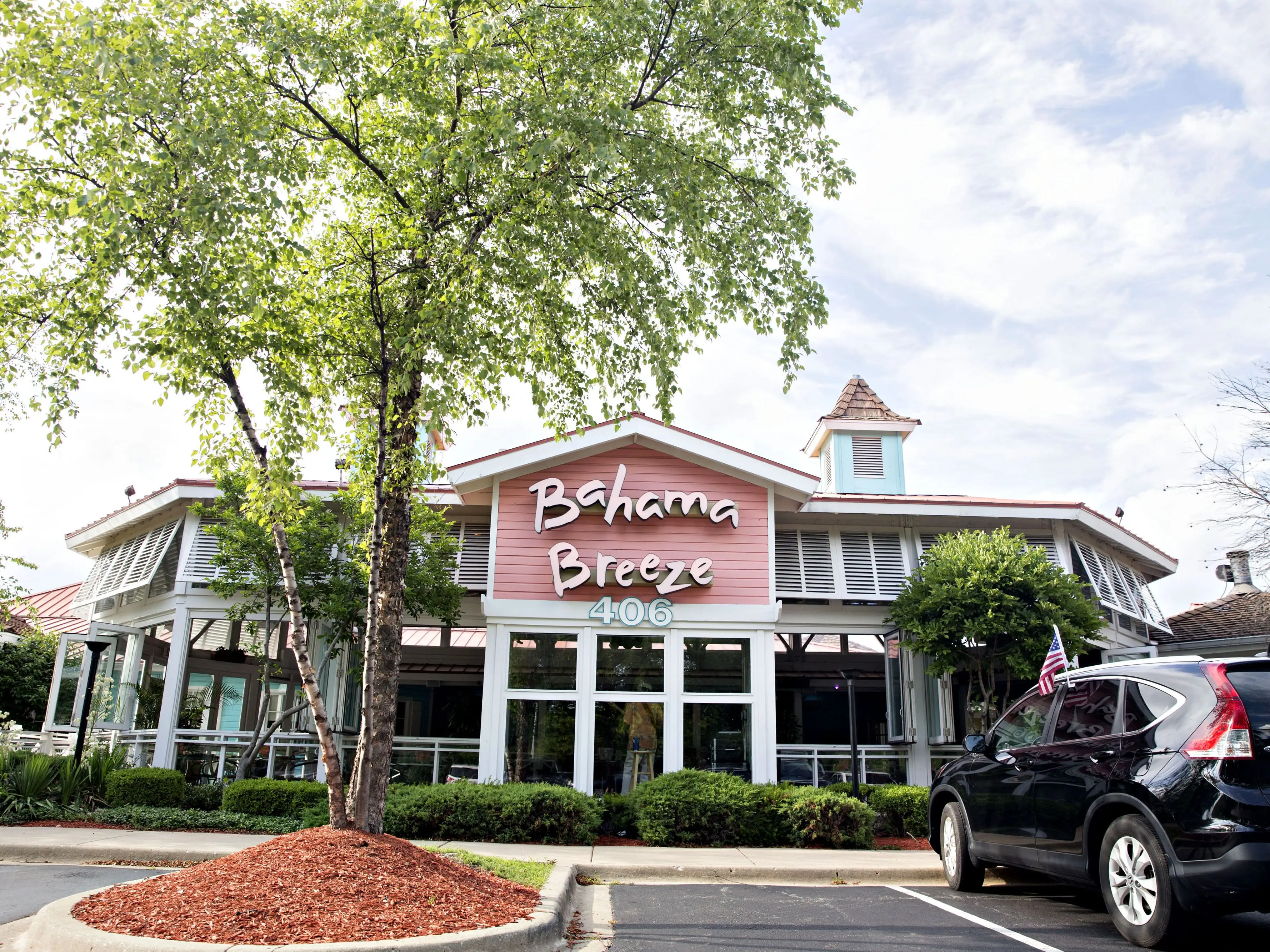
Darden Restaurants said in February that it would permanently close 14 of Bahama Breeze’s remaining 28 restaurants after concluding that the Caribbean-inspired chain was no longer a strategic priority.
The closures were expected to be completed by April 5. Rather than shuttering the remaining 14 locations, Darden said it plans to convert them into other concepts in its portfolio over the next 12 to 18 months, before a target date of May 2027, The New York Post reported.
The company has not announced which brands will replace Bahama Breeze at every location, though some restaurants have already been slated to become Cheddar’s Scratch Kitchen locations.
Darden owns multiple chains, including Olive Garden, LongHorn Steakhouse, Cheddar’s, Yard House, and The Capital Grille.
Bahama Breeze opened its first location in Orlando in 1996 and is known for Caribbean-inspired dishes, tropical cocktails, and island-themed decor.
Read the original article on Business Insider
The post Chain restaurants are closing hundreds of locations across the US in 2026. See the list. appeared first on Business Insider.