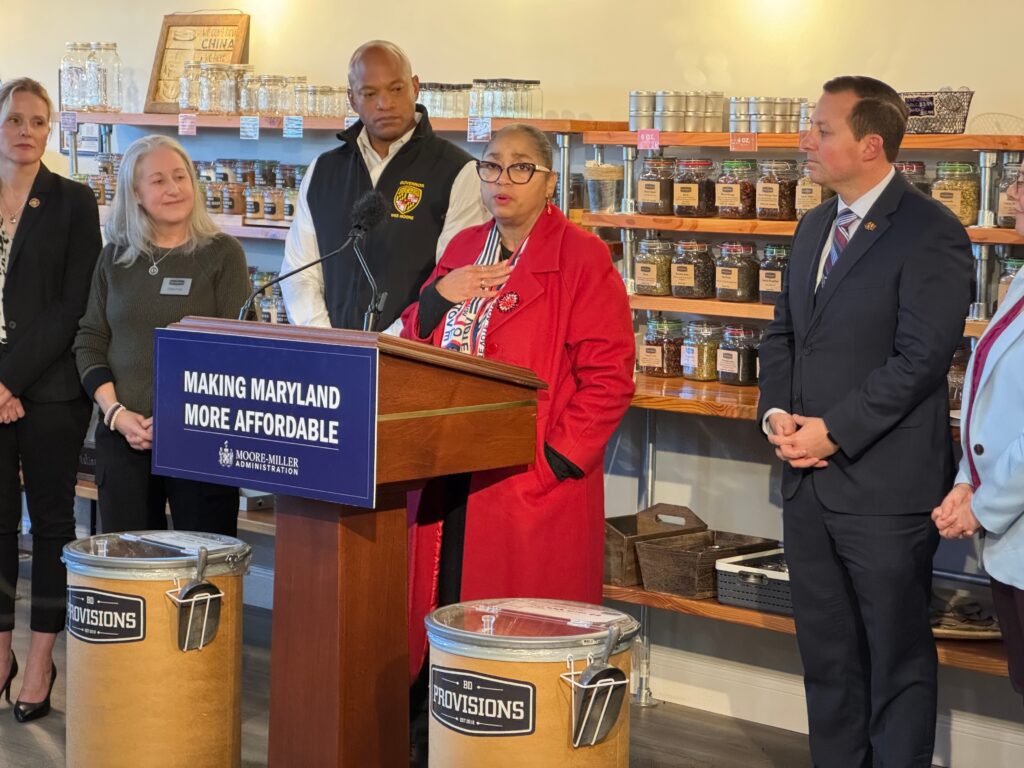
Maryland on Thursday became the first state to bar grocery stores from using electronic pricing tools to adjust the cost of food items throughout the day, which critics say could enable retailers to unfairly manipulate prices at a time when households are already squeezed by rising costs.
The Protection from Predatory Pricing Act, which took effect Oct. 1, would require stores to keep prices fixed for at least one business day. It also prohibits grocery stores and third-party delivery services from using private customer data to set prices for items.
The legislation comes as consumer advocates and lawmakers raise concerns that digital shelf labels could be used to rapidly alter prices based on demand and shopper behavior, a practice known as “dynamic pricing.”
“Technology should be used to help people, not to exploit them,” Maryland Gov. Wes Moore (D) said in announcing the bill in January.
Dynamic pricing has become common among concert ticket vendors and airlines. Critics said they don’t want the practice to take hold in grocery stores.
Several food retailers, including Whole Foods and Kroger, have outfitted stores with electronic shelf labels but say they aren’t using the technology for dynamic pricing. Walmart has installed such labels at 2,300 stores across the United States.
“We don’t set different prices based on who you are or the time of day, and we won’t,” Walmart CEO John Furner said last week.
Catch up quickly every weekday morning with a rundown of the 7 most important and interesting stories. Sign up for The 7 newsletter.
The post Maryland becomes first state to ban dynamic pricing in grocery stores appeared first on Washington Post.