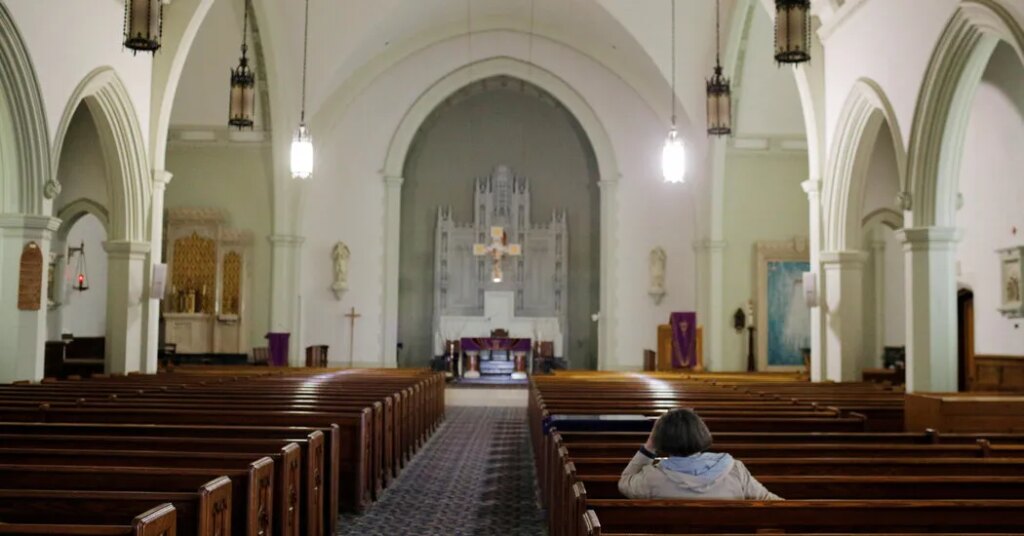
More than 270 Catholic clerics abused nearly 1,000 children over a century across three Massachusetts dioceses, according to a report released on Wednesday by the state attorney general.
Church officials in the three dioceses — Fall River, Springfield and Worcester — knew priests and other church personnel were sexually abusing children but didn’t do enough to prevent it or examine institutional failures, the report said.
Accounts of pervasive child sex abuse in the Archdiocese of Boston rocked the Catholic Church in the early 2000s and led to years of scrutiny of priests who served in the archdiocese. But the new report looked beyond Boston to three other areas of the state, and the investigation found that the church continued to fall short of child protection practices, such as training, investigation, supervision and record-keeping, the report said.
Even after earlier reforms, the three dioceses allowed priests to stay in ministry for years despite reports that they had sexually abused children, the report said. Sometimes, the dioceses suspended priests without telling parishioners or other priests why, it said.
The report is the latest investigation by a state attorney general or local prosecutor into child sexual abuse in the Catholic Church. Since the early 2000s, the investigations have cataloged abuse by hundreds of priests against thousands of children, but led to few criminal prosecutions. In many cases, the priests had died or the accusations emerged too late to pursue charges.
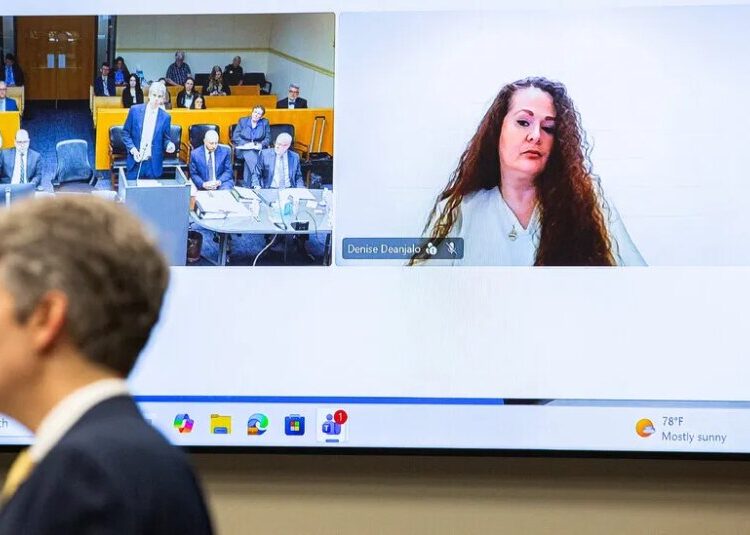
“Behind every one of those numbers is a child whose safety was violated, a family that was changed forever and a survivor who carried the trauma of that abuse for years, and in many cases, decades,” the Massachusetts attorney general, Andrea Campbell, said at a news conference on Wednesday.
The new report is a “mirror image” of the abuse documented years ago within the Archdiocese of Boston, said Mitchell Garabedian, a lawyer who has represented many clergy sexual abuse survivors.
“You have the sexual abuse, the cover-up of abuse, the shuffling of priests from parish to parish, the code words for pedophilia, priests being treated at pedophilia centers and being let out and then reoffending,” he said.
Leaders of the three dioceses said in statements that they welcomed the report.
Raymond Delisle, the chancellor and director of communications at the Diocese of Worcester, emphasized that most of the cases described are from decades ago.
“We will study the A.G.’s report to identify any additional improvements that can be made to respond to victims of past abuse and to continue to strengthen efforts to keep children safe,” Mr. Delisle said.
Bishop Edgar M. da Cunha of the Diocese of Fall River said that he was “filled with sorrow” and described the diocese’s efforts to protect children from future abuse.
Bishop William D. Byrne of the Diocese of Springfield said the report was “a humbling reminder of the need for continued vigilance in properly handling all instances of child sexual abuse when reported to us.”
The cases described in the report are largely from before 2002. It would be too late to prosecute some of the misconduct, Ms. Campbell said, citing the statute of limitations. For other cases, the conduct was not considered a crime under state law at the time, she said.
Ms. Campbell said lawmakers should lift the statute of limitations for civil claims related to child sexual abuse and should allow people whose claims have expired the chance to sue.
Many dioceses around the country have published lists of credibly accused clergy members and Ms. Campbell noted that the Diocese of Worcester has not.
Bishop Robert McManus of Worcester, has defended in the past the decision not to publish a list of accused priests.
“There is no other precedent for the publishing of lists of the accused in society — even of those accused in other positions of trust such as medicine, education or law enforcement,” Bishop McManus wrote in a separate report on child sex abuse in the diocese.
Many of the reports by state attorneys general describe each case in detail and often name the priests who were involved, said Terence McKiernan, who co-directs the watchdog group BishopAccountability.org. The organization publishes information about clergy abuse and maintains a database of accused U.S. clergy members.
The new report for Massachusetts, however, names some priests but does not include a full list, making it “weaker and less useful than it should’ve been,” said Anne Barrett Doyle, who co-directs the watchdog group. Ms. Barrett Doyle said the group has tracked about 180 accused clergy members for the three dioceses that are the subject of the report, and she said she was troubled that the number cited by the new report was considerably higher.
“Where are they today?” asked Ms. Barrett Doyle. “Are they back in ministry? Are they teaching music lessons? Our experience is that when abusers leave the priesthood because of abuse, they will find other ways to get access to kids.”
Ruth Graham contributed reporting.
The post Hundreds of Catholic Clerics Abused Children in Massachusetts, Report Says appeared first on New York Times.