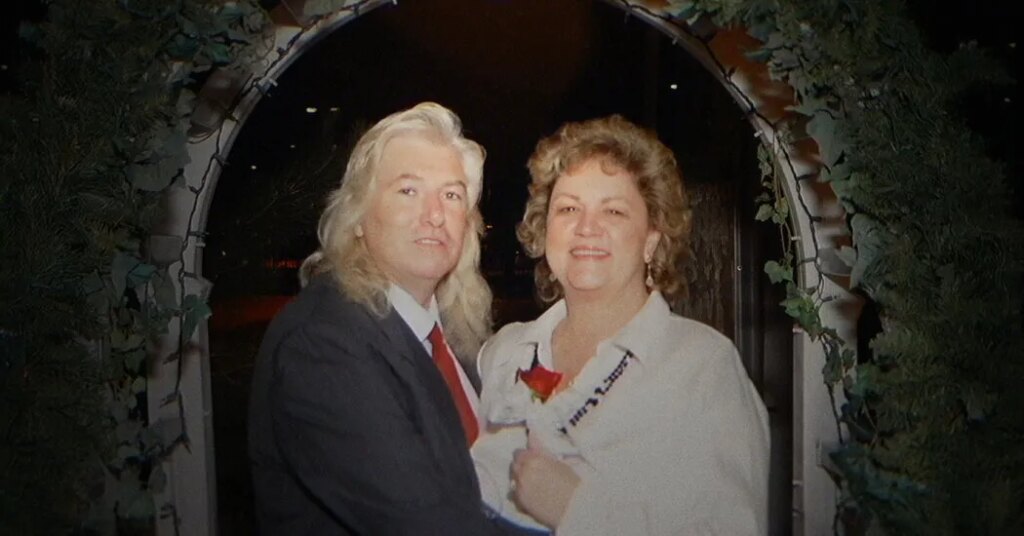
Outfitted with a mix-and-match title that suggests a slapdash repackaging, the true-crime documentary “The Widower: ’Til Death Do Us Part” concerns a man named Thomas Randolph, who in 2023 was convicted in Las Vegas of two counts of first-degree murder with a deadly weapon and conspiracy to commit murder. Three years earlier, the Nevada Supreme Court reversed his previous conviction on the same charges, on the grounds that the jury had heard prejudicial information.
Apart from chronicling the winding road to the (probably) final verdict, “’Til Death Do Us Part” posits that the crimes, which occurred in 2008, were themselves the end of a suspicious trend involving Randolph: Out of the six women he married, four are now dead. Only the last, Sharon Causse, died in what was ruled a murder. Randolph was found guilty of killing her, along with a man, Michael Miller, with whom, according to the conviction, he had conspired.
Was Randolph exceptionally unlucky, or was there a darker pattern in his life? Certainly, there has been a habit of cameras following the case: “’Til Death Do Us Part,” directed by a workmanlike Chris Smith (“American Movie”), comes after an Investigation Discovery series, “The Black Widower: The Six Wives of Thomas Randolph” (2024), and a separate “Dateline NBC” series called “The Widower” (2021), to which ’Til Death Do Us Part,” which features the “Dateline” producer Dan Slepian as an onscreen guide, is a kind of follow-up.
Slepian describes his evolving journalistic relationship with Randolph through the years, and while a viewer might hope for the novelistic interviewer-subject parrying of HBO’s “The Jinx,” about Robert Durst, Randolph, though apparently wily, comes across as merely sleazy on camera. The movie amounts to little more than another item for Netflix’s well-stocked true-crime emporium, at a bargain-basement price.
The Widower: ’Til Death Do Us Part Not rated. Running time: 1 hour 31 minutes. Watch on Netflix.
The post ‘The Widower: ’Til Death Do Us Part’ Review: More True-Crime Sensationalism appeared first on New York Times.