BRUSSELS — With energy prices driven up by the wars in Iran and Ukraine, the European Union is mobilizing to prevent an energy crunch this winter if President Donald Trump bans U.S. exports of diesel fuel.
For months, E.U. nations have scrambled to offset the impact of higher energy prices, as the U.S.-Israeli war against Iran disrupted global oil supplies by obstructing the Strait of Hormuz. The strait is a vital corridor for oil supply.
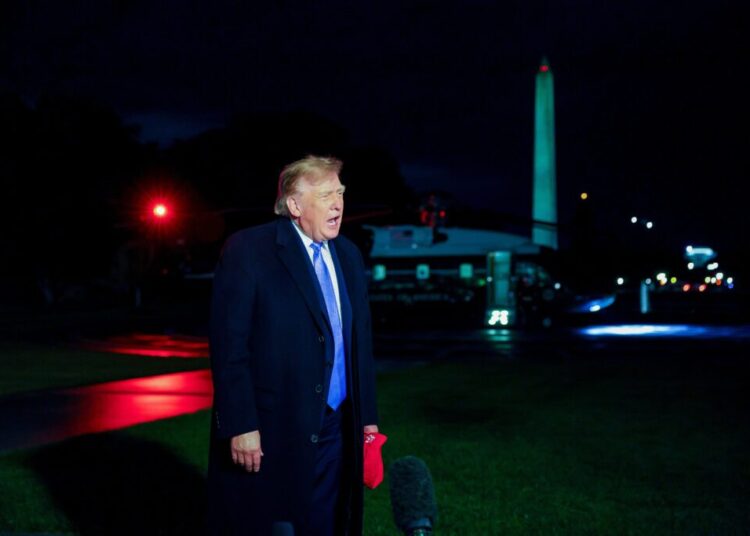
With gas stores also low, European worries have spiked in recent days after Trump said he is “very seriously” considering a ban on diesel exports. The United States is the world’s largest exporter of diesel.
As the heating season gets underway, the E.U.’s energy commissioner, Dan Jorgensen, sent a letter to the bloc’s 27 member states recommending that they all cut gas and electricity consumption “for as long as necessary.”
He warned that reserves are well below typical levels after a summer of record heat waves. He urged E.U. nations to consider reducing electricity use at peak hours and capping temperatures in public buildings.
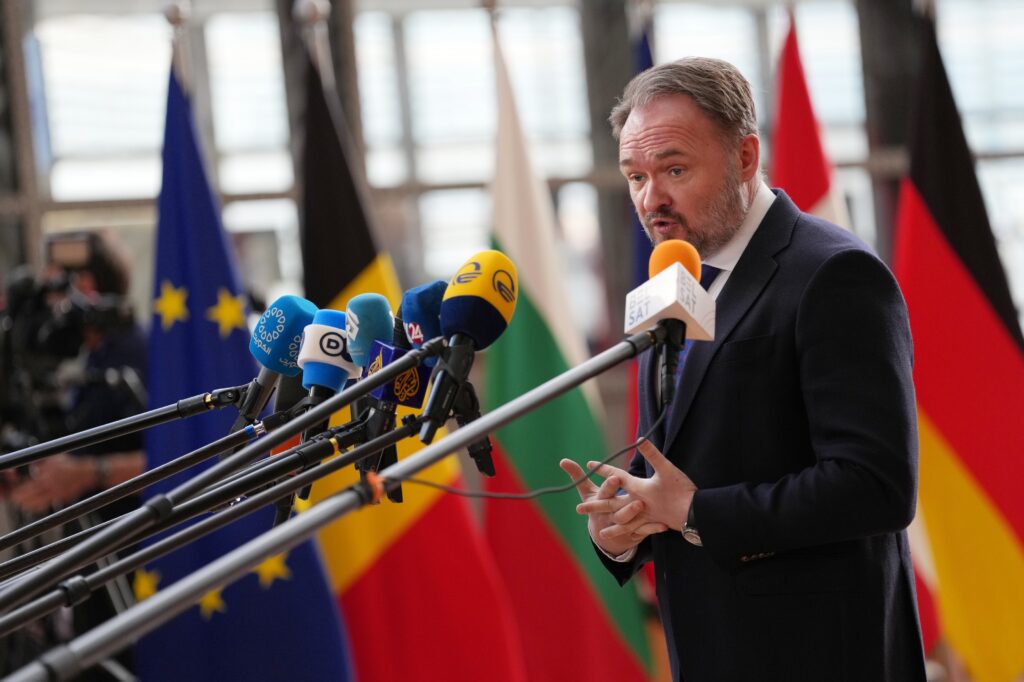
At a meeting of European ministers in Ireland on Tuesday, energy concerns were at the top of the agenda and Jorgensen told reporters he had urged Washington to assess the impact of a ban on diesel fuel.
“I’ve sent a very clear signal to my American counterparts, and also the public,” he said. “It is not in the interests of anybody, not the U.S., not us, to not have as free a flow of energy as possible in these difficult times.”
With the high gasoline prices a major liability for Republicans in the upcoming U.S. midterm elections and diesel prices hitting a record high, Trump has said he is weighing the ban. But even oil companies have pushed back.
Fuel prices have soared this year, driven by military strikes that have damaged energy infrastructure globally, including by the U.S. and Iran in the Middle East, and by Russia and Ukraine in their war.
In Europe, where about half of diesel imports come from the United States, the prospect of a ban has set off urgent planning to stop a price problem from turning into a supply crisis. European officials are also lobbying the White House against such a move.
“Europe is one of the most exposed regions, if not the most exposed, because Europe imports a huge amount of diesel,” the head of the International Energy Agency, Fatih Birol, said Tuesday.
“We are entering the harsh season, the winter season,” Birol added. “Russia and the Middle East have difficulties.”
In the letter to E.U. ministers, a copy of which was seen by The Washington Post, Jorgensen said the E.U. was better prepared than after Russia’s 2022 full-scale invasion of Ukraine, which sparked an abrupt, painful race in Europe to cut dependencies on Russian supplies.
But Europe is still vulnerable. “The reliance of the E.U. on imported fossil fuels exposes us to the global turmoil of energy geopolitics,” he wrote. “We are facing a price crisis linking to a supply crisis.”
He said European capitals should learn from 2022 energy crisis and adopt similar measures now, such as offering incentives for consumers to reduce demand or cutting outdoor heating and lighting.
Jorgensen said there were “no immediate risks” to supply. But he warned that, with winter looming, gas storage levels were “exceptionally low” after a hot, dry summer pushed countries to burn more gas for power.
On Tuesday, the E.U.’s Oil Coordination Group is also meeting to evaluate the potential impact on E.U. nations of a U.S. ban on diesel exports.
The U.S., on average sends, 1.4 million barrels of distillate fuel a day to trading partners mainly in Europe and Latin America.
With oil traded and priced globally, experts say a ban could disrupt supply chains and wouldn’t achieve the intended goal of reducing high prices.
Washington has spent heavily trying to force open the Strait of Hormuz, which has been in Iran’s chokehold since the start of the war. But while some traffic has resumed, those attempts have done little to ease prices that are squeezing American farmers and truckers — industries that are key to Republican support — ahead of the November midterm elections.
This month, Trump also said he had called Ukrainian President Volodymyr Zelensky to ask him to “stop knocking out diesel fuel” targets in Russia and that the attacks on refineries were adding to a global shortage.
U.S. Energy Secretary Chris Wright has suggested the administration is considering imposing limits rather than a blanket ban on exports.
The E.U.’s executive arm, the European Commission, says it is advocating against such a ban “with our U.S. counterparts at the highest level.”
“We believe this is a bad idea,” commission spokesman Olof Gill told reporters in Brussels last week. “We believe it potentially can have a negative impact on both sides.”
The post Trump’s proposed diesel export ban spurs fear of energy crunch in Europe appeared first on Washington Post.