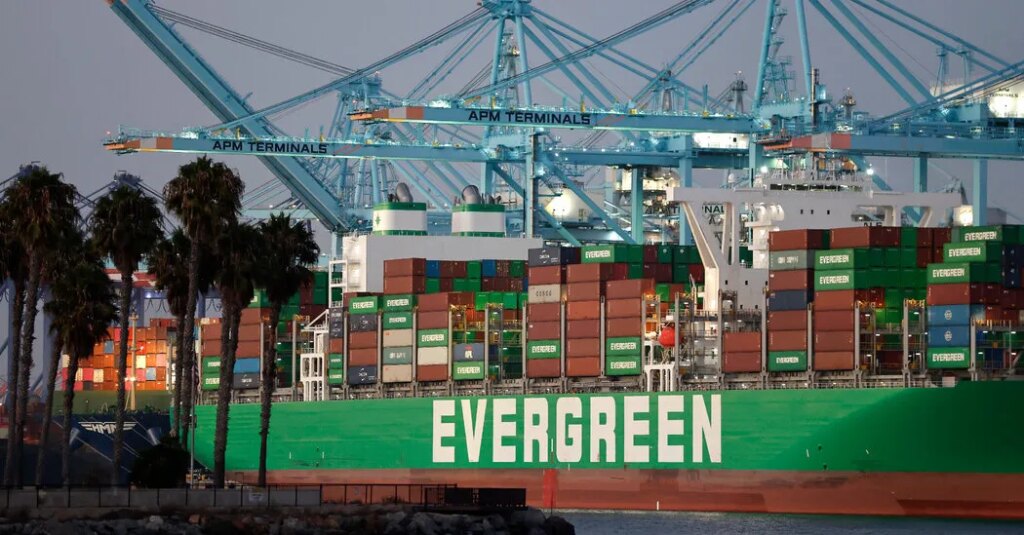
China and the United States have agreed to lower tariffs on $60 billion worth of goods, from fishing hooks to medical devices, following a visit to Washington last week by China’s top leader, Xi Jinping.
The world’s two biggest economies announced separate lists of nonsensitive goods worth $30 billion each that they planned to cut tariffs on, in a bid to ease economic tensions.
Washington’s list of Chinese imports eligible for reduced tariffs contained 77 items, including Christmas toys and ornaments, hunting and recreational goods such as fishing hooks and skeet targets, tableware and home appliances, and car seats.
Beijing’s list had 1,619 products, including frozen meat from primates and reptiles, live animals such as whales and dugongs, agricultural products including corn and vegetables, and medical devices like X-ray machines, pacemakers, ultrasound equipment and surgical robots.
Missing from both countries’ lists, unveiled on Sunday, were raw materials and products each side deems sensitive, including rare earth minerals and technologies critical to advancing artificial intelligence. Some of those products are now subject to export controls.
The promise to lower tariffs on a wide range of goods is the most meaningful gesture yet from both countries to show that they are making sincere efforts to improve relations, which have reached new lows over the past year. Following President Trump’s revival of the U.S. coal industry, China will import at least 10 million metric tons of coal from the United States in 2027 and again 2028.
Jamieson Greer, the U.S. trade representative, described the lowered tariffs as part of a new Board of Trade between the two countries that would provide better market access for 30 percent of U.S. exports to China “while benefiting consumers with imports from China.” President Trump is eager to ease pressure on farmers ahead of the upcoming midterm elections and may also be concerned about the inflationary impact of tariffs during the Christmas shopping season.
In a statement, China’s Ministry of Commerce said the effort would “help to stabilize China-U.S. trade” and “strengthen trade cooperation” in areas such as agricultural and consumer goods.
Ahead of talks between Mr. Xi and Mr. Trump last week, China agreed to extend a trade truce by two months. The pact was reached in South Korea last year after a brief but punishing tit-for-tat tariff war that led China to cut off the flow of rare earths that the United States needs for cars and weapons.
In broader trade negotiations, the Trump administration has been focused on reducing the trade deficit with China. After Mr. Trump met with Mr. Xi in Beijing in May, the United States said China had agreed to sharply increase its purchases of American agricultural goods. So far, however, that pledge has not translated into meaningful buying.
Murphy Zhao contributed reporting.
The post China and the U.S. Pledge to Cut Tariffs on $60 Billion in Goods appeared first on New York Times.