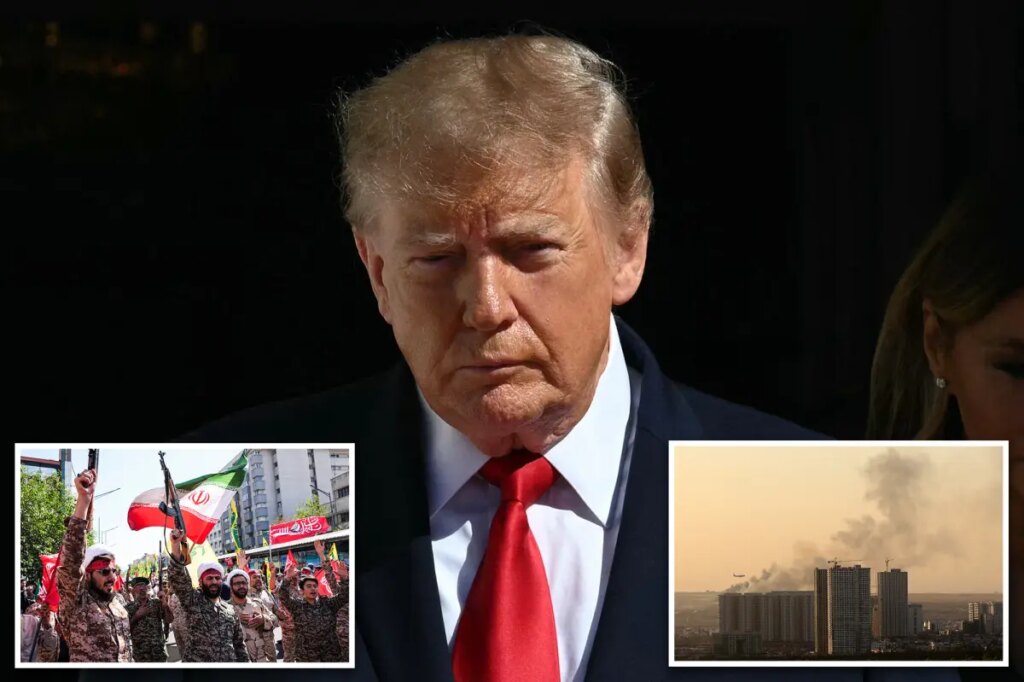
President Trump has reportedly rejected a seven-day cease-fire proposed by Iran and expects to resume bombing the country after the midterm elections.
As part of the proposed cease-fire, Tehran pledged to reopen the Strait of Hormuz and resume negotiations on dismantling its nuclear program in exchange for the US ending its blockade of Iranian ports.
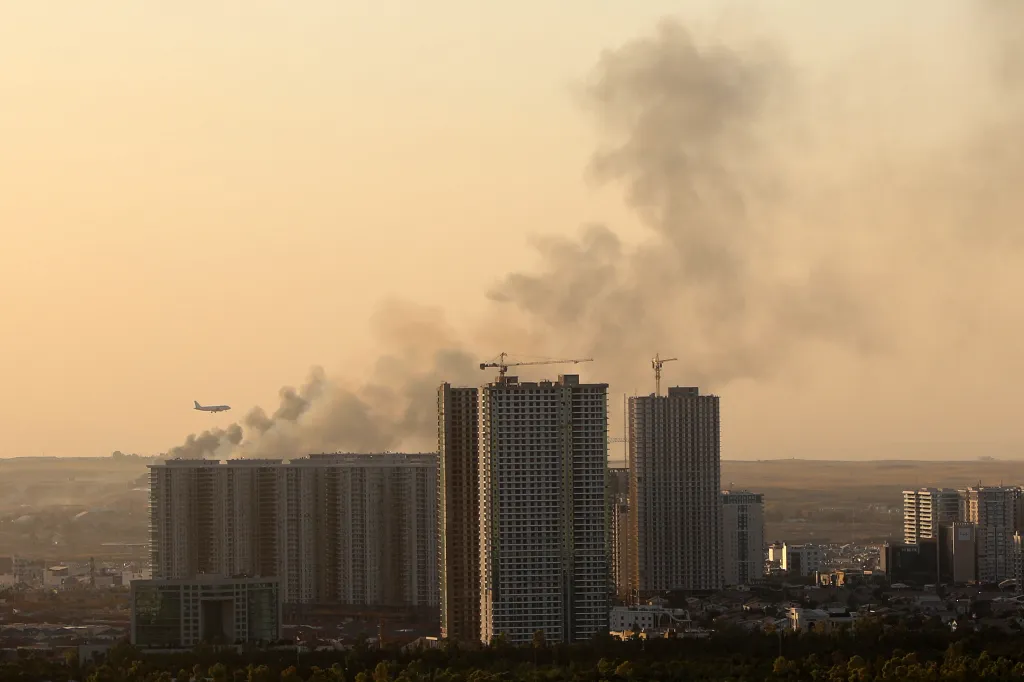
However, Trump is “skeptical” Iran will agree to his demands and has told aides it is “likely” the US military restarts airstrikes after the November contests, the Wall Street Journal reported on Friday, citing US officials.
It’s unclear what level of strikes Trump is planning on launching.
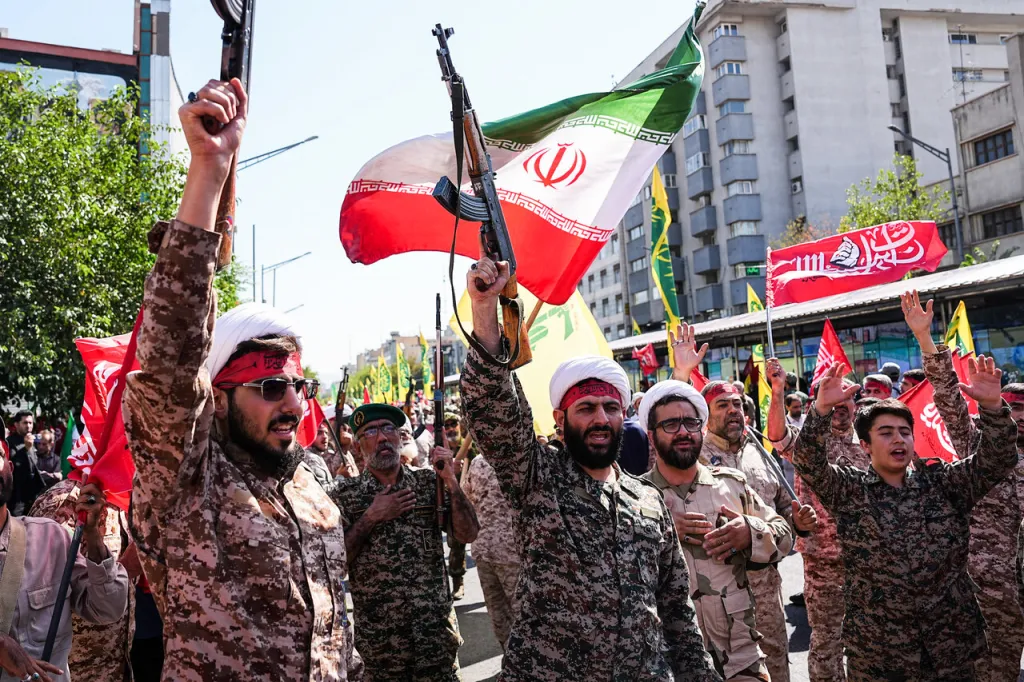
In his speech at the United Nations General Assembly earlier this week, Trump warned that with peace negotiations stalled, he could choose to “annihilate” Iran.
The president has previously threatened to destroy “civilization” in Iran and bomb the country’s bridges and energy infrastructure, but has largely stopped short of launching those types of attacks.
Iran floated the possibility of a seven-day cease-fire during a meeting with mediators in Qatar on Sunday, the outlet reported.
Iranian Foreign Minister Abbas Araghchi told reporters at the UN gathering in New York that the seven-day proposal had been formally offered to the US.
Aside from lifting the naval blockade, the regime is also seeking sanctions relief from the US and the unfreezing of some of its assets.
A White House official told Reuters earlier this week that the “crushing sanctions” and “one of the most successful blockades in history” have crippled Iran’s economy and left the country broke.
The official noted that Trump was content to allow the “inevitable Iranian collapse” play out rather than be “played” by the regime.
US officials have conveyed to Iran that Trump has “no intention” of lifting the naval blockade, according to the Wall Street Journal.
The White House did not immediately respond to The Post’s request for comment.
The post Trump rejects Iran’s seven-day cease-fire proposal – new airstrikes ‘likely’ after midterm elections: report appeared first on New York Post.