Just a year ago, Meta’s camera-equipped Ray-Bans were gaining momentum. Millions had sold. Influencers wearing the chic glasses were producing cooking videos, product-unboxing videos and travel documentaries. For a moment, it looked like smart glasses could be the next step for personal computing after the smartphone.
So much can change in a year.
As sales of the $300 glasses grew, the cringe-inducing stories rolled in. Pickup artists wore them as they pestered women in gyms, bathrooms and changing rooms, surreptitiously recording them. Soon, stores and restaurants posted signs saying Meta’s Ray-Bans were not allowed. The Ray-Bans gained an unflattering nickname: “Pervert glasses.”
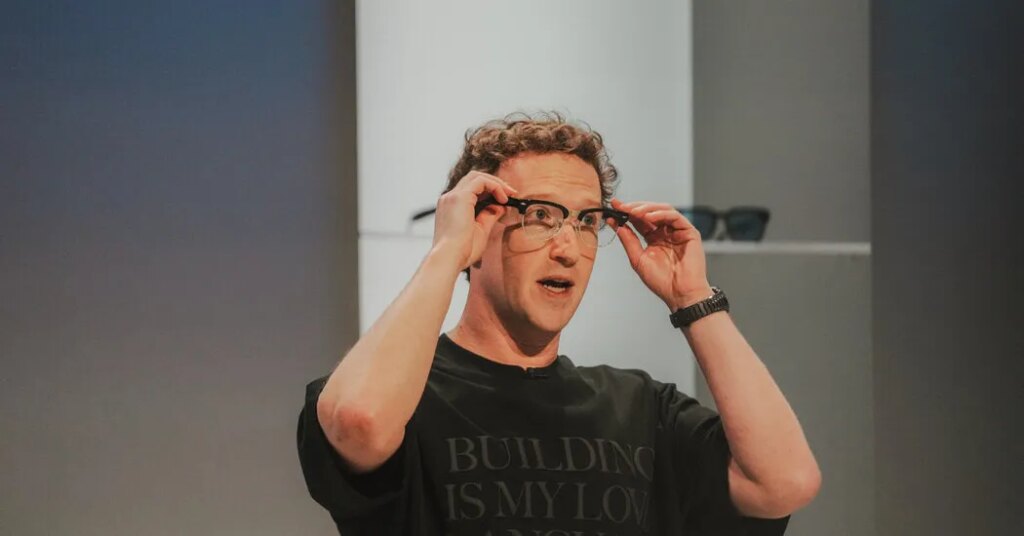
On Wednesday, Mark Zuckerberg unveiled Ray-Ban Meta Audio, a new pair of glasses without a camera that sell for $349, focusing instead on microphones for talking to Meta’s artificially intelligent assistant. He spun the lack of a camera, the signature feature of his company’s previous glasses, as an upgrade. It felt like a sheepish retreat.
“Without cameras, this opens up a lot of new design possibilities,” Mr. Zuckerberg said in a keynote presentation at the company’s conference for software developers in Menlo Park, Calif. “They can look like any other glasses. You can make them lighter and slimmer. They have the longest battery of any of our glasses.”
Like its camera-equipped predecessor, the audio-only glasses can place phone calls and play music. The company is also continuing to sell other versions of glasses that include a camera. Though Meta introduced a new private mode for people to interact with its A.I. in a secure environment, inaccessible to Meta employees, it made no mention of new safeguards to prevent users from recording people inappropriately.
But this month, Meta announced that it had permanently disabled the cameras on thousands of smart glasses belonging to owners who tampered with the product to remove a light that was illuminated when video was being recorded.
In an Instagram video, Meta’s chief technology officer, Andrew Bosworth, said the company built the glasses with privacy in mind. But he downplayed the privacy issues and said Meta would keep pushing forward with computerized glasses.
“I don’t want the discourse to be entirely shaped by this kind of relatively small number of bad actors,” he said. “The majority of people using the glasses are using them in totally normal ways.”
A Meta spokesman did not immediately comment.
You would think the backlash to Meta’s camera glasses would make other tech companies cautious about selling similar wearable devices. But you would be underestimating the tech industry’s thirst for new kinds of products to sell.
Apple this month released a new version of its smart watch that listens to conversations in order to produce short summaries. (Apple’s new chief executive, John Ternus, denied that the device does any recording in an interview with Tom’s Guide.) Apple is also reportedly working on a pair of glasses with a camera and stronger privacy protections than Meta’s. Apple declined to comment.
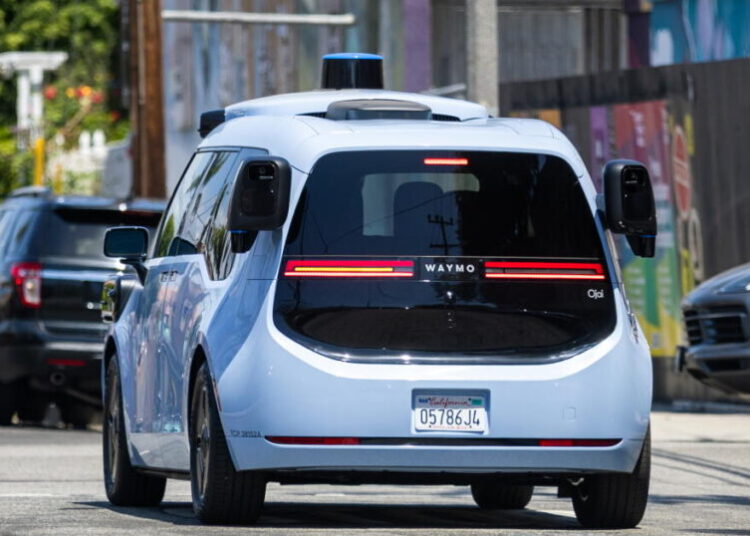
Google also plans to release stylish camera glasses this year that feature its A.I. chatbot, Gemini. It’s the second attempt for Google at this sort of thing, 13 years after the company courted the fashion world as well as the cutting edge of tech buyers with its own camera-equipped glasses.
In 2013, the company released Google Glass, a headset with a camera and a transparent display for using apps. Users who discreetly recorded others without consent, among other behaviors, were labeled with a profanity — a blend of the product’s name along with a word for obnoxious people — that our editors would rather we did not use in this column.
Google published an etiquette guide for using Google Glass in public, and urged users to mind their manners. But public ridicule overwhelmed the tepid sales. Two years later, Google killed the device.
Then there were 2024 gadgets from upstarts that experimented with similar ideas that were wildly unpopular, like the Friend A.I. necklace, which constantly listened to conversations and offered feedback via text messages, and the AI Pin, a lapel pin with a camera, microphone and chatbot. Both products flopped.
Even as tech companies pump out these new devices, it is increasingly clear that the public is becoming more sensitive to being monitored by cameras without permission. Flock Safety, a surveillance company in Atlanta, has also drawn scrutiny for the cameras it has installed nationwide to scan license plates.
While the devices were intended to help law enforcement officers apprehend criminals, opponents of Flock believe the ubiquity of surveillance cameras in public areas diminishes personal privacy, including that of law-abiding citizens.
Evan Greer, a director of the digital rights nonprofit Fight for the Future, said the issues raised by Flock and Meta camera glasses underscored how policy had not kept up with new technologies.
“Surveillance empires are being built not just by governments but by individuals and companies,” she said. “We’re kind of in the Wild West when it comes to people being able to film each other in public. Can they do that secretly? And what are the societal harms that come from that?”
The tech industry’s push for wearable computers that record our surroundings, despite many past failures and apparent societal discomfort, raises an important question: Why keep trying?
One simple explanation: Hardware could be a path toward making profit from A.I. technology that is otherwise a money pit. Chatbot makers like OpenAI and Anthropic, which are unprofitable and burning through billions of dollars, need to persuade more mainstream users to pay for subscriptions to their services.
But the bigger motivation is data, the invisible currency that makes the internet free to use. Data about people collected from a device that sees what they see, and hears what they hear, is extremely valuable, said Chris Gilliard, an independent privacy researcher.
“They need training data, so they need devices to have things always on them, travel with them, know their diet,” he said, speaking of the tech industry’s ongoing push. “This is the logical extension of what they say is algorithms that know you better than you know yourself, but they call it A.I.”
The post Complaints About Meta’s ‘Pervert Glasses’ Won’t Slow Tech’s Wearable Gadgets Drive appeared first on New York Times.