WASHINGTON — President Trump personally welcomed Chinese President Xi Jinping to the US on Wednesday evening — as the nations kicked off a three-day state visit by announcing a trade truce lasting through Jan. 10.
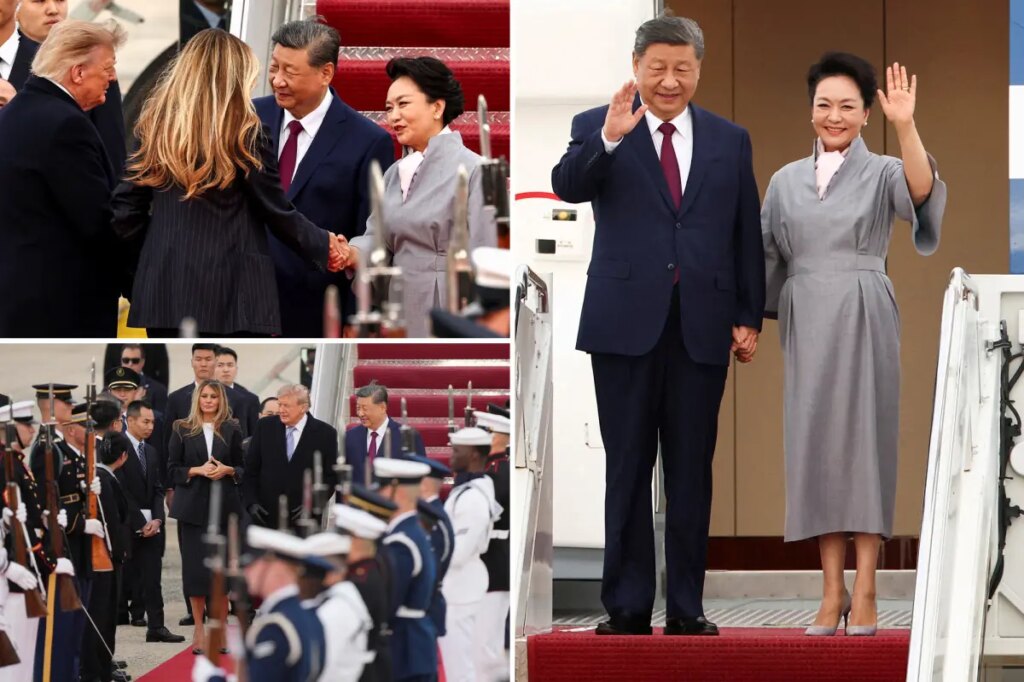
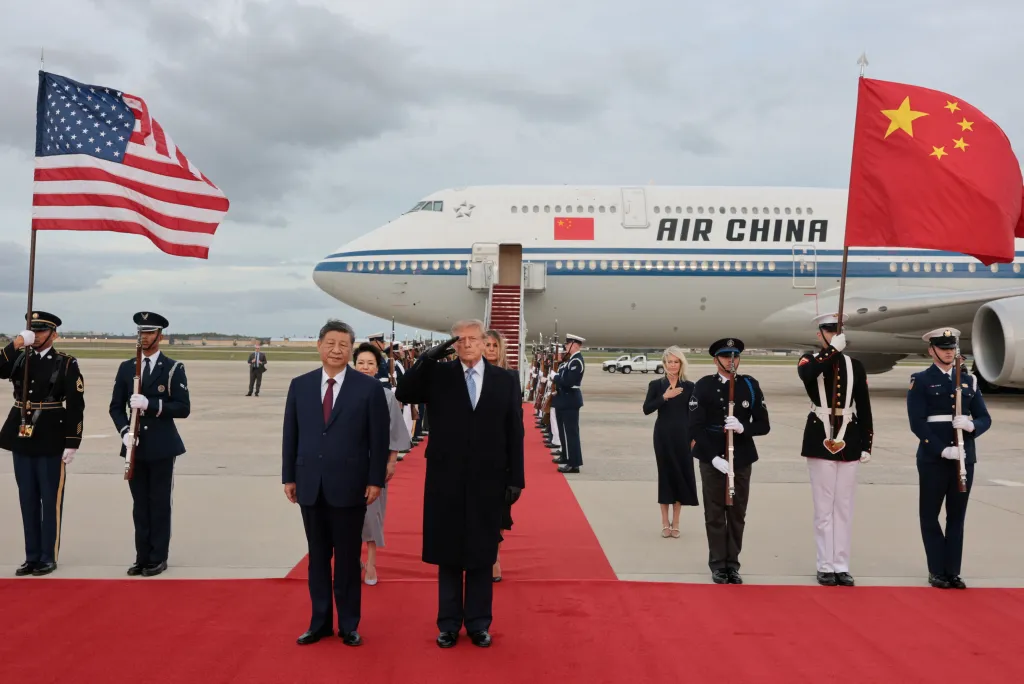
Trump, joined by first lady Melania Trump, made the unusual decision to greet Xi at Joint Base Andrews — a gesture not made by Xi when Trump visited Beijing in May.
The last time an American president greeted a world leader at JBA was in 1962 when John F. Kennedy met British Prime Minister Harold Macmillan.
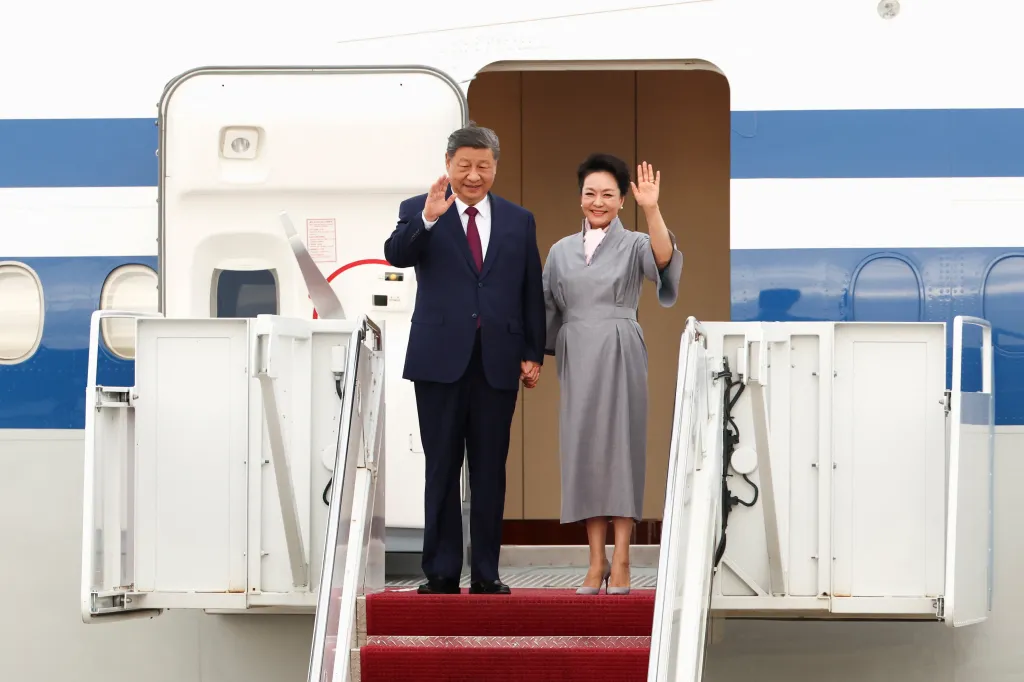
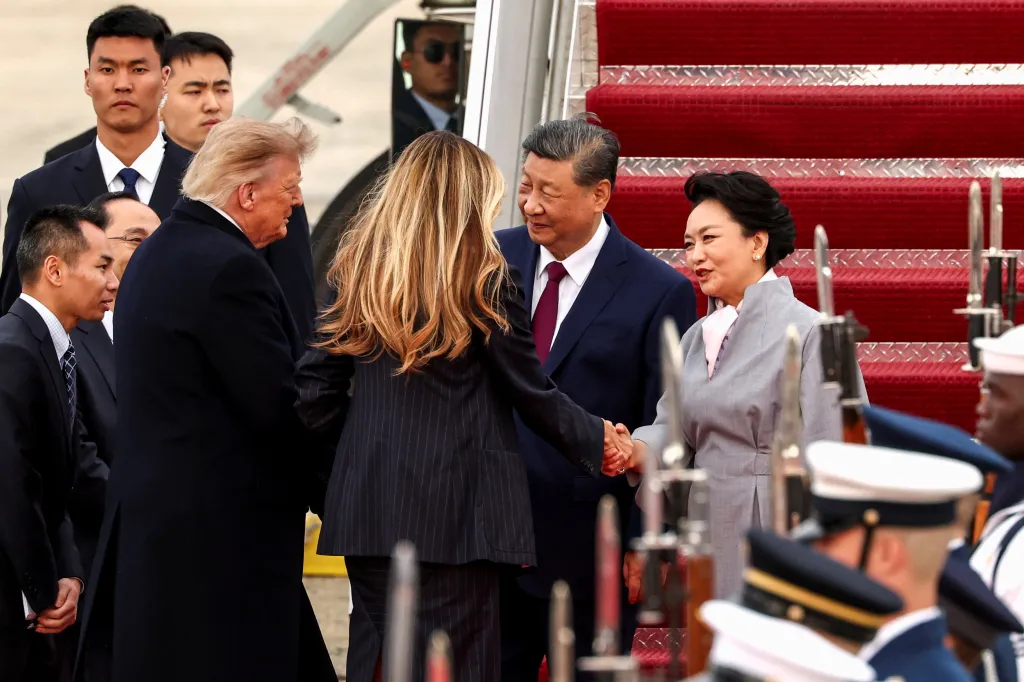
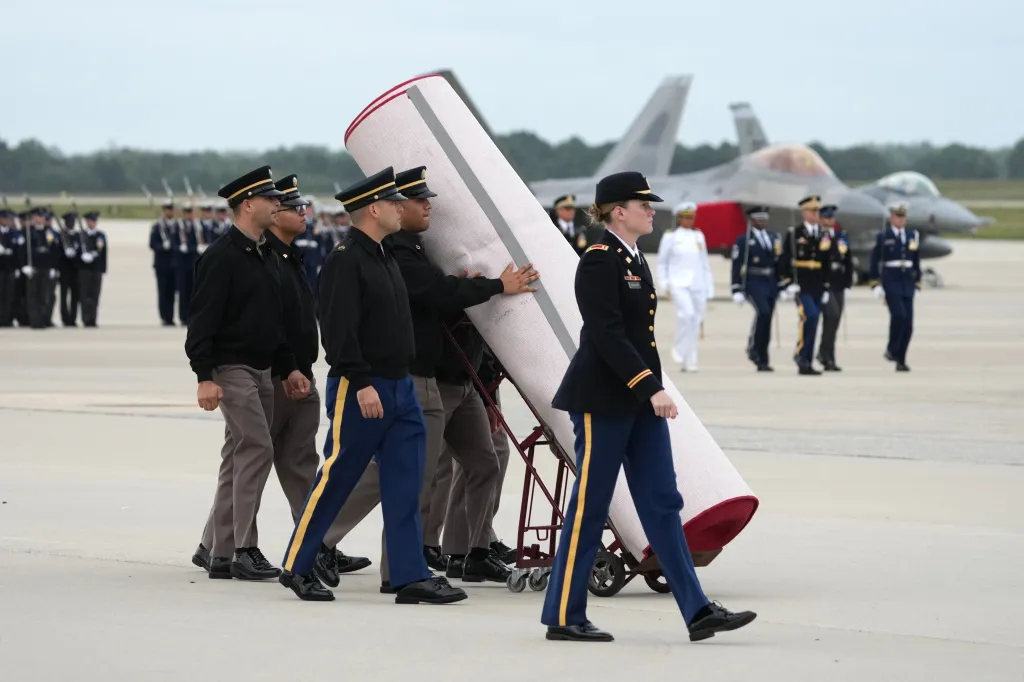
Trump stood at the bottom of the steps to Xi’s plane and shook his hand before escorting him down a red carpet — with a B-1 Lancer bomber making a flyover as the American national anthem played.
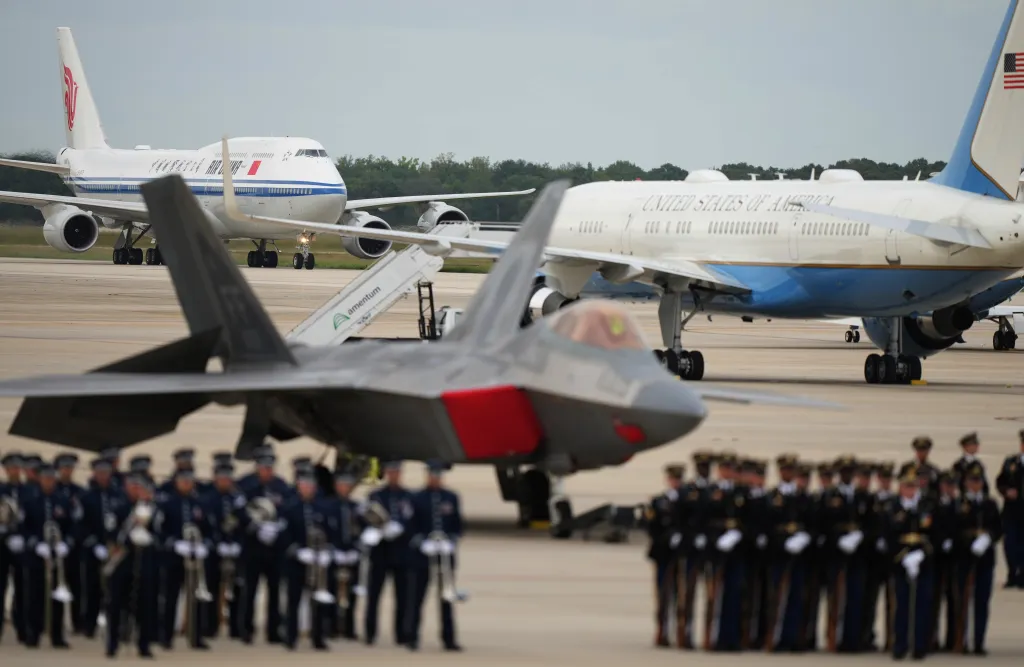
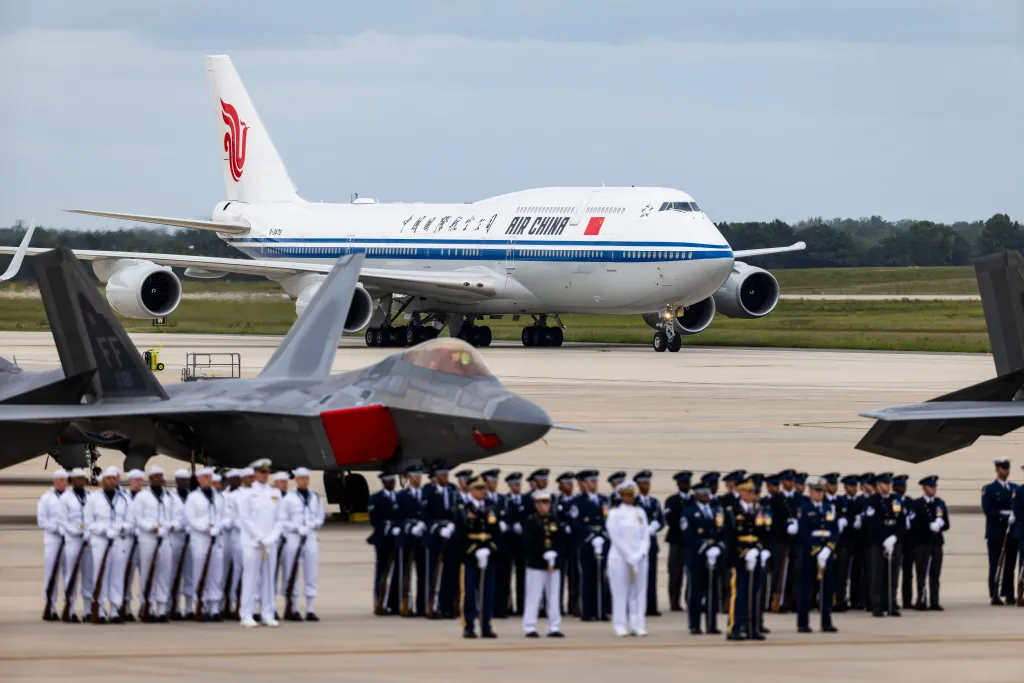
Six F-16s and six F-22s were lined up on the tarmac, showcasing US military might.
Trump told reporters as he returned to the White House that it was “a great greeting, and I think they appreciate it — tremendous people.”
Treasury Secretary Scott Bessent, meanwhile, appeared on Fox News to announce that the US and China agreed not to escalate tariffs until at least 2027.
“We will extend what we call the ‘Busan Agreement,’ the economic detente between the two countries that was scheduled to end on Nov. 10 — that is going to be extended until Jan. 10,” Bessent said.
“There are some deliverables that have not been perfect on the Chinese side, so we also want to see, now that we’ve sat down and told them our expectations.”
Bessent noted that Xi’s Washington trip marks the second time high-level US and Chinese officials have met in-person this year, the first being Trump’s Beijing summit with Xi in May. By the end of 2026, the Treasury secretary expects “a historic four meetings” to have taken place between US and Chinese delegations. “And many of the things that were begun in Beijing” could be accomplished before the end of the year, Bessent teased, including a possible reduction in tariffs on $30 billion worth of non-critical goods “on both sides.” “We’re going to see probably some announcements of maybe financial services, [agricultural] purchases,” Bessent said of what to expect by the end of the current summit. “So, you know, there is quite a bit going on here.” “What we want to ensure is that they are meeting their obligations,” he added. “The Chinese have been very good thus far about meeting their obligations this year. They have agreed to buy … 25 million tons of soybeans. And they’ve been very fulsome in those.” However, the Chinese have “about $17 billion of other [agricultural] commitments that we think they’re a little behind schedule on,” Bessent explained, “and we are encouraging them to pick those up.”
Xi’s visit is expected to touch on a wide range of tensions in the US-China relationship, including tariffs, fentanyl exports, artificial intelligence and Beijing’s role in conflicts ranging from Iran to Ukraine.
Trump has repeatedly said he believes a strong personal relationship between the leaders can notch benefits for the American people, though it’s unclear what concrete agreements may come.
Xi will be treated to a state dinner at the White House on Thursday — with the US leader likely to show off his recent renovations, including a new granite helipad with the presidential seal and an enormous ballroom with concrete walls now protruding from the site of the former East Wing.
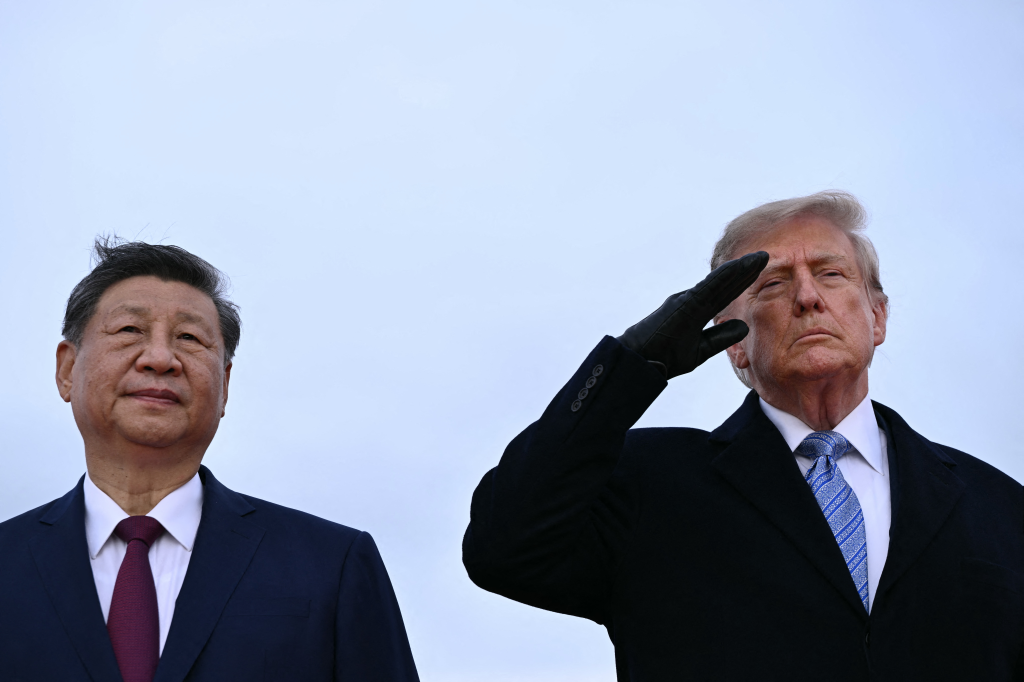
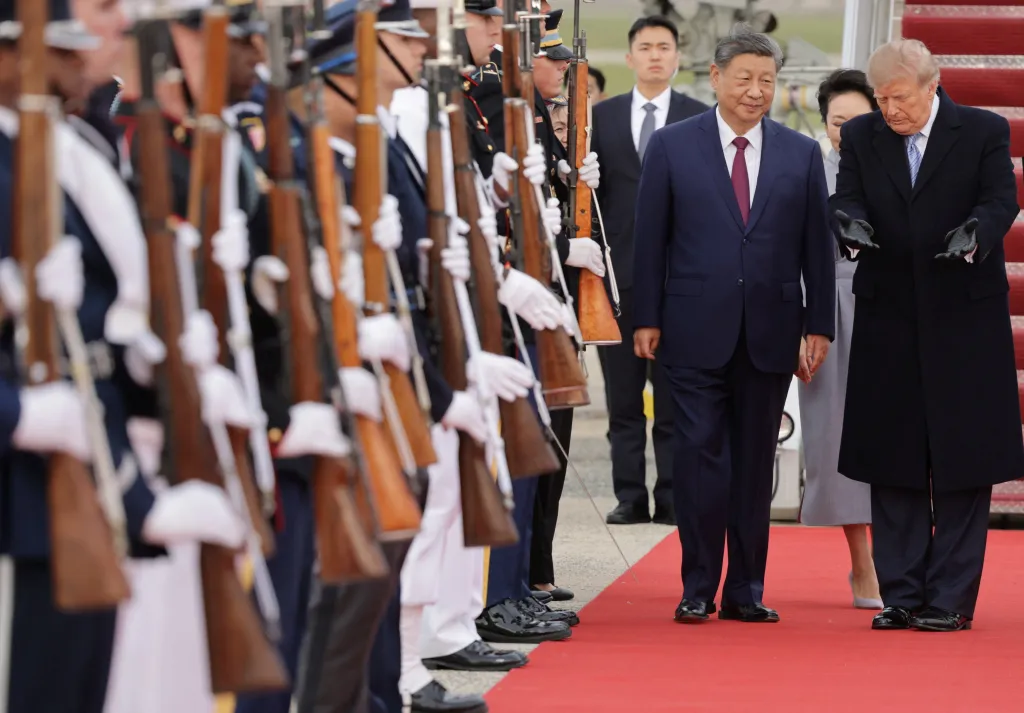
The relationship between Trump and Xi has had ups and downs, featuring warm in-person greetings but souring during the COVID-19 pandemic in 2020 and during last year’s US-China trade war.
Trump, seeking to force a new trade deal that rebalances the US trade deficit and to punish China’s export of illicit fentanyl, ramped up tariffs on China last year, and Xi retaliated in kind.
The trade clash saw US tariffs on Chinese goods near 150% — before a cooling off following a meeting last October meeting between Trump and Xi in South Korea, where Xi agreed to do more to quash fentanyl exports that killed about 488,000 Americans over the past decade, peaking in 2022 and 2023.
China threatened during the tit-for-tat ramp-up to impose restrictions on rare earth materials, and the US stopped advanced chip sales that Beijing could use to give it a key boost in the artificial intelligence race.
A senior US official told reporters ahead of Xi’s visit that the Trump administration is dissatisfied with Xi’s actions to reduce fentanyl smuggling.
“It does not appear that China has elevated this issue,” the official said. “China is the overwhelming, predominant supplier of precursor chemicals to the cartels in Mexico and remains so. And they have done a number of anecdotal things, including a few arrests recently, but we’d like to see much more systemic change.”
Fentanyl deaths — which Trump cited in his initial wave of tariffs last year — have dipped in the US, but remain elevated and factors such as the availability of test strips and overdose antidotes and improved border detection may have eased the impact. Still, about 35,000 Americans died in the past year.
Trump’s personal warmth with Xi has in the past been coupled with shows of American strength — with the president often recounting a 2017 visit by Xi to Mar-a-Lago. The men were enjoying dessert as Trump revealed that the US had just conducted airstrikes on Syria.
“We had the most beautiful piece of chocolate cake that you’ve ever seen, and President Xi was enjoying it,” Trump remembered afterward. “He was eating his cake. And he was silent.”
Additional reporting by Victor Nava
The post Trump greets China’s Xi at airport in historic move — as nations agree to trade truce to kick off high-stakes DC visit appeared first on New York Post.