In July 2025, I wrote about how a former Google and Facebook marketing executive wanted to help people wean themselves off phone addiction and the siren song of modern tech. He created the Methaphone, a clear, phone-shaped sheet of acrylic you can reach for and tap to your heart’s content instead of tapping an actual phone to get bombarded with the dopamine hits you’re looking for.
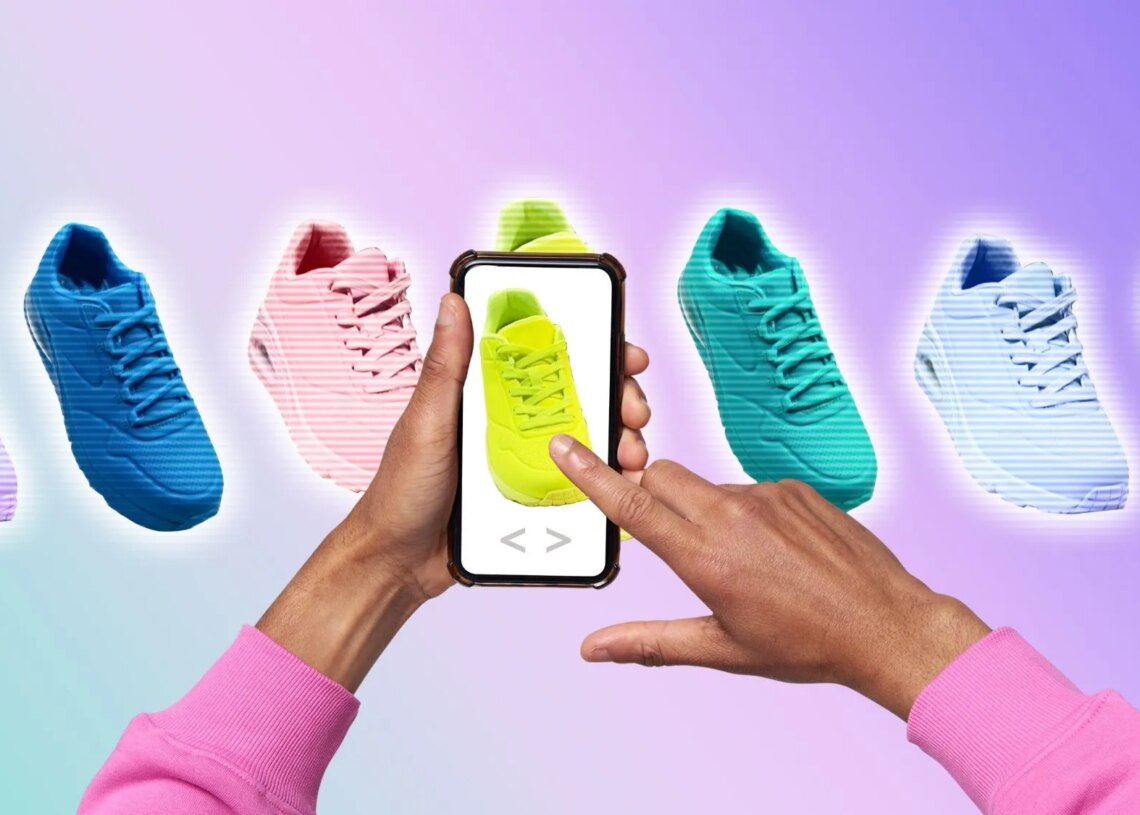
Last week, the New York Times presented a different twist on the same idea: dopamine sites, or websites equipped with all the bells and whistles of modern dopamine-delivering internet interaction, except they don’t actually do anything.
Want to buy something online? FakeHaul.com lets you experience the thrilling ritual of buying a thing that doesn’t exist. You’ve got perfectly good sandwich-making materials in your kitchen, but if you reflexively reach for UberEats, FoodNeverArrives.com lets you order a meal that will never show up, while allowing you to bask in the satisfaction of having gone through the motions.
When I clicked through it, I waited two minutes for my fictional ramen to be delivered. As soon as the time expired, I got a “call” from my “delivery driver” (courtesy of the generic male text-to-speech voice you’ve probably heard a thousand times in recent years) who apologized for not being able to find my address.
He then apologized because the food he was “delivering” also wasn’t real, because none of this was real. He said goodbye and hung up.
‘Dopamine Sites’ Are the Weird New Internet Trend That Lets You Shop Without Buying Anything
The concept began in South Korea and has spread quickly. The culture of consumption has been so deeply ingrained in us over the past 10 years or so that pretending to consume things is now a wildly popular form of consumption.
The psychological idea behind it is that sometimes, for some people, the anticipation of expecting something is what we’re really chasing, and not so much the thing itself, which anyone who has received a package for something they should not have spent money on opens only to find that it did not spark the joy they were hoping it would.
We live in a culture of addiction, which is why, speaking to The New York Times, addiction psychiatrist Dr. Anna Lembke of Stanford University likens the trend to “digital near beer.” Many millions of us seem to agree that this world has been built to prey on our worst instincts, and instead of some authority figure doing something about it through regulation and legislation, for now, the rest of us have to fend for ourselves.
We’re relying on fun but ultimately concerning websites and clear sheets of acrylic to break us out of our corporately mandated addictions.
The post The Internet Has Invented Fake Online Shopping, and There’s a Wild Reason Why People Love It appeared first on VICE.