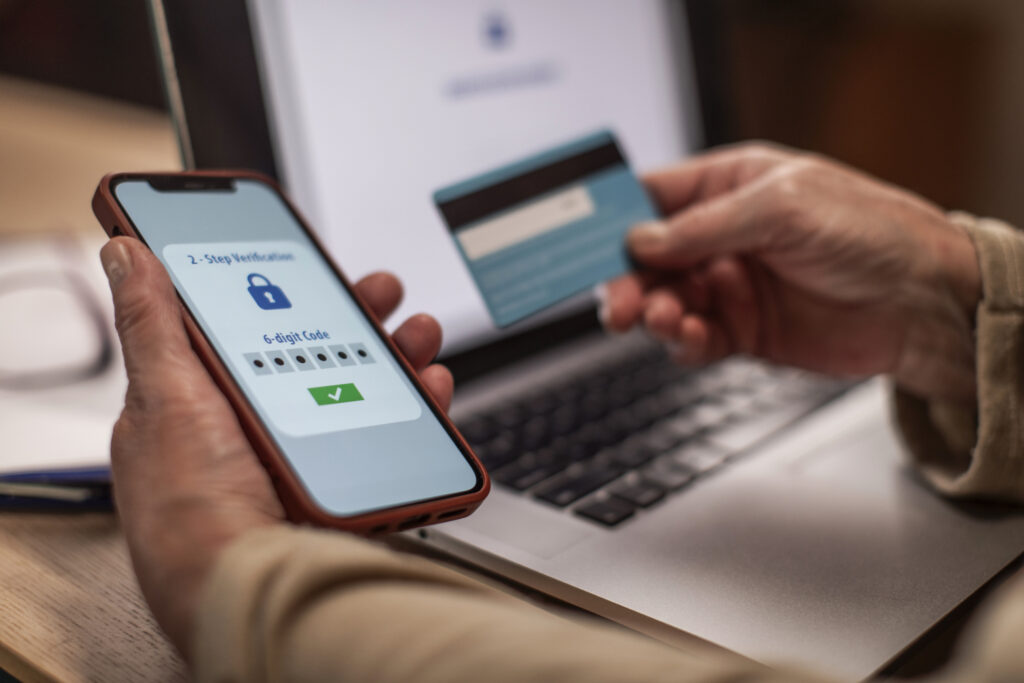
The world is full of con artists who relentlessly seek to steal your money. And now they’re using AI to create convincing fake websites, emails, texts, audio and video for their scams.
Fraud losses reported to the Federal Trade Commission hit a record $15.9 billion in 2025, up 27 percent from the previous year. The FTC’s Consumer Sentinel Network Data Book 2025 reports that investment scams, romance scams, crypto scams and impostor scams are driving much of the increase.
Based on nonprofit Washington Consumers’ Checkbook’s decades of consumer reporting and talking with thousands of scam victims, we’ve put together 11 strategies to reduce your chances of becoming a victim of fraud.
Be skeptical
Question everything: Telemarketing calls, mail solicitations, email offers, unknown websites, social media posts and all advertisements. Con artists can make their scams look and sound legitimate by using phony claims, bogus testimonials and forged seals of approval. With most rip-offs and scams, the warning signs are there, but you need to watch for them.
Trust your gut. According to a survey by the Better Business Bureau, most people who were targeted by a scammer, but didn’t take the bait, said it didn’t feel right, so they ended the engagement.
Don’t click on links in email or text messages
Thieves often “phish” for your login credentials by sending you an email, text, instant message or online pop-up that looks like it comes from your financial institution, credit card company, package-delivery service or other trusted business. Click on one and you’ll land on a bogus website that looks legit, where you will be asked to log in to your account or provide payment info. Obey and you’ve let the thieves in.
Always access your online accounts by typing the legitimate URL into the browser’s address bar, or by using the official app for that company or financial institution.
Open and read your postal mail
Financial institutions and government agencies will send important notices via the U.S. Postal Service. If someone is attempting to drain your retirement account, you’ll likely get a letter about it, as well as email or text-message alerts, if you’ve signed up for those. If your personal information has been compromised in a data breach, you’ll learn about it in a letter mailed to you. Open and read your mail, even if you think it might be junk.
Use a credit card for online and mail-order purchases
A credit card gives you better fraud protection than a debit card. Under the federal Fair Credit Billing Act, if you pay with a credit card and there’s a problem after the sale, you can dispute the charge with the credit card company. It must then remove that charge from your bill while investigating (you can dispute charges even after you’ve paid the bill). That’s not the way things work with debit cards; the money has already been withdrawn from your account, and resolving the dispute could take weeks.
Don’t pay via crypto, payment apps, gift cards, or wire transfers
These types of payments are instant and irreversible, which is why scammers prefer them. Government agencies and legitimate businesses accept credit and debit cards; they don’t insist on payment via gift cards, payment apps, crypto or wire transfers.
Guard your private information
Armed with your bank account number and login information, a con artist can drain your savings. Phone bandits often pose as bank employees who say they need your Social Security number or PIN to resolve a problem with your account. Or they’ll ask you to provide them with the code you receive from your bank via text or email. Don’t do it! Your Social Security number is especially dangerous in the wrong hands.
Don’t trust caller ID
Caller ID can easily be spoofed to display any name and number the caller wants and has become a tool for deception. By spoofing a number, the criminal caller can make you think they’re with your bank or credit card company, the local police department, or a government agency. It’s a way to get your guard down.
If the number isn’t familiar, let the call go to voicemail. Scammers will often hang up. By listening to the message at your convenience, it’s easier to determine whether the call is legit and warrants a callback. If you answer the phone and the call seems suspicious, hang up. The longer a con artist can engage you on the phone, the more likely you are to do what they want.
Don’t be fooled by ‘free trial’ offers and money-back guarantees
No-risk offers are designed to encourage you to make a purchase without thoroughly evaluating the product or service. With most “free trial” offers, you need to provide a credit or debit card number to cover shipping, which often ends up costing more than the product is worth. Bad actors will use that payment information to automatically enroll you in an ongoing subscription, without your permission, which can be difficult to stop.
And a money-back guarantee is only as good as the company that offers it. Sometimes, rules are so restrictive that it’s impossible to get a refund. We’ve seen cases where merely opening a box voids the offer. Even if you’re allowed to return the product, you may be required to pay the shipping costs.
Don’t pay to enter a contest or claim a prize
It’s illegal to require a payment or purchase to enter a sweepstakes. That’s why legitimate contests include a “no purchase necessary” option. And don’t pay to claim a prize you supposedly won — especially from a contest you didn’t enter. Never give your credit card, debit card, or checking account routing number to pay a processing, shipping or handling fee, or taxes owed.
Get everything in writing
Verbal promises don’t count. If a salesperson swears that a fitness center will add a pool next year, have that added to your gym contract before you sign. If a car dealership promises oil changes for life, have them write it up and sign it. In fact, most contracts specifically state that verbal promises are not binding. So read, understand, and agree to the terms before you sign.
Take your time
Don’t let anyone rush you into buying something. Anyone offering a real bargain doesn’t need to use high-pressure sales tactics.
Fraudsters know which buttons to push to get you off balance, exploit your emotions, and scare you into responding quickly without thinking. Before you do anything: Slow down, avoid going into panic mode, and check it out. Talk to a friend or family member, get advice from AARP Fraud Watch Network Helpline at 877-908-3360 (you don’t have to be an AARP member to use this service), or contact your local Better Business Bureau.
Herb Weisbaum is a contributing editor at Washington Consumers’ Checkbook and Checkbook.org, a nonprofit organization with a mission to help consumers get the best service and lowest prices. It is supported by consumers and takes no money from the service providers it evaluates. Until Oct. 25, Washington Post readers can access all of Checkbook’s advice and ratings free of charge at Checkbook.org/WashingtonPost/save.
The post 11 ways to protect yourself from fraud and scammers appeared first on Washington Post.