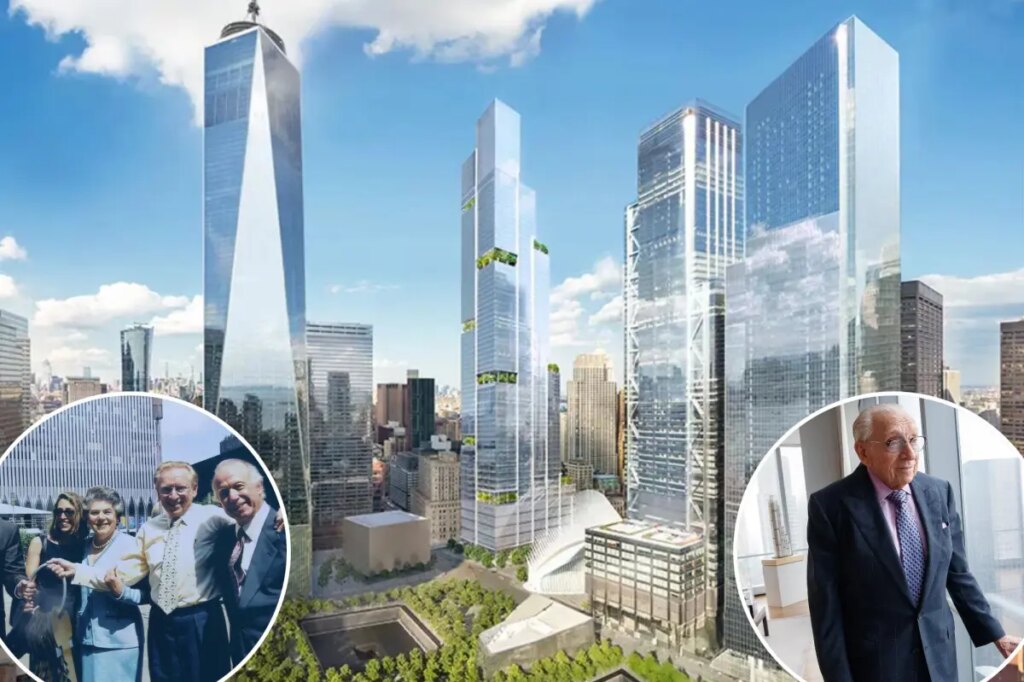
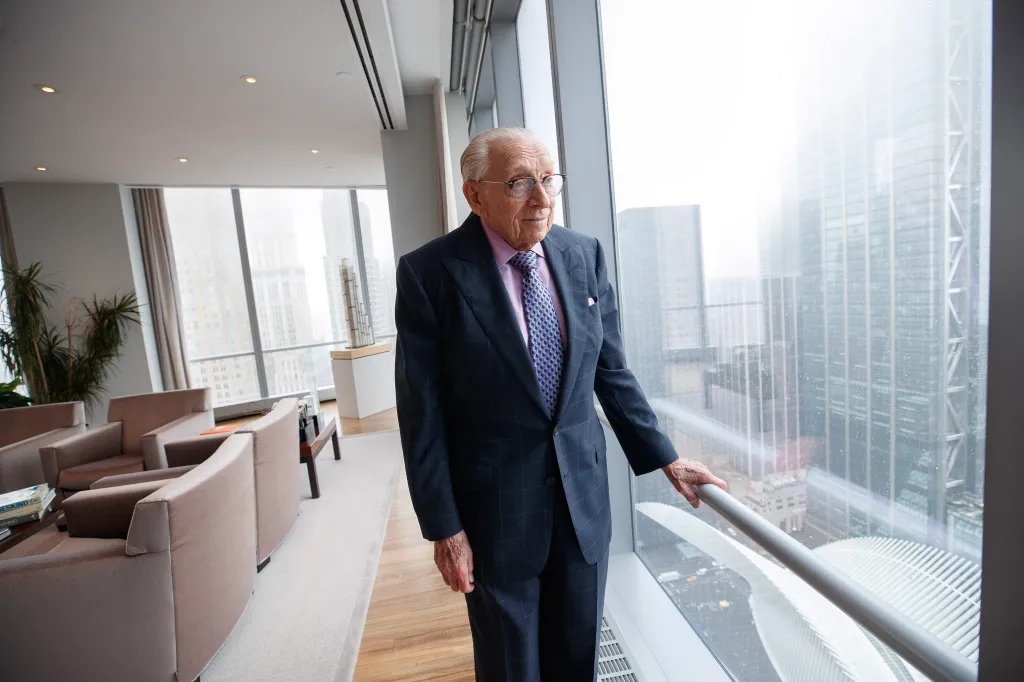
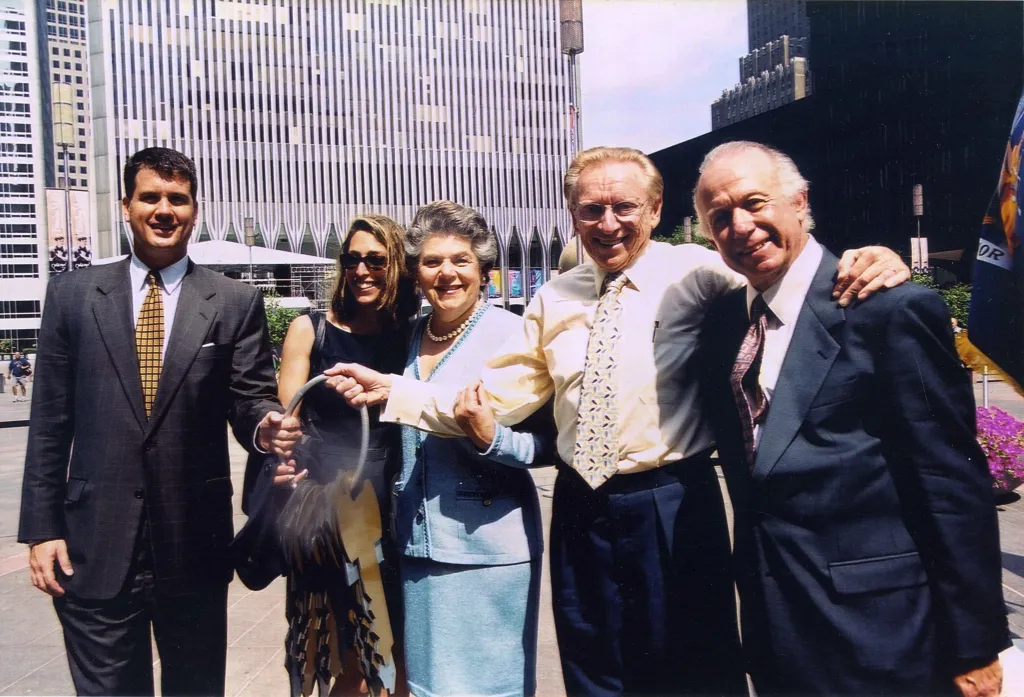
Larry Silverstein was 70 years old when he took title to the Twin Towers, posing for photos with a giant set of cardboard keys. He figured he had finally arrived — and he could start thinking about retirement. Seven weeks later, on Sept. 11, 2001, his optimistic site became one of tragedy.
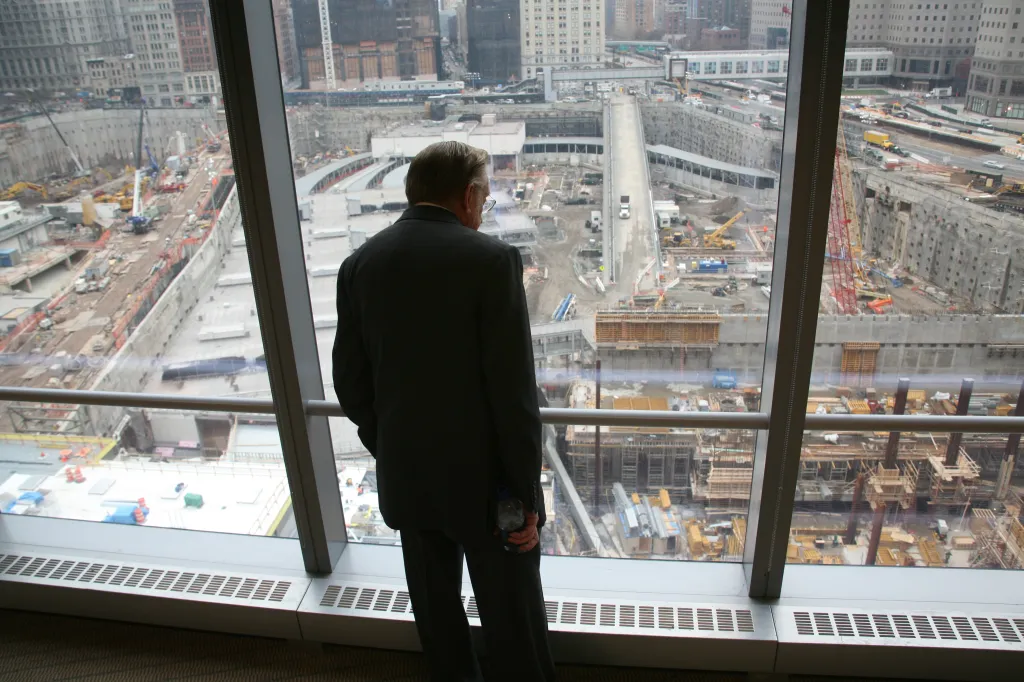
Now 95, Silverstein still goes to his office every day at 7 World Trade Center, the first tower his company rebuilt, and watches the final piece of his 25-year project rise a few blocks away.
“New York has always been a city that refuses to walk away from a challenge,” Silverstein told The Post. “After 9/11, I made a promise to New Yorkers that we would rebuild the World Trade Center, commemorate those we lost [and] restore commerce to Lower Manhattan.”
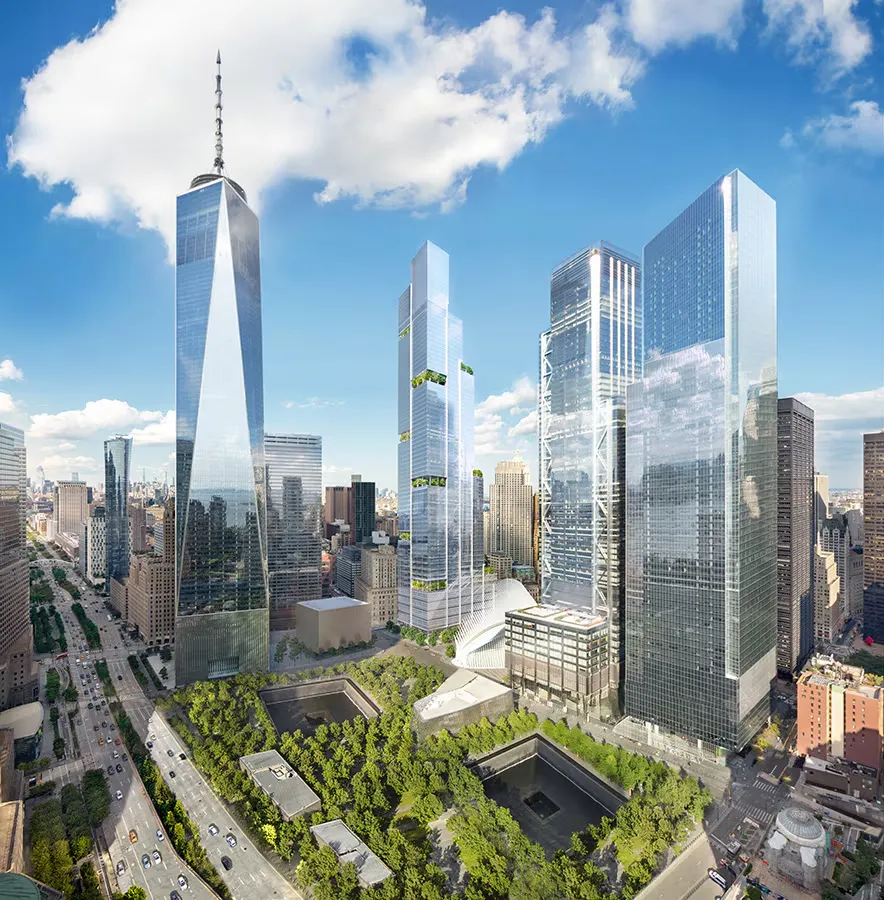
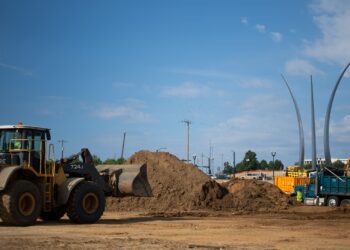
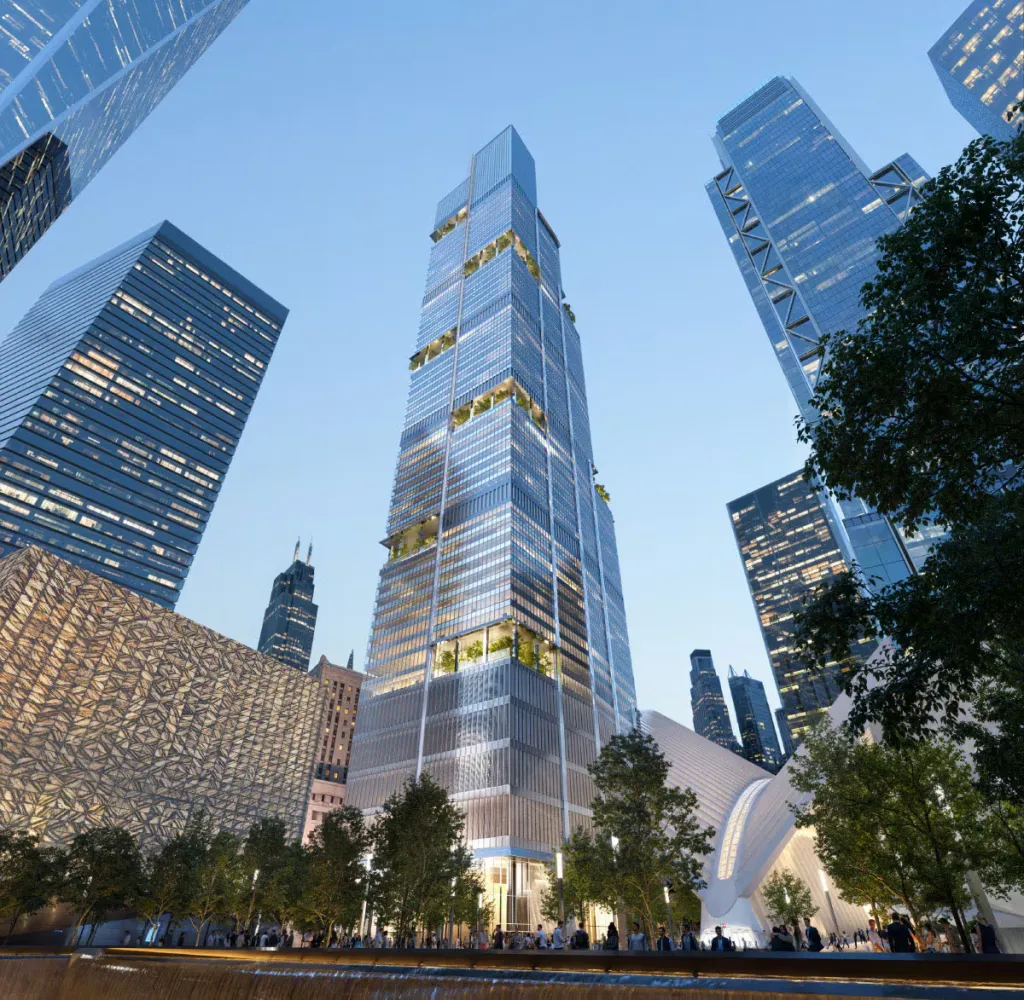
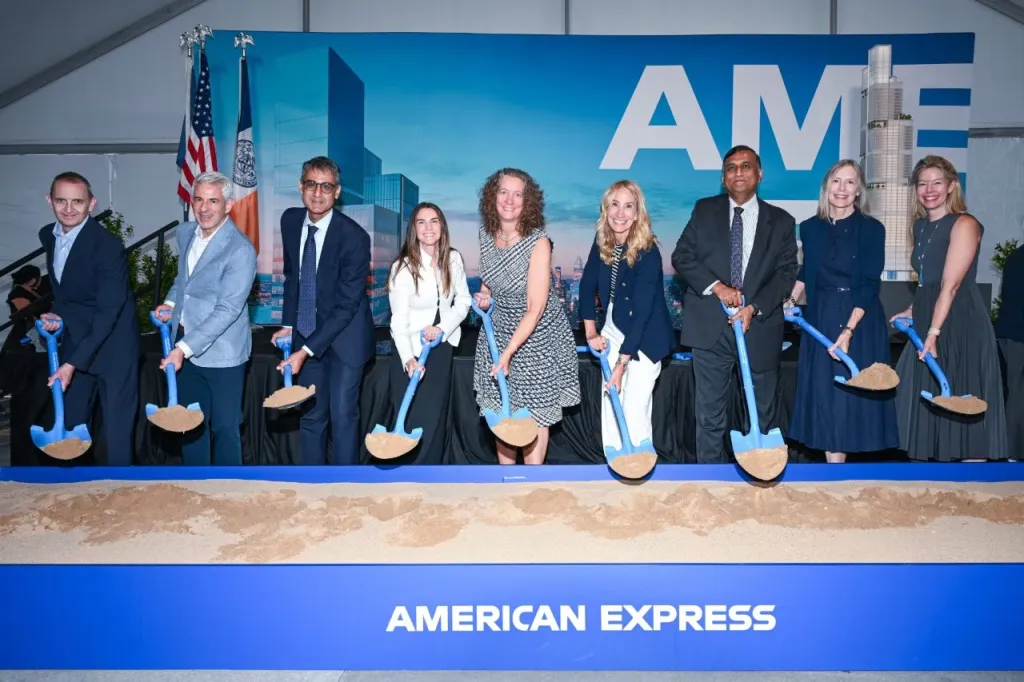
Ground broke in Julyon 2 World Trade Center, a 55-story, nearly 2-million-square-foot tower at 200 Greenwich Street that will become American Express’s new global headquarters.
It is the last commercial office building called for in the original master plan; when it opens in 2031, every site on the 16-acre campus will be finished or under construction, according to the Port Authority of New York and New Jersey, which owns the land.
“Every one of these other buildings kind of had to be built first,” Dara McQuillan, chief marketing and communications officer for Silverstein Properties, told The Post, explaining why 2WTC is only now going vertical.
Money was the first obstacle. Silverstein bought the lease on the Twin Towers for $3.2 billion in 2001, then spent five years fighting more than 20 insurance companies over payouts, a fight that only ended after then-Gov. Eliot Spitzer threatened to bar insurers from doing business in New York if they didn’t pay up.
That money, plus federal Liberty Bonds, went first into 7 World Trade Center, One World Trade Center and 3 and 4 World Trade Center — necessary steps to prove the site could attract tenants, before anyone would finance another speculative tower. Bureaucracy compounded the delay. The land belongs to the Port Authority, controlled by the governors of New York and New Jersey, and, at one point, 19 government agencies had oversight over the project, McQuillan said.
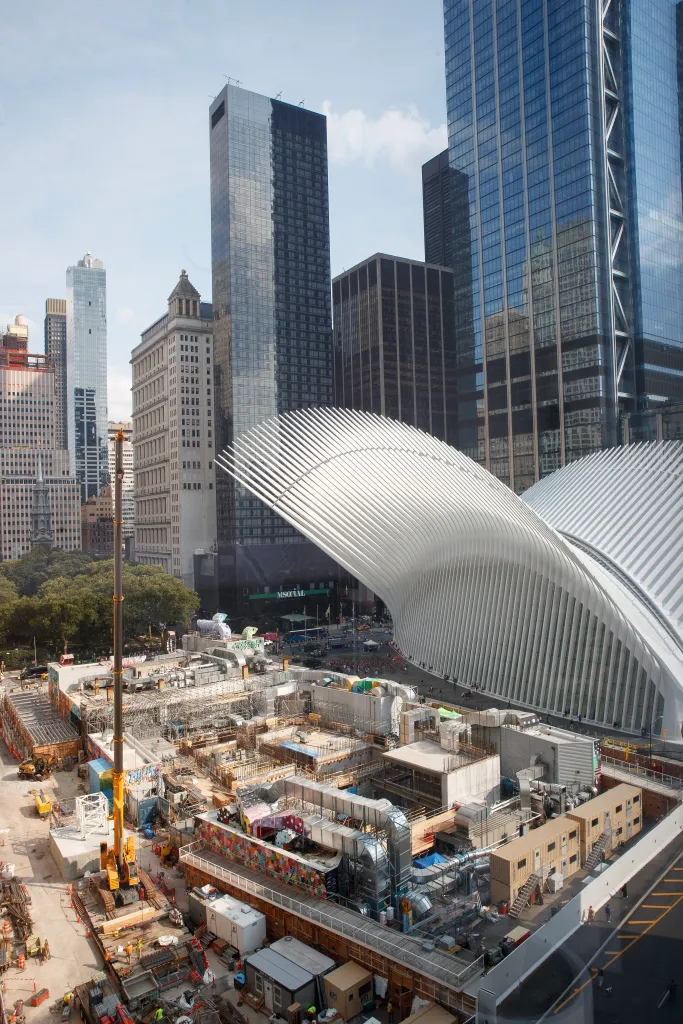
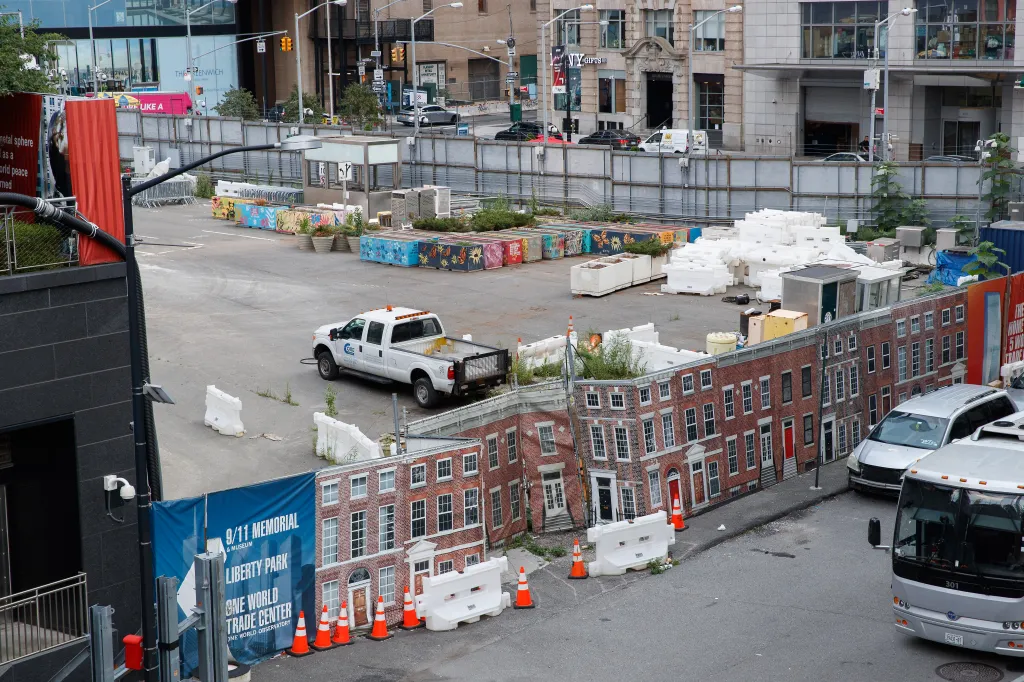
The turning point came only this year, when American Express agreed to serve as anchor tenant for the entire building, giving Silverstein the guarantee it needed to secure financing. The excavation and foundation work for 2WTC was actually finished back in 2013, tied to construction of the Oculus transit hub, so this summer’s groundbreaking involved no new digging.
American Express will not just anchor the new tower, it will own the whole thing outright — making it the only building at the World Trade Center Silverstein will not lease out. For AmEx, the move is a homecoming of sorts. The company has been headquartered across the street, at 200 Vesey, for nearly 40 years, and traces its Lower Manhattan roots back nearly two centuries.
“We witnessed firsthand the tragedy of September 11 and mourned the loss of 11 cherished colleagues,” Denise Pickett, President of Enterprise Shared Services at American Express, said at the July groundbreaking. “When many questioned what the future would hold, American Express chose to stay. [With the tower] we reaffirm that choice, and our confidence in the future of this remarkable neighborhood, by building here once again.”
The tower will hold up to 10,000 employees across 55 office floors, more space than the company occupies today, though a spokesperson said the extra room reflects more space per employee rather than a hiring surge. Its signature feature is an acre-plus of outdoor terraces and gardens woven through the building.
Interior plans, including restaurants, are still being worked out. The next milestone is topping out, expected around 2029.
Each tower was shaped by the same instruction, drawn up in architect Daniel Libeskind’s 2003 master plan for the eight acres of memorial site and eight acres of office towers.
“Every building faces the 9-11 Memorial,” McQuillan said. “That’s where the office lobbies are.”
The louder, more commercial parts of each building — retail, restaurants, signage — are pushed to the side streets.
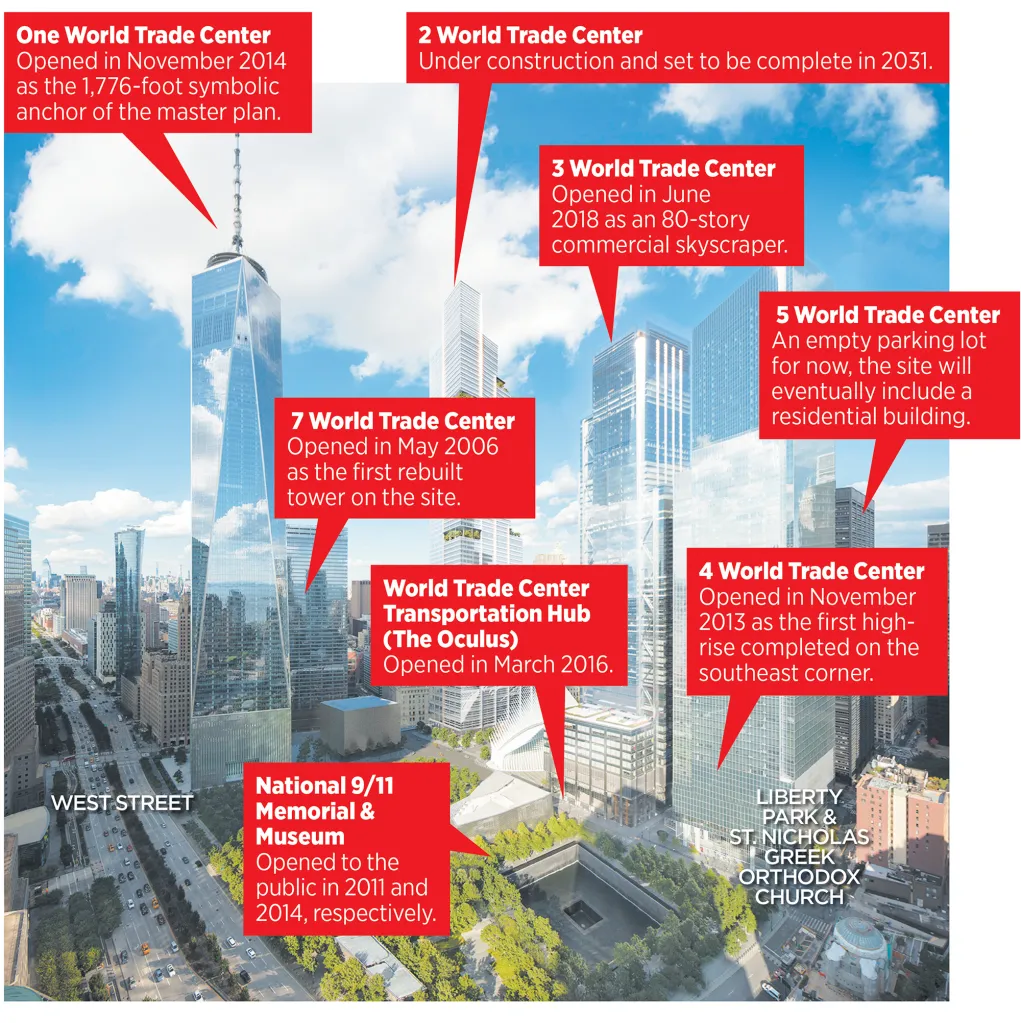
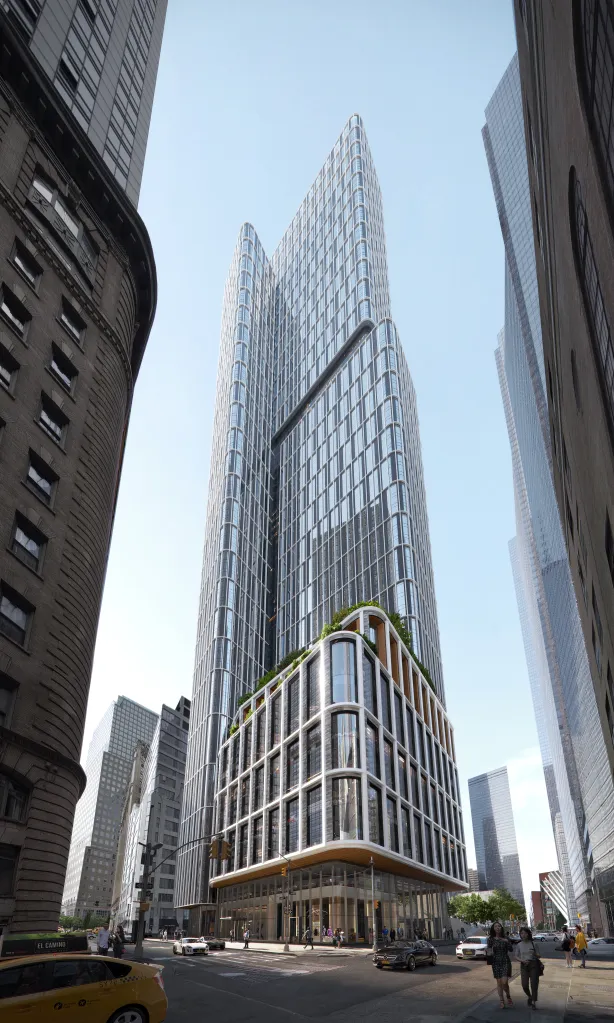
Individual architects have layered in their own gestures. At 4 World Trade Center, the glass was chosen because it seems to vanish at certain times of day. At 2WTC, architect Norman Foster built the tribute into the outdoor gardens themselves.
The broader campus is now 97% leased, McQuillan said, with just a handful of floors left. Most are stacked at the top of 3 World Trade Center, where a temporary exhibit tells the rebuilding story through photographs, models and news clippings, including decades of coverage from The Post.
The last open question is 5 World Trade Center, envisioned as a roughly 1,200-unit residential tower on a parking lot that once held the Deutsche Bank building, which was badly damaged on 9/11 and dismantled piece by piece — a process so difficult two firefighters lost their lives during the deconstruction.
Financing has stalled amid rising construction costs, with Port Authority officials telling a Manhattan Community Board earlier this year that certain costs have jumped as much as 50%, a spike one official tied partly to instability in the Middle East.
“The Port Authority remains fully committed to delivering a world class tower at Site 5, including the goal of one third of the units being affordable,” the agency told The Post.
McQuillan said Silverstein is working with the Port Authority to figure out a path forward, but there is no firm timeline yet.
Twenty-five years after the towers fell, and with a single office tower left to complete the vision drawn up in the chaos of 2003, McQuillan, who has spent more than two decades telling this story for Silverstein — the man who insisted on rebuilding — put it simply.
“There’s an enormous amount of pride in not just working at the World Trade Center, but completing the final office building here is of major significance,” he said. “Nearly everyone has a personal connection to this place one way or another.”
The post 25 years after 9/11, the World Trade Center’s last tower finally rises appeared first on New York Post.