In January, the Russian Army passed an unwanted milestone: It has been fighting in Ukraine longer than Stalin’s Red Army fought Hitler’s Wehrmacht.
When Russia’s full-scale invasion began in February 2022, few expected Ukraine to be able to hold on for long. Ukraine has done more than hold on. In the fifth year of the war, it has slowed Russian advances to a glacial pace and backed President Vladimir Putin into a corner — unable to win the war or to find a way out of it.
But Ukraine now faces a problem with no quick solution. Its air defenses, in particular Patriot missile interceptors, are dwindling, and Mr. Putin is planning to make the most of it. After more than 50 months of this war, the next few could be decisive.
By many measures, the momentum has been with Ukraine in 2026. Russia has eked out small gains on the front line at a high price. It is estimated to be enduring a casualty rate of around 30,000 a month, and its use of foreign fighters and its offers of hefty sums to induce former soldiers to sign up for renewed service, suggests that it is finding it increasingly difficult to replenish the numbers. Some months, Ukraine has clawed back territory.
With the front largely frozen, the fight has shifted to the air. There, too, Ukraine has been holding its own. Ukrainian drone strikes on Russia’s overland supply route to Crimea and oil refineries deep inside Russia have necessitated fuel rationing. And strikes on Russia’s Black Sea and Sea of Azov ports meant Russian grain exports in August were the lowest in 10 years.
Russians now are less insulated from the war and public support is wavering. Even Russian military bloggers — typically reliably in favor of Mr. Putin’s “special military operation” in Ukraine — have been grumbling. This spring, Yuri Podolyaka, a prominent Ukrainian-born and vehemently pro-Russian blogger with more than two million followers on Telegram, praised the Ukrainian Army for its seriousness. “They learn very quickly, by the way,” he said on his channel, “much faster than we do.”
None of this, however, means Russia has lost the war yet. Mr. Putin appears to be adamant that he will pay whatever price — human or financial — necessary to win. For months, this might have been understood as a failure to accept the reality on the ground. But as Ukraine’s stock of missile interceptors runs out, he has reasons for optimism.
The war in Iran has reduced global stocks of Patriot interceptor missiles — the U.S. inventory has been diminished by some 65 percent, and in July the United States paused some weapons transfers to Ukraine. That same month, President Trump raised, then dashed, hopes that he would clear the way for Ukraine to produce the Patriot system under license. Some European governments have transferred some of their Patriots to Ukraine, but others are — so far —holding on to their supply. For the moment, Ukraine is left with mostly idle Patriot batteries and few reasons to be confident that more interceptors are arriving soon.
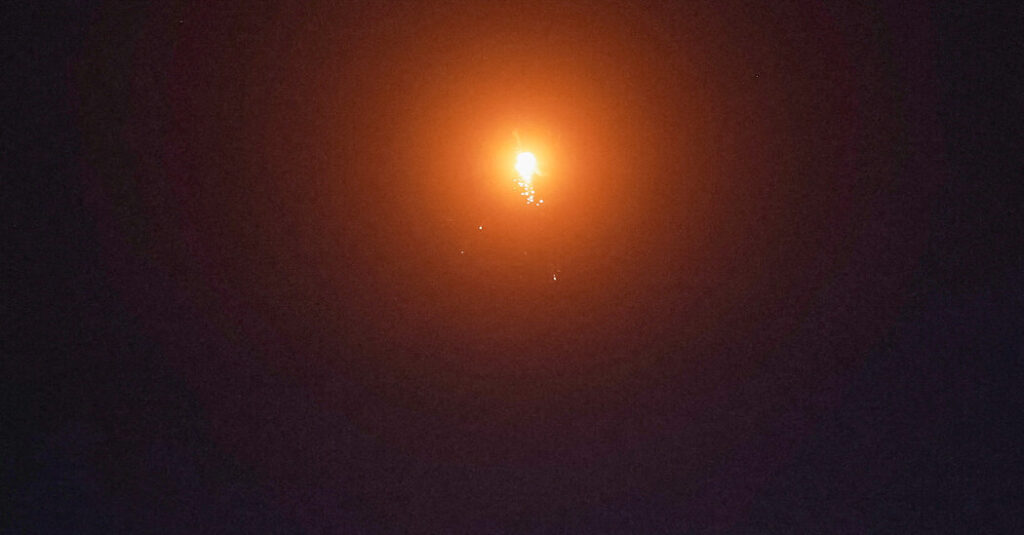
Russia, knowing how depleted Ukraine’s defenses are, has ramped up production and has already significantly escalated its airstrikes. In July, U.N. investigators said that civilian and child casualties in Ukraine were at the highest levels since the start of the war. Russia has also been using new weapons (including jet-powered drones and upgraded missiles), targeting new sites and gearing up for “massive strikes” on Ukraine’s energy grid heading into winter.
Last winter, Russia’s drones and missiles wreaked havoc on Ukraine’s power generation system, disrupting light, heat and water for millions of people during the coldest temperatures in more than a decade.
This winter will almost certainly be worse. Russia has refined its tactics, with strikes on power generation facilities that inflict maximum damage on the grid and are complicated to repair.
The aim is to leave Ukraine’s civilian population without heat and to break morale, in the hope that President Volodymyr Zelensky will sue for peace on Russia’s terms. Mr. Putin may also calculate that as civilian deaths and damage to Ukrainian cities mount, Ukraine’s allies will press Mr. Zelensky to seek a deal, especially as Kyiv’s pleas for billions of additional dollars continue.
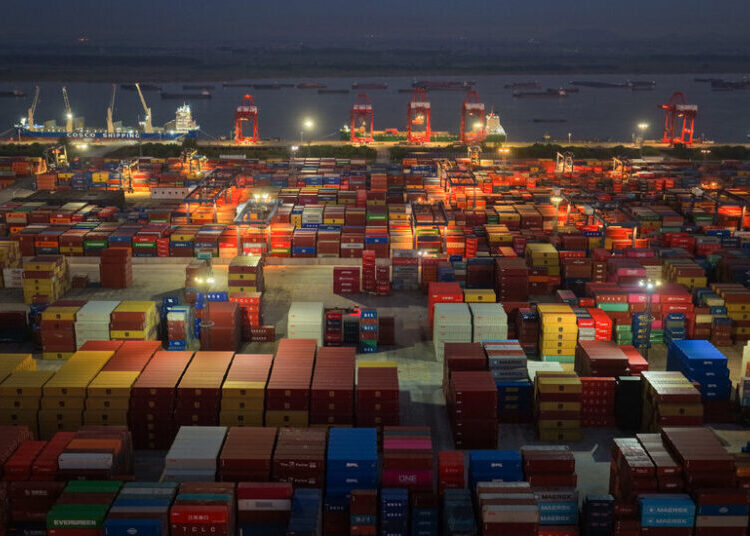
Mr. Putin is also ratcheting up economic pressure on Ukraine, attacking its Black Sea ports, necessitating a turn to bypass routes to export grain. That pain has been compounded by Russian strikes on Ukraine’s transport network, energy infrastructure and steel plants.
War weariness isn’t hard to find in Ukraine, but it hasn’t led to a loss of faith in the army or a surge in public support for sacrificing land to secure peace. An August poll revealed that 60 percent of Ukrainians are opposed to territorial concessions in the Donbas region in exchange for peace, though about the same proportion is open to freezing the front lines as part of a settlement that ends the war, provided that Ukraine receives Western security guarantees. Many Ukrainians will tell you that, no matter the deal, Mr. Putin will use it to catch his breath before resuming the fight.
Mr. Putin’s relentless drone and missile campaign will test Ukrainian endurance, though it won’t necessarily accelerate the Russian Army’s momentum on the ground. If Ukraine can make it through this winter, Mr. Putin will have exhausted yet another avenue of escalation, and, as Russians increasingly experience the economic strains of the war, he will be left with few, if any, good choices.
Mr. Putin has consistently underestimated Ukraine. He may be doing so again. Either way, the next few months may prove among the most consequential of this war.
Rajan Menon is professor emeritus of international relations at the City College of New York and a member of the Society of Senior Scholars at Columbia University.
The Times is committed to publishing a diversity of letters to the editor. We’d like to hear what you think about this or any of our articles. Here are some tips. And here’s our email: [email protected].
Follow the New York Times Opinion section on Facebook, Instagram, TikTok, Bluesky, WhatsApp and Threads.
The post Is Russia Losing the War in Ukraine? No. appeared first on New York Times.