They started to appear around the city shortly after Sept. 11, with somber entreaties to “remember” or “never forget.” In a city of swaggering street art, the murals, commemorating rescue workers who died at the World Trade Center, were something different: reflective, static, calling for silence rather than adding to the urban noise.
Public grief had not yet migrated onto digital platforms, and the murals provided physical spaces for New Yorkers to connect in their pain or loss.
Some were simple, idealized portraits. Others threw in patriotic elements, like American flags or eagles, addressing the incomprehensible through the most easily grasped symbols. In all, 343 members of the Fire Department, 23 police officers and 84 employees of the Port Authority of New York and New Jersey lost their lives that day.
Never forget? In 2001, with the downtown skyline still looking like an open wound, how could anyone imagine the city would fail to remember?
Joseph Indart painted his first 9/11 mural, with a flag theme, a week after the attack, and he has continued to paint more and restore those that are decaying. Now 61, he has painted around 100, he said, though many are completely gone. When people look at the murals, he said, “I want them to feel that we were very vulnerable, but yet we were strong.” Even more than that, as the nation has become more divided, he said, “I want to people to remember that we can be unified as a country, because in those days everybody had the American flag. Everybody united.”
Two decades after the attack, the photographer Allan Molho began to revisit as many of the murals as he could find, to see what happened to those promises to remember.
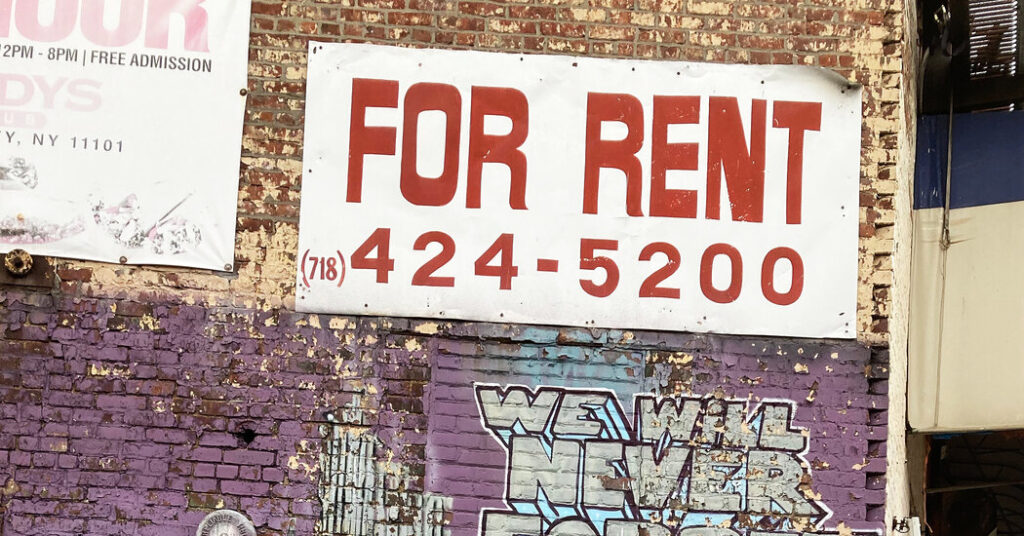
A few murals had been restored. But most showed various degrees of wear, neglect or the common form of urban invisibility, becoming generic spaces for graffiti writers to tag.
“It was as if we want to remember, but we also want to forget,” Mr. Molho said. “In a way, I’m disappointed. But that feeling you had the first few weeks after 9/11, when a plane flies over your head and your heart starts beating and you get really frightened — you can’t live like that for 25 years.” Maybe, he said, the impulse to move along was an essential coping mechanism. Even now, he said, “Does anyone remember how horrible the spring of 2020 was because of Covid? It’s like it never happened.”
But if the memorial murals have lost some of their impact, the lethality of the attack has endured. In the 25 years since, more firefighters and police officers have died of 9/11-related illnesses than were killed in the buildings’ collapse. Mr. Indart said his most recent mural, featuring a two-story-tall Statue of Liberty, commemorated this continued loss of life. “It’s the biggest one,” he said.
The post See What New York City’s Murals Tell Us About 9/11, 25 Years Later appeared first on New York Times.