The horrific deaths of Lindsay Clancy’s children have divided parents across the country.
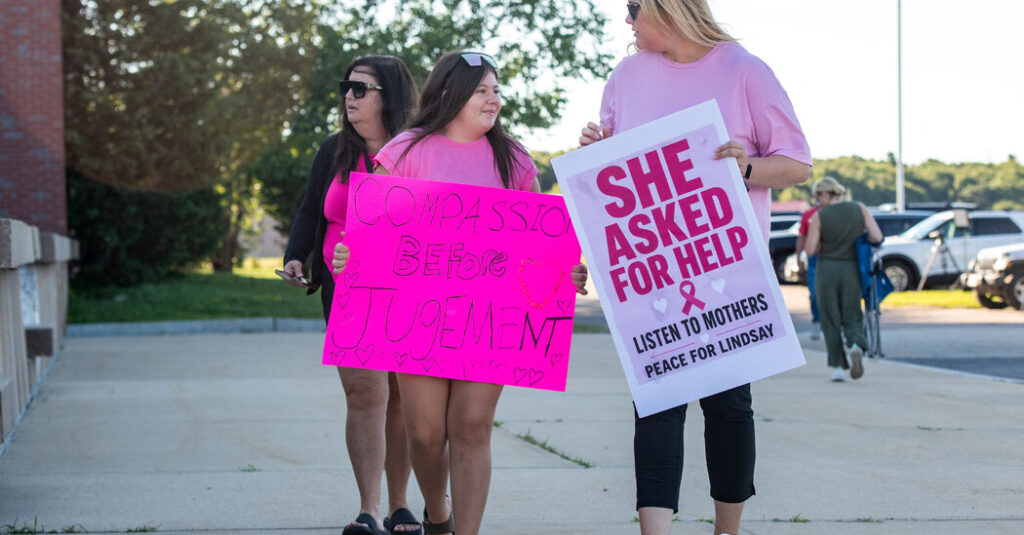
Some are avoiding news coverage. Others were outraged and called for her conviction. Still more watched with compassion, recognizing their own struggles with postpartum depression.
“We can understand parts of her story and really relate to how she must have been feeling in some of those moments,” said Lexi Masur, 35, who has three children under 4. “We have all of the support in the world when we’re pregnant. But as soon as you have the baby, you’re left on your own and almost shushed if there’s an issue — it can be explained away as a postpartum symptom.”
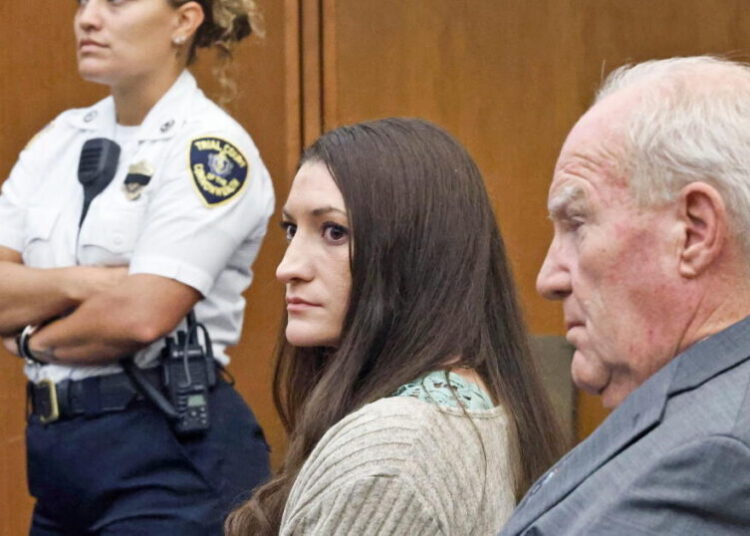
Ms. Clancy’s lawyers argued that she suffered from postpartum psychosis when she killed her three children at the family’s home in Duxbury, Mass., and that care from her doctors was inconsistent. Prosecutors painted Ms. Clancy as “calculated” and said she planned out the killings while her husband, Patrick Clancy, was running an errand.
Traditional medical guidelines define the end of postpartum, and the care that comes with it, at 6-weeks. But for many women, recovery can take months and even years. Now, Ms. Clancy’s trial has jump-started a dialogue about the kind of support women receive after having a child.
Rachel Gullatte, 34, was six-months pregnant when she lost her son in 2018. It took her three years to recover from postpartum depression, and a move from Detroit to Seattle, where she works in family reunification services with foster care.
“I’ve lost myself, I’m not the woman I just was, and I don’t have a baby with me,” she remembered thinking. She felt that no one understood the way she was feeling, and didn’t want to burden others with talking about it. She eventually found a therapist who helped her through it.
But Ms. Gullatte said supporters of Ms. Clancy are trying to relate to her in a way “that’s not relatable” because she killed her children.
“I’ve never seen anything like this where people rallied behind a person who had killed her children,” she said. “I really fell like people have lost sight of the children and that’s what upsets me.”
Vanessa Leveille, 41, remembers being early postpartum and having a range of “scary thoughts,” from “what if I fall down the stairs with this baby to wanting to smash him against the wall.”
Even as a therapist with a focus in postpartum care, “I didn’t know it would look and feel and sound like this,” she said.
“I would never want to hurt my child, so I said to myself, let me share this with someone out loud,” she said, adding, “I remember feeling like I got dropped off a cliff.”
The trial has prompted Ms. Leveille and other friends of hers with children to talk more openly about their postnatal experience. It turned out everyone else was feeling the same way, too.
“Even 5 years out, I’m still adjusting,” she said.
Ms. Leveille, whose son is turning 5 next week, said the Clancy trial is prime example of a “broken” health care system. “She should have gotten the services and support she needed, and there should have been different safety measures.”
Still, Ms. Clancy “did what she did,” Ms. Leveille said, “there has to be consequences for the actions we take.”
The post ‘We Can Understand Parts of Her Story’: Moms React to Clancy’s Experience appeared first on New York Times.