In 2005, two years before the iPhone came out, I was standing in a coffee line on my morning commute, watching everyone ahead of me go through the motions: order, wait, pay, wait some more. I thought there had to be a faster, better way to get my coffee. So I built one: the first text-message order for restaurants, years before smartphones made “ordering ahead” a category.
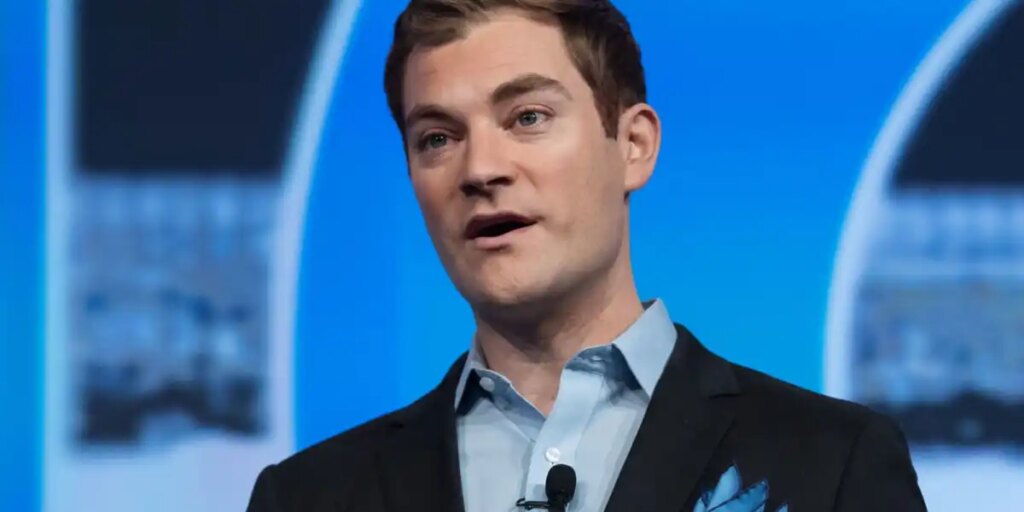
Over 20 years later, I’m the founder and CEO of Olo, the restaurant commerce platform behind 800-plus restaurant brands across 90,000-plus locations, including Shake Shack, Waffle House, Cracker Barrel, Five Guys, and Panda Express. I’ve spent two decades watching the restaurant industry innovate and iterate the ordering experience, and I’m confident now is the time for a completely new direction.
Here’s the problem restaurants and their guests have lived with since digital ordering went mainstream: they’ve only ever had two choices, and both come with a catch.
The first choice is third-party marketplaces, broadly known by consumers as delivery apps. When COVID hit and digital ordering became a necessity overnight, these platforms were the fastest way for restaurants to keep serving guests. And they worked. But the commissions these platforms charge, up to 30% per order, didn’t disappear after the pandemic. Today, 82% of brands are marking up menu prices on these platforms just to offset the fees, and more than half of those markups run 20% to 30%. That’s a tough ask for guests already stretched by rising costs, and a worse deal for restaurants: every order placed on a marketplace belongs to a guest the restaurant has to pay to reach again because it never owned that guest’s data in the first place. I call that a rented guest. Rent keeps the lights on, but it doesn’t build equity.
The second choice is first-party ordering, a restaurant’s own app or website. It solves the ownership problem, but it creates a scale problem. Acquiring a new guest this way can cost a restaurant up to $100, and even guests who download the app rarely open it again. Ask yourself how many restaurant apps you actually keep on your phone. Most people don’t, and they revert to the marketplace instead.
For 20 years, that’s been the whole menu: rent your reach from a third party or build ownership alone as a first party. But I don’t think the choice has to be binary anymore. What sits between first and third? Second.
In other industries, second party already means something real: brands sharing infrastructure so they can serve customers better without giving up what’s theirs, the way Shopify’s Shop App works across thousands of independent retailers. Restaurants don’t have an equivalent yet, and they need one urgently. The next era of ordering will be defined by this equivalent, allowing guests – and their AI assistants – the ability to order from a centralized location from the brands they choose to follow, with personalized offers, saved checkout data, and no markups or ads stretching their wallets or distracting from what they really want.
A second-party network changes the economics for everyone. For restaurants, it means marketplace-level reach without the commission and without giving up the guest relationship. For guests, it means a seamless experience that finally feels like the restaurant knows them. I follow a vegan diet, and today, ordering from a new brand for the first time usually means getting the same generic promotions as everyone else, with the occasional steakhouse special included. It’s a small reminder the brand has no idea who I am. In a network where preferences travel with the guest, that changes immediately. The brand can skip the beef and start with something relevant just for me on day one.
I built the first text order because I was tired of waiting in a line that didn’t need to exist. Twenty years later, restaurants are stuck in a different kind of line, choosing between two models with their own unique drawbacks because no one built the third option yet. The brands willing to build it together, starting now, will be the ones still standing in the next era of ordering.
The opinions expressed in Fortune.com commentary pieces are solely the views of their authors and do not necessarily reflect the opinions and beliefs of Fortune.
The post I invented the text-message restaurant order in 2005. Twenty years later, I know what comes next appeared first on Fortune.