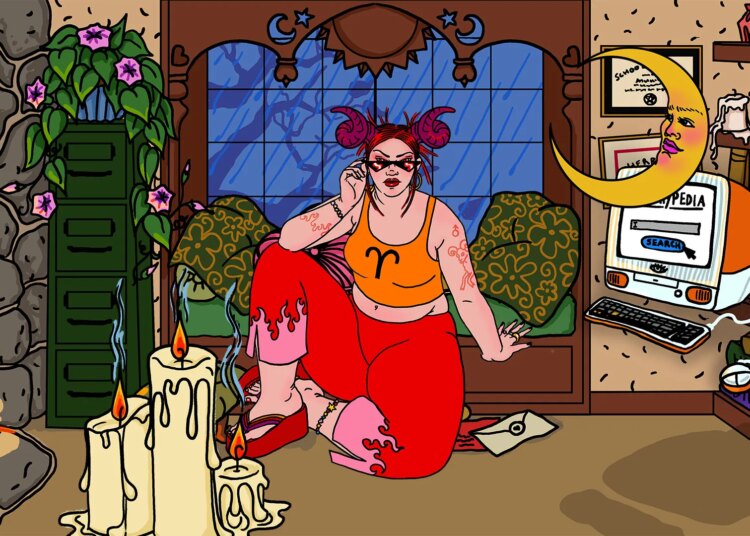
A broken heart creates a strange kind of heavy hangover. Everything looks the same but feels slightly rearranged. Your playlists betray you. Your apartment feels booby-trapped. Even brushing your teeth feels like a scene from someone else’s life. No one preps you for this kind of freefall, so you’re stuck learning as you go.
The emotional whiplash makes sense. Psychology Today notes that heartbreak isn’t a single loss. It’s the collapse of the relationship, the friendship inside it, the imagined life you built around it, and the version of yourself you knew inside that structure. Therapist Kenneth J. Doka describes this period as a “transition,” which lines up with William Bridges’ idea that transitions feel confusing because they drop you between identities. That middle zone creates the sadness, the fog, the self-doubt, and all the other symptoms people mistake for personal failure.
Here are five ways to move through it without losing yourself in the wreckage.

What Psychology Says Actually Helps Heal a Broken Heart
1. Give the transition room to breathe
Bridges argued that the limbo between endings and beginnings feels disorienting by design. Psychology Today points out that people often stay tangled in that confusion even after the breakup is “over” because the mind needs time to reorganize. Let the in-between exist. Rushing it only stretches it.
2. Treat pain as part of the reboot
Clinical psychologist Guy Winch told NPR, “Rejection piggybacks on physical pain pathways.” That punch in the chest isn’t melodrama. It’s biology. Pain doesn’t mean something is wrong with you. It means your system is updating.
3. Pull your strengths back into the picture
Therapist Cynthia Handley writes that people forget their own capabilities during transitions, even though those abilities carried them through every messy chapter that came before. Ask how you handled earlier upheavals. You didn’t imagine that resilience. It’s yours.

4. Revisit the memories that prove you know how to survive things
Handley references psychoanalyst Christopher Bollas, who called this the “unthought known,” the stash of lived experience you rarely access. Those forgotten moments of competence and comfort matter more than anything your current brain is telling you.
5. Accept that you’re changing, not disappearing
Handley notes that after major transitions, people feel different but still recognizably themselves. Heartbreak doesn’t erase your identity. It expands the edges.
A broken heart can make the world feel narrowed to a single point, but that point is temporary. You’re in the messy middle of becoming someone you haven’t met yet, and that’s a story worth staying awake for.
The post 5 Ways to Heal a Broken Heart, According to Psychology appeared first on VICE.