SINGAPORE — Thailand carried out airstrikes against Cambodia amid a resurgence of violence on their shared border that threatens to derail a six-week-old peace agreement that President Donald Trump has claimed credit for.
The Royal Thai Air Force used fighter jets in an operation at the border Monday morning, according to statements from both militaries. Each side has blamed the other for instigating the attack and breaking the terms of a peace agreement that was signed in October. Initial reports suggest at least five people have died, including civilians.
“Cambodia had mobilized heavy weaponry, repositioned combat units and prepared fire support elements,” which warranted the use of Thai air power, said Air Marshal Jackkrit Thammavichai, a spokesman for the Royal Thai Air Force. At least one Thai soldier was killed and seven others injured by Cambodian artillery, the Thai military said.
Thailand, which has the more powerful military, is a U.S. defense treaty ally.
The spokeswoman for Cambodia’s Ministry of National Defense, Lt. Gen. Maly Socheata, said that Thailand’s air attack came after “numerous provocative actions for many days” and that Cambodia did not retaliate.
Thailand used planes to attack Cambodian forces stationed in the province of Preah Vihear, before deploying tanks against temples in the province, she said.
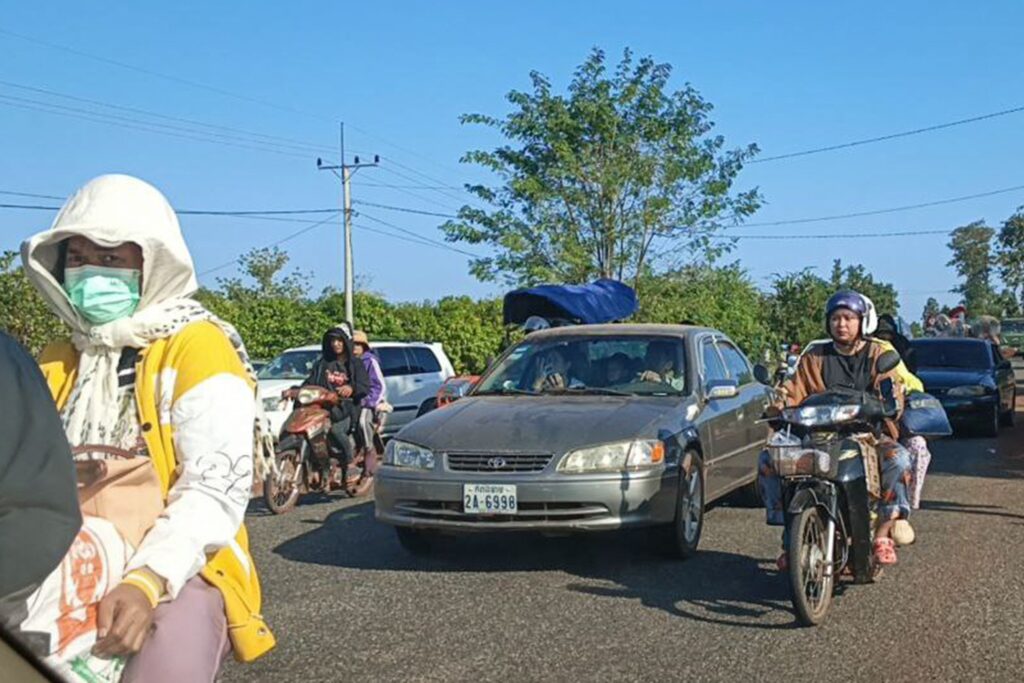
Several civilians were injured, she added, and many more were forced to evacuate their homes. Later on Monday, Cambodia’s information minister, Neth Pheaktra, said four civilians had been killed.
Following a meeting with his national security council, Thai Prime Minister Anutin Charnvirakul said Thailand was prepared to launch “all necessary military operations” to defend itself against Cambodia.
“From now on, there will be no negotiations of any kind. If the fighting is to stop, Cambodia must follow the course of action set by Thailand,” he said.
The two Southeast Asian neighbors have been embroiled this year in their worst border dispute in decades. Following pressure from Trump, who threatened to stop tariff negotiations with both parties, the two countries entered a ceasefire that was formalized with the signing of a peace agreement in Malaysia in October.
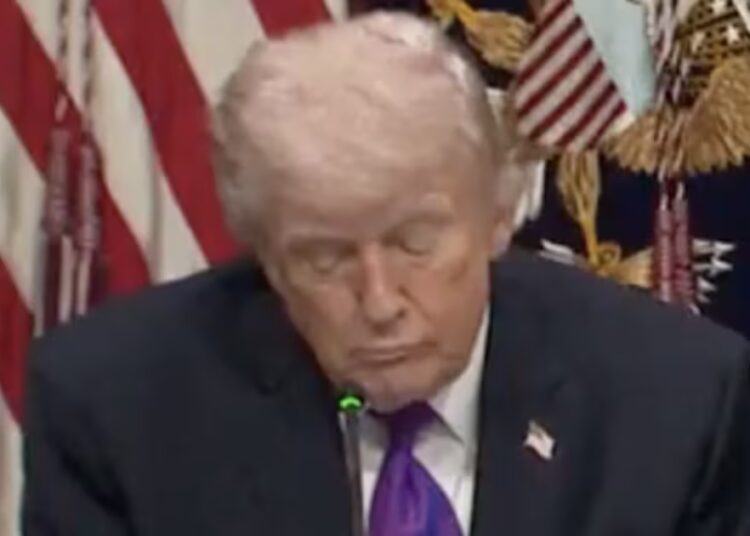
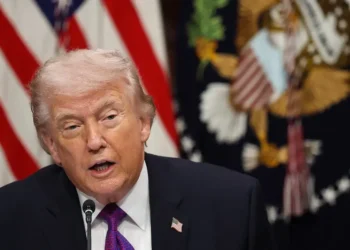
“We did something that a lot of people said couldn’t be done,” said Trump, who presided over the signing of the agreement in Kuala Lumpur with the prime minister of Malaysia, which serves as the current chair of the Association of Southeast Asian Nations.
Trump has sought to pitch himself as a peacemaker and said the Thai-Cambodia dispute was among eight conflicts his administration has resolved this year.
“It’s like, I shouldn’t say it’s a hobby, because it’s so much more serious, but something I’m good at and something I love to do,” Trump said at the signing ceremony.
But just weeks after Trump left the region, clashes returned to the border. In early November, four Thai soldiers patrolling the region were injured by a land mine that Thailand says was laid by Cambodian forces. Cambodia has denied that it is responsible for the land mines.
“The renewed fighting risks unraveling the careful work that has gone into stabilizing relations between the two neighbors,” Malaysia’s prime minister, Anwar Ibrahim, said Monday. “We urge both sides to exercise maximum restraint.”
The State Department did not immediately respond to inquiries.
The post Trump peace deal falters as Thailand and Cambodia resume border clashes appeared first on Washington Post.