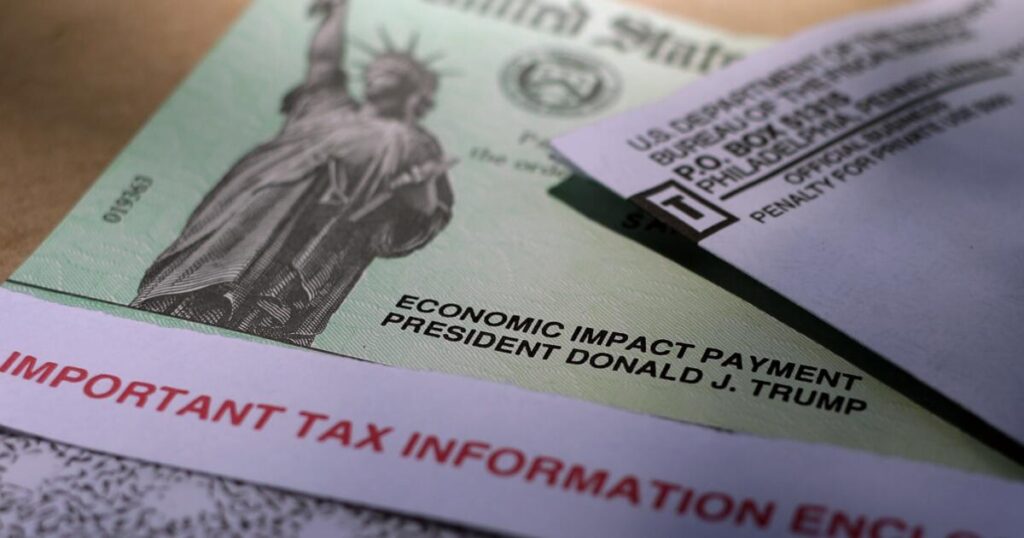
Dear Liz: My mail with a check to the IRS was stolen from inside the post office (I dropped it into the internal wall slot). The envelope was pre-addressed to the IRS P.O. box. The payee on the check was altered. The memo section text was removed, and parts of the upper-left section of the check were removed or altered, including a misspelling.
I discovered the mail theft after the bank’s 90-day reporting period but within the UCC (Uniform Commercial Code) filing period. I opened a police report, filed a notarized Affidavit of Check/Account Fraud with my bank, closed that checking account, and filed a complaint with the Consumer Financial Protection Bureau.
The amount lost is in the mid-five figures. Is there anything more I can do to get my money back? If not, any way to deduct the loss? I am crying all the time and losing sleep. I am a senior, if that matters.
Answer: Francoise Cleveland, AARP’s government affairs director, says you’ve already taken many of the recommended steps to deal with check fraud, including filing a police report, closing the account and working with your bank.
In addition, Cleveland recommends reporting the theft to the Federal Trade Commission and the U.S. Postal Inspection Service, which investigates mail theft and related check fraud. (You can file a mail theft complaint online at the USPIS.) Cleveland also encourages you to contact the AARP Fraud Watch Network for information, support and further guidance.
Whether you ultimately get your money back depends on several factors, including the specific facts of your case and state and federal law. Banks work through these determinations behind the scenes, and it can take time, Cleveland says.
That said, you may want to hire an attorney familiar with banking or consumer law. Unfortunately, it can be easy for a bank to ignore a customer, but it’s a lot harder to ignore a law firm. At a minimum, make sure your bank has copies of the police report and your USPIS filing.
As far as deducting the loss, the news isn’t good. Personal theft losses generally are deductible only in limited circumstances, such as when the theft is attributable to a federally declared disaster, Cleveland says. Victims of investment fraud may deduct their theft losses, but victims of other types of fraud (such as romance scams and government impersonators — ”I’m from the IRS and you’re about to be arrested”) aren’t eligible.
It gets worse. People have had money stolen from a 401(k) or another account where withdrawals are taxable. So not only are the victims out the money and unable to deduct their losses, but they typically still owe taxes on the withdrawal. Cleveland says AARP supports a bipartisan bill called the Tax Relief for Victims of Crimes, Scams, and Disasters Act that would provide some help to victims of fraud and unexpected disasters even if they are unable to recover their stolen funds.
You should also be aware that scammers may target you again, promising they can help you recover your stolen money. The Federal Trade Commission warns you to be wary of anyone trying to charge you an upfront fee to get your money back.
And for everyone else who’s reading this: Please take heed. Mail theft and check fraud have soared. Switch to electronic payments now before you become yet another victim.
Dear Liz: Is it possible to revoke an irrevocable trust?
Answer: Surprisingly, yes, in some cases it’s possible to revoke an irrevocable trust, depending on state law, the terms of the trust and the circumstances. For example, a trust could be dissolved or changed if all the beneficiaries agree and a court approves. In other cases, assets can be “decanted” from the old trust and put in a new, less restrictive trust. An experienced estate planning attorney can review the trust and offer advice.
Got a question about money? You can submit it here.
Liz Weston, Certified Financial Planner, is a personal finance columnist. Questions may be sent to her at 3940 Laurel Canyon, No. 238, Studio City, CA 91604, or by using the “Contact” form at asklizweston.com.
The post How do I get money back for a check that was stolen and cashed after I mailed it? appeared first on Los Angeles Times.