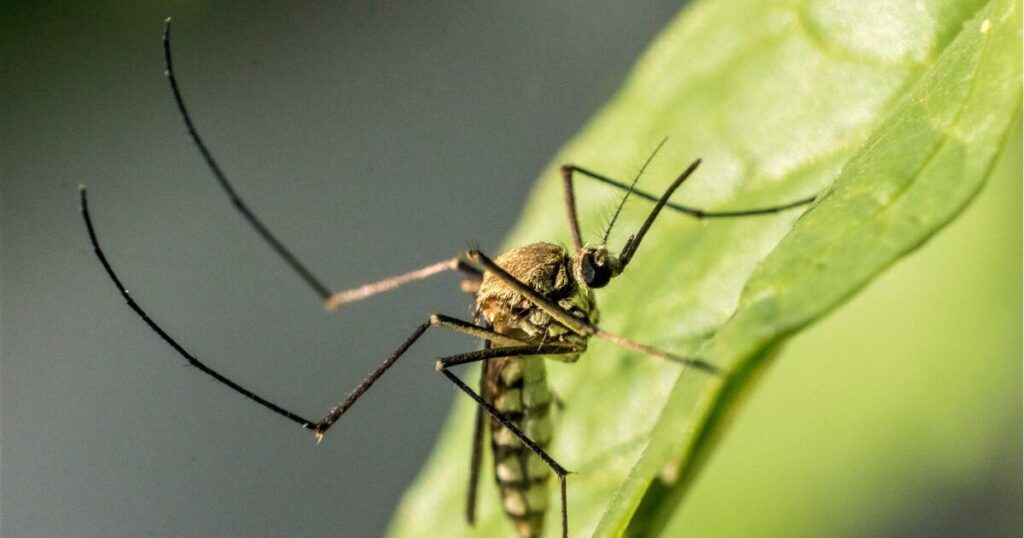
After an abnormally warm winter and a blistering March heat wave, California has seen a surge in mosquito activity that has driven West Nile virus activity to a five-year high.
As of last week, there had been 30 human cases of the virus and three fatalities across the state, according to the California Department of Public Health.
Then on Thursday, L.A. County announced its first West Nile death of the year — a San Fernando Valley resident who had been hospitalized with a neurological complication caused by a severe infection. The L.A. Public Health Department has recorded 15 infections so far this year, with roughly half in the San Fernando Valley.
“We extend our heartfelt condolences to the family and friends grieving the loss of a loved one due to West Nile virus,” L.A. County Health Officer Muntu Davis said in a statement. “This tragic loss is a reminder of the serious threat posed by mosquito-borne diseases, including West Nile virus and dengue.”
Davis urged residents to take steps to reduce their risk such as using DEET-containing insect repellent, eliminating sources of standing water and ensuring windows and doors have tight-fitting screens. “Small actions like these can make a big difference in preventing illness,” he said.
West Nile virus survives in nature in several types of birds and is transmitted to humans by the bites of mosquitoes that feed on infected birds. Peak mosquito season typically lasts from June to November in L.A. County, but this year the blood suckers made an early appearance.
“After experiencing the warmest winter on record, West Nile virus amplification and consequently detection in Los Angeles County started almost two months early this year, leading to widespread activity countywide,” said Susanne Kluh, general manager of the Greater Los Angeles County Vector Control District.
Climate change is expected to continue exacerbating cases in the years to come, warned Matt Willis, an epidemiologist and former former Marin County public health officer.
“As temperature rises globally, and as more northern latitudes experience hotter temperatures on average, and more extreme temperatures, some of those pathogens and/or insects that are more prevalent in those parts of the world migrate northward,” he said. “That is happening.”
At a state level, around 24% of dead birds identified through surveillance testing are testing positive for West Nile virus this year, compared with the five-year average of 13%, according to the state Department of Public Health. In addition, around 8 out of 1,000 mosquitoes are testing positive, compared to the five-year average of 5 out of 1,000.
Most humans who are infected will not experience any symptoms. However, around one in five people who are infected develop a fever and moderate symptoms such as body aches, vomiting and diarrhea. About one in 150 people will experience severe symptoms that include high fever, a stiff neck and muscle weakness.
The disease can be deadly when it leads to neurological complications such as meningitis and encephalitis. Factors that put people at a higher risk of severe infection include being older than 60, diabetes, high blood pressure, chronic kidney disease and being on immune system suppressing medication.
There is no specific treatment for the disease nor a vaccine to prevent illness. People who are at high risk are urged to be especially cautious outdoors at dusk and dawn, when mosquito activity is highest.
“West Nile virus can be fatal, particularly for the elderly and immunocompromised,” said State Health Officer Dr. Erica Pan. “August and September are peak periods of West Nile virus transmission in the state, so we urge everyone to take precautions to protect themselves against mosquito bites.”
Times staff writer Suzanne Rust contributed to this report.
The post L.A. resident dies from West Nile virus; California cases hit 5-year high amid warming climate appeared first on Los Angeles Times.