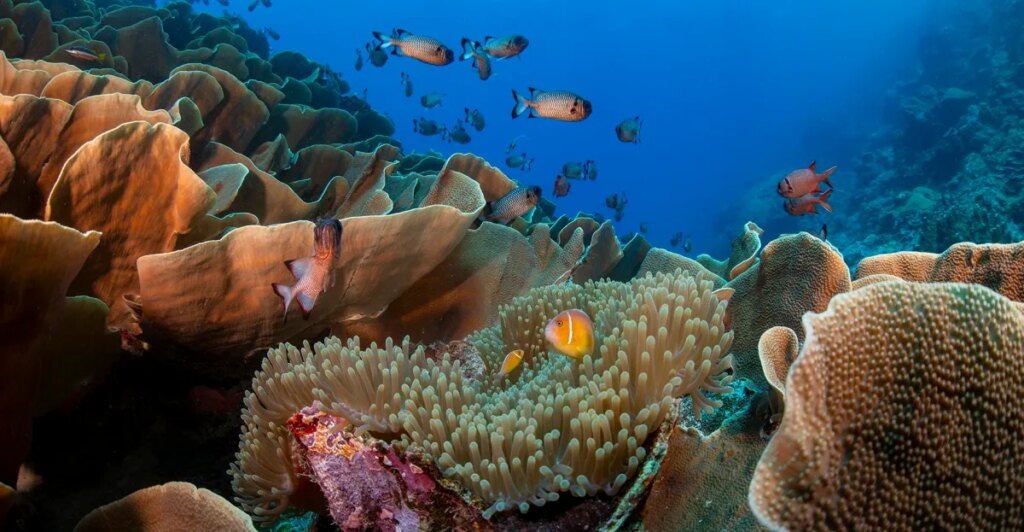
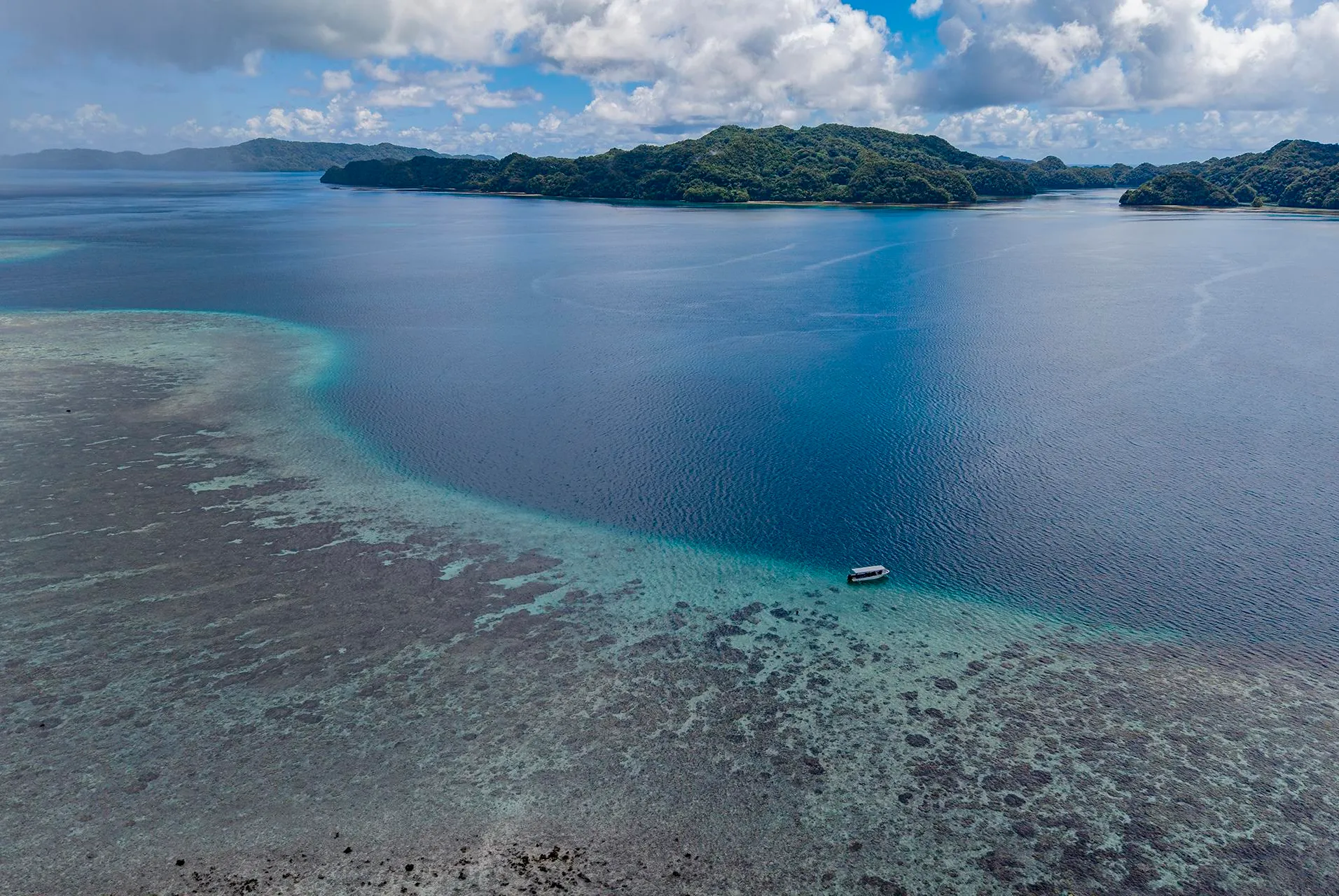
PALAU, Micronesia — The ride out to sea was, in a word, unpleasant. The coastal waters of Palau, an island nation in the western Pacific, are typically calm and electric blue, like what you might see on a screensaver or postcard. The country has put in place some of the world’s most rigorous protections to keep its marine environment pristine.
But on this particular morning in July, a super typhoon named Bavi was churning north of us in the Philippine Sea. Clouds darkened the water and battered us with rain as our boat seesawed through the swell toward the horizon.
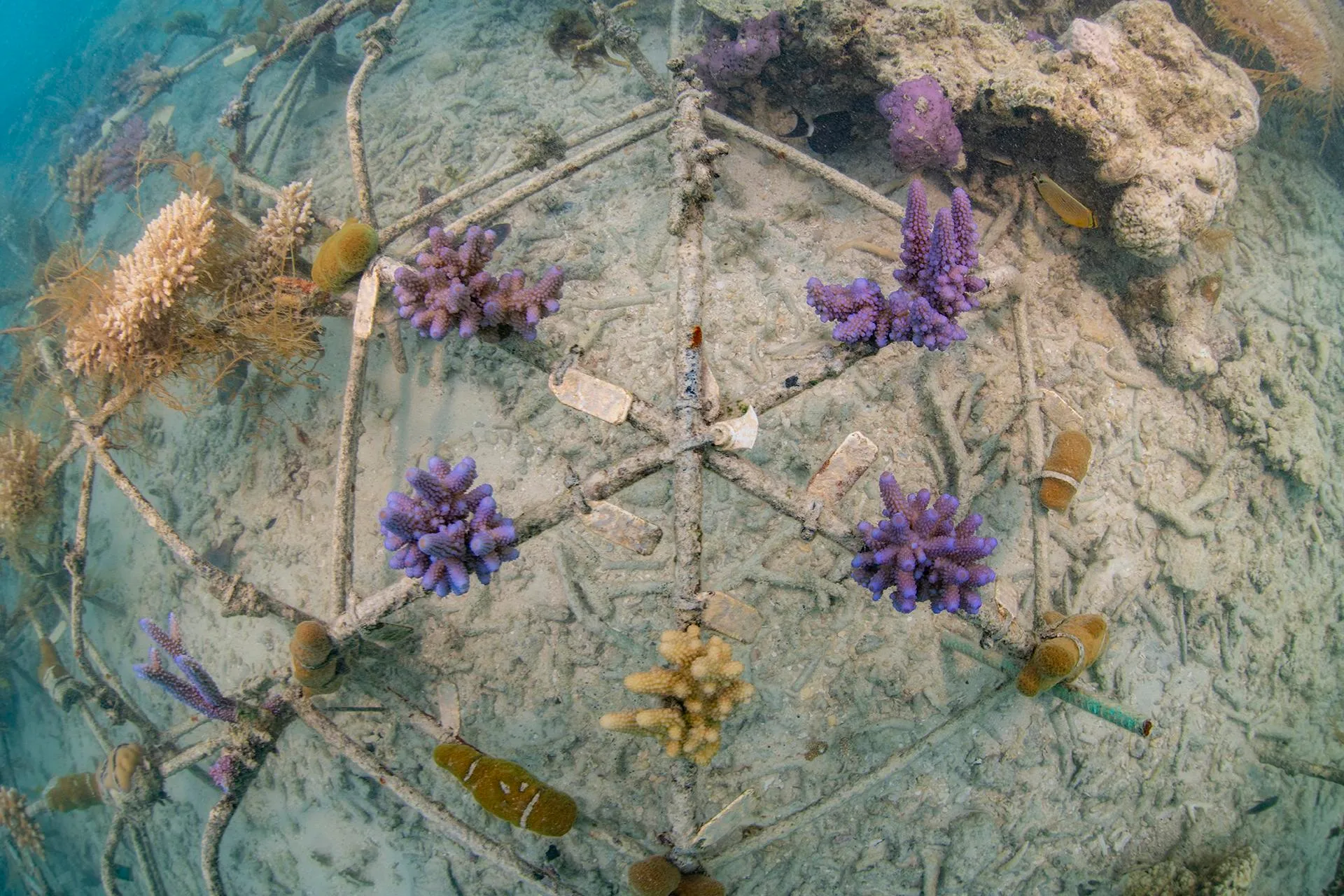
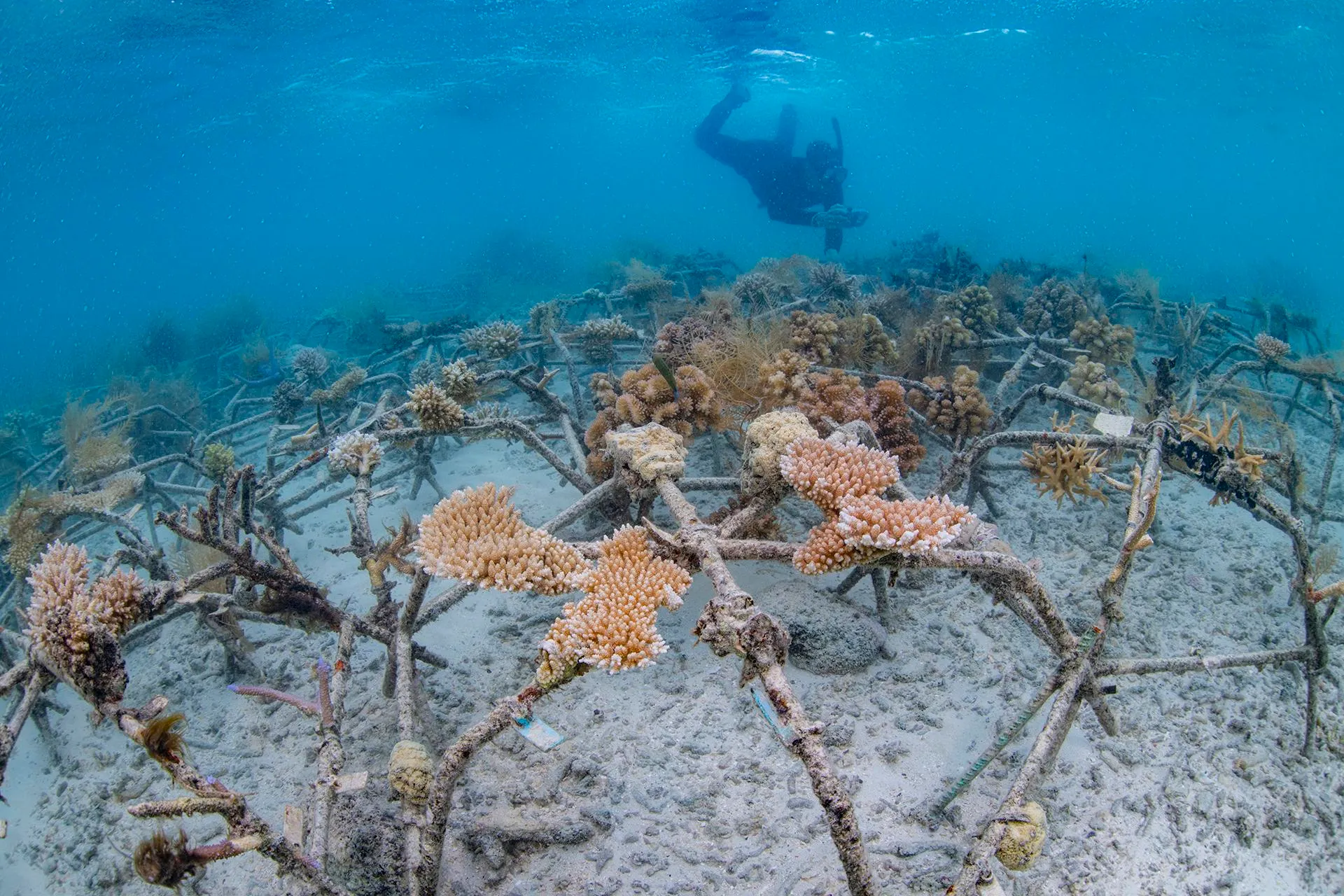
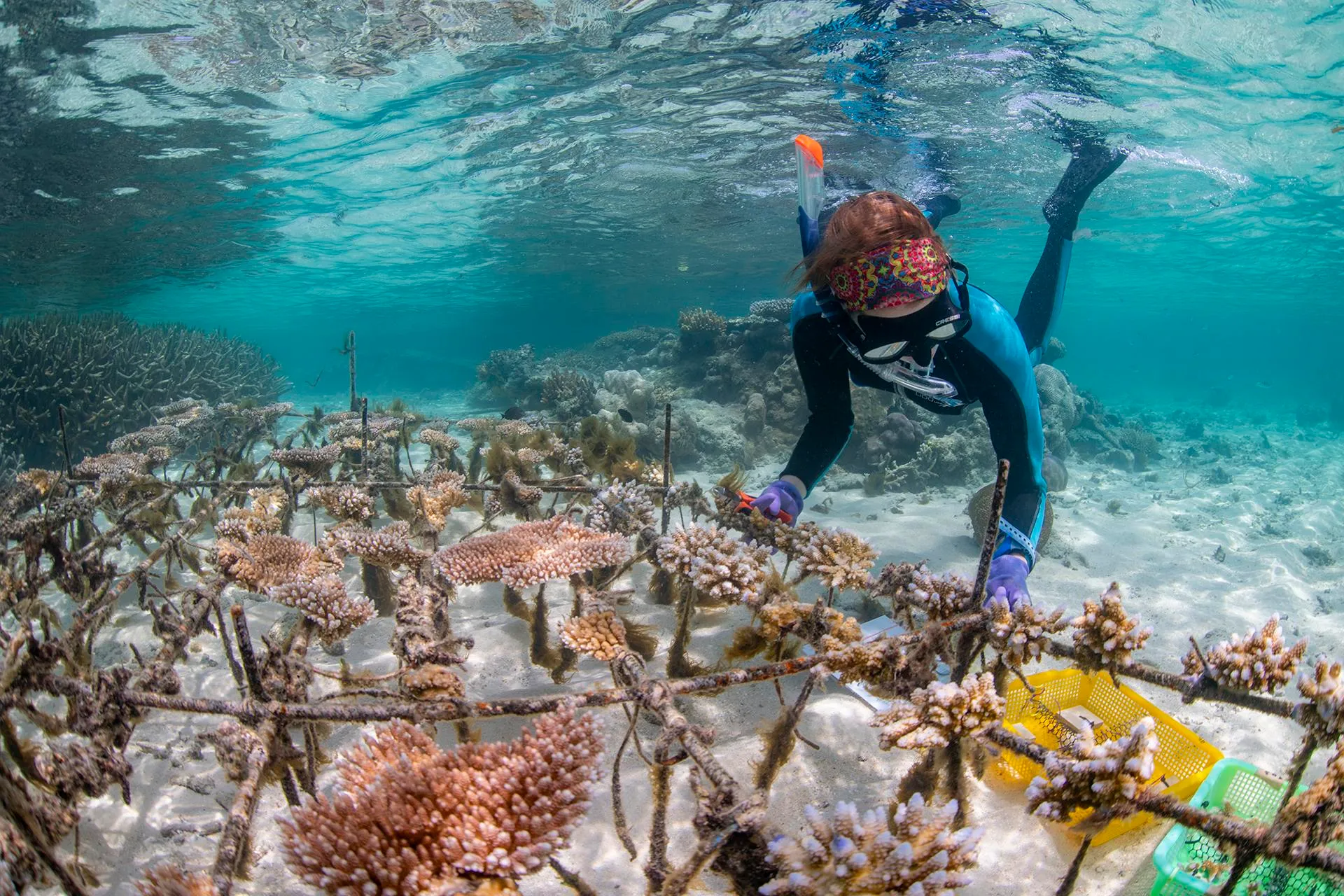
Our destination was what you might call a coral garden — a patch of coral, about two miles from shore, that scientists had planted over the past couple of years in an effort to rebuild a damaged reef.
I was wet, cold, and nauseated when we arrived. So naturally, I strapped on a mask and jumped in.
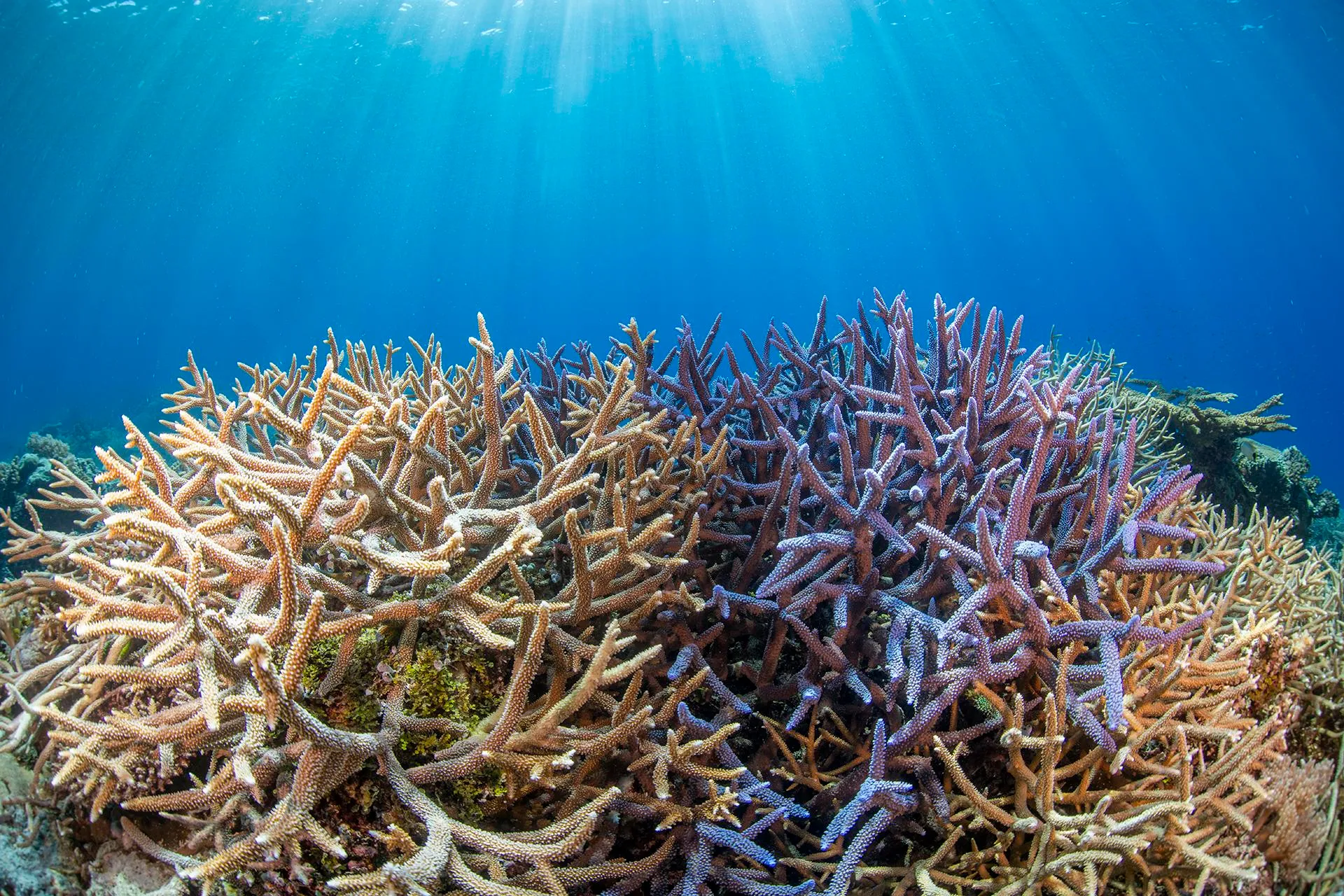
Below me, I could see dozens of star-shaped metal structures that researchers had attached to the seafloor. They were studded with corals in all forms and colors: neon blue antlers, fluffy green mittens, baseball-sized brains. Some of the corals looked like a collection of human vertebrae. Others resembled miniature pine forests.
In the past two decades, governments, nonprofits, and even hotels around the world have dedicated hundreds of millions of dollars to replanting coral reefs like this one. Reefs are among the planet’s most endangered ecosystems: Rising ocean temperatures, pollution, and other threats have killed off an estimated 50 percent of live coral globally since the 1950s.
Those steep losses erode the irreplaceable benefits that coral reefs provide. They go far beyond tourism. Healthy reefs lessen coastal flooding from storms like Bavi. They also serve as nurseries and homes for larger animal species, such as endangered sea turtles and valuable fish like snappers and groupers that people eat.
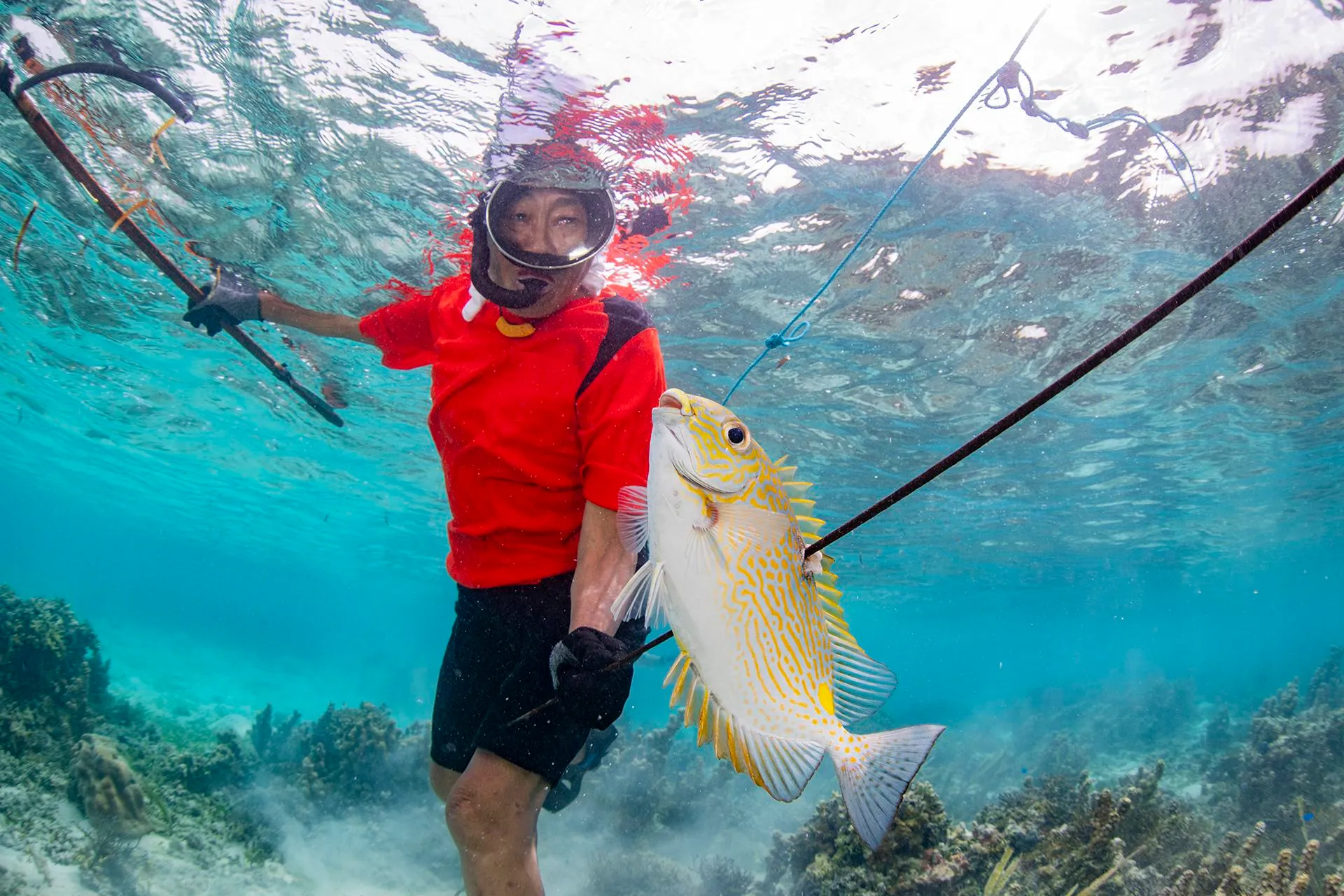
That’s why so much time and money has gone into restoring these ecosystems globally. Including here in Palau. A different typhoon and warming waters had destroyed some of the region’s coral many years ago, which caused the local fishery to decline, according to Sharp Sakuma, the governor of Ngaraard, a Palauan state where the coral garden is located. “It’s our food,” Sakuma said of fisheries. So a few years ago, he asked local researchers to help bring the reef back.
But reef restoration has a fatal flaw.
Rising global temperatures are heating up the ocean and fueling marine heat waves, which kill reefs. That means that much of the coral that people painstakingly plant often ends up dying months or years later — simply because the ocean is too hot. It’s like planting trees to restore a forest that will soon burn in a wildfire. And this raises serious doubts about the role reef restoration can play in the recovery, and ultimate survival, of these iconic ecosystems.
The colorful antlers, mittens, and brains below me, however, were not your typical planted corals.
They were different.
And they may offer a new reason for hope.
These corals had all gone through what you might call a fitness test. In a lab on shore, marine scientists exposed them to extreme heat and scored them for their ability to tolerate warming. Corals on some of the metal stars here got top marks — they appeared resistant to heat. Those individuals may have more of a fighting chance at surviving as ocean temperatures rise.
These sorts of fitness tests for corals are inexpensive and unexpectedly low-tech: They take place in cheap, store-bought picnic coolers, like what you might bring to the park. But by helping researchers identify the hardiest corals, these tests could help overcome one of reef restoration’s greatest challenges.
Subjecting corals to hot water in a plastic cooler may sound ridiculous. Until you consider the stakes and the circumstances: As the planet warms, simply protecting our beloved, life-supporting places is no longer enough to save them. Neither is restoring them to some former state.
To truly help coral reefs endure, we may actually need to reengineer them.
Scattered across a remote stretch of the Pacific is a collection of more than 300 islands, which, together, form the nation of Palau. Many of those islands are no larger than a small house. And because they’re eroding at the base, they look as though they’re floating above the ocean. When you’re out at sea, it’s easy to pretend that you’re flying through the floating mountains of Avatar’s Pandora.
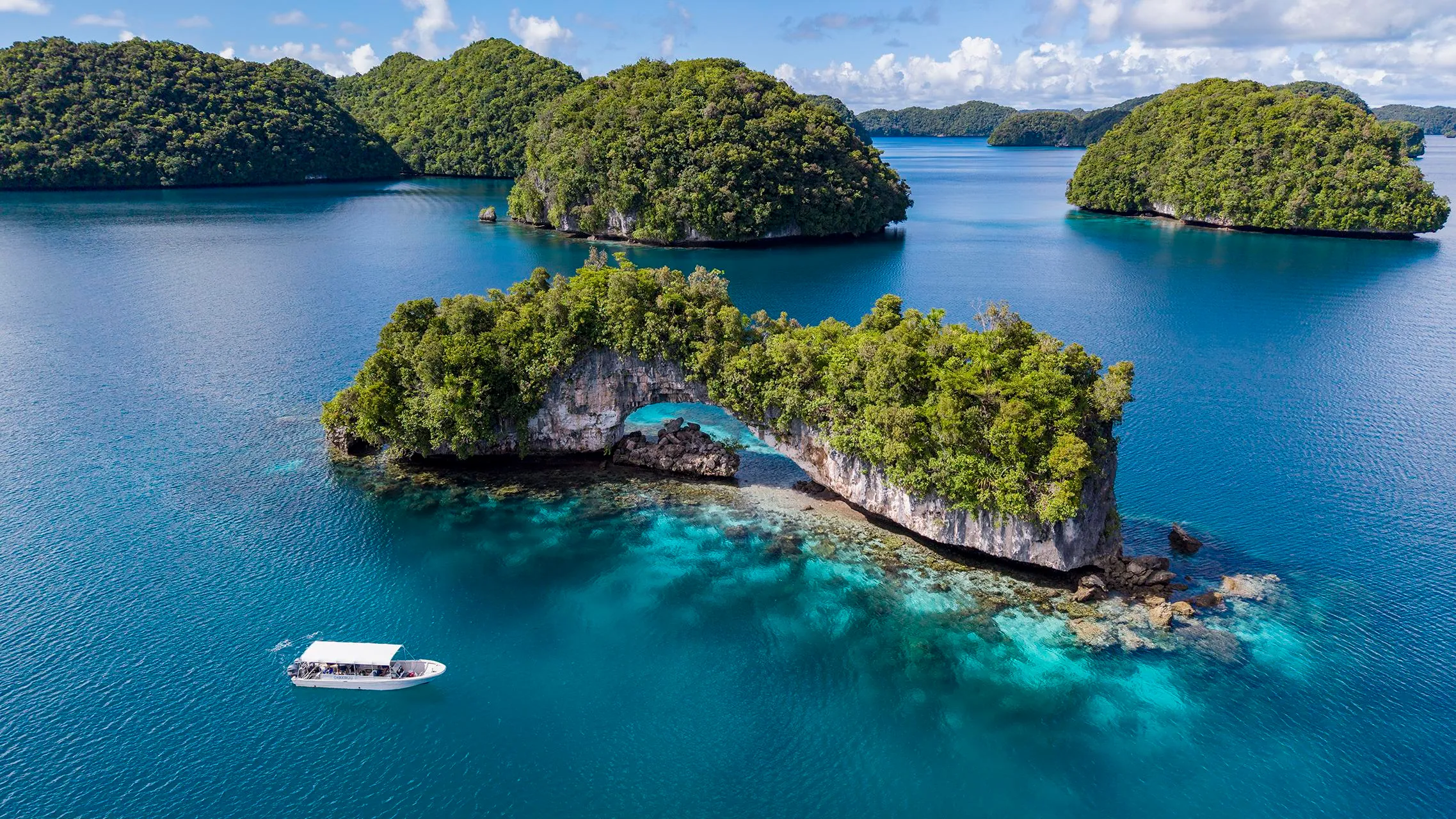
But the real magic is, without a doubt, underwater.
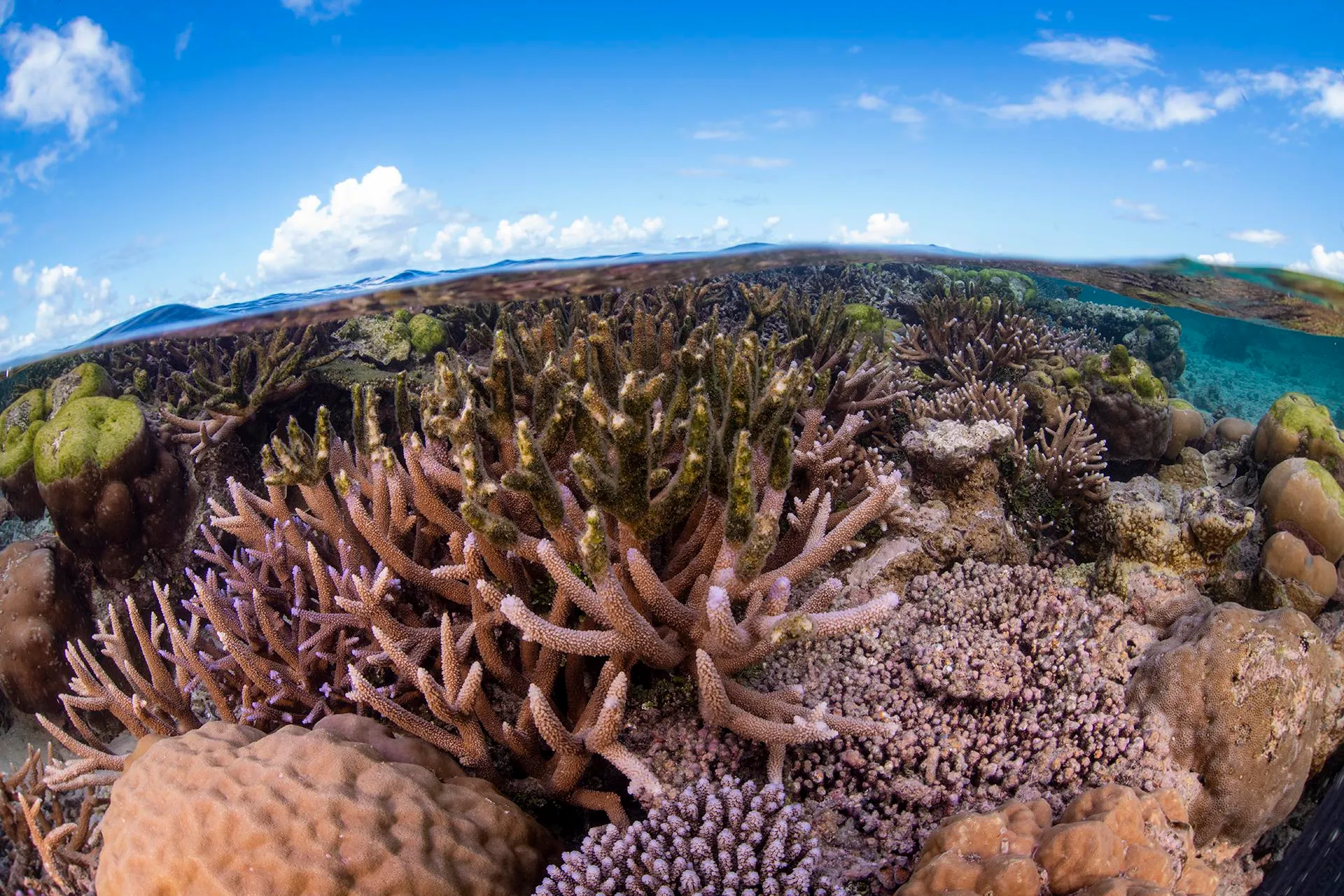
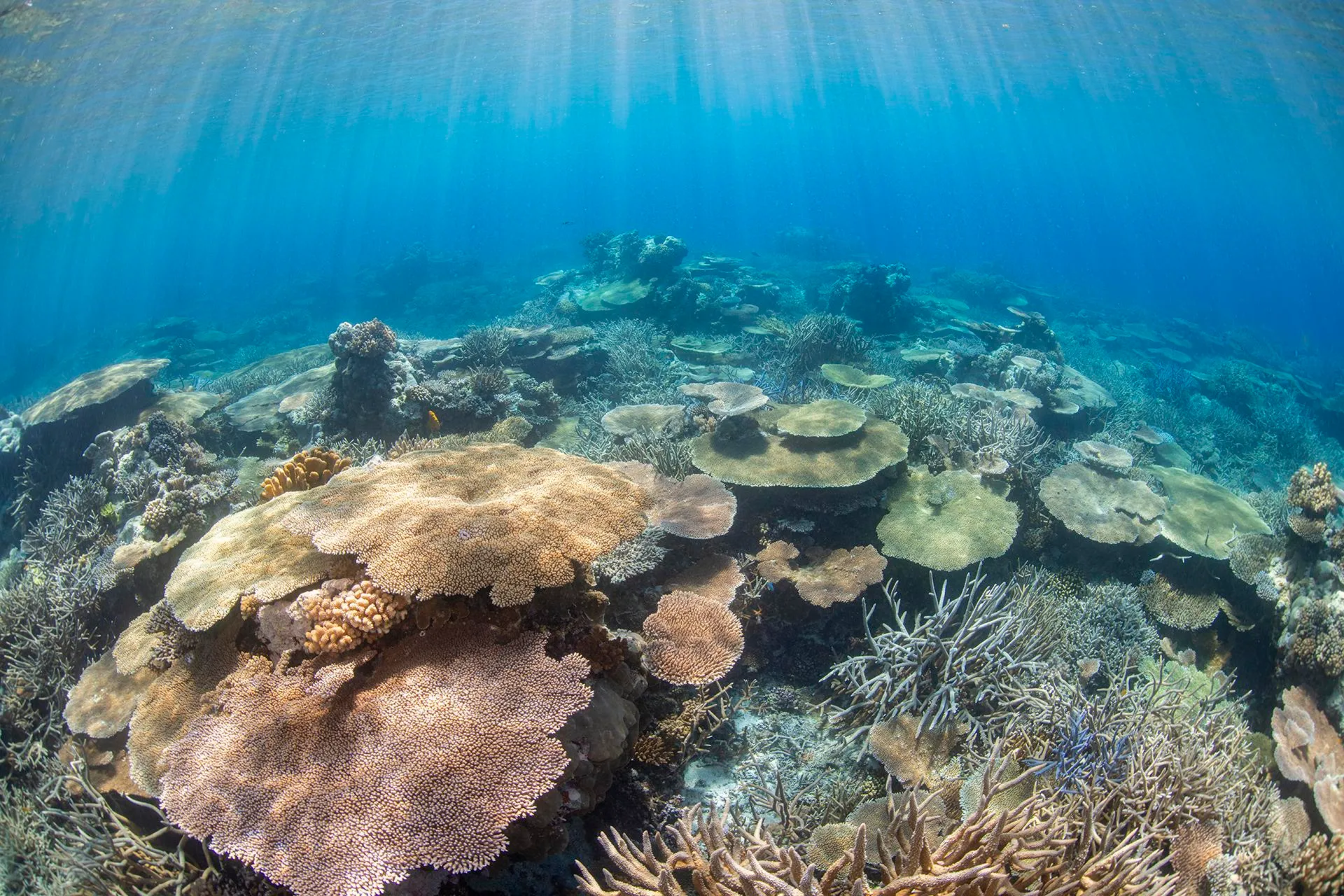
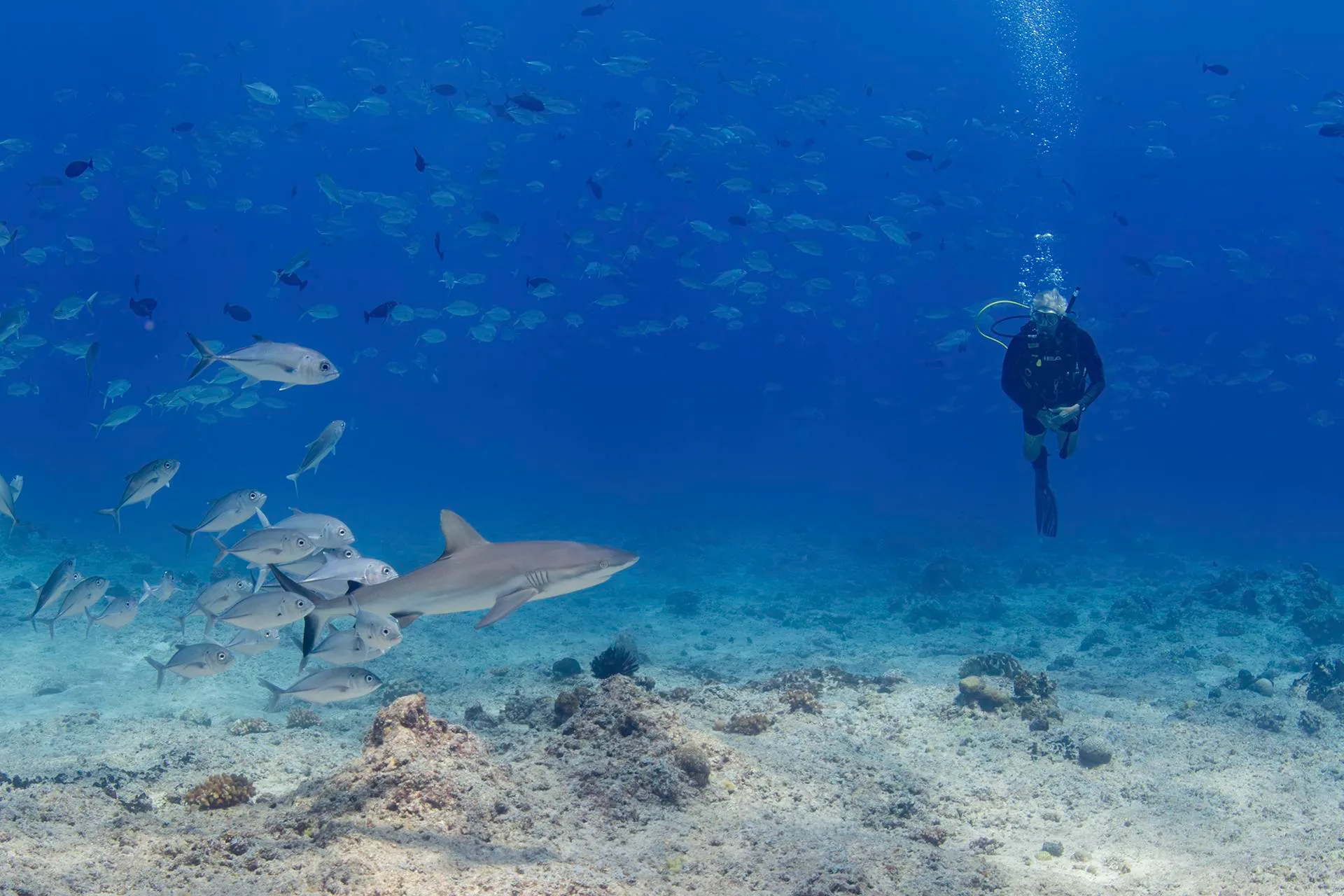
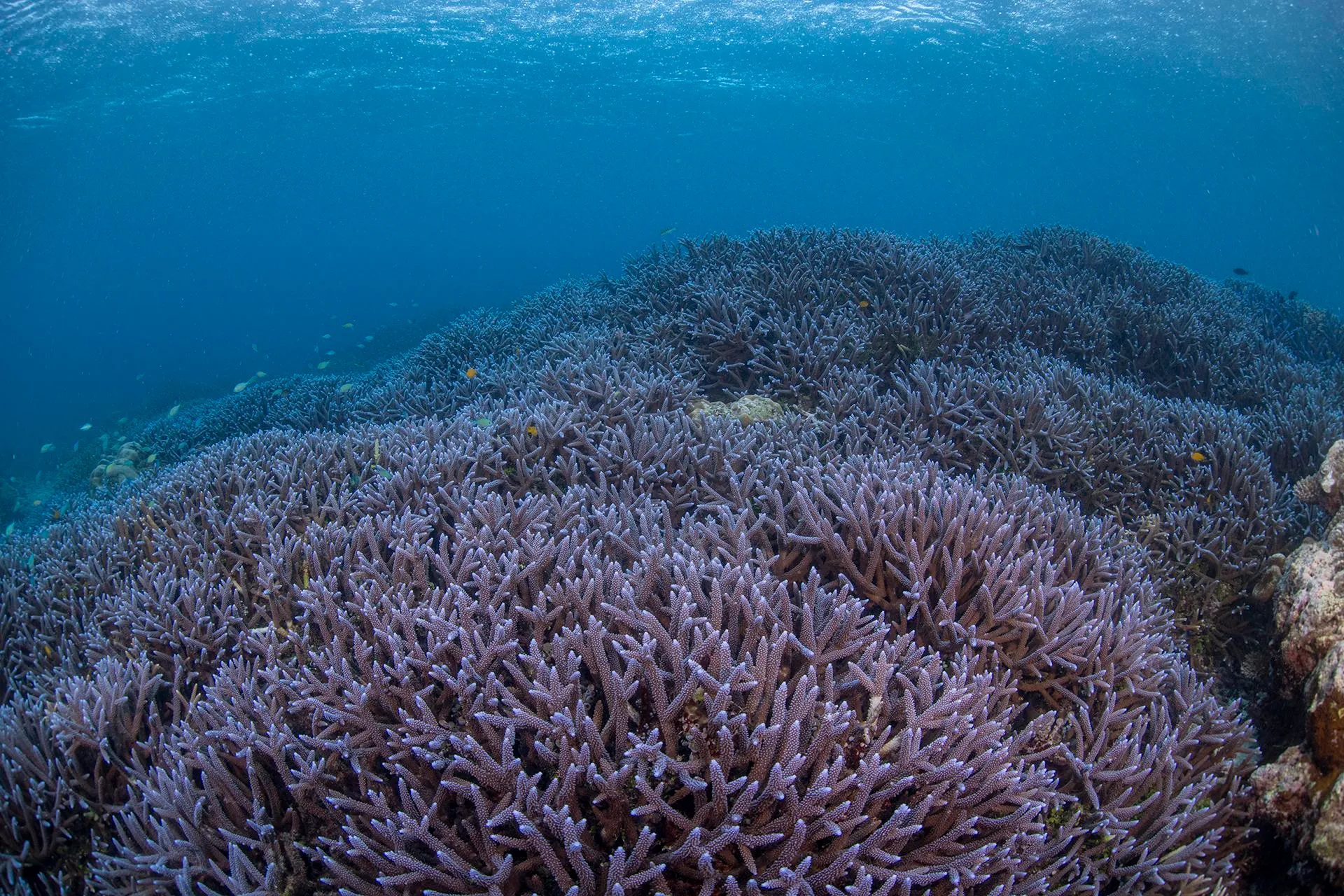
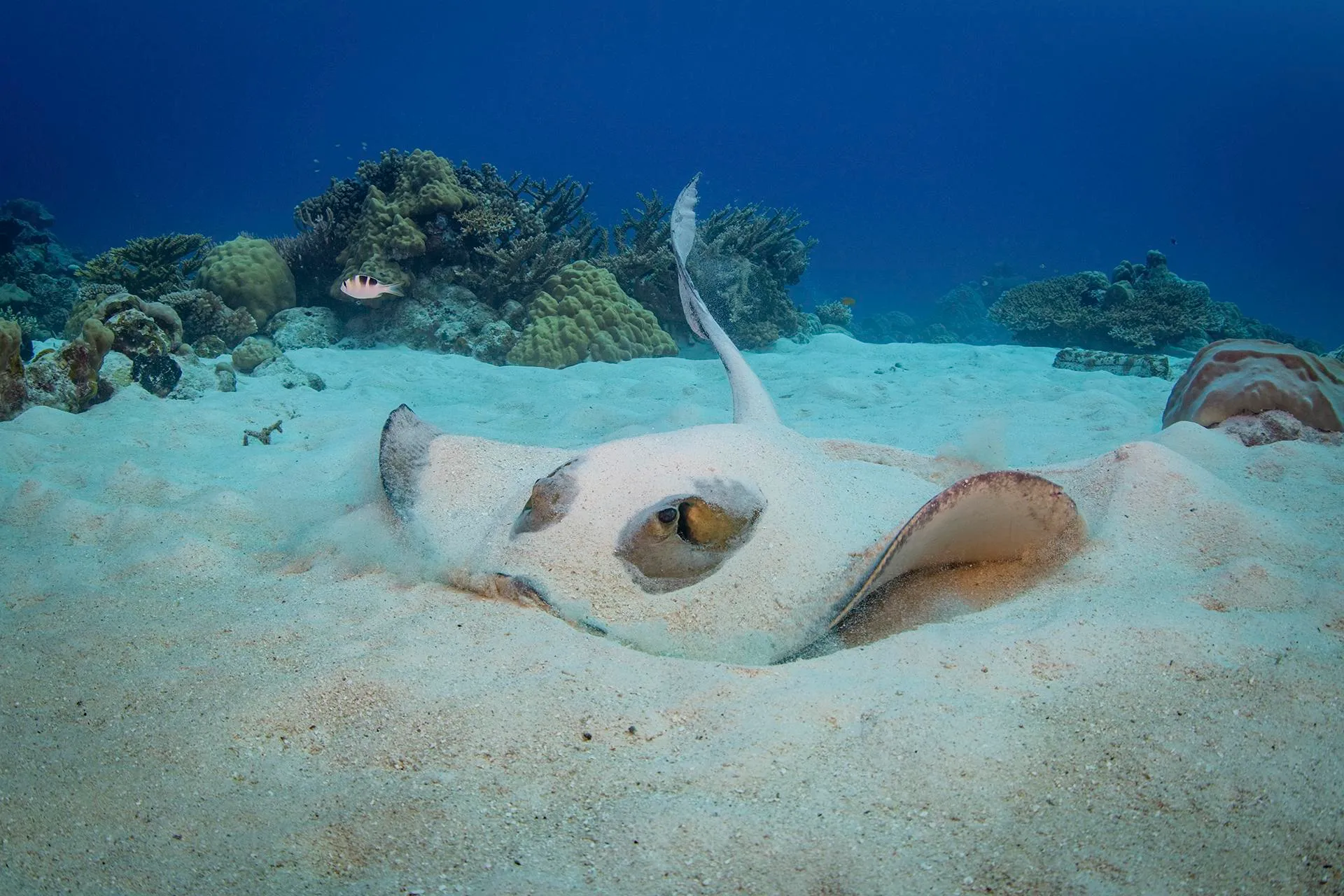
Palau is surrounded by a vast network of coral reefs, many of which are in near-perfect condition. The region has more than 400 coral species — for comparison, the Caribbean has about 70 — which form the base of a thriving marine ecosystem. On just one weekend of diving there, I encountered close to 100 sharks, more than a dozen sea turtles, and three enormous manta rays. (In my more than 20 years of diving, I’ve rarely seen such an abundance of sea life.)
In the last two decades, Palau has become an epicenter for research on how warming affects coral reefs. Part of that is practical: The country’s abundant corals allow scientists to study how different species and populations respond to rising temperatures. It’s also home to a well-equipped marine lab, the Palau International Coral Reef Center.
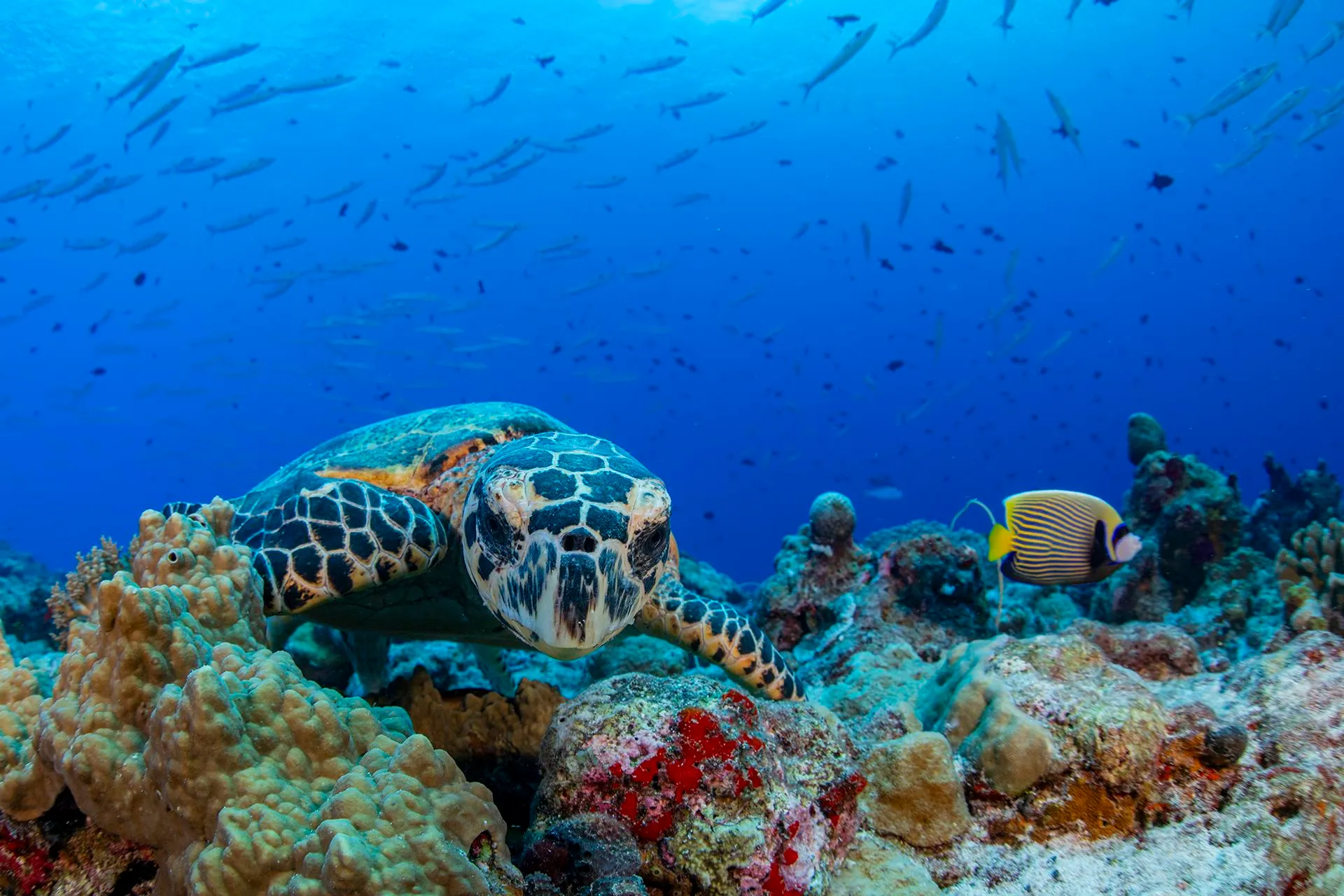
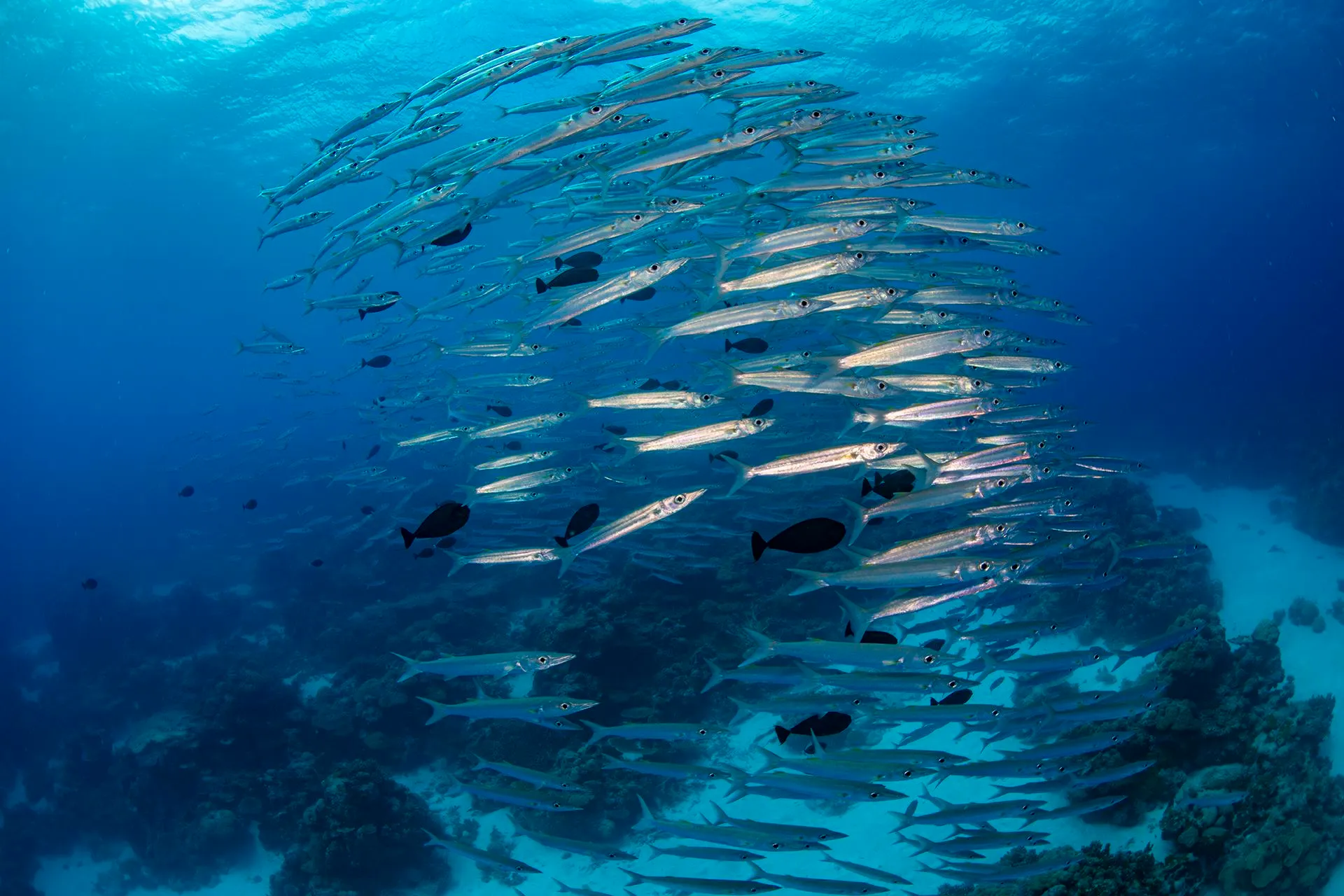
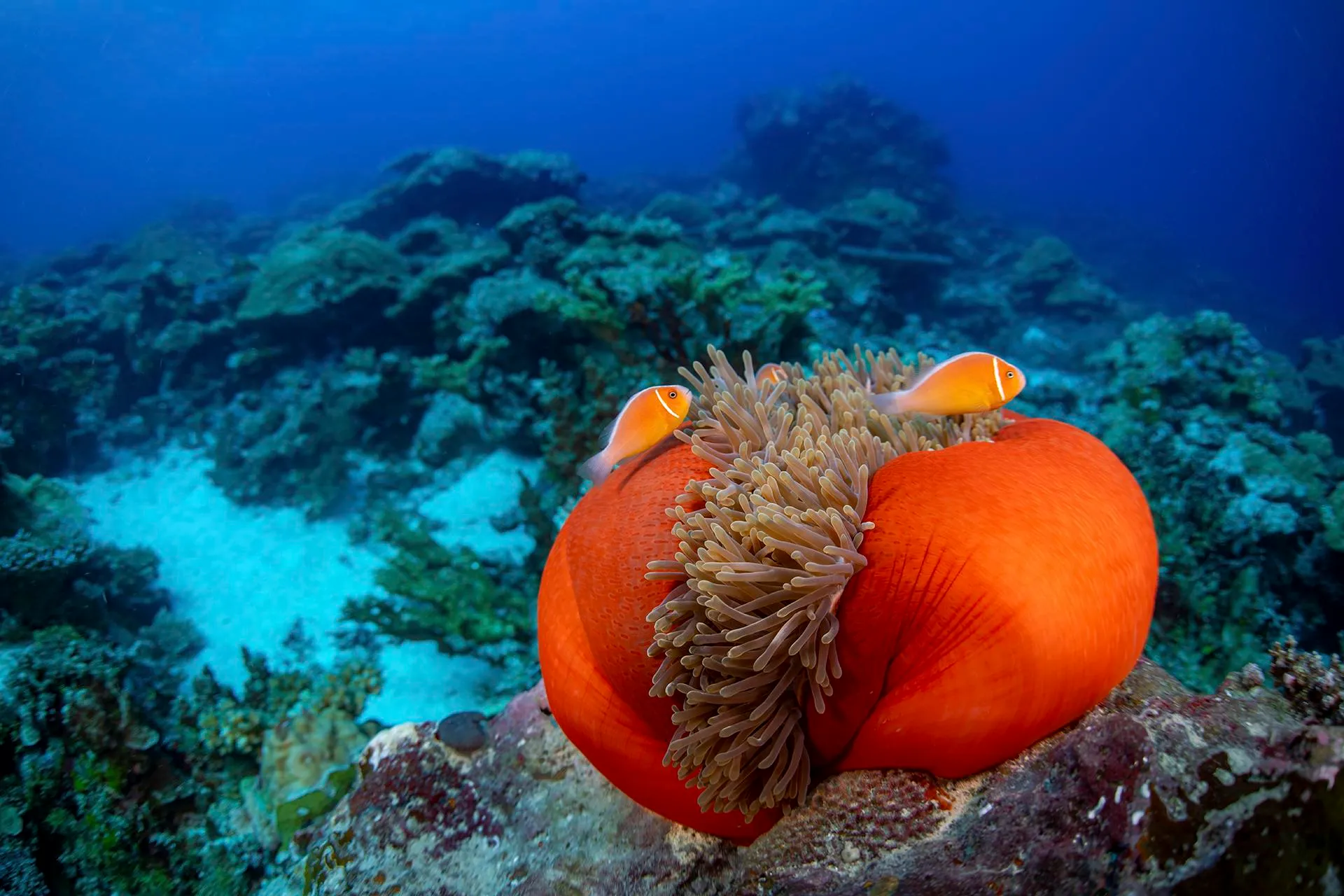
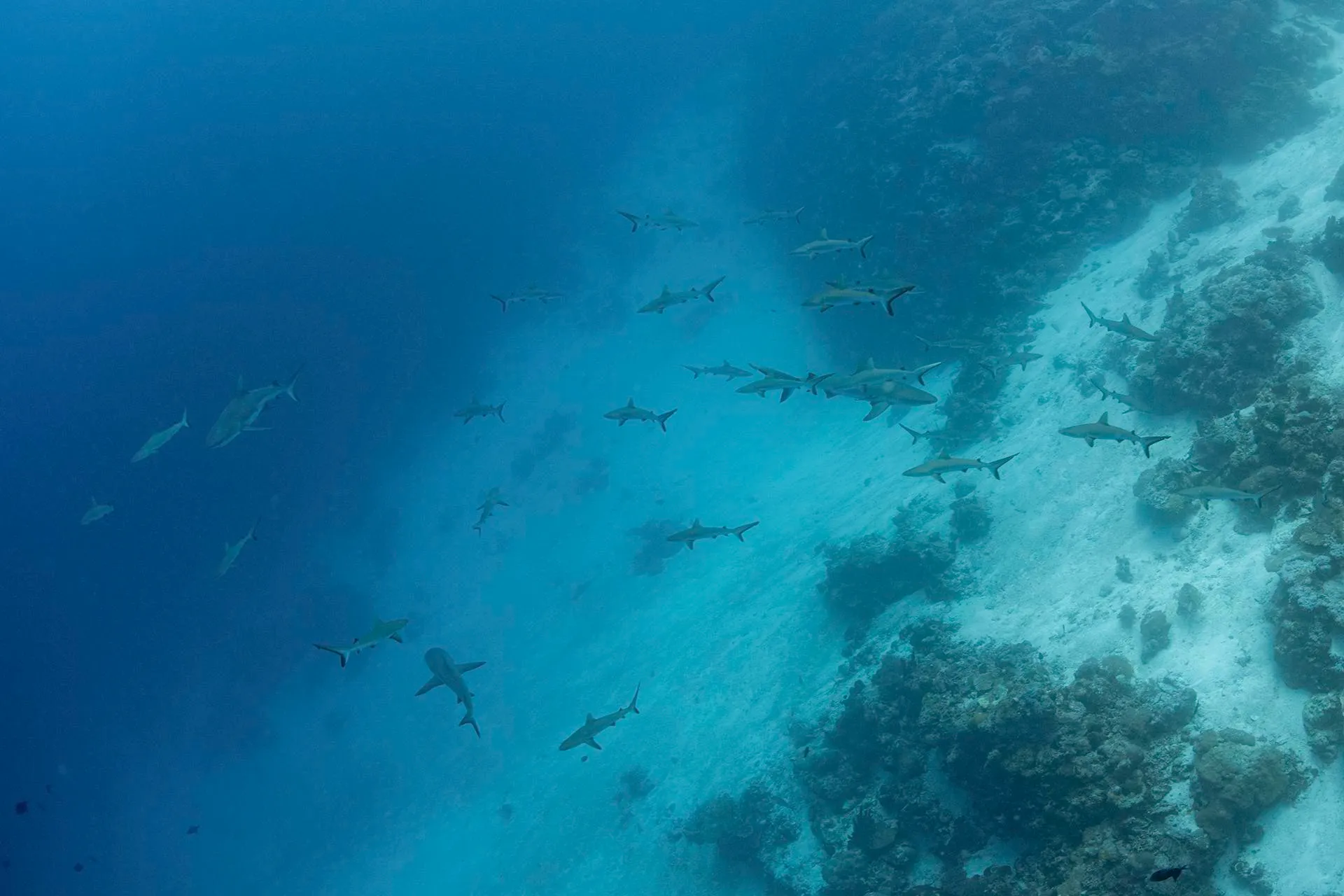
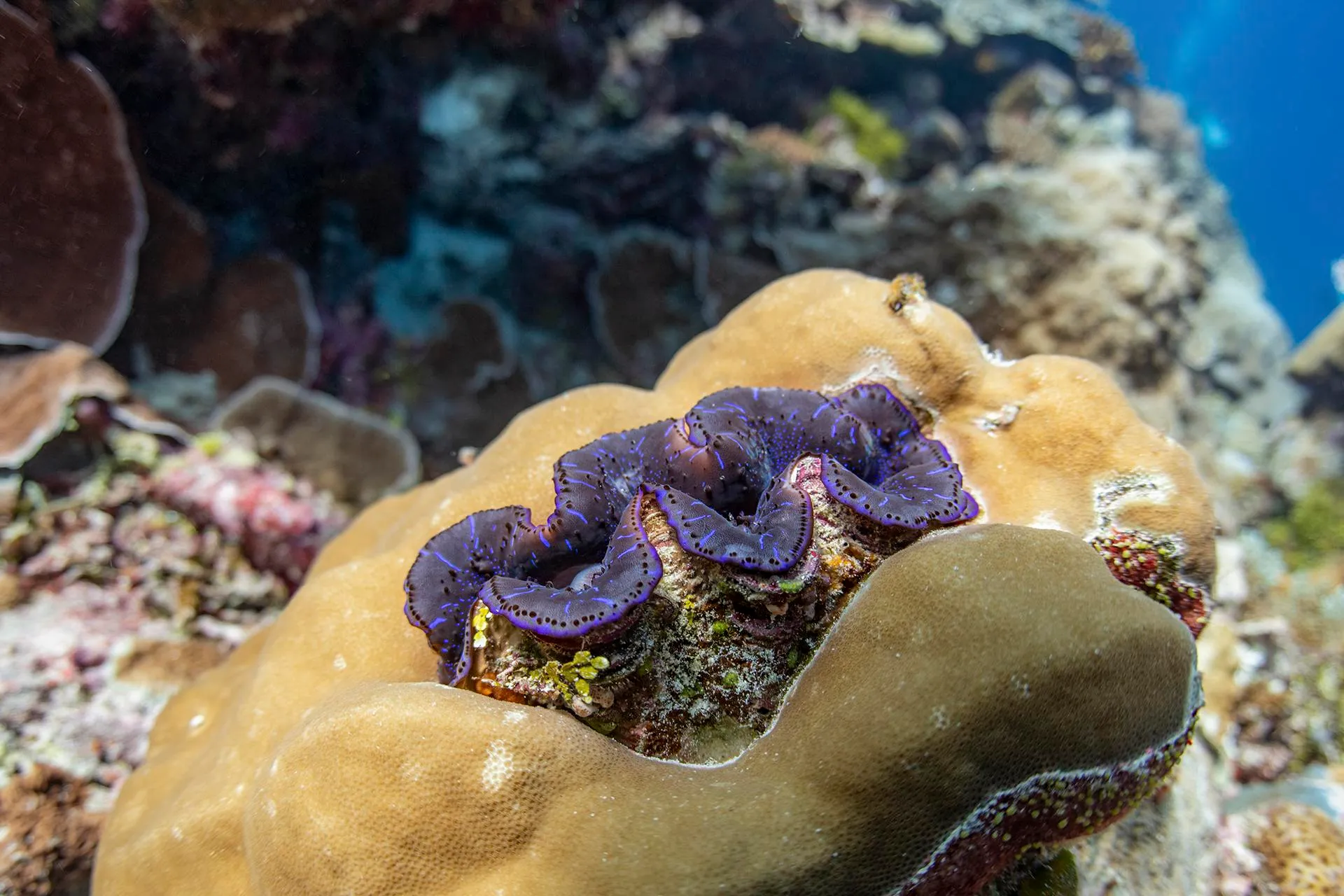
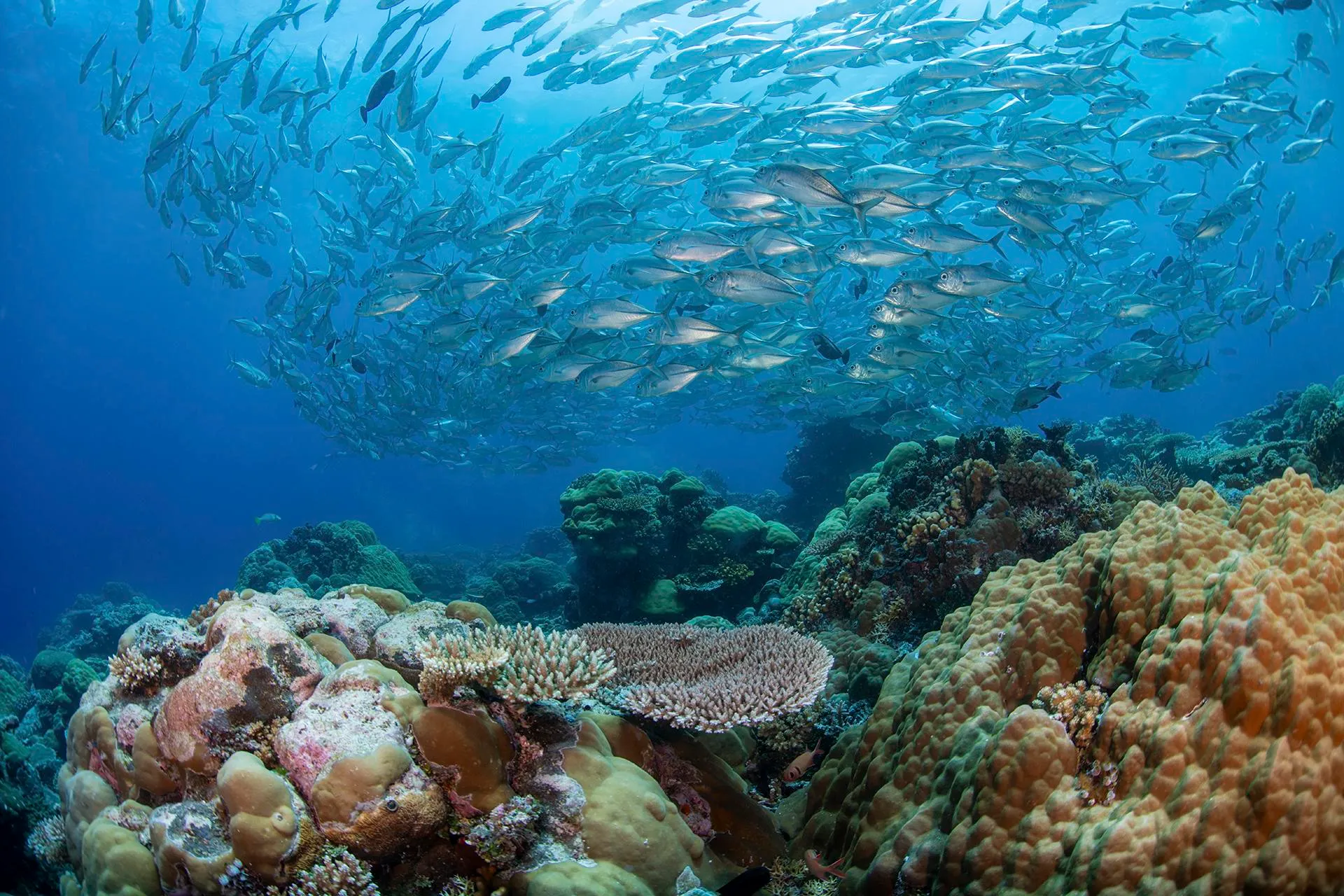
Bigeye trevally (Caranx sexfasciatus) schooling over coral reef at Ulong Wall.
But there’s also an urgent local need. Palau is deeply dependent on its coral reefs: Its fisheries and tourism make up more than a quarter of the country’s GDP. And while Palau is home to one of the world’s largest marine protected areas — which bans commercial fishing across 80 percent of its national waters — that does little to protect the reefs here from the existential global threat of ocean warming.
Why is heat such a dire problem?
One “coral” is not a single animal but a colony of hundreds or thousands of individual animals, known as polyps. Those polyps are all nearly genetically identical. They grow the colony — the coral structure that you see on a reef — by cloning themselves over and over again.
Polyps fuel themselves, in part, by grabbing particles out of the water with tentacles (up close, polyps look a bit like sea anemones). But most of their food, and much of their color, comes from a kind of algae that lives within their cells. Like plants, that algae photosynthesizes. And it passes the solar energy it generates onto the coral, in return for nutrients and a place to live.
This partnership fails under extreme heat.
When the ocean is too warm, the algae malfunction, and the polyps kick them out. As a result, the corals lose their primary source of food and their iconic color. That’s bleaching. A bleached coral is not dead but starving, and it will die unless the water cools back down.
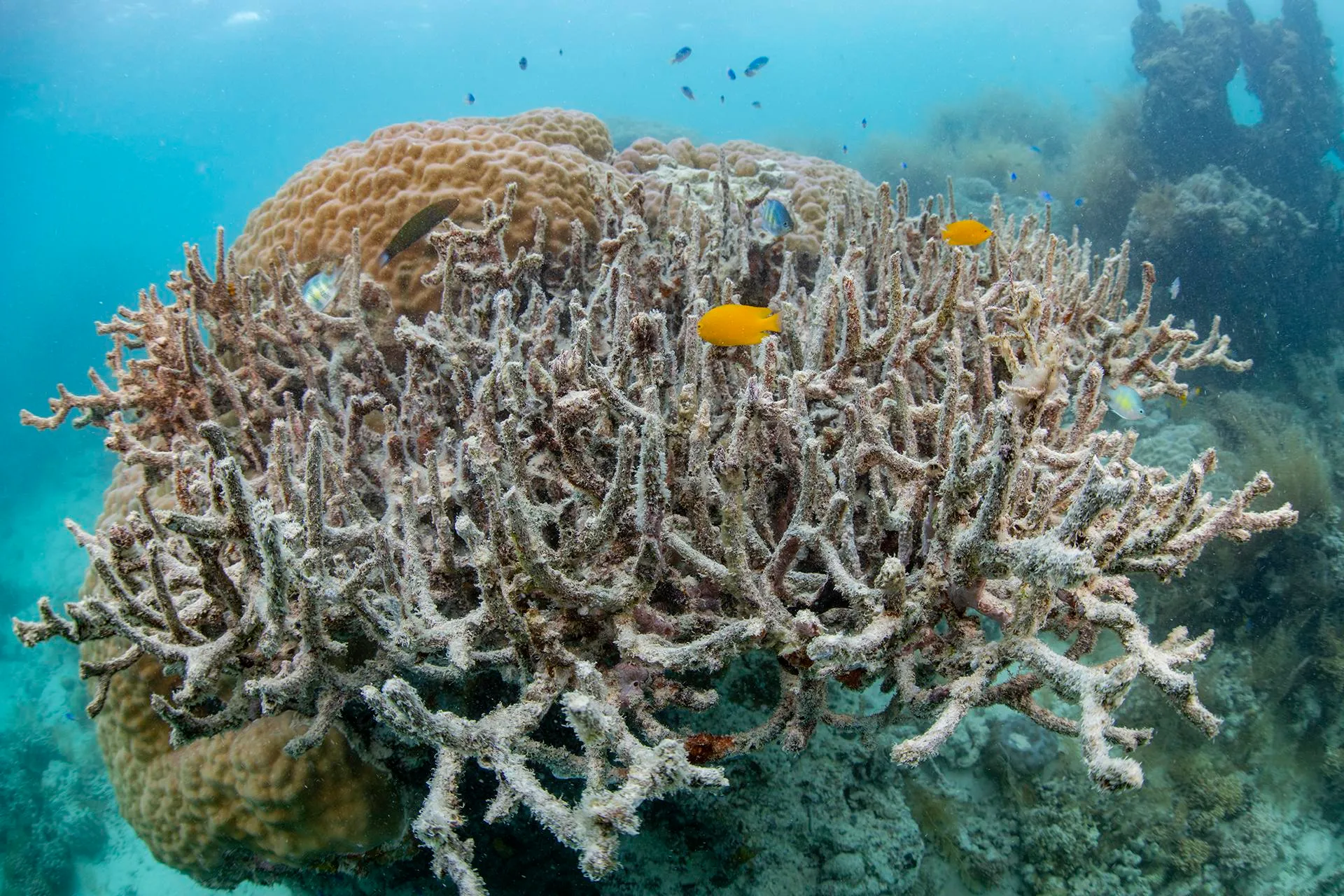
Yet there’s another key detail here: Some corals seem to resist this heat-fueled bleaching. They appear naturally more tolerant to warming than their peers. And you can actually see this when you’re snorkeling during a heat wave: Some corals will be bone white, whereas other colonies of the same species nearby will appear fully saturated. Heat tolerance is a trait with natural variation, like height or eye color in humans.
It’s this detail that underpins efforts to make reef restoration less futile in a warming world. If scientists can find local corals that can tolerate warming, they can use them to regrow native reefs that might endure some degree of climate change, here and anywhere coral reefs can be found.
What scientists in Palau are trying to demonstrate is how — absent a naturally occurring heat wave — you can identify those heat-tolerant colonies.
On a mostly clear afternoon in July, days before the typhoon grazed Palau, I boated out to a shallow reef with Steve Palumbi, a marine ecologist at Stanford University. He’s tall and thin and has white hair that he often pulls back into a short ponytail.
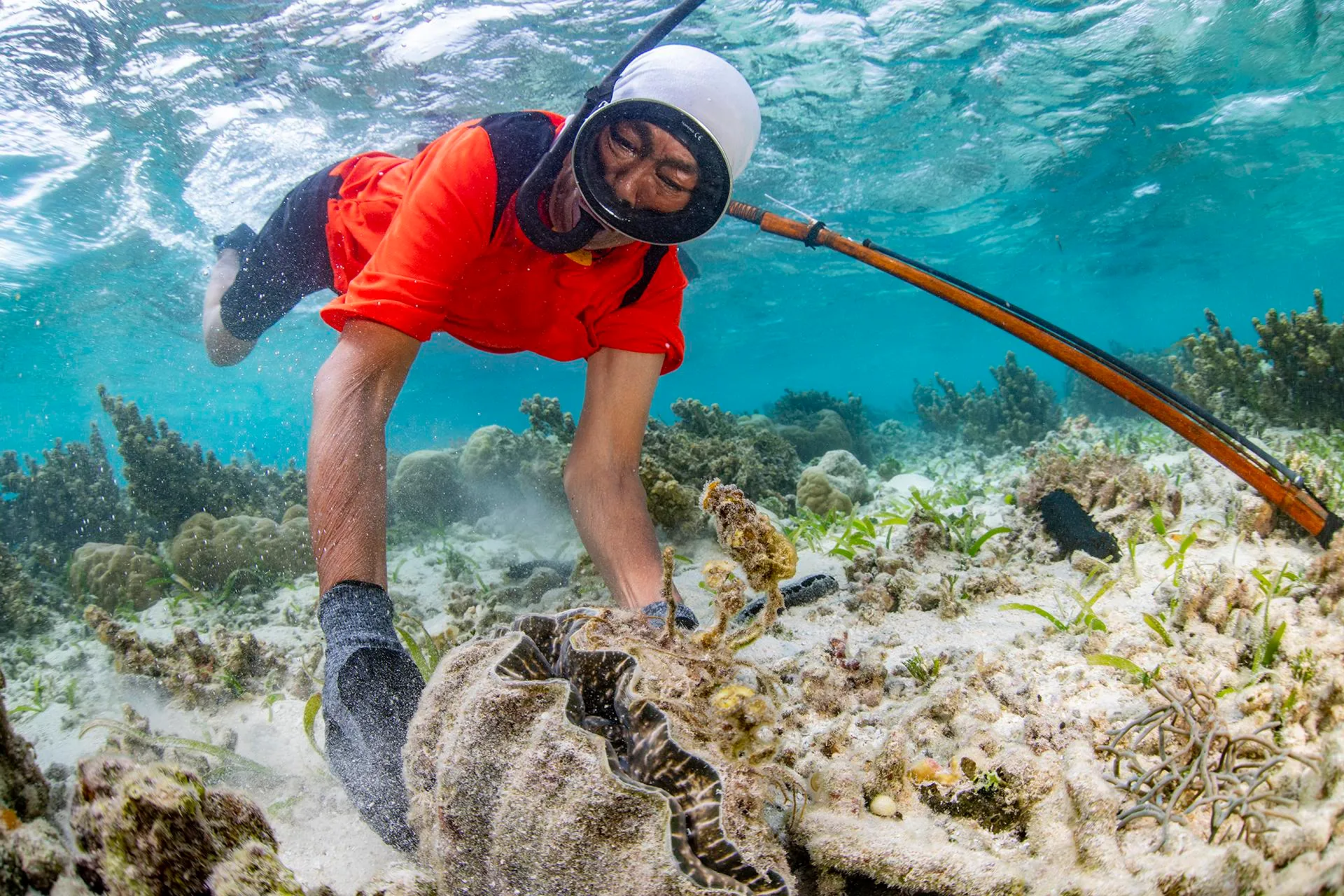
Once the boat dropped its anchor in the sand, Palumbi and I jumped in, along with three researchers from the Palau International Coral Reef Center (PICRC). I felt like I was swimming in a tropical fish tank. The water was clear and full of silvery fish. A carpet of colorful coral coated the seafloor. Every hole and crevice was occupied — by a giant clam, a spiky starfish, a sea cucumber, a furry crab. The reef was a giant apartment building with a cast of unusual tenants.
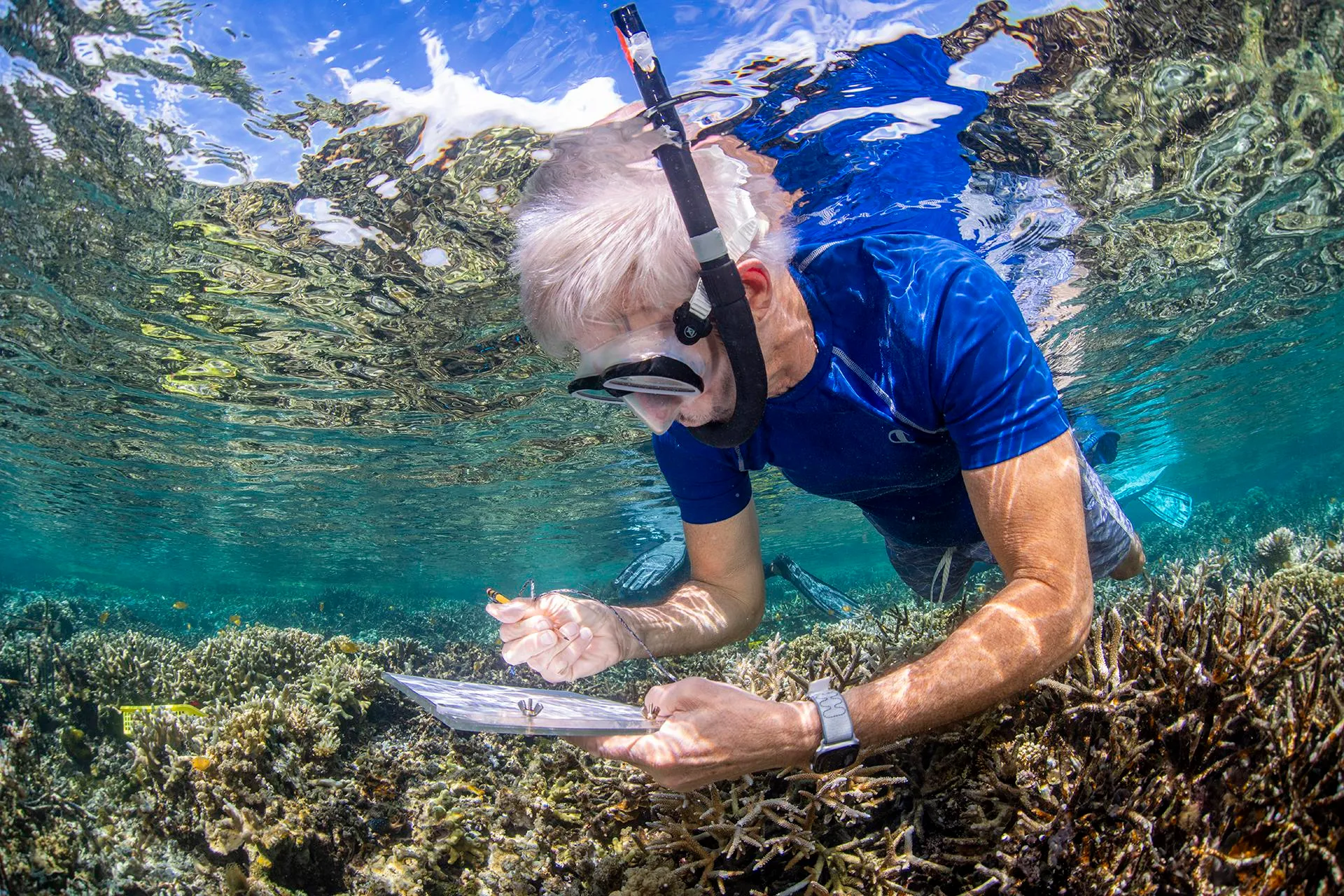
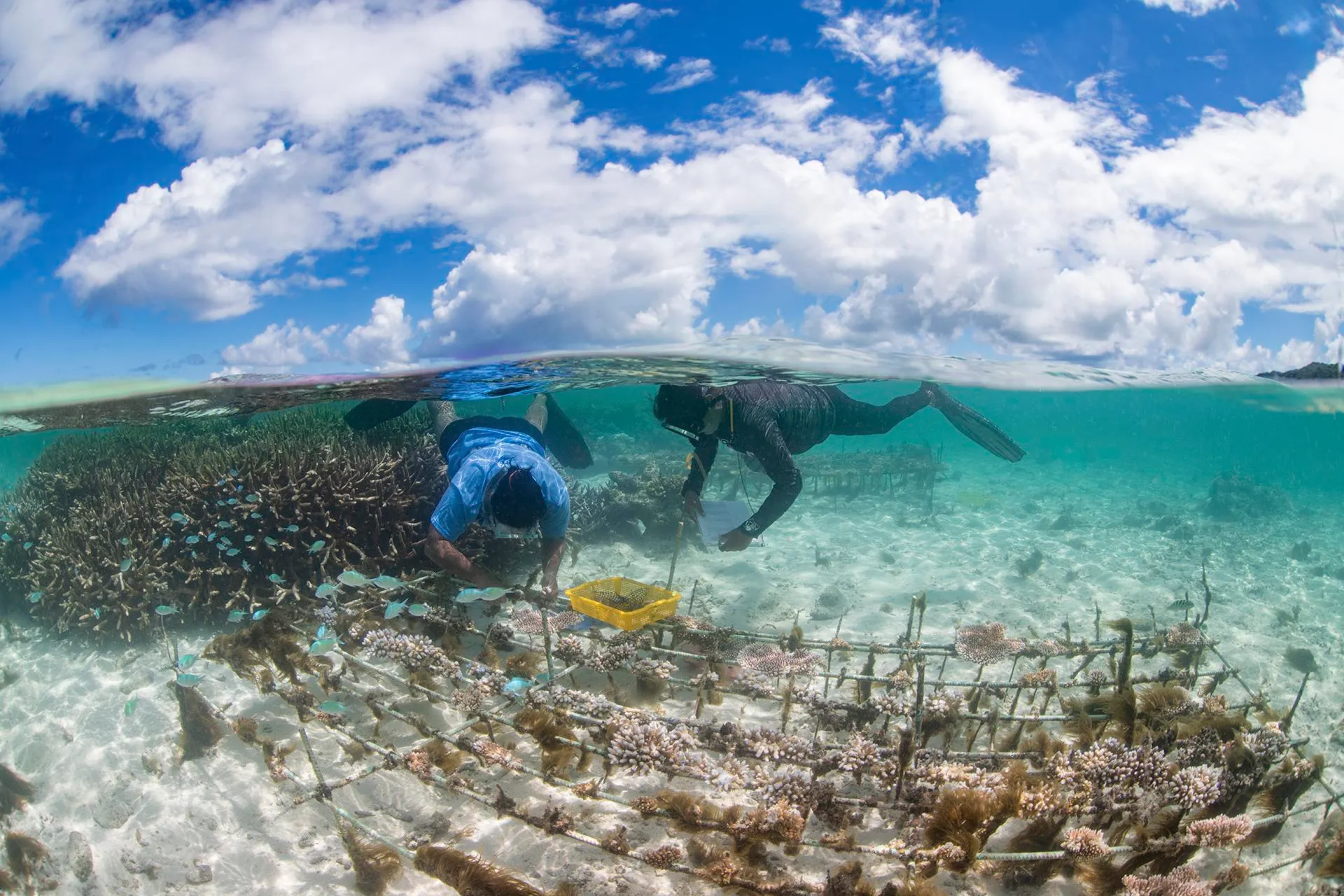
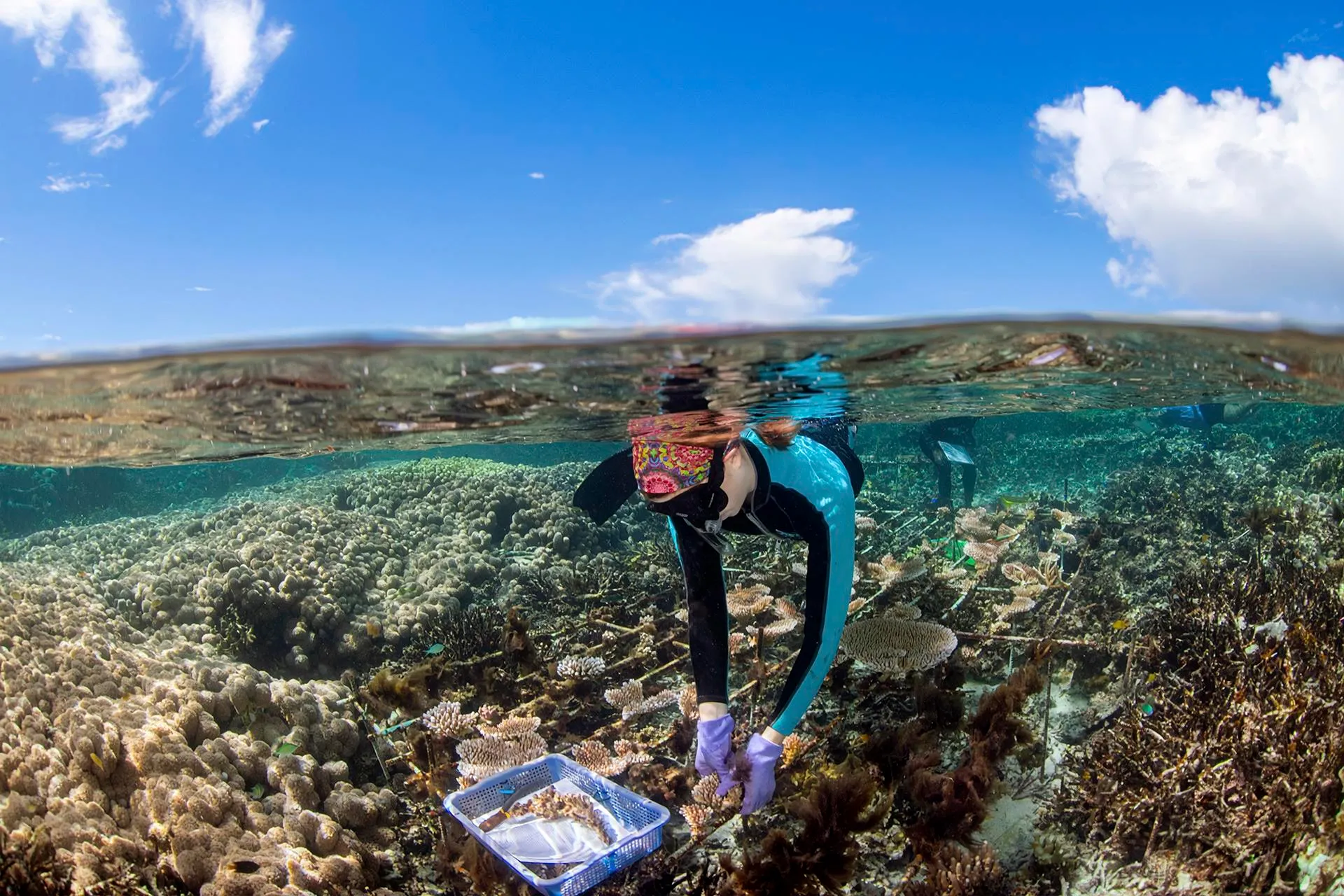
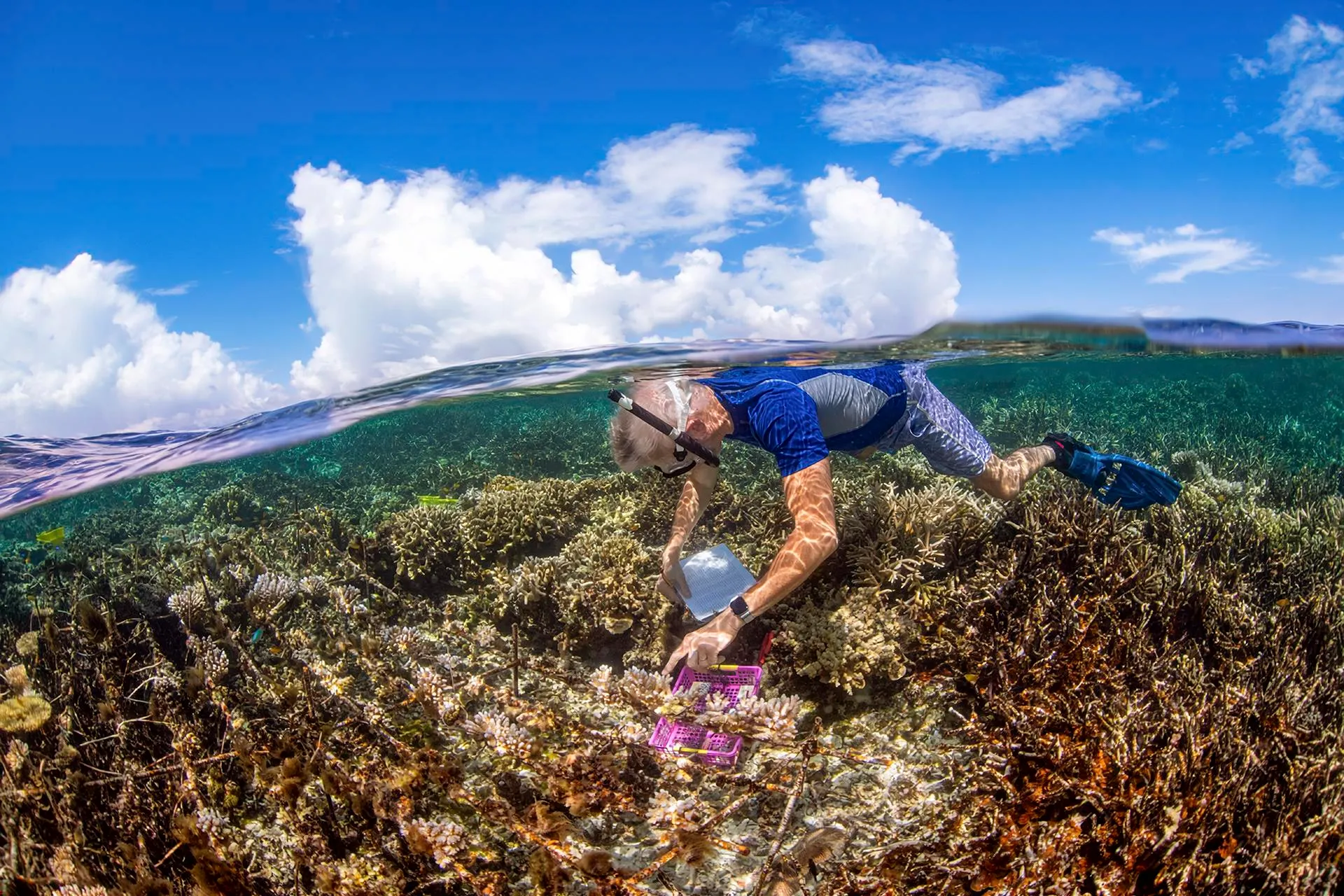
I followed Palumbi and the PICRC researchers over to metal structures on the reef that his team had built. They looked like sunken bed frames, and like those metal stars, they were covered in pieces of coral.
These corals are some of Palumbi’s guinea pigs.
Over the last two years, researchers in his lab at Stanford have been subjecting them to a variety of different heat tests and scoring their performance. The concept is simple: Put the corals in a tank, crank up the temperature, and measure how quickly each one bleaches. The colonies that stay colorful as the temperature soars — the “winners” — may be more tolerant to warming.
Why are some corals more heat-tolerant than others?
For years, scientists have been chipping away at this question. We now know, for example, that a polyp’s genetics has something to do with it; like height in humans, heat-tolerance is partly heritable and can be passed on from parents to their kids. The specific kind of algae living in the coral tissue — its solar power-plant partner — matters, too.
Yet there are still big unknowns. Scientists still don’t know exactly how the genes of polyps and algae may combine in some way to influence tolerance. In search of answers, a researcher in Palumbi’s lab, Brendan Cornwell, is running corals through heat tests, and then examining the genomes of the winners and losers in search of clues.
There are several different ways to measure a coral’s tolerance to warming in a lab. Some tests expose corals to moderately high temperatures over weeks, whereas others blast them with extreme heat over days, or even hours. Longer-lasting tests tend to better represent a natural heat wave — what corals will actually face in the years to come. But they’re expensive, time-consuming, and require expertise. That’s a problem for people who are racing to rebuild damaged reefs, especially in poor regions that lack fancy marine labs and funding.
Working with PICRC, the Nature Conservancy, and other partners, Palumbi’s lab has been trying to demonstrate that the quick and cheap version of these heat tests — using picnic coolers to pressure-test corals over a few days — works well enough. They can help identify heat-tolerant corals and, thus, improve reef restoration, all within one work week, and on a low budget.
That afternoon, Palumbi was collecting corals from those metal frames to test at PICRC. Using wire cutters, Palumbi and the other researchers snapped off branches of coral from the individual colonies. Breaking fragments of coral off a colony is not unlike taking clippings from plants — the “donor” colony continues to grow, even as parts of it are removed.
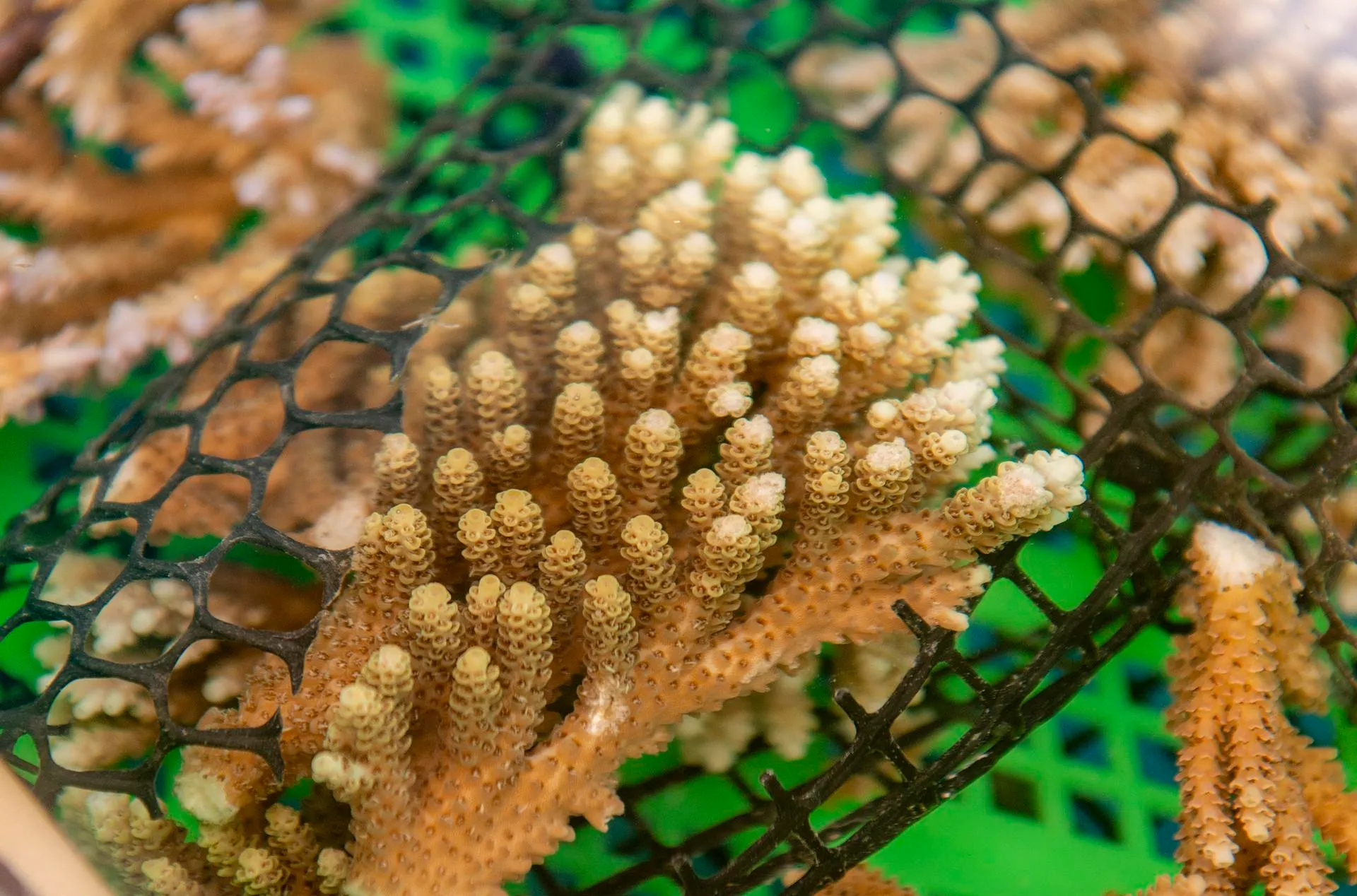
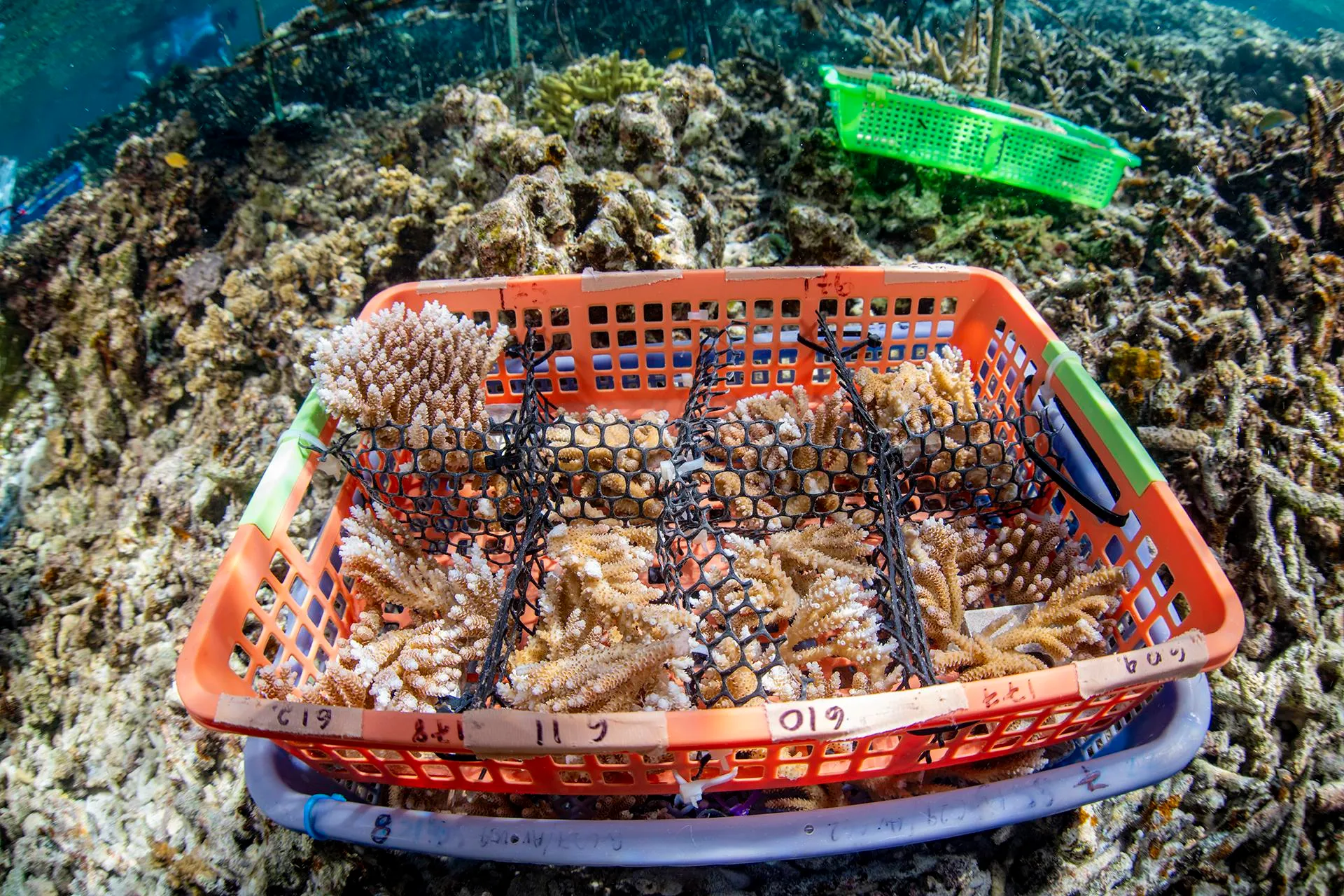
After filling plastic bins with dozens of coral fragments across three species, the researchers brought them to the boat, loaded them into a large container full of seawater, and then we headed back to shore.
It is hard to put a price tag on coral reefs, but those who have tried say it is quite a lot.
The authors of one study published in 2024 estimated that reefs in the Asia Pacific, which includes Palau, Australia, and Indonesia, among other countries, contribute about $25 billion a year on average to the region’s economies for their role in supporting fisheries and tourism alone.
That doesn’t include the damage that reefs offset during tropical storms. Coral reefs are self-regenerating seawalls that can reduce wave energy — dulling the fiercest brunt of a hurricane making landfall, for example — by an average of 97 percent. In the US, economists estimate that reefs save the country more than $1.8 billion a year just in avoided flood damage. Globally, the cost savings from coral reefs are far higher.
So it’s no surprise that people are so eager to rebuild reefs when they collapse.
To restore these ecosystems, people typically harvest fragments of coral from the wild and grow them in a tank on land or in a “nursery” in the ocean. Then they plant them, one piece at a time, on the seafloor, often using an adhesive putty.
Reef restoration has grown into a global project of enormous scale: A network called the Coral Restoration Consortium counts more than 900 reef restoration efforts worldwide led by more than 350 organizations. By one estimate, groups have spent more than $250 million on reef restoration over roughly the last decade.
But as important as those efforts may be, many of them haven’t worked — they haven’t actually helped coral reefs grow back. “Show me a square mile of reef that has been [successfully] restored,” Palumbi said. “There isn’t one.”
At the heart of that failure is climate change: Prolonged bleaching kills off much of the planted coral, undoing a tremendous amount of effort.
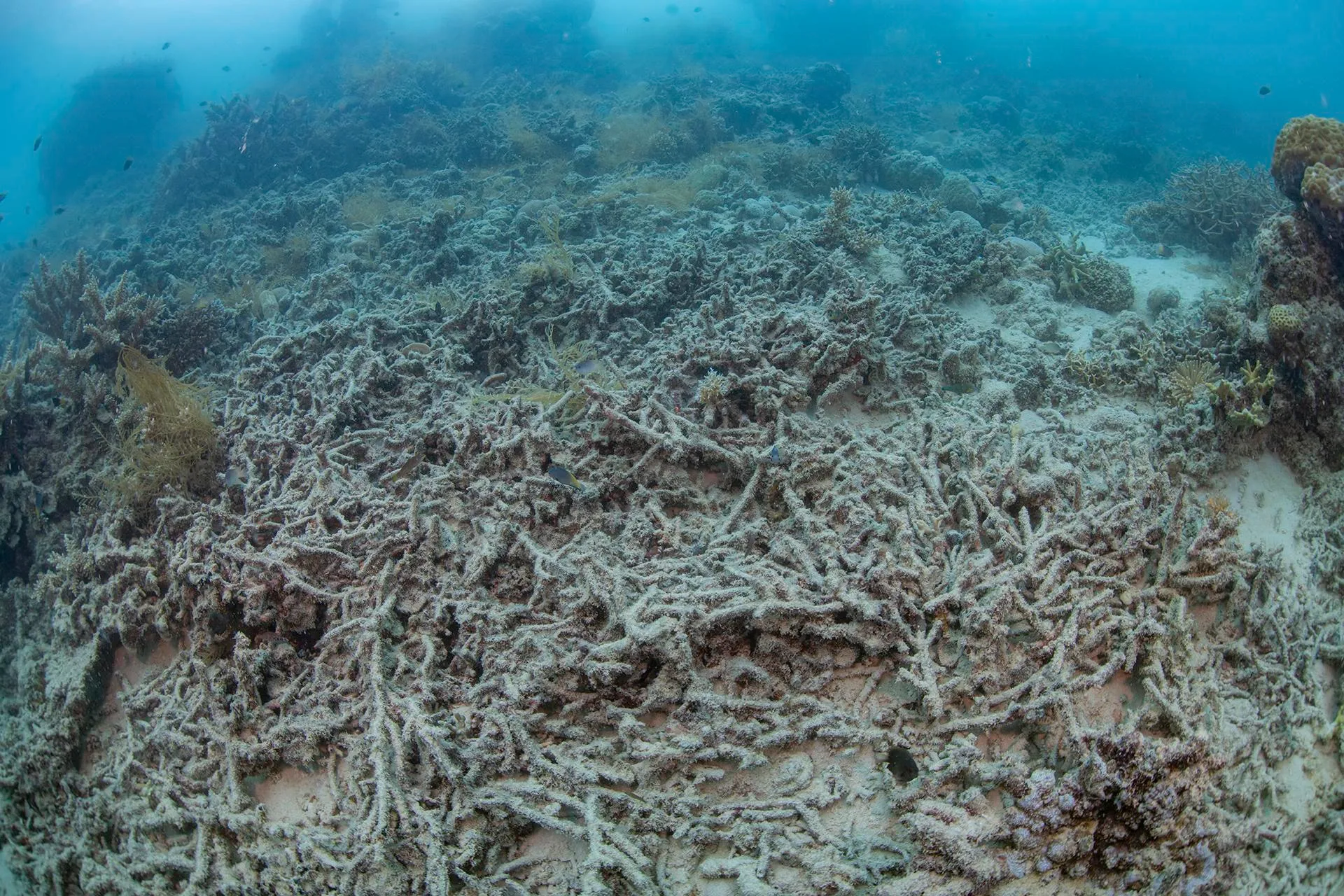
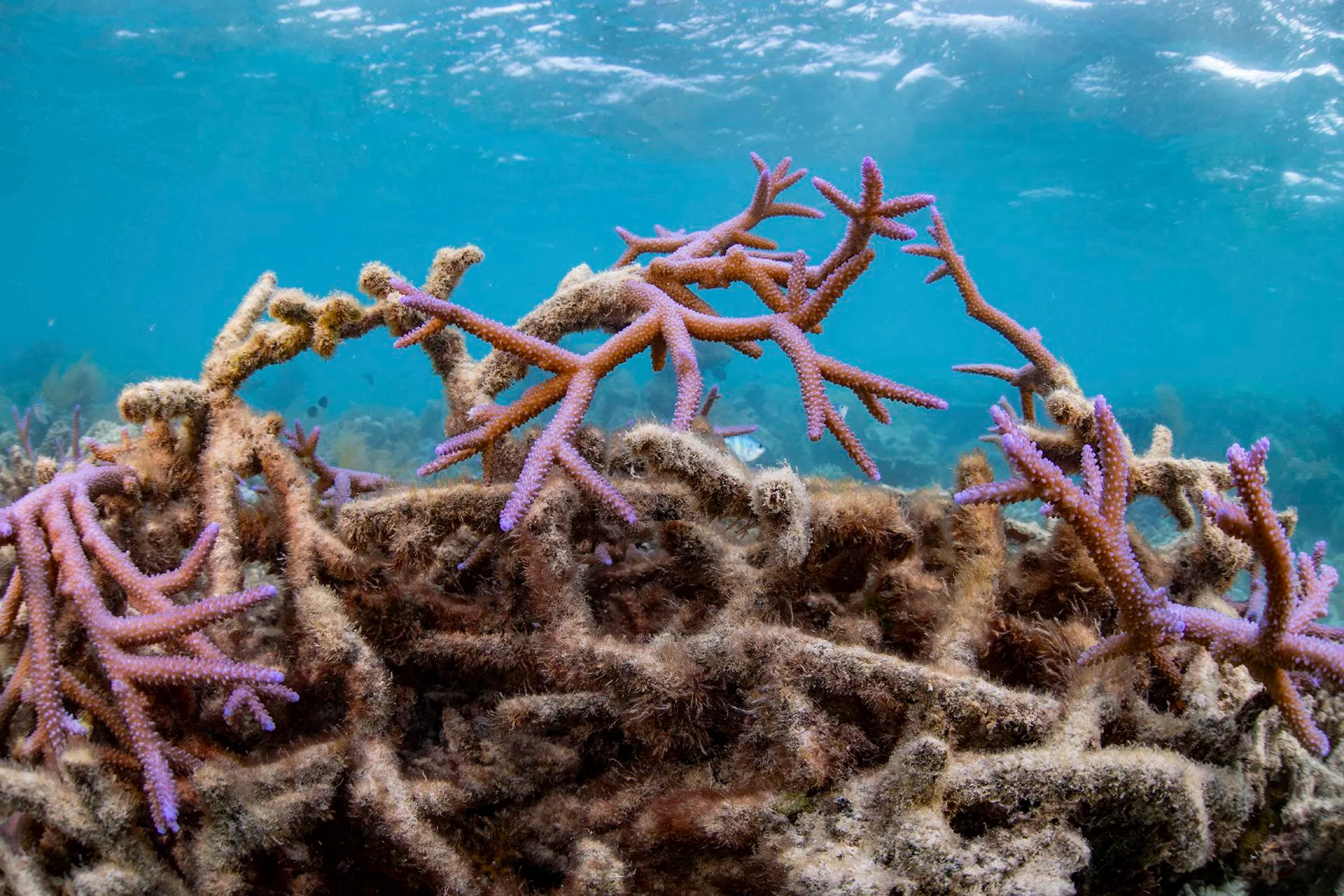
One of the most extreme examples of this is in Florida. In the last three decades, organizations have planted tens of thousands of corals in the Florida Keys, which is home to the world’s third-largest barrier reef. I visited in 2022 and saw the progress of restoration firsthand — there were beautiful fields of planted staghorn and elkhorn, two federally threatened coral species. Some colonies were more than a meter wide. I wrote a story about how it was reviving Florida’s reef.
Then in summer 2023, a record-breaking heat wave struck. The reefs turned a ghostly white. And eventually, nearly all of the staghorn and elkhorn coral in the Florida Keys — including the vast swaths of replanted corals — died, becoming functionally extinct. It was one of the more devastating things I’ve seen in my time covering the biodiversity crisis.
There are similar examples from around the world — in Colombia and Costa Rica, for example, along with Indonesia and the Seychelles.
It’s not that restoration groups are unaware of this problem. Scientists have been studying bleaching for many years in search of solutions. In Florida, researchers are testing out what happens if you cross-breed corals from South Florida with colonies from a warm reef in Honduras, which have a natural ability to withstand higher temperatures. Perhaps their hybrid babies will be more likely to survive the next heat wave. But most of these approaches are time-intensive, costly, run by teams of PhDs, or stuck in the lab.
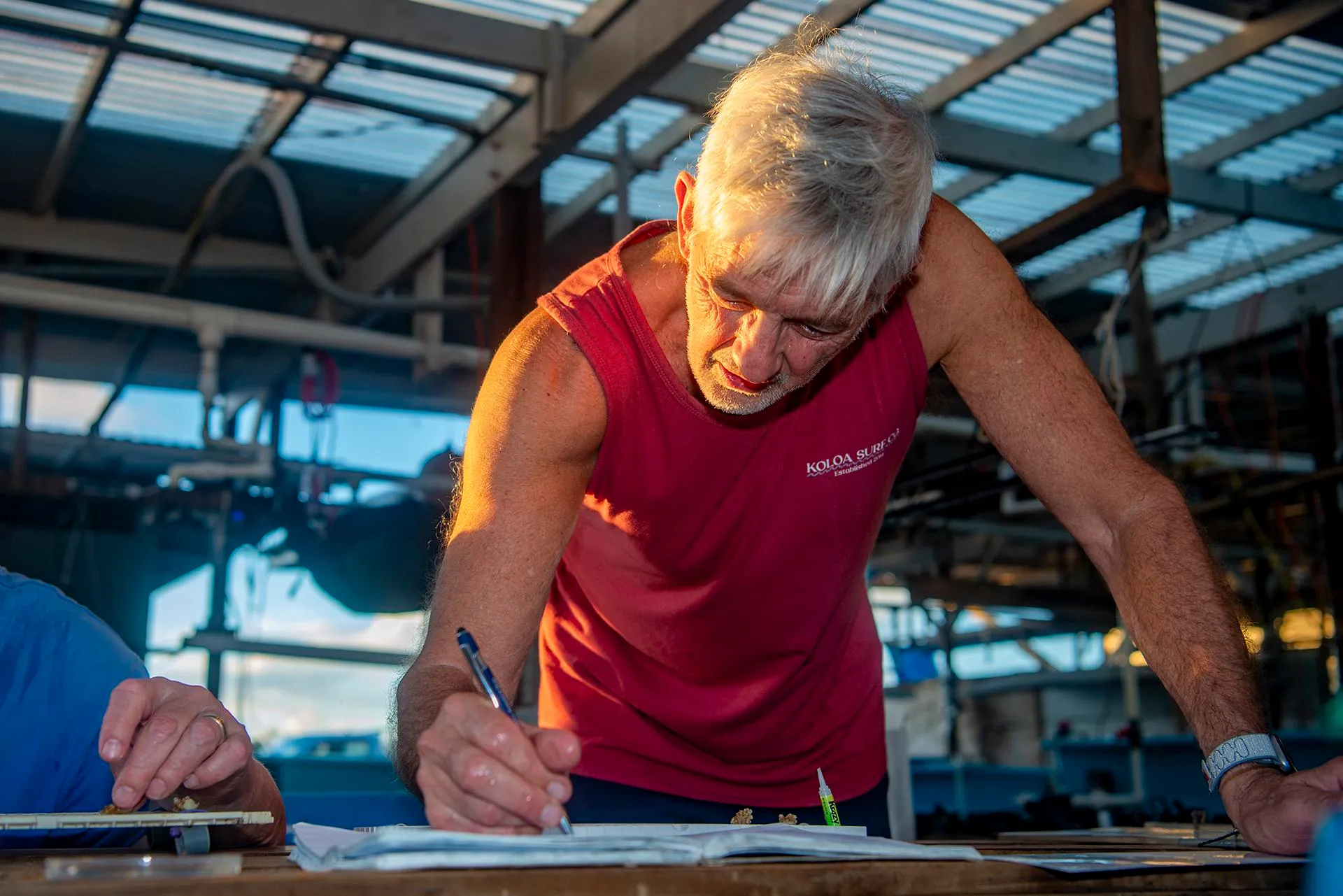
“The lab science is cool,” Palumbi told me. “But it’s going too slowly. We don’t have time to wait.”
The outdoor research space at PICRC looked like a typical marine lab — a labyrinth of pipes and pumps and, of course, tanks full of sea creatures, which in this case included corals, urchins, and giant clams that would abruptly close if you got too close. It looked appropriately science-y. With the exception of one wooden shelf. On it were eight blue and red plastic picnic coolers, in which Palumbi’s team is doing the bulk of its heat testing.
After returning to shore with bins full of coral fragments, Palumbi put some of them into the coolers, which were fitted with small heaters and pumps. The water inside was around 30 degrees C (86 degrees F). That’s the average high temperature for waters in this region, and the baseline for the test he was about to run.
Then Palumbi, rather unceremoniously, cranked up the dial.
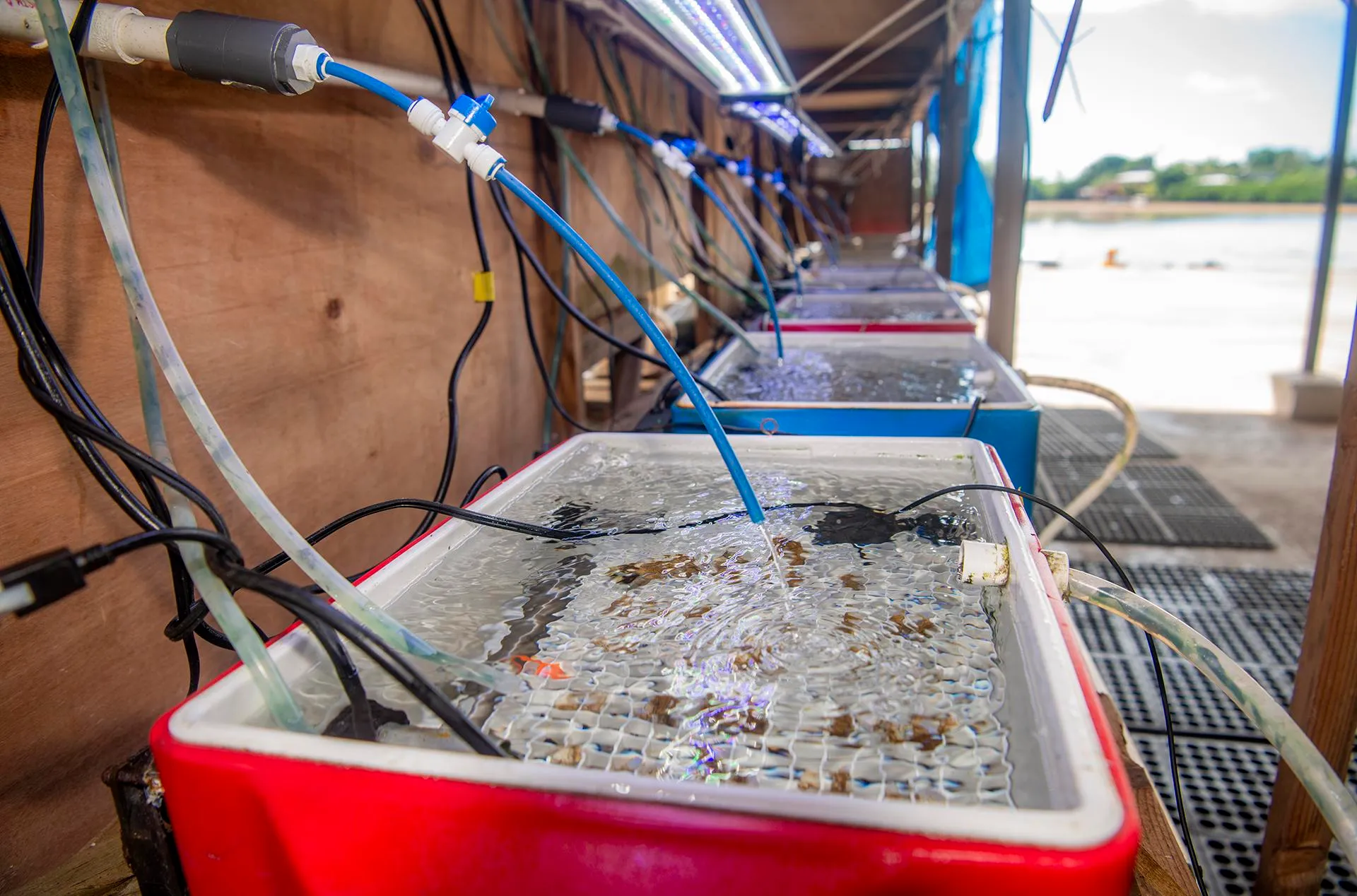
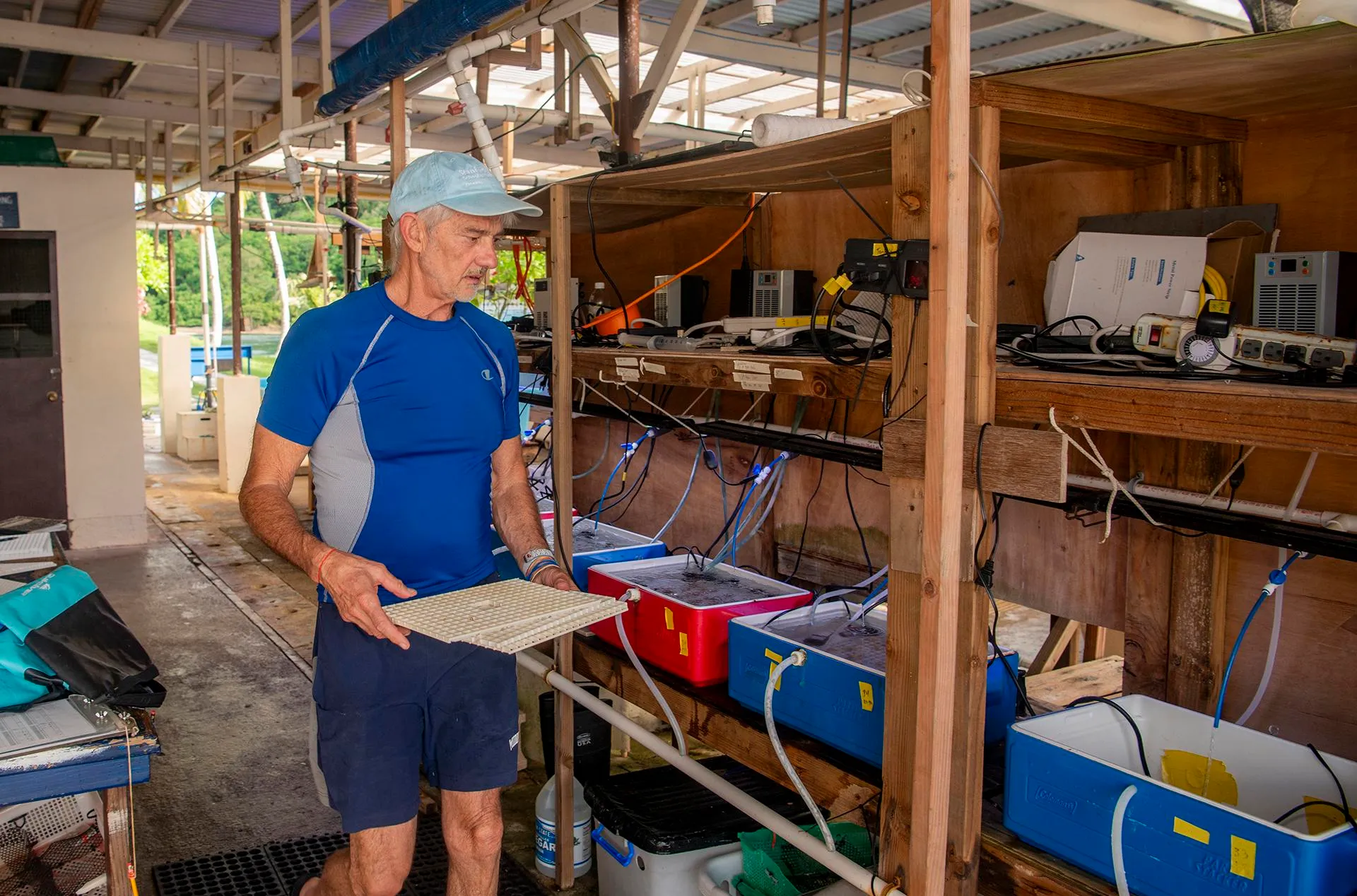
Over each of the next four days, the water in half of the coolers would hit a higher temperature, before returning to the baseline of 30 degrees. On day one, for example, it would reach 34; on day two, it would hit 35; and so on. And each morning, Palumbi would assess the fragments for bleaching. Although these tests run for only a few days, they’re meant to mimic what some corals might experience at low tide during a heat wave, Palumbi said.
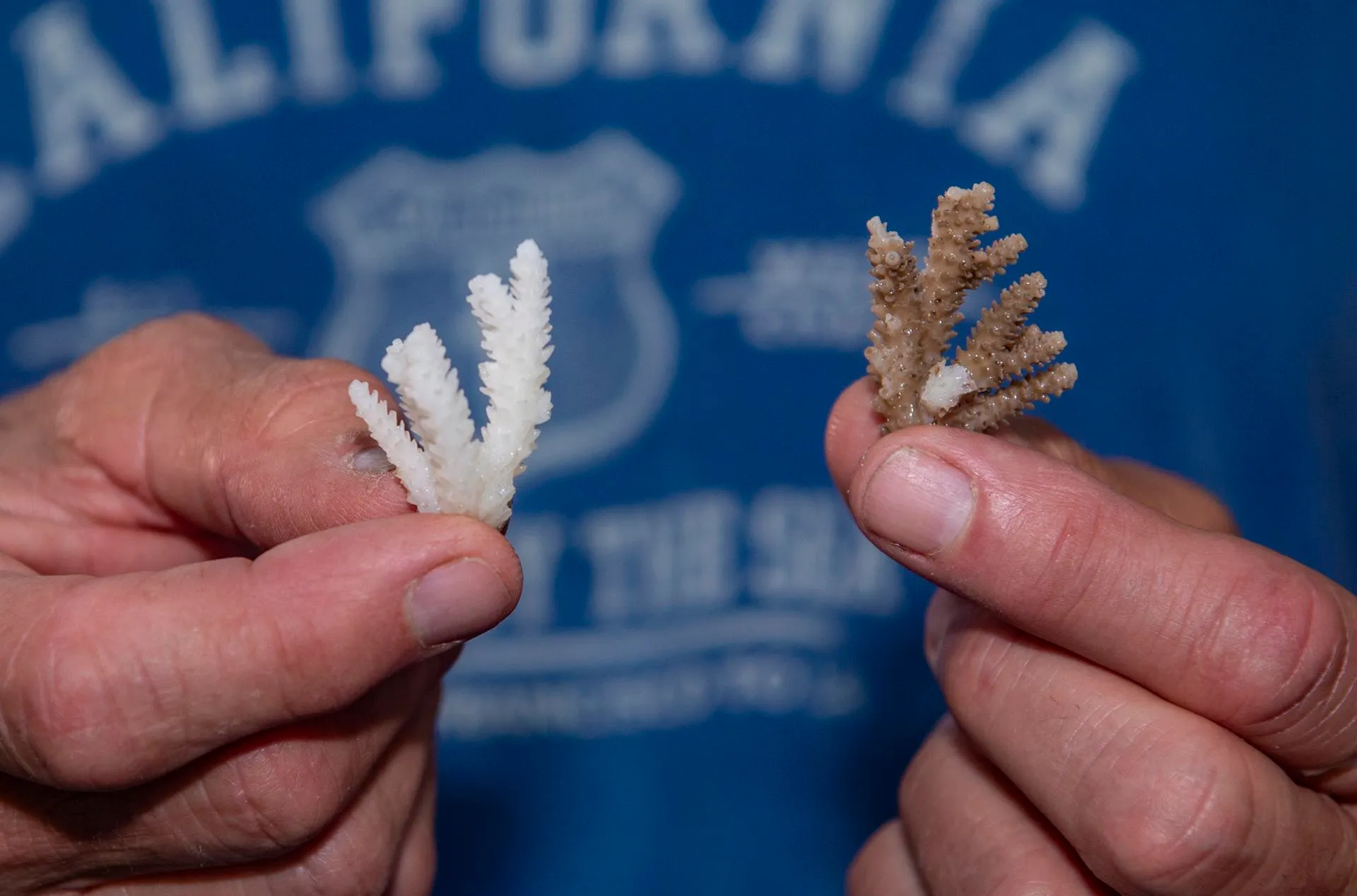
I visited the lab early one morning, after just one day of heat stress — after the coolers had reached 34 degrees. Palumbi laid the fragments out on a white grid to evaluate their color, ranking them from one (no bleaching) to five (fully bleached). They were shaped like twigs and still had their normal orangy brown color. No bleaching yet. By the next morning, however, the corals appeared more varied: Some were starting to pale and others remained saturated.
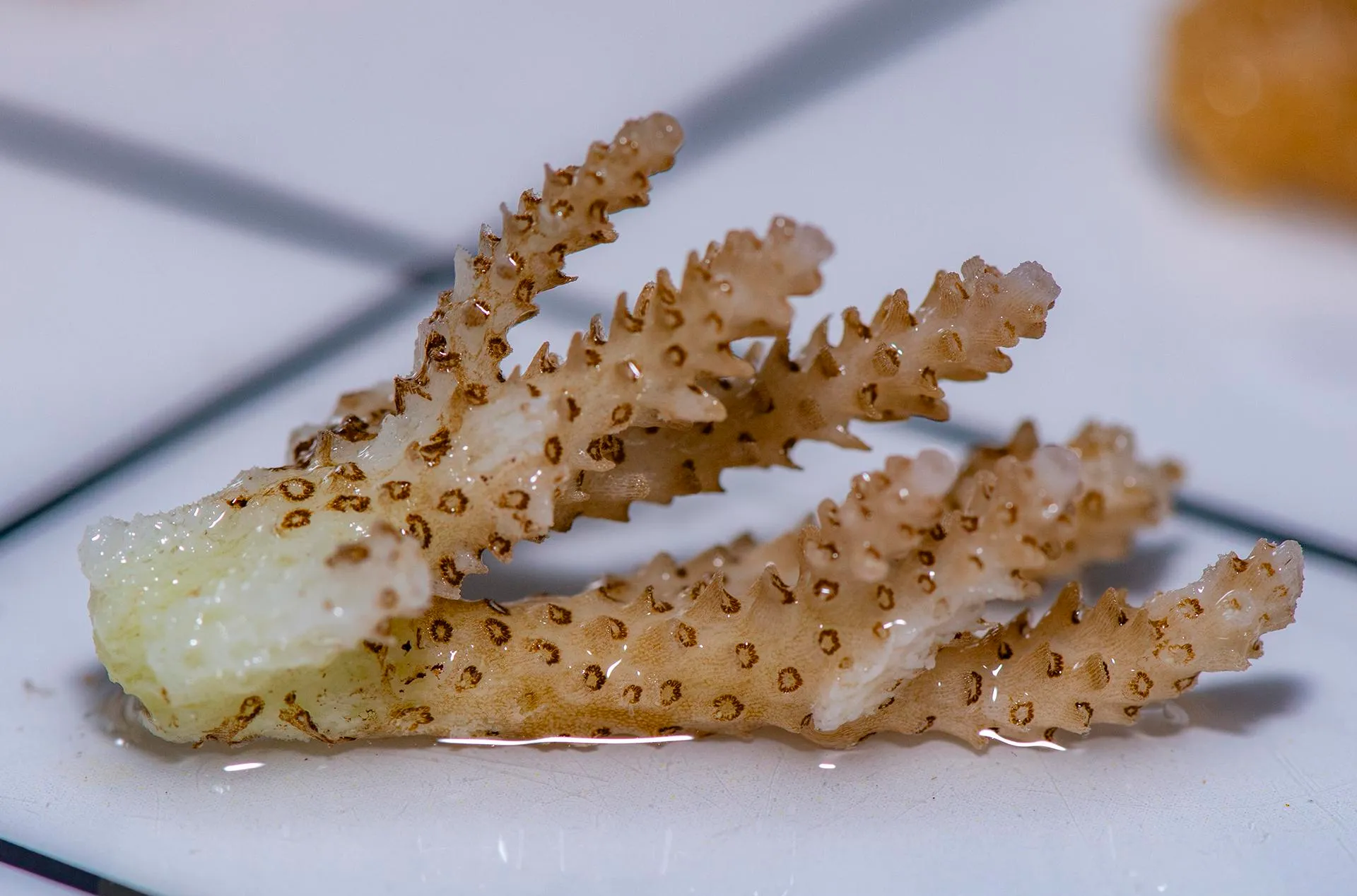
On the last morning of the test — after the coolers had reached 37 degrees, or close to 100 degrees F — nearly all the fragments were white, resembling cauliflower florets. They had expelled their algae. And yet a handful of the fragments still appeared mostly brown. Even after getting blasted by extreme heat, they hadn’t bleached.
“Those are the champions,” Palumbi said.
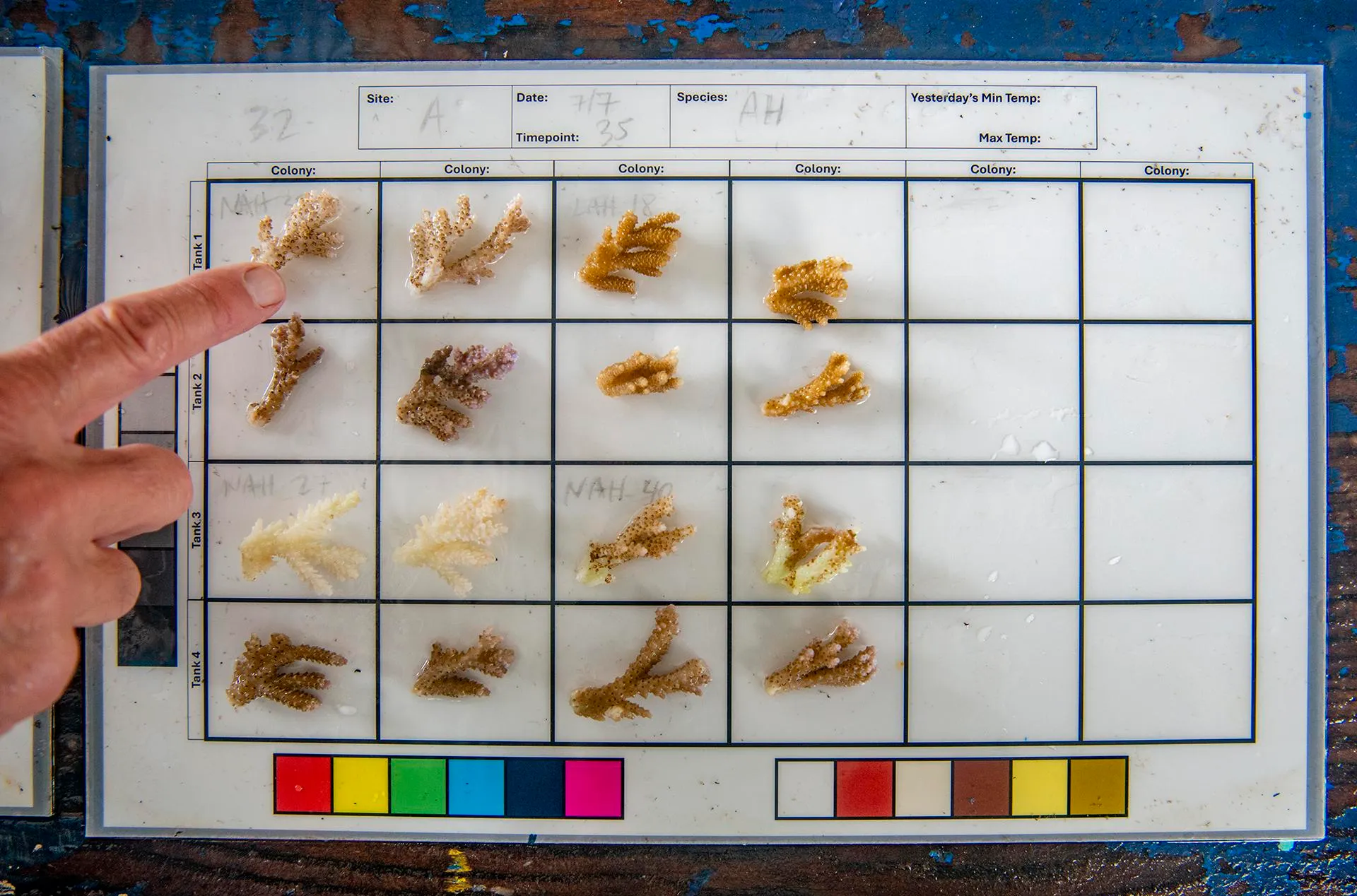
Palumbi believes that quick heat tests like this stand to benefit restoration projects across the tropics. The equipment, including four coolers, costs less than $1,000, according to Courtney Klepac, a researcher in Palumbi’s lab, who studies heat testing. Groups that are rebuilding reefs can essentially run the corals they harvest through these tests, and then only plant the champions.
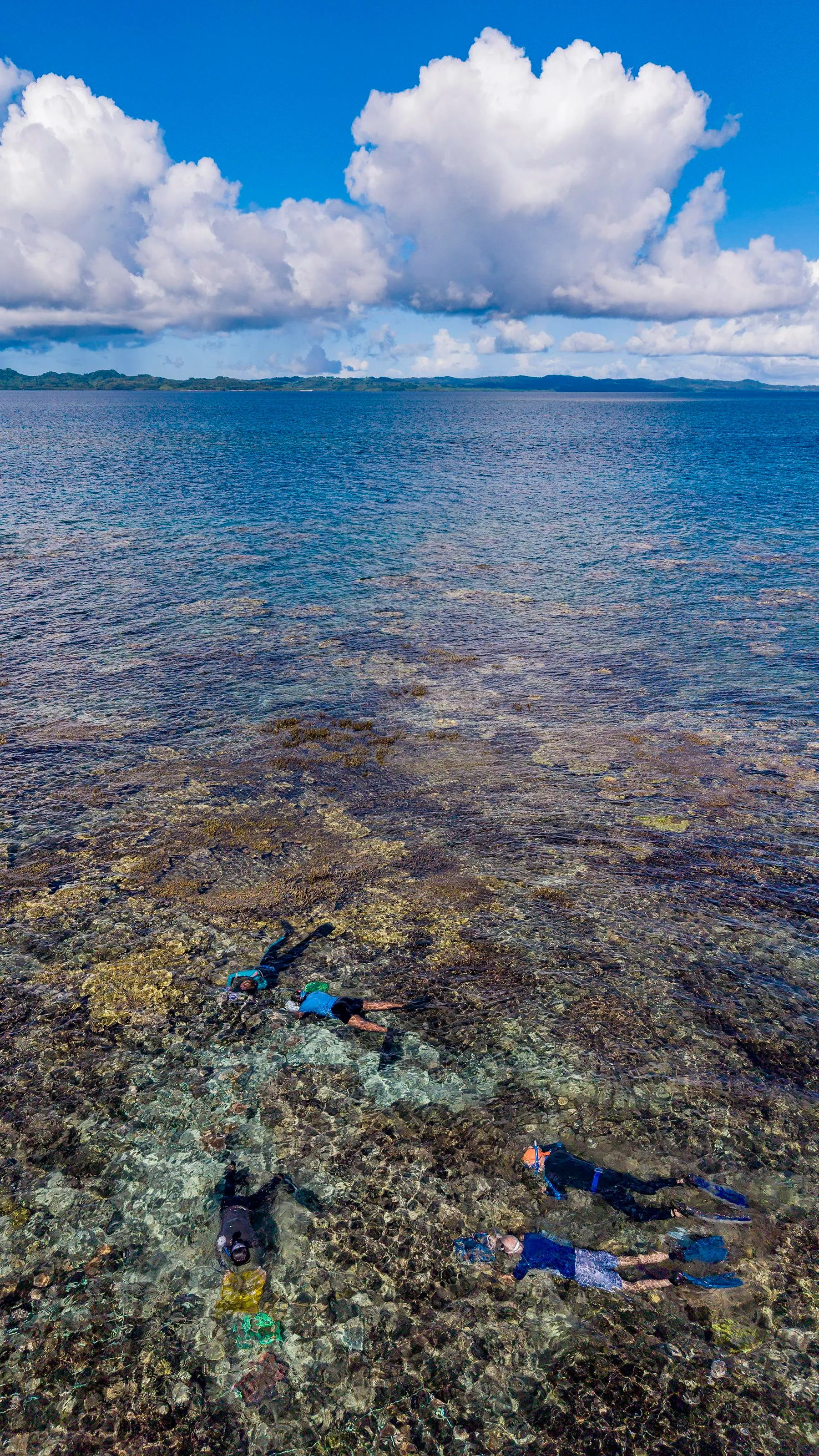
That’s precisely the idea behind a project Klepac leads called the Coral Futures Academy. She’s been helping environmental groups across the Pacific integrate these low-overhead heat tests into local reef restoration efforts. And these actually include the coral garden I snorkeled during the typhoon: All the pieces of coral there had gone through similar heat tests.
As promising as this approach sounds, however, there is an important caveat: These tests are only useful if they actually predict which corals are more likely to survive under real-world warming. And so far, scientists haven’t proven that.
Previous studies comparing short heat tests to those that are longer and more faithfully replicate a real heat wave show mixed results; the winners of one are often not the winners of the other. It suggests that surviving a short blast of heat requires different skills than withstanding warmth that lasts for weeks.
Some researchers have also measured what happens to corals that went through an even faster one-day test after they were put in the ocean and then experienced a real heat wave. The champions in those rapid tests were not always more heat-tolerant in the wild.
Ilan Bubb, a marine biologist at the University of Amsterdam who’s studied heat tests, says it’s like trying to predict a person’s marathon time based on how well they perform in a sprint. “We know there’s some correlation there, but how good is that correlation?” he said. “How much information you can get about that marathon from a hundred-meter sprint is still just undetermined.”
Palumbi, Klepac, and their colleagues have been exploring this question, too. They’ve compared bleaching scores from heat tests that last for three or four days to those that last for roughly two weeks. The results appear to be similar, Klepac said: On average, the same corals resisted or succumbed to bleaching in both experiments.
Klepac has also studied what happens to heat-tested corals when an actual marine heat wave hits. At the coral garden I visited with those metal stars, PICRC researchers planted the heat-test winners as well as the poorer performers, as a point of comparison. And as Klepac’s unpublished research shows, the winners of the short heat tests survived better during a bleaching event in Palau in 2024, compared to the losers.
“I am probably one of the few people that you will talk to that kind of low-key gets a little excited for bleaching events,” Klepac told me. “It is a very true test of what we’ve been doing. If we’re trying to market this approach, I want to feel confident that what we’re prescribing actually works.”
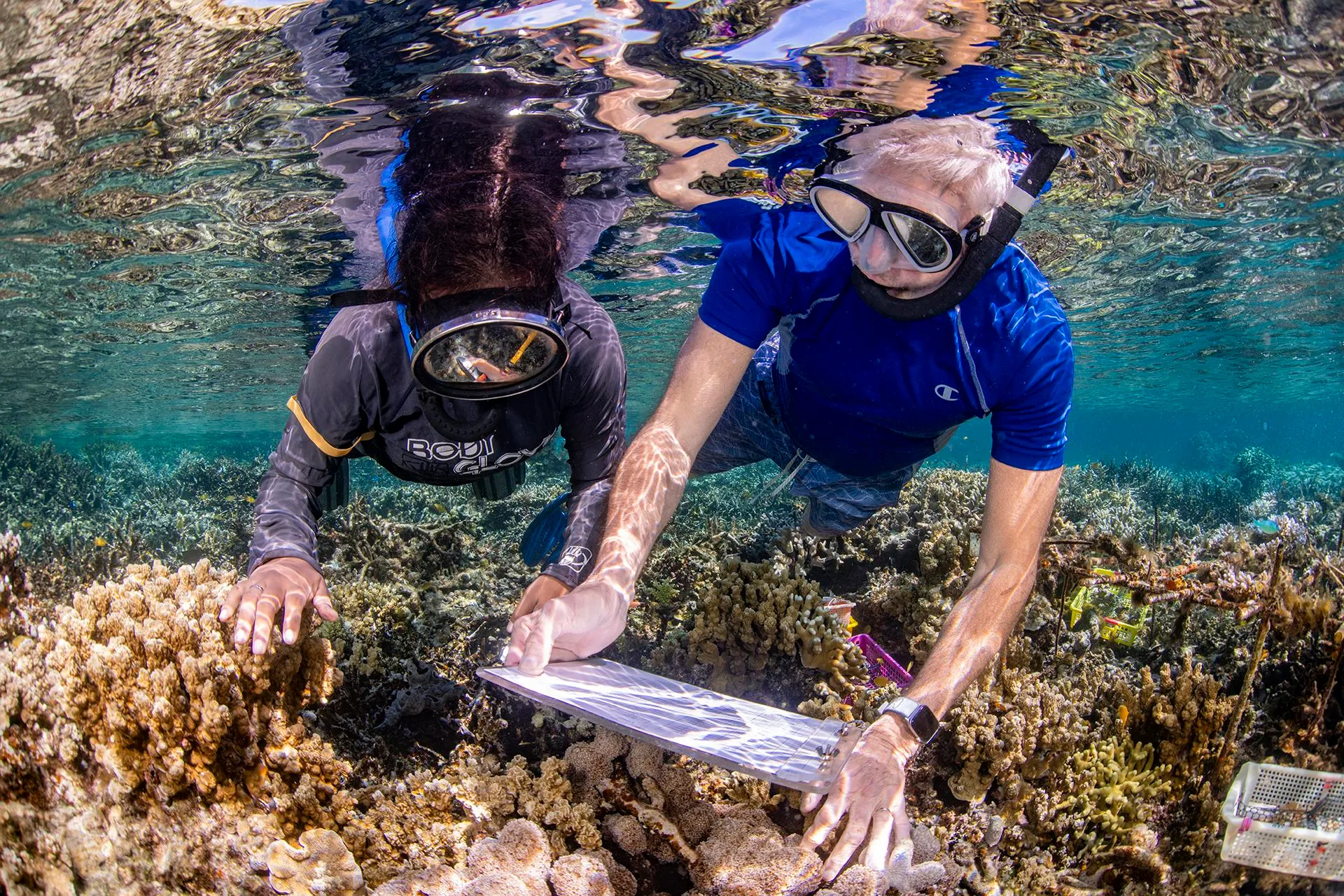
There are other drawbacks to this testing approach. For one, it relies on a visible trait — whether a coral resists bleaching or not. That trait, however, doesn’t always indicate whether the coral has the genes to resist bleaching. The colony may have just been healthier going into the test than its peers. Two runners, for example, might get different times in a 100-meter sprint, not just because of their genes but because of how much rest they got the night before.
This matters when you’re trying to rebuild a reef: Typically, you want the coral colonies you plant to eventually reproduce and create heat-tolerant babies. That only happens if the parents have heat-tolerant genes.
And there are other traits that corals need to survive, beyond the ability to withstand warming.
“It’s not just about heat tolerance,” said Liam Lachs, a coral researcher at University of Queensland in Australia who has extensively studied the value of different heat tests.
Read more Vox reporting coral reefs
- An exclusive look inside the largest effort ever mounted to keep the Great Barrier Reef alive.
- Scientists are testing a surprising approach to fighting hunger in one of the poorest places on Earth.
- Florida’s iconic corals aren’t having babies anymore. Scientists are alarmed.
- These beloved sea creatures are dying. Can human medicine save them?
By only planting the corals that perform well on these heat tests, you might miss colonies that have other important strengths, such as the ability to withstand disease. In fact, future research may reveal that testing corals for one of these other traits may ultimately be a better predictor of their survival in the era of climate change, says James Guest, a reef ecologist at Newcastle University in England.
Palumbi readily admits that the short picnic cooler tests are not perfect. But the important question, he says, is whether they are good enough — good enough to start using them now to help reefs as the science around fitness testing gradually improves.
That much is clear, he says, and several other researchers I spoke to agreed. While the utility and accuracy of short heat tests is not yet proven, people who want to rebuild reefs should still use them, they said. For restoration, there simply aren’t many better alternatives.
“It’s quick, it’s easy to do, people can apply it relatively straightforwardly, and it offers some kind of test,” Guest told me. “Coming up with these practical approaches makes sense.”
The sun was still low in the sky as Palumbi and I strapped on our tanks and weights and plunged into the ocean near one of Palau’s floating islands.
Sinking down felt like descending onto an alien planet. There were rolling hills of branching coral and stacks of plate coral the size of merry-go-rounds. Schools of colorful fish flew over them, like flocks of birds across a woodland.
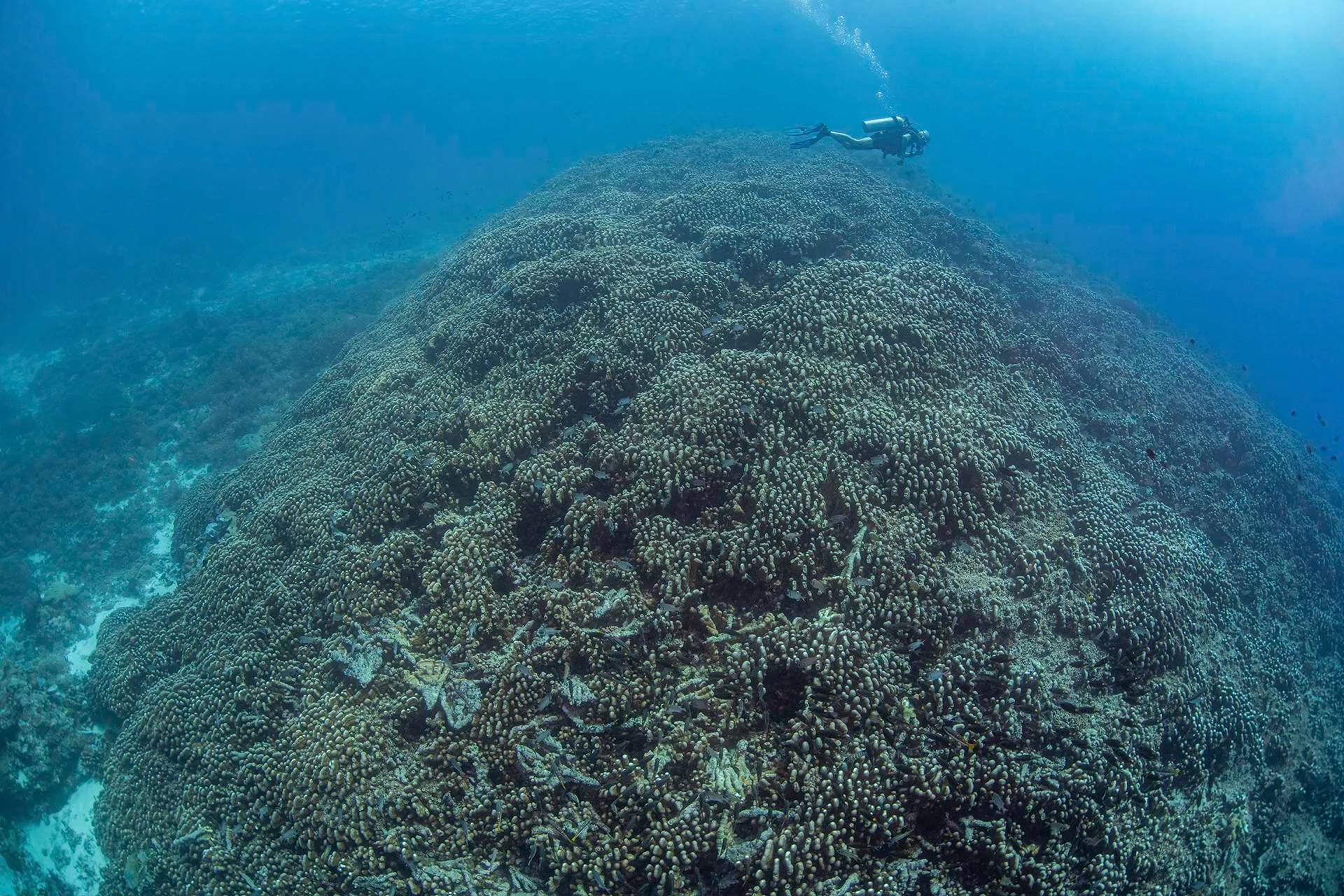
Toward the end of the dive, we came across a single coral colony as large as a suburban home. The surface was lumpy and covered in what looked like large bulbous fingers. Given its size, the coral was likely at least three hundred years old.
When we were back on the boat, I asked Palumbi what he thought of the reef. “It doesn’t get better than this,” he said.
Isn’t it arrogant to think we can recreate, or even fortify, something as complex as a coral reef?
There could have been 200 species of coral on this one reef alone, Palumbi said, some of which may still be unknown to science. If this is what coral reefs are supposed to look like, even our best science probably can’t recreate them.
It seems like our time would be far better spent trying to prevent reefs like this from dying in the first place. “We all know that we have to solve the bigger problem,” Guest said. “If we don’t reduce carbon emissions and we don’t deal with climate change, nothing we do is going to help corals.”
But the way Guest and other scientists see it, restoration — and the science to improve it — is not about recreating thriving coral reefs. The goal is much more humble, and much more depressing: to prevent as many species and reefs as possible from disappearing altogether so that, if and when the planet cools back down, there’s still something left to regrow.
Reef restoration encompasses a broad range of approaches, Guest said, meant to “stop species and populations from going off into an extinction vortex.” It would seem anything that might help that cause even a little bit — including a handful of plastic picnic coolers — is worth a try.
The post Why scientists are using cheap picnic coolers to protect some of the world’s most endangered animals appeared first on Vox.