I believe AI will change the world for the better.
I work in B2B marketing, and my job is to stay up to date on what’s happening in the world of tech and AI. Outside work, I’ve self-published a children’s book about AI, host my own podcast about how AI is affecting our professional and personal lives, and organize events for women curious about AI.
Yet, while AI has given me more capacity in the past few years than I’ve had available in the past 10 to 15 years, it has also caused me the most burnout of my life.
An AI conference catapulted my AI journey
A few years ago, I was tasked with helping coordinate one of the main stages of an AI conference in France. That conference started everything for me.
Before, I’d assumed that AI was mostly just used to solve business problems. A talk by the founder of the AI Centre of Excellence Africa inspired me to think about AI as a global opportunity for good, not just a tool to solve business problems. I thought, if AI can help people, I’m all in.
I read every article I could get my hands on, including both pro- and anti-AI think pieces. I read every book my boss suggested, and started giving my opinion on the topic in meetings.
I tried keeping up with the constant updates and had subscriptions to almost every major AI tool, because I wanted to try every new one. I even canceled my Pilates membership, so I wouldn’t feel guilty about paying for more than one LLM subscription.
It was exhausting, but worth it.
I wanted to help others understand AI
My oldest son often heard me listening to podcasts about AI or talking about it with my husband. He started asking questions, and it made my heart soar.
At the beginning of 2025, I decided to self-publish a children’s book about AI to give kids a gentle introduction to this world of tech. I previously worked in early education, as a teacher and a nanny, so this project was important to me.
I wrote all of the copy myself, but I used AI for every illustration. I couldn’t afford to hire an illustrator and wanted to see what AI could do, though I was careful not to use anything that resembled any artist’s work or copyrighted art.
While working on the book, I was feeling a bit run-down, but I had things to accomplish, so I pushed forward and ignored it.
Over time, the run-down feeling amplified
I was thinking about AI constantly — feeling like I needed to do more with it, know more about it, and also bring others along with me.
In the summer of 2025, everything started to pile up. My anxiety was at an all-time high, I lost weight, my Crohn’s disease symptoms flared, and I was snapping at my family and friends.
Between my laser focus on trying to be a woman on the forefront of AI, working on my children’s book, staying afloat as a corporate woman, being present as a mother, wife, sibling, and friend, and taking care of my health, I was trying to keep every ball in the air — and nearly dropped all of them.
Bigger picture reasons also played a role. AI was supposed to change the way we work. Then, we were told AI would replace our jobs, even as we were told to use it as much as possible. Tokenmaxxing became the name of the game, but when corporations realized it was expensive, teams started pulling back and finally asking, “How do we implement this in a way that makes sense?” The constant switch-up is exhausting.
There’s also a disconnect between corporate reception and public opinion. While LinkedIn conversations about AI center on efficiencies and gains, discussions on TikTok are a lot more raw and honest, raising privacy concerns, pushback against data centers, and worries about mental health.
The conversation around AI has evolved to be about access, bias, wealth, politics, and so much more. No matter how many times I tell my LLMs that I’m a Black woman, it defaults to a different race and gender when creating assets.
As a parent, it’s already hard enough explaining to my 5-year-old that the videos he sees on YouTube aren’t all real. Now, I also have to prepare to explain AI-generated images and deepfakes.
How I’m getting out of my burnout
I talked to my doctor, who changed my anxiety medication, upped the dosage, and recommended cutting caffeine and seeking therapy.
Talking to my husband and friends about it and taking a girls’ trip helped, but didn’t solve my burnout.
If I’m being honest, I’m still not out of my burnout, but I’ve found ways to help.
I’m getting better about stopping the “AI social media doom scroll,” and I started putting my phone away more often so I can be fully present with my family.
I’ve changed how I use AI over time. I cut my subscriptions down — I only pay for Claude now — and I’m more intentional about what I want when I turn to AI. I don’t use AI for coming up with games or stories for my kids, as it’s something I enjoy doing with them, so I won’t give that to AI.
Despite its faults, I believe AI can solve real-world problems
AI may have caused my burnout, but it was my human cognition that gave me the insight and tools to recognize the burnout and do something about it.
In the fall of 2025, I started my podcast, “AI on the Side.” Being open and honest about my feelings around AI has helped me.
I truly believe that, even with its faults, AI will change the world. The tech isn’t the problem; it’s the people in charge of the tech. This technology shouldn’t be left up to only the tech bros and trillionaires.
I don’t have all the answers about AI, implementation, or privacy. But I do believe the people inspired by or curious about AI will let their curiosity lead them into solving real-world problems in the future, and that future is nearer than we think.
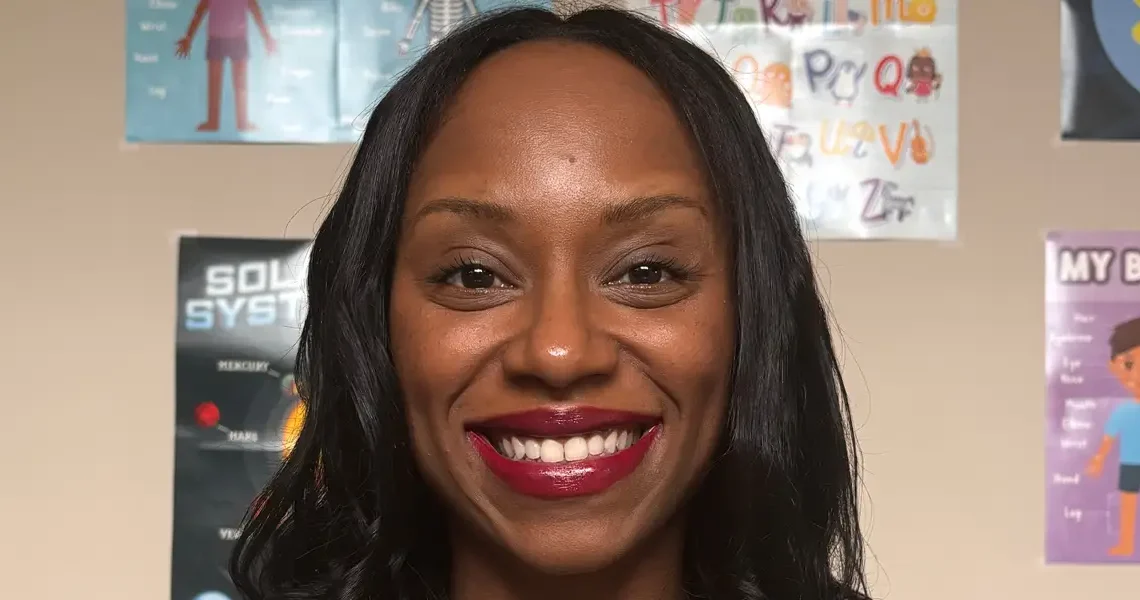
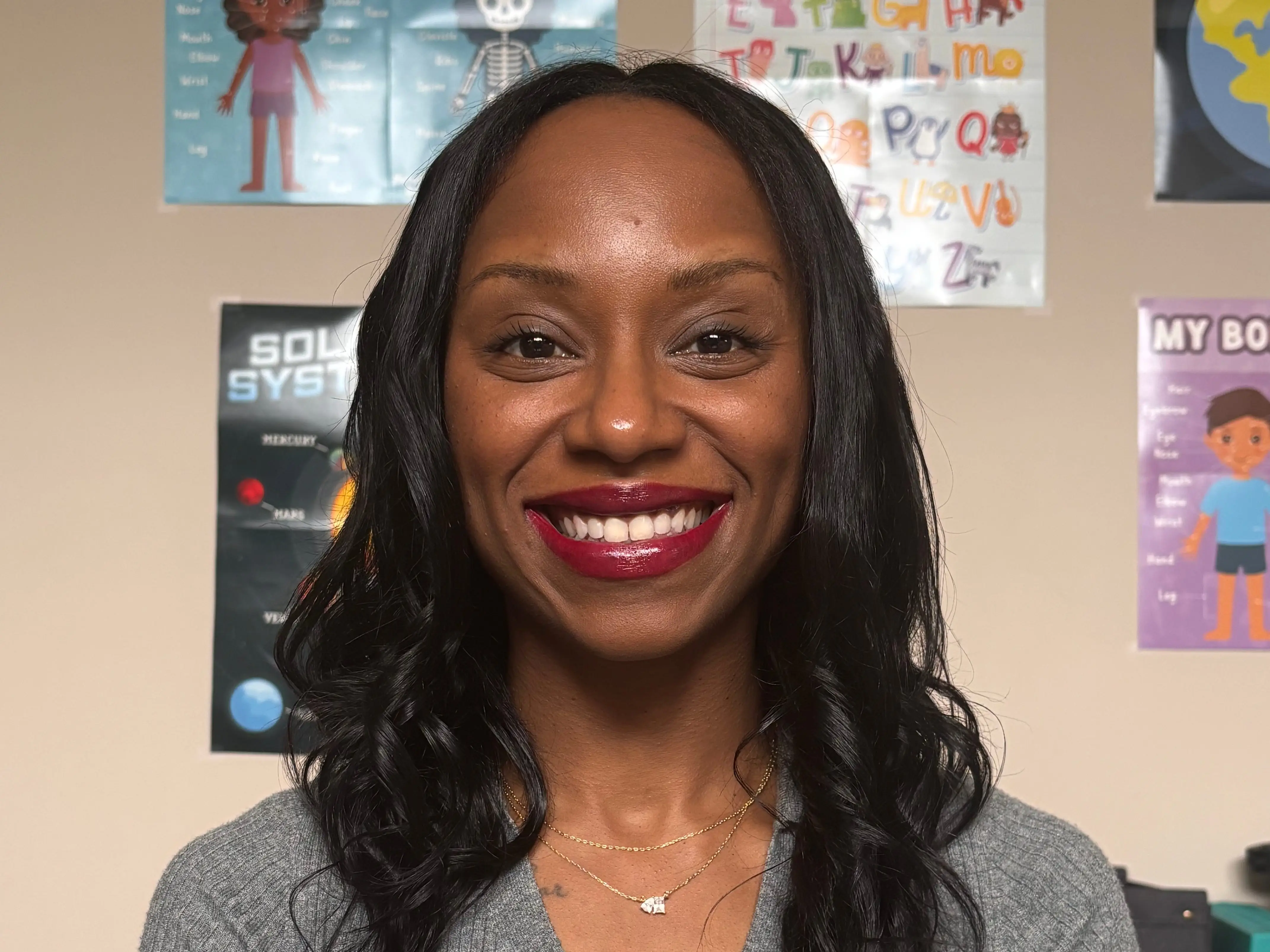
Shalirrah Wisney is a mom of two, podcast host, author, and B2B marketer with a passion for education, access, and opportunity for everyone. She believes that AI belongs to the many, not the few.
Do you have a story to share about burning out from AI? Contact this editor, Jane Zhang, at [email protected].
Read the original article on Business Insider
The post I burned out from AI overload. My anxiety peaked, I lost weight, and I was snapping at my family and friends. appeared first on Business Insider.