
Every American swears they’re “so busy,” yet somehow we all manage to lose entire workdays inside browser tabs we don’t remember opening. The digital drain is relentless. You sit down to answer one email, and suddenly you’re reading about a 1990s celebrity divorce you didn’t even care about the first time. Somewhere inside this mess, actual work is supposed to happen.
StudyFinds highlights new data from Shift’s 2026 State of Browsing Report, and the numbers feel bleak in a very modern way. Twenty-one percent of Americans get distracted online multiple times an hour. Thirteen percent lose half an hour recovering from each interruption. Not an hour a day. Half an hour every time the brain gets yanked off-task. If focus had a pulse, this would qualify as a medical emergency.
Most people underestimate the bleed. Forty-three percent lose focus several times per day, and only 23 percent can bounce back quickly. The rest drift through a fog of half-finished tasks and tabs that form a digital scrapbook of good intentions. Notifications lead the hit list at 24 percent. Social platforms pull in 23 percent. News rabbit holes claim 18 percent. Thirteen percent blame the mental tetris of juggling apps and tabs. It adds up faster than anyone wants to admit.
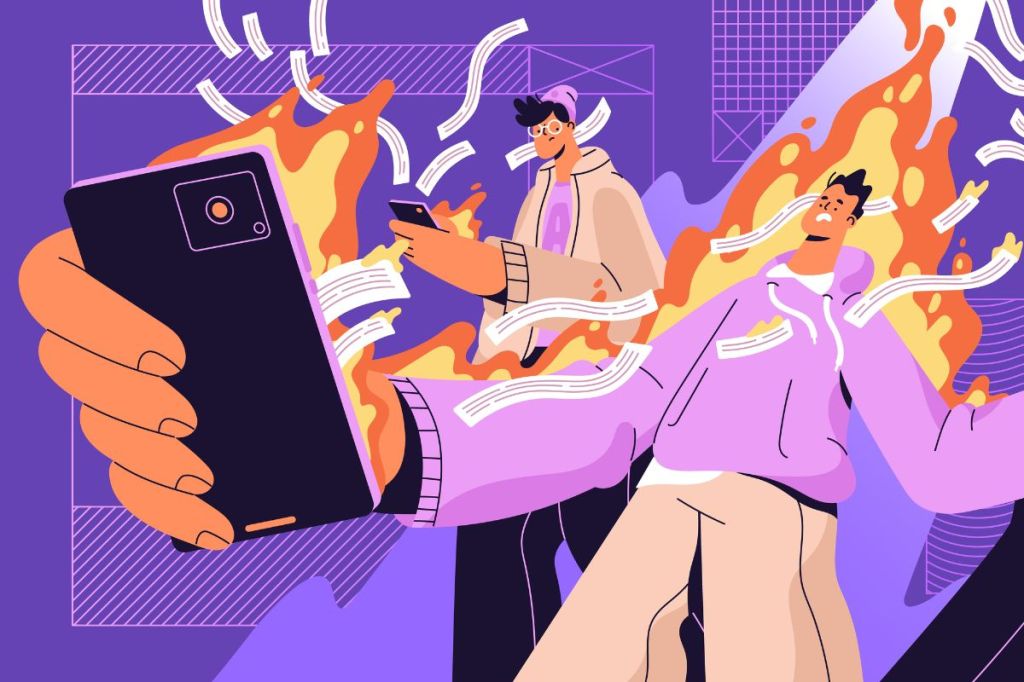
Americans Are Losing Whole Days to Screen Time, Study Finds
Modern work sets us up for failure. Half of all respondents use three to five apps daily. A third spend nearly their entire workday online. Twenty percent say app switching alone derails them. Browsers function like a shared workspace and a carnival midway. Forty percent of desktop time goes straight to personal browsing. Only 26 percent goes to actual work. No wonder 47 percent say the browser distracts them as often as it helps.
The tab situation explains plenty. One in five people has 11 or more open at once. Boomers keep it simple with five or fewer. Younger users treat tabs like emotional support animals. Each one waits patiently, ready to ruin the next hour.
What people want from their browsers says everything. Thirty-nine percent want separate logins. Thirty-four percent need help organizing tasks. Thirty-one percent want notification blockers. Nearly everyone wants personalization. Attention protection is no longer a preference. It’s a survival strategy.
This is the cost of being online all the time. Not burnout, exactly. More like slow-drip cognitive erosion. A workday shaped by pings that feel small but steal real life by the minute. Whether the internet adapts to us or we adapt to this insanity remains to be seen. But the clock is already running, and the browser is still winning that battle.
The post How Americans Are Losing Whole Days to Their Own Screens appeared first on VICE.