As Hurricane Lala barreled toward the Big Island on Saturday, Brian Miyamoto, director of the Hawaii Farm Bureau, a nonprofit that supports farmers in the state, worried about possible damage to Hawaii’s 6,500 farms.
Flooding could wash out crops, erode topsoil or bring in debris, he said. Power outages could affect cold storage, while wind could damage farm buildings and equipment.
“The impacts can be long-lasting,” he said.
Hawaii imports the vast majority of its food, but the state has been trying to increase local production and become more self-sufficient, particularly during disasters when ports may be closed, Mr. Miyamoto said.
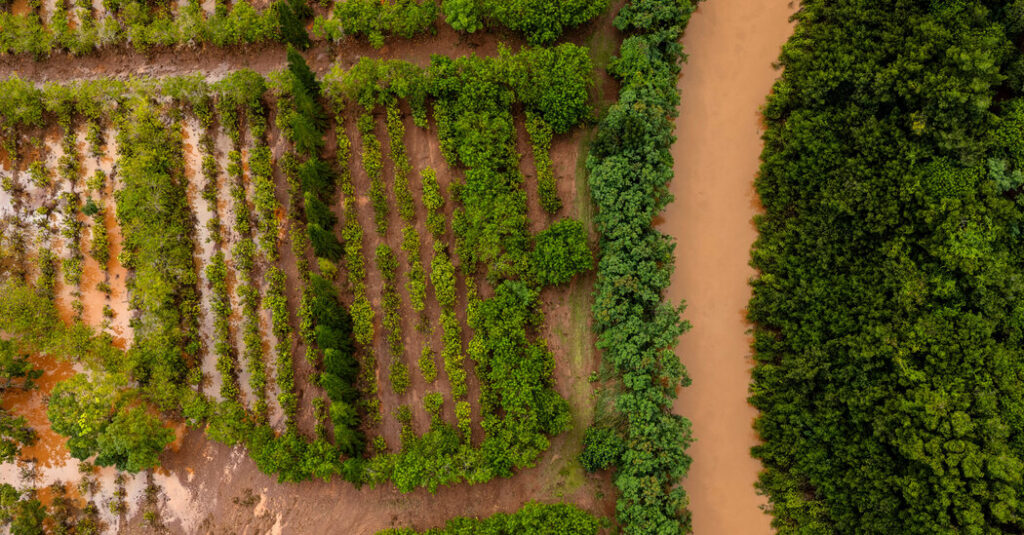
Many farmers across the islands were still recovering from downpours in March that caused some of the worst flooding since 2004. Torrential rain toppled trees and destroyed property, causing at least $50 million in damage to crops, livestock and equipment, according to the farm bureau. The storms are known as Kona lows, slow-moving seasonal systems that produce prolonged heavy rain to Hawaii.
More than one million acres in Hawaii are farmland, producing coffee, macadamia nuts, papayas, avocados and other products. On the Big Island, coffee, papaya and sweet potato crops, macadamia farms, nurseries and ranches could be vulnerable to the storm.
“Heavy winds can damage greenhouses, knock down fences,” Mr. Miyamoto said. “Say your crops don’t get really damaged; you still have expenses to repair and to recover the infrastructure.”
The post Hurricane Lala Threatens Hawaii Farms Still Recovering From March Floods appeared first on New York Times.