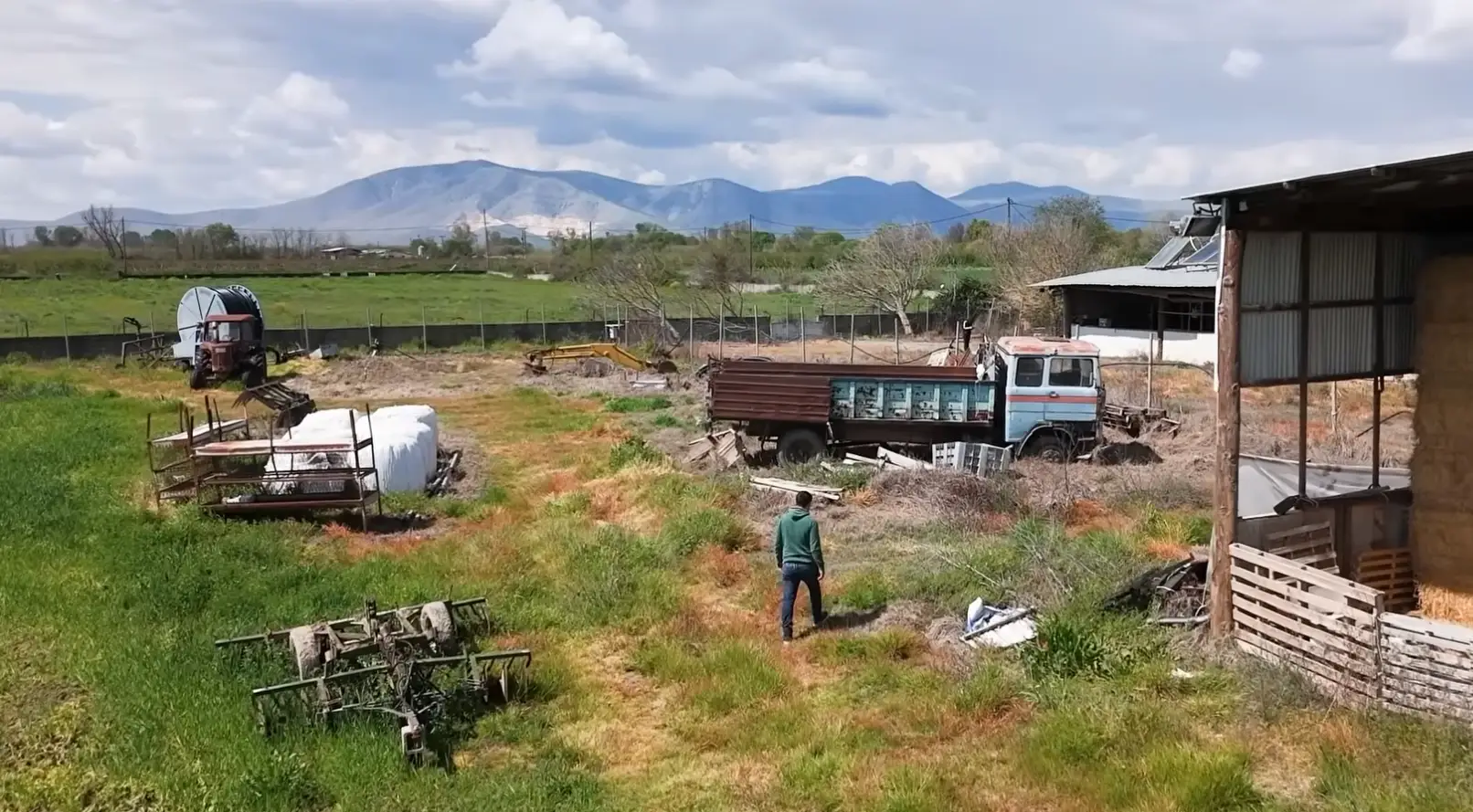
Giannis Papastergiou’s animal farm is quiet now.
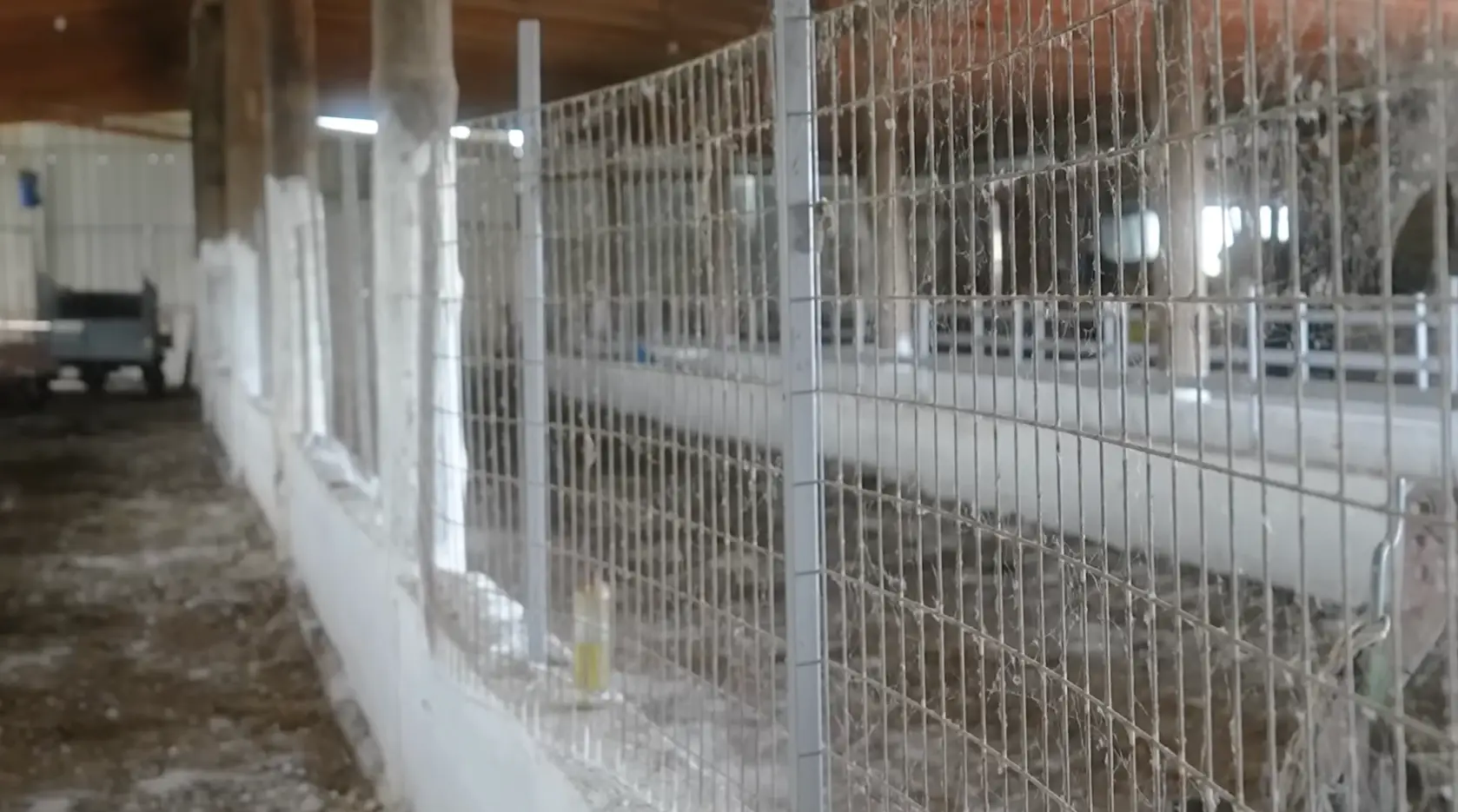
Last year, he found signs of sheep and goat pox among his flock. Months later, every animal was gone.
“There are people who have one dog and would die for that animal. Now just imagine having that many animals,” Papastergiou told Business Insider in April.
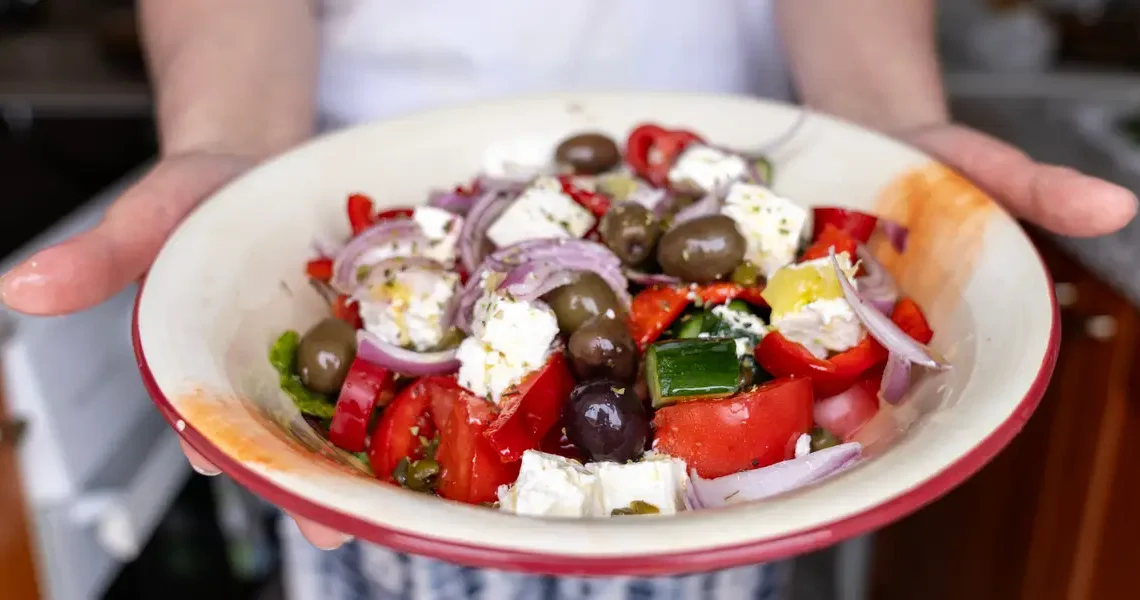
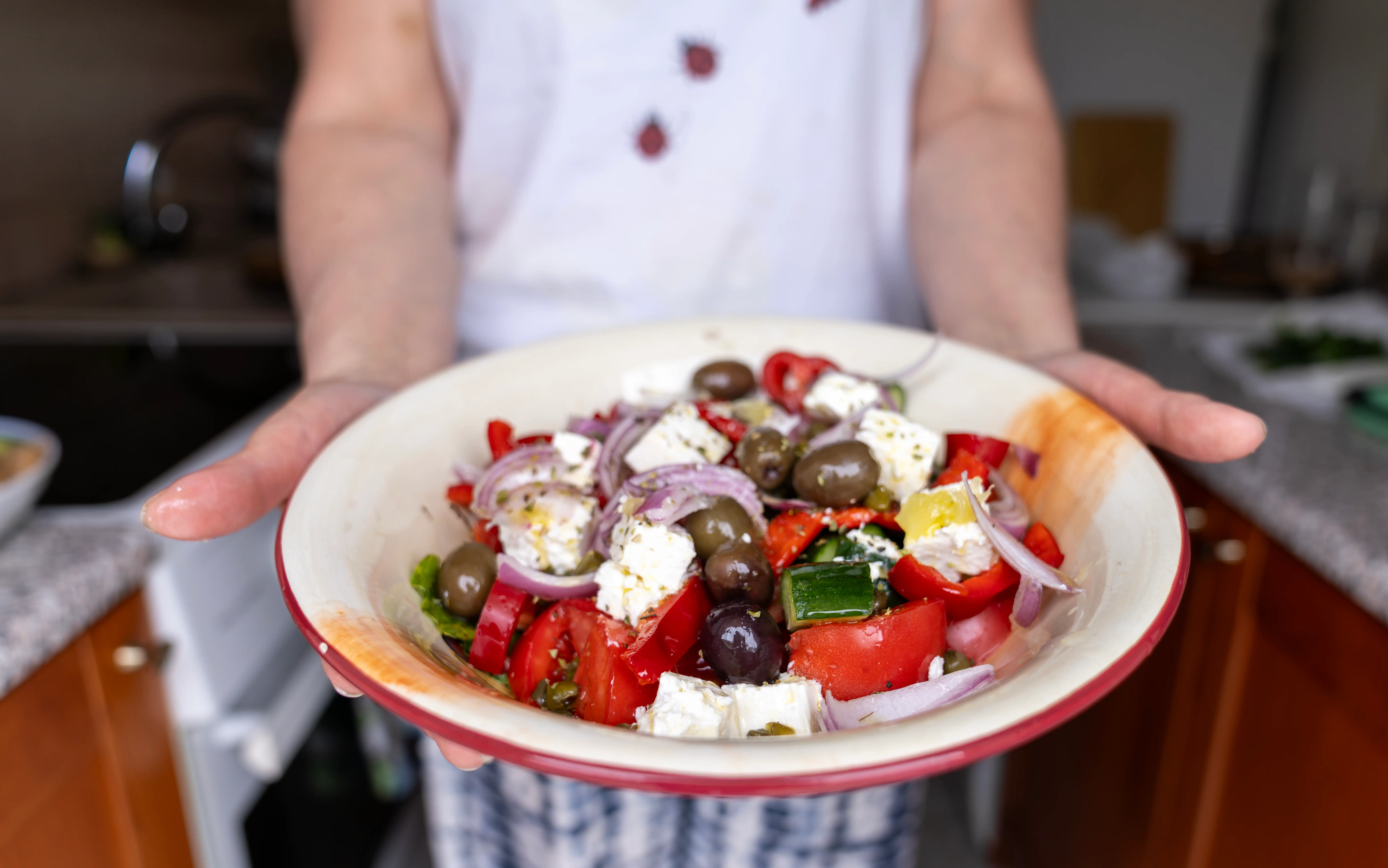
Papastergiou is one of thousands of Greek farmers hit by an outbreak of sheep and goat pox that is threatening the milk supply chain behind one of the country’s most valuable foods: feta.
Wherever the highly-contagious disease appears, Greek authorities require farmers to slaughter entire herds — including healthy animals. A single infected sheep or goat could doom hundreds more.
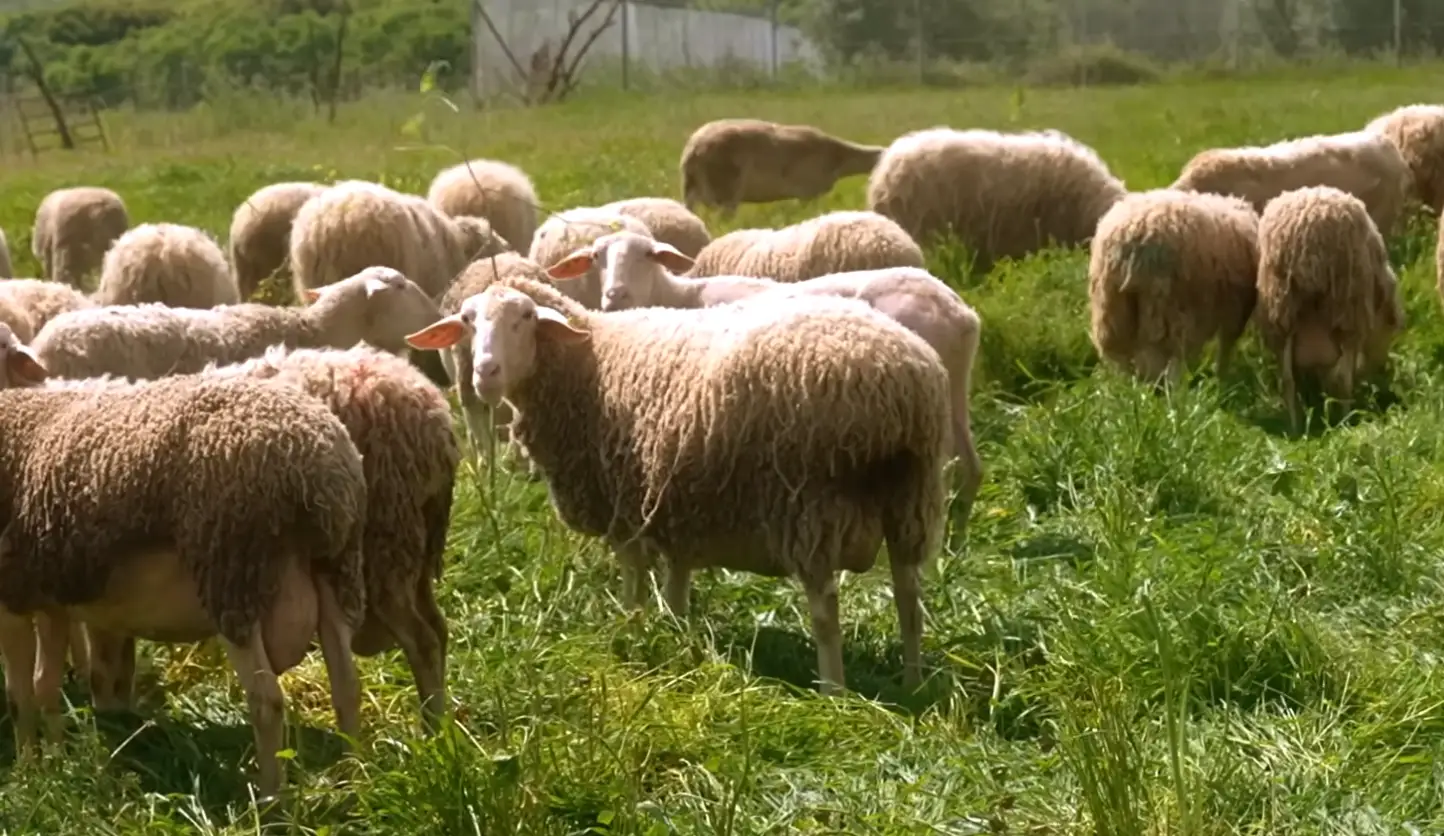
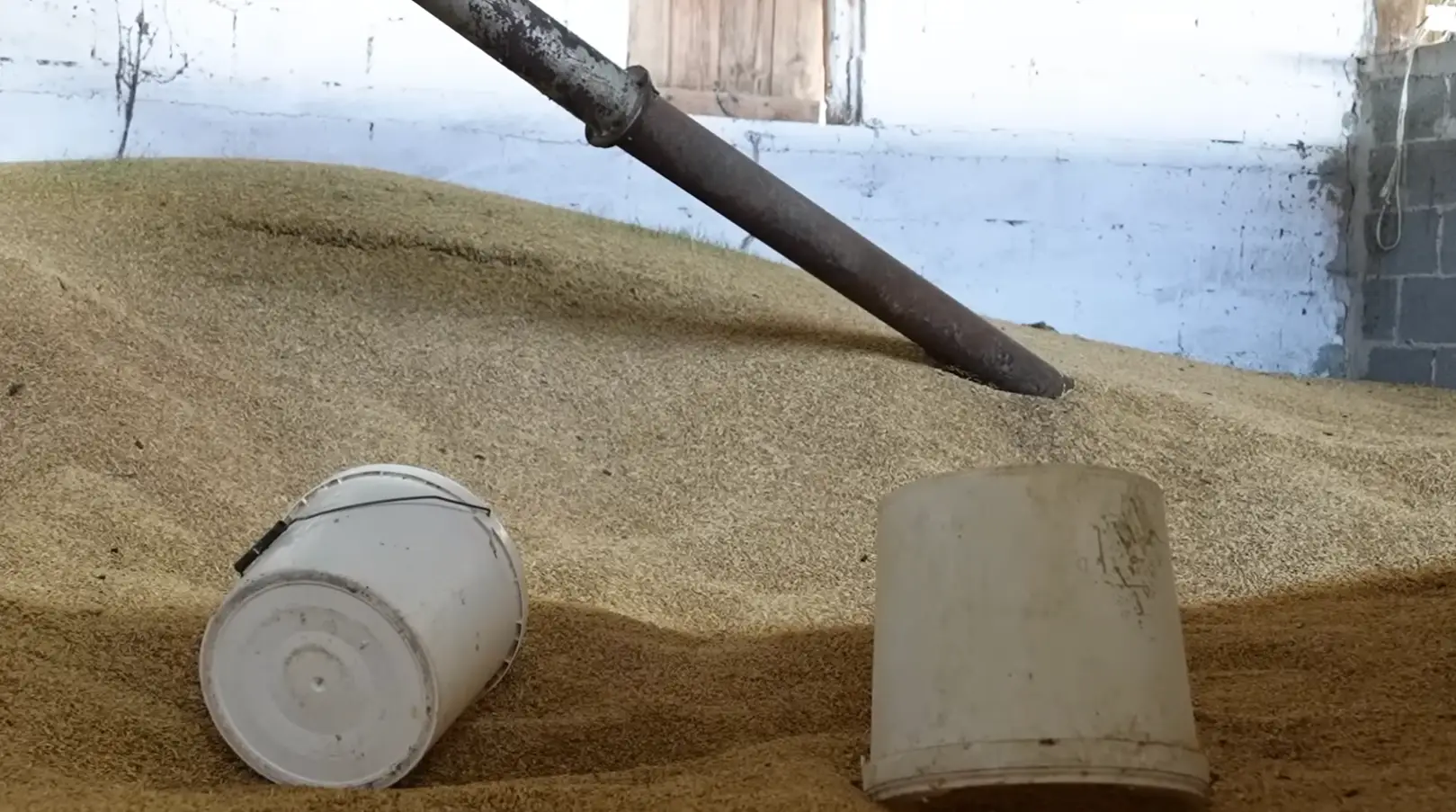
To contain the disease, the government also barred sheep from grazing freely outside, forcing farmers to buy commercial feed.
“There are hundreds of thousands of euros’ worth of feed stored here without any answer [from the government],” Papastergiou said.
The Greek government promised farmers compensation for feed and culled animals, but those like Papastergiou have faced long delays in receiving those payments.
Since the outbreak began in 2024, more than 2,600 farms across Greece have had their entire herds culled. Altogether, the government has ordered the slaughter of more than 488,000 animals as of April.
“What does the culling of all of these animals mean? It means weeping in the village, uncertainty, unemployment, and complete financial ruin,” Papastergiou said.
Why Greece’s $1 billion feta industry could be at risk
Traditionally, authentic Greek feta is made with sheep’s milk. Between 2024 and 2025, Greece’s sheep population fell 17%. The country still managed to produce 154,000 tons of feta in 2025, bringing in roughly $1 billion.
However, industry experts estimate that the population shortage is catching up this year. Greece could produce about 11% less feta in 2026.
The shrinking supply is pushing up prices. By June, wholesale Greek feta cost more than $11 a kilogram, up about 33% from the same period in 2025.
The mass culling could have an economic impact that lasts for years.
Studies have found that, over the long term, culling can cause greater economic damage than vaccinating animals. The sheep that were culled had been bred for generations. Their milk was part of what gave authentic Greek feta its distinctive taste.
On farms like Papastergiou’s, culling has erased that breeding work.
Greece chose culling over vaccination
While milk from infected animals doesn’t pose a risk to humans, the viruses are highly contagious and deadly to sheep and goats, according to the World Organization for Animal Health.
The disease usually spreads through the air between close animals and can survive in wool for two months.
Because it’s so infectious, Greece’s Ministry of Rural Development and Food adopted a sweeping containment policy. In addition to widespread culling, the government also deployed veterinarians and required sanitation measures. But there’s one measure it has yet to try.
Nine months after the outbreak began, the European Commission pressed Greece to start a vaccination campaign.
The Greek government declined.
Under EU rules, vaccination can trigger a temporary ban on dairy exports. Vaccines can save animals, but they can also make tracking the virus more difficult. With 65% of Greek feta sold abroad, the government chose not to risk a trade ban.
The Greek Ministry of Rural Development did not respond to Business Insider’s requests for comment.
Farmers are taking to the streets to protest the lack of vaccination, widespread culling, and delayed compensation.
The rippling effect

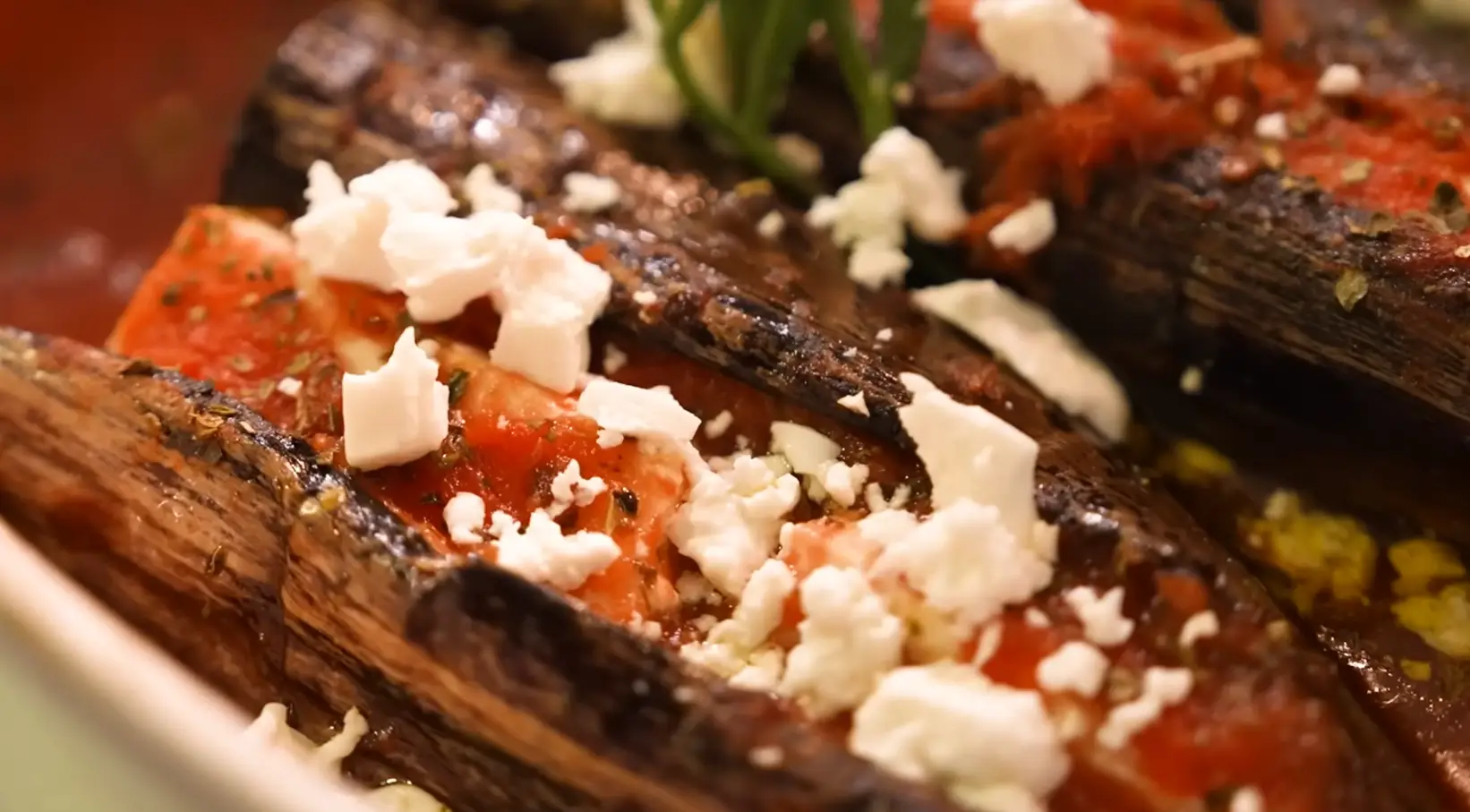
The effects are moving from farms to cheese factories and restaurants.
Industy experts estimate that Greece could produce 30,000 fewer tons of milk for cheese making in 2026, about 20% less than the previous year.
Alexandros Botos, the second-generation owner of Roussas Dairy, one of Greece’s top five feta producers, has already felt the squeeze.
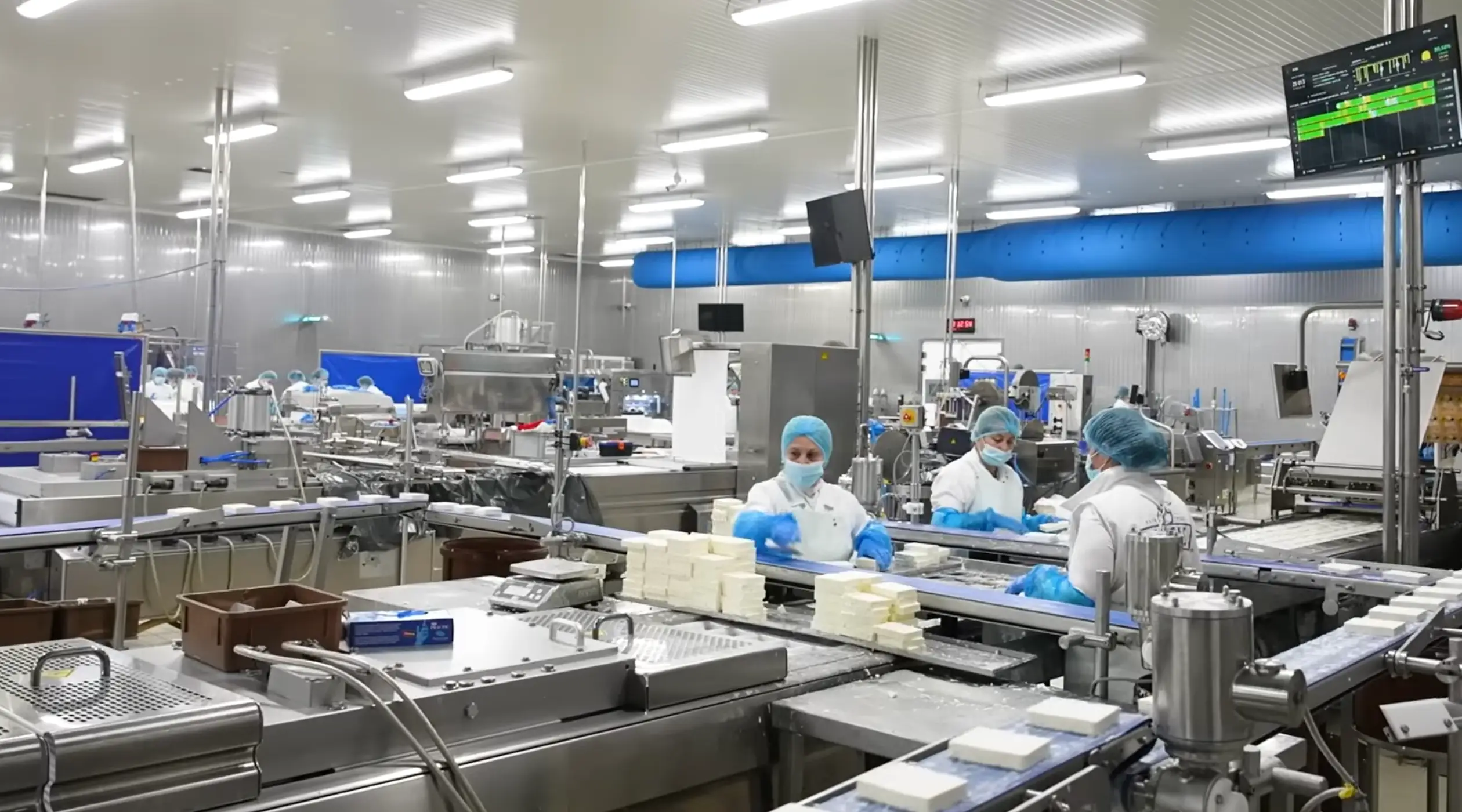
He said 20 of his supplier farms have been forced to cull. “But we could not simply replace the farms we lost with 20 new suppliers because the ones we lost were large-scale operations.”
Instead, he’s had to hire more smaller suppliers and, as of April when we spoke with him, pays 10% more for the milk going into his feta factory.
Katerina Katsouli has owned Kriti, a restaurant in Athens, since 1988. She normally gets her feta from the island of Lesbos, but the outbreak has forced her to find new suppliers as well and pay higher prices.
“Almost a year ago, I used to buy a kilo of feta for around 9 euros,” she said. “Now it has gone up to 13 euros.”
Meanwhile, some of the feta farms with surviving flocks live in fear.
“Every single day the sun rises, I am terrified,” said Vagelis Karjoilis, a sheep breeder. “What am I going to find at the facility? Am I going to find a case?”
There are signs the sheep pox may be easing. Greece recorded 131 outbreaks in the first four months of 2026, down from 1,700 in 2025, though some told Business Insider they remain skeptical that the official figures reflect the extent of the outbreak.
Editor’s note: Papastergiou’s, Katsouli’s, and Karjoilis’s interviews were translated from Greek.
Read the original article on Business Insider
The post Greek feta is getting more expensive because sheep and goats are dying by the hundreds of thousands appeared first on Business Insider.