

Grocery store shelves are stacked with convenient, protein-ified snacks, from bars to soda. But how much should you rely on them if you’re trying to avoid ultra-processed foods?
For Rob Hobson, a sports nutritionist, the answer is simple: it’s “very, very easy” to consume enough protein without relying on UPFs, which are linked to obesity, type 2 diabetes, and cardiovascular disease when eaten in large amounts.
To support his daily hourlong workout routine, which combines endurance training on an assault bike and weightlifting, he aims to consume around 0.7g of protein per pound of body weight each day. Hobson said this is enough to build muscle, feel full, and fuel himself.
He used to turn to protein bars and shakes, which are typically ultra-processed, but cut down on UPFs two years ago.
Hobson shared how he hits his protein targets without eating UPFs, but stressed he is mindful of being overly restrictive. He does this by following the 80/20 rule: eating whole, unprocessed foods most of the time, and whatever he’s craving for the remainder.
“I still have a glass of wine. If I want a bit of chocolate, I will. If I want to have a pizza, I will,” he said.
Hobson added that it’s important not to obsess over single nutrients, such as protein.
“If you do that, then chances are you are missing out on other stuff,” he said.
Eating oats with minimally processed protein powder for breakfast

After he gets home from the gym, Hobson eats a bowl of overnight oats containing oats, milk, and a minimally processed protein powder.
“It’s whey protein that’s been hydrolyzed, but it doesn’t contain anything else,” he said.
Oats contain some protein, but they are high in soluble fiber, which helps lower cholesterol, and insoluble fiber, which supports smooth digestion and feeds the beneficial microbes in the gut.
Adding beans to soup
Beans are a cheap and convenient source of both protein and fiber. Just one cup of black beans, for example, contains around 15 grams of protein.
Hobson adds them to his meals to up the protein count. “If I buy a ready-made soup, I will just chuck in half a can of beans,” he said.
Keeping the kitchen stocked with easy protein
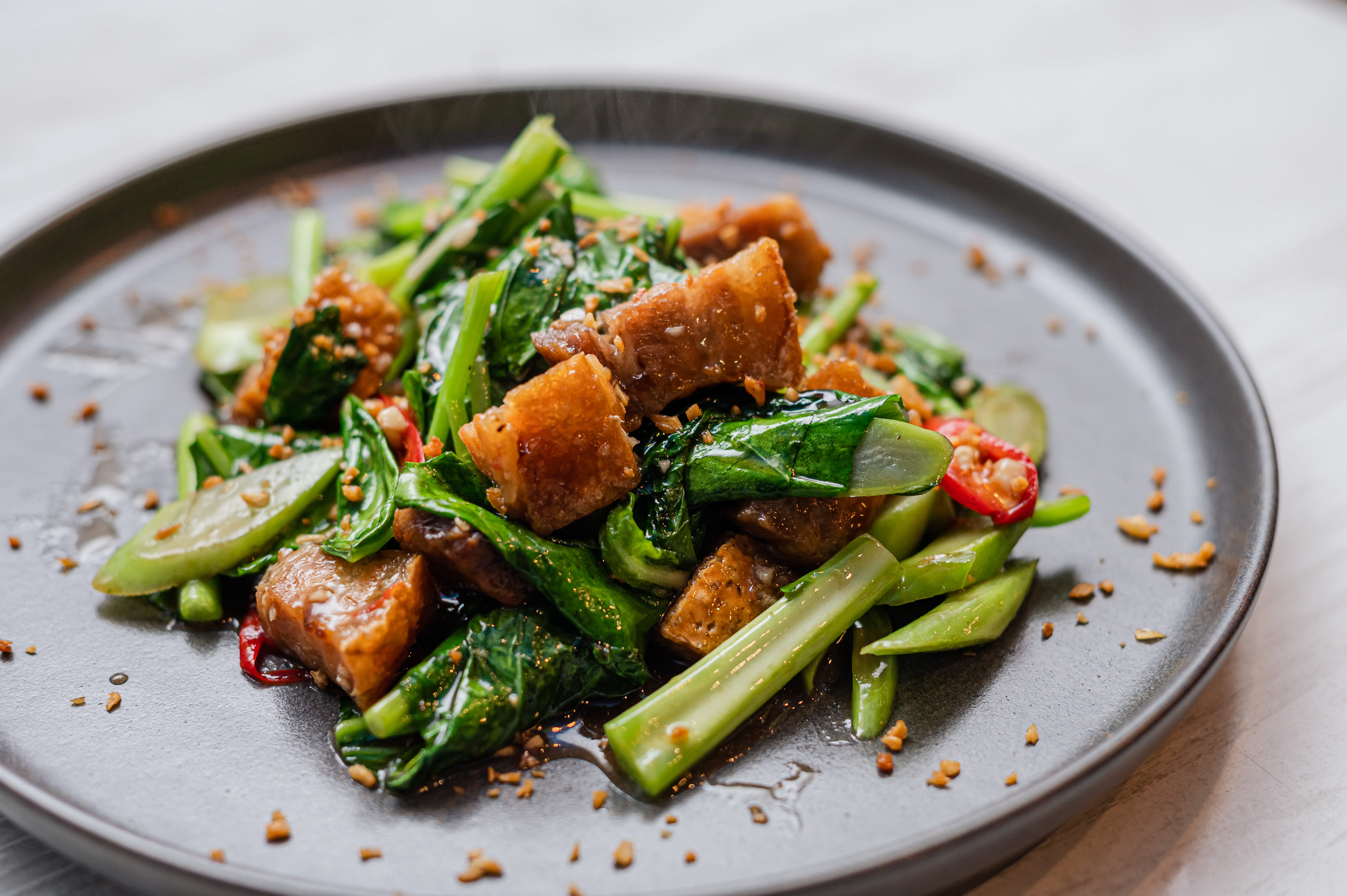
Hobson always keeps his fridge stocked with protein sources, like canned tuna, tofu, and chicken, which he can quickly cook up and add to a stir-fry or stew.
“I find it really easy just to use those foods,” he said.
His go-to is a source of protein with some pre-cooked rice from a bag, vegetables, and soy sauce.
Read the original article on Business Insider
The post How a sports nutritionist eats a high-protein diet to fuel workouts and feel satisfied — without ultra-processed foods appeared first on Business Insider.