Sometimes it seems like a legal requirement for opening an independent coffee shop in an up-and-coming downtown area is to only hire baristas with the most niche, eclectic music taste on Earth. Small town baristas please weigh in on this, our DMs are probably not open. Perhaps it’s just the easy freedom of an indie coffee shop that attracts interesting people. Whatever the case, if you find yourself talking music with an eclectic barista, mentioning these three albums might just impress them (results not guaranteed).
‘We Cool?’ by Jeff Rosenstock
We Cool? is the debut album of Jeff Rosenstock, a highly regarded multi-instrumentalist of Bomb the Music Industry! and other endeavors. Released in March 2015, the album quickly became a favorite for longtime Rosenstock fans. He has an uncanny ability to capture life’s mundane, tedious, frustrating experiences and unearth the bright spots in his lyrics. But the optimism never strays into oversaturated sweetness. Instead, he stays grounded in reality, however frequently disappointing.
This solo debut gave fans something familiar but also polished. Rosenstock elevated the production for We Cool?, taking all the best parts of his work with Bomb the Music Industry! and cleaning them up a bit. Additionally, his solo work had more layered instrumentals, making this a much more musically complex album.
‘Maggot’ by Dazey and the Scouts
Dazey and the Scouts was a short-lived riot grrrl/queercore punk outfit that fits into the more traditional definition of indie rock. Their only album, Maggot from 2017, was entirely self-produced and independently released. It’s incredibly short, but packs a punch within its seven tracks. The band formed in 2015 and played their last show by 2018, so Maggot is really a rare gem of irreverent punk.
But Maggot was much more than riot grrrl noise from a college band. The Scouts blended their varied interests and influences into a unique display of youthful ambition. There were riot grrrl and indie rock influences, yes. But they also tapped everything from girl-group pop harmonies and classic punk energy to surf rock, math rock, dream pop, and spoken-word poetry. It’s truly a shame that there’s not more from Dazey and the Scouts.
‘Change’ by The Dismemberment Plan
The Dismemberment Plan’s fourth album, Change, was released in October 2001 and represents an array of unexpected influences. This indie rock gem cites everything from Joni Mitchell, Steely Dan, Radiohead’s Kid A, and Sting to Carole King, Blonde Redhead’s Melody of Certain Damaged Lemons, Portishead, and Talking Heads’ Remain in Light as inspirations. But the meat-and-potatoes of the album was influenced by D’Angelo’s Voodoo, released the year before.
Change is not an R&B album, but frontman Travis Morrison noted that the album structure had a profound effect on the band. “I think we wanted to open up our structures, and I think we got that from Voodoo,” Morrison told PopMatters in 2014. “We weren’t gonna make an R&B record, but I think Voodoo had that formal influence on us.” Ultimately, Change has a much different energy than their 1999 album Emergency & I. It’s somber, or, as Morrison described, “glum.” But despite the band’s later flubs, these two albums remain unique fan favorites.
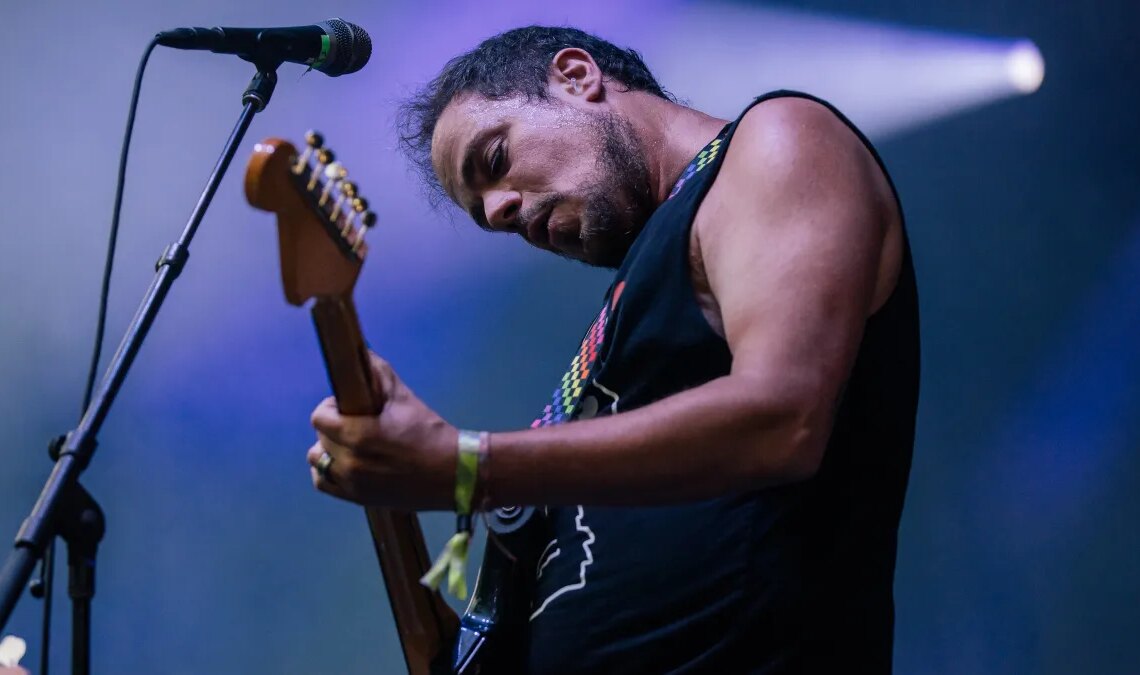
Photo by Natasha Moustache/Getty Images
The post 3 Indie Rock Albums to Impress Strangers (Or Your Local Barista) appeared first on VICE.