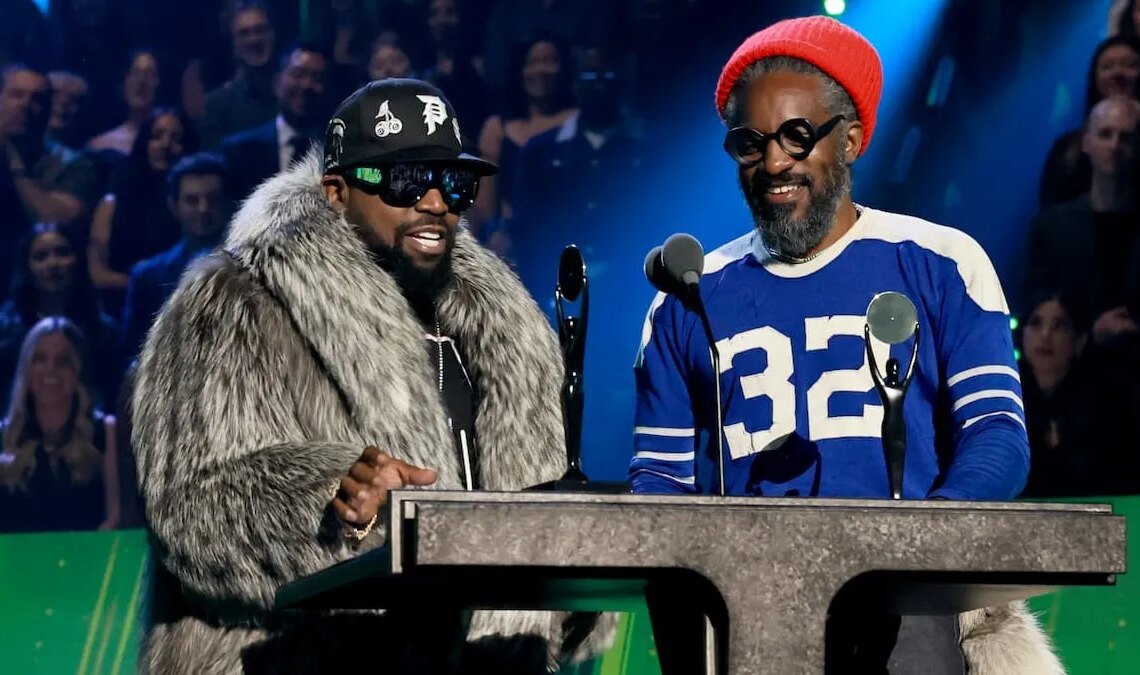
Outkast are rarely ever the kinds of artists to get stirred up in controversy. Their brand of funky, soulful southern hip-hop very rarely drew ire, even when they dove into fiery political subject matter. In fact, by the end of their careers, they drew some of the biggest hits of their careers. What could possibly put André 3000 and Big Boi in controversy? Merely wielding the name of Rosa Parks was enough to land them in court.
On this day 28 years ago, Outkast released “Rosa Parks”, the second single from their incredible third album Aquemini in 1998. It ended up becoming the most successful record from that album cycle, peaking at number 55 on the Billboard Hot 100. Moreover, on the hip-hop and R&B side of the charts, they stood at number 19.
Years later, “Rosa Parks” was heralded as one of the all-time great records from the Atlanta partners in crime. Writer Shea Serrano marvels at its ability to blend something both forward-thinking and grounded in their realities at the time. “The song feels both familiar and cosmic, and it f***ing rules,” he wrote for The Ringer.
Meanwhile, The Guardian took it a step further and argued that it was the second best song from them. Regardless of its quality, though, Rosa Parks wasn’t exactly thrilled to be included in the proceedings.
Outkast Releases “Rosa Parks” on This Day in 1998
A year later, representation for Parks sued André, Big Boi, and LaFace Records as a whole, arguing they misappropriated her name. Moreover, she was particularly taken aback by the curse words littered throughout the song. Initially, the case was dismissed, citing the First Amendment to throw the case out.
But that wasn’t good enough for Parks and her team. Consequently, they hired Johnnie Cochran, famous for his leading role on the “Dream Team” for O.J. Simpson during his murder trial. By 2003, the Supreme Court relented and allowed them to continue pursuing the case.
In 2004, Outkast was dropped from the case entirely, while Rosa Parks’ lawyers continued to hash things out with lawyers. One year later, in April 2005, a settlement was reached for an undisclosed amount of money and a partnership helping to teach about the life of Rosa Parks.
Parks herself passed away 6 months later at 92 years old. There’s speculation that she was hardly involved in the matter herself, where her lawyers spearheaded the lawsuit against Outkast and co. Regardless, “Rosa Parks” lives on as one of Outkast’s greatest records.
The post On This Day in 1998, Outkast Released a Song That Made a Civil Rights Icon Mad Enough to Sue Them appeared first on VICE.