Inflation cooled in June as gasoline prices tumbled, offering consumers their first meaningful relief since the war between the United States and Iran sent energy costs soaring earlier this year.
The consumer price index rose 3.5 percent in the 12 months ending in June, the Labor Department said Tuesday, down from 4.2 percent in May, which had marked the fastest pace in three years.
On a monthly basis, prices fell 0.4 percent, driven largely by a 10 percent drop in gasoline prices after a mid-June agreement extending a tentative ceasefire between the United States and Iran calmed oil markets. It was the first monthly decline since May 2020.
The June data, which was cooler than economists expected, does not reflect the sharp rise in energy prices that consumers have faced in recent days, after fighting in Iran resumed and sent oil markets climbing again. And annual inflation remains far hotter than a year ago, when prices were rising at a 2.7 percent pace.
Relief in consumer prices last month extended beyond the gas pump. Energy prices overall fell 5.7 percent in June — the steepest monthly decline since April 2020 — as electricity costs dropped 1 percent. Car insurance fell 2 percent, its second straight monthly decline, while prices for used cars, apparel and communication services also declined. Medical care costs edged down 0.1 percent, with physicians’ services and prescription drug prices both declining. New-vehicle prices, which fell in April and May, were flat.
Egg prices rose 4.3 percent, the largest monthly gain since February 2025.
Few economists expect a quick return to normal. Some forecasters project that inflation could take two years or more to return to 2 percent, the level the Federal Reserve considers consistent with stable prices.
“That’s assuming we don’t get more shocks,” said Alan Detmeister, an economist at UBS, referring to such disruptions as new tariffs, spikes in energy prices or fresh geopolitical conflicts.
Forces pushing up inflation are multiplying rather than fading. Tariffs are still grinding through supply chains, with many firms telling the New York Fed that they plan additional price increases in the months ahead. And a boom in artificial-intelligence infrastructure is driving up the cost of electronic components and electricity.
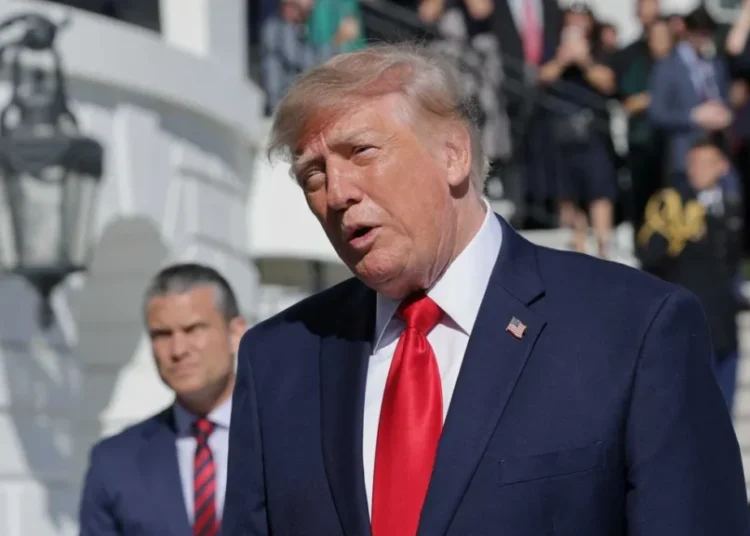
Meanwhile, the ceasefire that made June’s cooling possible has collapsed: The U.S. and Iran exchanged some of their heaviest strikes in months over the weekend, renewing concerns about oil supplies. President Donald Trump said Monday that the U.S. military is reimposing a blockade on Iranian ports, significantly escalating the conflict and taking away the last major concession to Tehran that had helped foster a ceasefire.
Underlying price pressures, which strip out volatile food and energy prices to give a better reading of inflation, showed improvement. Core inflation rose 2.6 percent over the past year, well above the level consistent with the Fed’s target but better than the 2.9 percent pace reported in May. On a monthly basis, core prices were unchanged.
With some Fed officials pushing to raise interest rates at the central bank’s meeting later this month, Chair Kevin Warsh plans to assure lawmakers Tuesday that policymakers “have no tolerance for persistently elevated inflation.” True to his position that the Fed should not telegraph decisions ahead of time, his prepared remarks offered no signal on whether officials will hike or stand pat.
Some Fed officials have signaled frustration with consecutive months of rising inflation and warned that stubborn readings of core inflation could push the central bank toward raising interest rates. After cutting rates three times last year, the Fed has left them unchanged in 2026.
“If we get another hot reading on core inflation this week, then the FOMC will need to consider tightening monetary policy in the near term,” Fed governor Christopher Waller said Monday, referring to the Federal Open Market Committee, which determines interest rates.
Angelo Kourkafas, senior investment strategist at Edward Jones, called Tuesday’s report “a well-timed cooldown” that suggests the spring energy spike “did not feed into broader inflation dynamics.” The data reinforces the view that May marked the peak, he said, and gives the Fed “room to maintain a prolonged pause” rather than face pressure to raise rates.
There were other signs in privately collected data that the worst of the energy shock may have passed.
State Street’s PriceStats index, which scrapes millions of prices daily from online retailers, recorded an outright decline in U.S. price levels in June — the first for that month in the history of the dataset, which stretches back to 2008. The drop pulled the index’s annual inflation rate down to 4.5 percent from a May peak of 5 percent, the largest one-month decline in more than three years.
“June’s fall in energy prices only marks the beginning in a series of declines,” said Michael Metcalfe, head of macro strategy at State Street Markets, noting that pump prices have retraced only 20 percent of their run-up and remain 30 percent above their late-February levels. Still, the escalation in fighting over the weekend stands to complicate that trajectory.
The post Inflation eased in June as gas prices fell appeared first on Washington Post.