Whether it’s toxic office politics, endless meetings that should have been an email, or return-to-office mandates, the modern workplace has become a source of frustration rather than fulfillment.
In fact, roughly 80% of workers worldwide are checked out at work, according to Gallup, with engagement falling over the past two years and now on par with 2020 levels. And the research firm’s CEO, Jon Clifton, warned there’s no quick fix in sight.
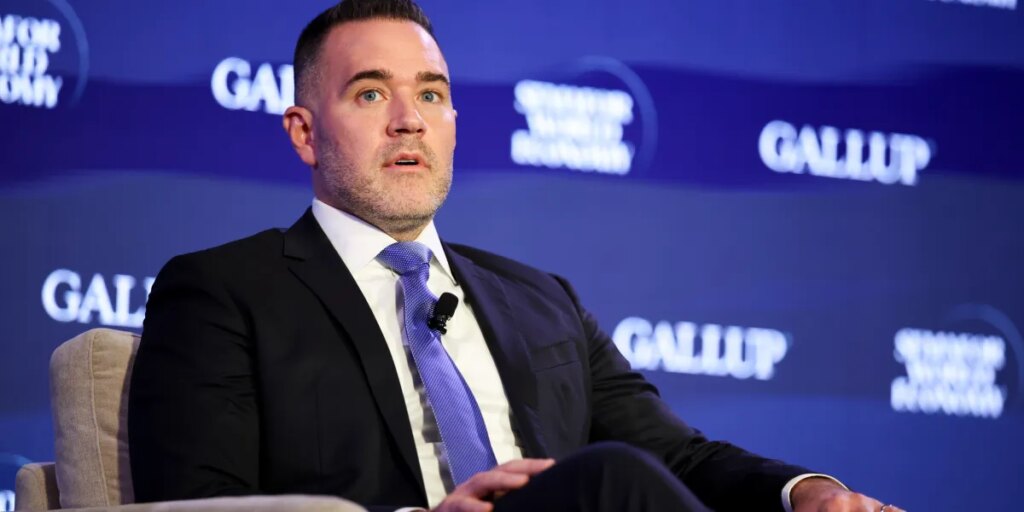
“We’re closer to colonizing Mars than we are to fixing the world’s broken workplace,” Clifton said Monday on a panel at the Jobs for the Future Horizons conference.
While Clifton said the line had become something of a running joke inside Gallup, there’s an uncomfortable truth behind it.
Elon Musk said earlier this year he hopes SpaceX will begin building a city on Mars within the next five or seven years. The world’s workplaces, meanwhile, remain stuck in a cycle of poor engagement, poor management, and declining morale with no clear timeline for recovery.
That dysfunction comes at a steep price. Gallup estimates low employee engagement cost the global economy roughly $10 trillion in lost productivity last year alone—the equivalent of about 9% of GDP.
Yet the issue isn’t just that people dislike working. Eighty percent of workers enjoy the work they do, suggesting the disconnect lies not with the job itself, but with the environment in which it’s done.
“The problem, therefore, is not work,” Clifton said. “The problem is the workplace.”
While AI is fueling dreams of space travel, it’s making life for Gen Z in the workplace more miserable
The rise of artificial intelligence has accelerated predictions about the future of work. In addition to Musk, tech leaders like OpenAI CEO Sam Altman and Amazon founder Jeff Bezos, have all spoken optimistically about humanity entering a phase of interplanetary travel within their lifetimes.
Back on Earth, however, AI is largely leading to less optimism and more anxiety. Between 2025 and 2026, Gen Z’s excitement about AI dropped 14%, meanwhile feelings of anger rose 9%.
“We’ve seen hope plummet,” Clifton said, pointing to the growing frustration young people have voiced publicly, including booing college commencement speeches. “It is getting to a place where it’s kind of concerning.”
LinkedIn’s chief economic opportunity officer, Aneesh Raman—who joined Clifton on the panel—said much of that anxiety stems from a sense of fatalism. Many workers feel the future of AI is being decided for them by executives and technologists, leaving them with little agency over how the technology will reshape their careers or lives.
“AI is the easiest used technology humans have ever created,” Raman said. “I think [AI] could be, depending on how we use it, one of the most democratizing technologies we’ve ever had to democratize access to knowledge and expertise to building and creating to hack all of the brokenness that we all have worked our careers trying to fix in the labor market when it comes to accessing opportunity.”
For Clifton, unlocking that potential starts with fixing what he called one of society’s biggest problems: bad management.
“Whether or not you have a good manager or a bad manager accounts for 70% of the variance of misery at work,” Clifton said. “If you don’t fix that, you’re going to drive the life out of those individual contributors.”
By contrast, employees who say their manager helps them use AI are eight times more likely to believe they have the opportunity to do what they do best—a sign that leadership, not technology itself, may ultimately determine whether fixing the workplace remains a more distant goal than colonizing Mars.
As Gallup told Fortune: “AI’s disruption of the workplace can be an opportunity precisely because the status quo is failing most workers, but our research shows that opportunity runs through managers, not technology alone.”
The post Gallup CEO says colonizing Mars may be closer than fixing today’s ‘broken’ workplace—where disengagement levels are as high as 2020 appeared first on Fortune.