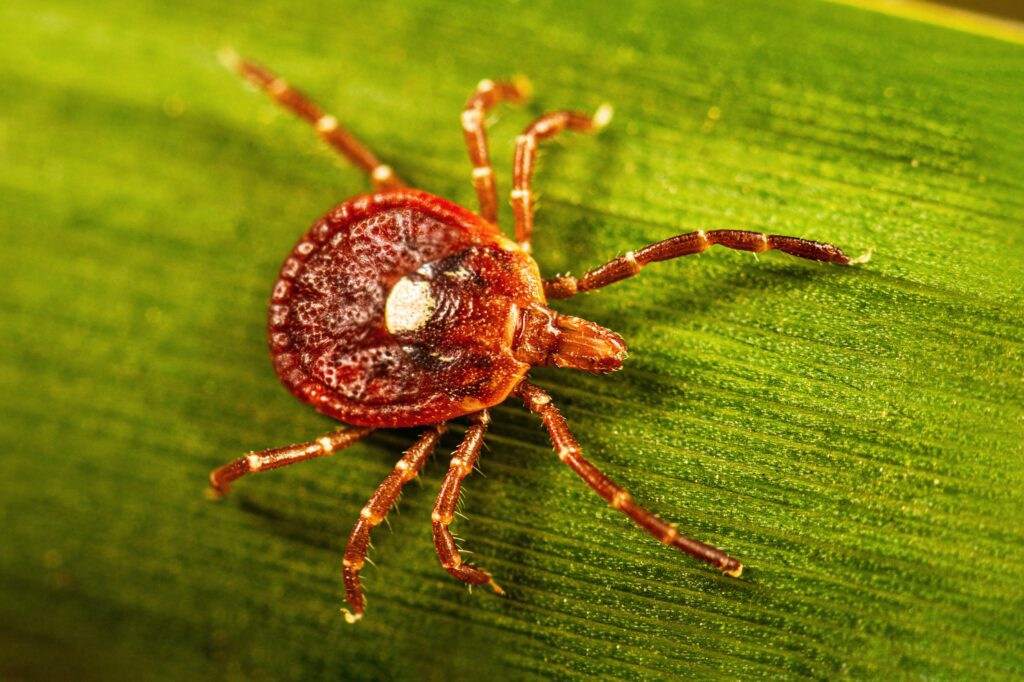
The Centers for Disease Control and Prevention recently issued a report about a sneaky and bizarre illness called alpha-gal syndrome. The condition, which is linked to tick bites, manifests as an allergy to red meat. Even more alarming: The agency estimates that almost 1 in 4 residents in some states may have already been exposed to it.
This is not reason for panic or for everyone to get tested. But it does underscore the need for more awareness about this under-recognized condition.
Alpha-gal was first described less than 20 years ago. Doctors noticed that patients were falling ill after eating red meat, but unlike conventional food allergies in which reactions typically begin within minutes, their symptoms often did not appear until several hours later.
Onyinye Iweala, a physician and alpha-gal researcher at the University of North Carolina School of Medicine, told me a classic example is someone who eats a steak for dinner and then wakes up in the middle of the night with severe stomachaches or hives. “The delay between eating the food and onset of symptoms is one of the biggest barriers to diagnosis,” she said.
Symptoms can also be unpredictable. Someone might have no reaction after eating lean venison but develop hives and vomiting after a marbled steak. Other factors, including exercise and alcohol, can also trigger or amplify a reaction. Iweala told me about a patient who could often eat a hamburger without problems, but if he played basketball with his son after the meal, he would develop diarrhea.
As a result, many patients spend years seeing different specialists in search of an explanation. They may be diagnosed with irritable bowel syndrome, eczema or other conditions before anyone considers alpha-gal.
Another puzzling aspect of the disease is the question of why people can suddenly become allergic to red meat after eating it their entire lives. Researchers have traced the condition to the lone star tick, an aggressive species found throughout much of the southeastern United States that has steadily expanded its range as far north as Maine and as far west as Missouri. The leading theory is that after a tick bite, the immune system begins producing allergy antibodies against alpha-gal, a sugar found in the meat of mammals such as cows, pigs and deer. So the next time that person eats red meat, those antibodies can trigger an allergic reaction.
The main treatment for alpha-gal syndrome is avoiding the trigger. Iweala told me that in her clinical experience, about 80 percent of patients do well once they eliminate mammalian meat from their diet.
But life for the remaining 20 percent can be very difficult. Some continue to have reactions after eating at restaurants because food may be prepared with the same utensils as used for red meat. Others must be vigilant about avoiding all mammal-derived ingredients in food products, cosmetics and medical products, including certain vaccines, blood thinners and surgical stitches.
Some medications can help manage symptoms, includingover-the-counter antihistamines for itching, heartburn medications for gastrointestinal symptoms and epinephrine for severe allergic reactions. In some people, the allergy gradually fades over time, and mammalian foods can be slowly added back into the diet.
“I’ve seen it happen over six months in some people,” Iweala told me. “And in others it takes years.” Another tick bite, however, can cause those antibodies to rise again, effectively resetting the clock.
Many questions remain unanswered. Researchers still do not know why some people have more severe reactions than others, or why some go into remission while others never fully recover. They also are still trying to determine how common alpha-gal syndrome really is.
The CDC has estimated that about 450,000 Americans have the condition. Although most cases occur in areas where the lone star tick is common, alpha-gal syndrome has been identified on every continent except Antarctica, and several other tick species have been linked to it.
The new CDC study suggests that far more people may have been exposed than previously recognized, but Iweala emphasized that many people have antibodies to alpha-gal without any food intolerance. Testing someone without symptoms could lead them to unnecessarily restrict their diet. Instead, anyone with unusual symptoms and a history of tick exposure should discuss testing with their physician.
For those who already have alpha-gal syndrome, and for anyone hoping to avoid it, preventing tick bites is the best strategy. Wear long sleeves and pants in wooded or grassy areas, use insect repellent and permethrin-treated clothing and check for ticks after spending time outdoors. These steps can also help prevent other serious tick-borne illnesses, including Lyme disease, which can also lead to long-term health consequences.
Better education and surveillance are also needed. A 2023 survey found that 42 percent of health care professionals had never heard of alpha-gal. In addition, only about a dozen states require the diagnosis to be reported.
Tracking where it is spreading would help target prevention efforts. As temperatures warm and tick habitats continue to expand, clinicians need to be on the lookout for this and other emerging diseases.
Have you been diagnosed with alpha-gal syndrome? I’d love to hear from you. Please send me your comments and questions. I may feature them in an upcoming edition of the The Checkup newsletter.
The post What to know about alpha-gal, the bizarre illness linked to ticks appeared first on Washington Post.