In the pantheon of modern hacky takes, the “why does everything have to be ‘smart’ nowadays?” take is unfortunately relatable. Why can’t a thing just be what it is? Why does it need AI, apps, and a touchscreen attached to it? Why must everything collect data about us?
Well, all that superfluous tech nonsense crammed into a thing that usually does not have any tech infused into it at all just saved a 70-year-old man’s life.
According to a case report in the New England Journal of Medicine, cardiologist James Ip of Weill Cornell and New York-Presbyterian chronicled how one man’s smart bed noticed his heart rate had dipped to a dangerous 42 beats per minute overnight, way below his usual 78, and sent him an alert.
I would probably be furious that I was woken up in the middle of the night by a text sent by my bed, but this guy woke up to check his notifications, and it’s a good thing he did. The bed’s reading rattled him, so he double-checked with a smartwatch connected to a blood pressure machine.
When he started to feel short of breath, he called his doctor, who told him to get his butt to the ER immediately.
Man’s Life Saved After Smart Bed Detects Complete Heart Blockage
Hospital tests confirmed he was dealing with a complete heart block, an electrical failure in which the heart’s upper chambers and lower chambers stop talking to each other. The two halves beat independently, slowing heart function to a crawl. Without immediate treatment, that crawl would have inevitably come to a stop.
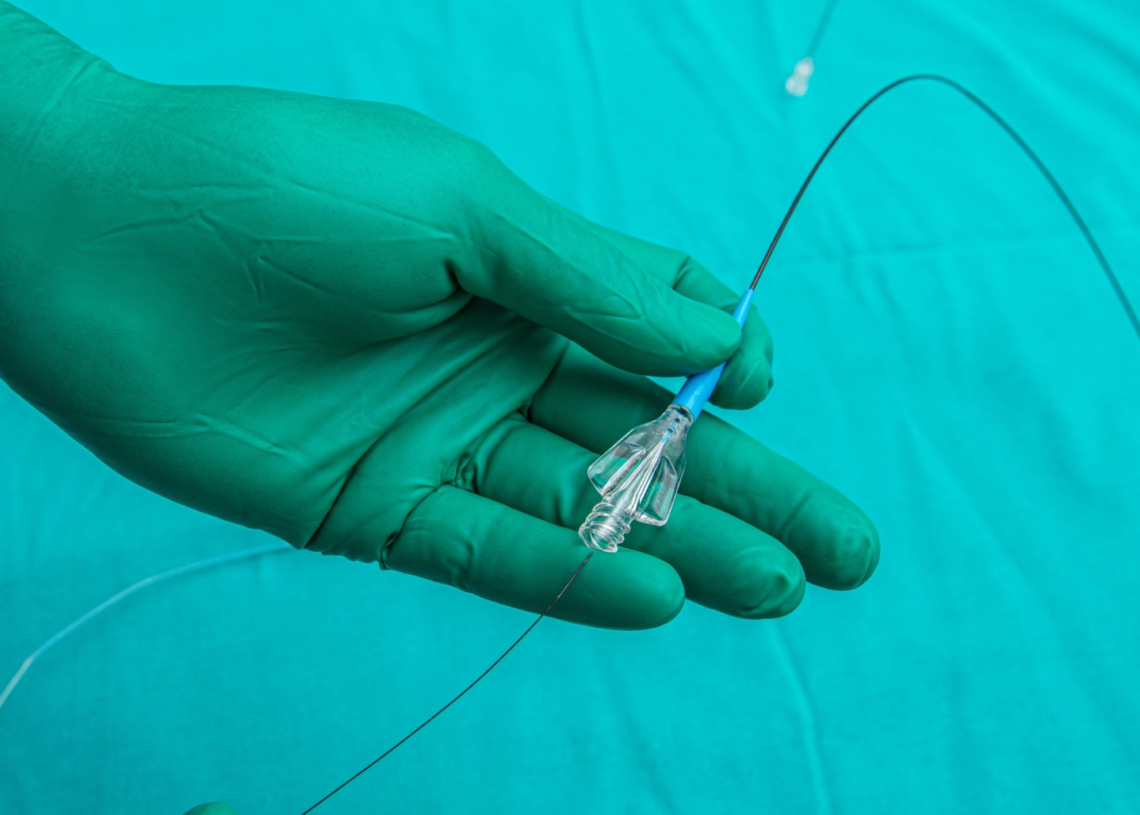
Luckily, the smart bed caught it in time, and the doctors were able to implant a dual-chamber leadless pacemaker quickly. His symptoms vanished. Another victory for cardiologists, and a significant victory that, unfortunately, makes a decent argument in favor of smart tech being crammed into everything, even though corporations are probably snooping on you with all that data and probably selling it to third parties.
The specific lifesaving tech installed in the bed was ballistocardiography (BCG), which tracks tiny body movements to estimate heart rate. It’s popping up in all sorts of consumer gadgets, from beds to wearables.
Heck, it’s probably going to be in your refrigerator door handle soon, analyzing your heart rate every time you crack open the fridge so it can make immediate suggestions on what you shouldn’t grab as a snack.
None of this smart health-monitoring tech is a replacement for an actual medical diagnosis. I am a trained medical professional, but it could prove helpful in some cases, mainly as an early warning indicator of a looming emergency.
The post Smart Bed Saves Man’s Life After Detecting a Complete Heart Blockage appeared first on VICE.