Faced with an outbreak of Legionnaires’ disease on Manhattan’s Upper East Side, the Mamdani administration said on Tuesday that it was adopting new tactics to try to stamp out clusters of the bacterial illness more quickly.
The outbreak has sickened 23 people, leading to 17 hospitalizations. Legionnaires’ disease is a form of pneumonia caused by bacteria that live in warm, stagnant water. The bacteria can thrive in rooftop cooling towers that are part of the air-conditioning and refrigeration systems used to cool large New York City buildings.
In the summer, those towers spew water vapor — sometimes laden with the Legionella bacterium — that can float for thousands of feet before someone inhales the germs. People in good health may not become ill. But older people and those with certain chronic underlying conditions can develop a dangerous form of pneumonia.
The measures rolled out Tuesday would publicly identify buildings suspected of being sources of Legionnaires’ disease and require the structures’ owners to swiftly clean cooling towers.
The ongoing outbreak is hardly unusual. Most years, between 200 and 700 New York City residents are diagnosed with Legionnaires’ disease. An outbreak last summer in central Harlem sickened more than 100 people and killed seven by the time the Health Department closed its investigation into the sources of the outbreak.
The deadliest outbreak in the city occurred in 2015 in the South Bronx, sickening 120 people and killing 12. That outbreak persisted for more than a month, as the authorities struggled to pinpoint the cooling towers that were spewing the bacteria-ridden vapor. The outbreak was eventually linked to a cooling tower atop the Opera House Hotel, which had opened two years earlier in a historic theater building.
In the following years, the city introduced measures aimed at stanching clusters of the disease. Building owners were required to register cooling towers, providing health inspectors with a map, and were also required to test the water in the cooling towers for Legionella. There are about 5,000 cooling towers in the city.
The current outbreak is concentrated in the Carnegie Hill and Yorkville neighborhoods. The health authorities realized people were falling sick with Legionnaires’ on July 2, when two cases were detected. More than 20 additional patients have been identified since.
To hasten identification of potential sources of the bacteria, the Mamdani administration said Tuesday that it would begin publicly disclosing the addresses of buildings with cooling towers that test positive for Legionella bacteria during an initial screening. Releasing the addresses could lead passers-by to avoid certain blocks, or put more pressure on building owners to keep their cooling towers Legionella-free.
During an outbreak, the authorities require that cooling towers be tested for Legionella DNA. But that test can pick up the DNA of dead bacteria, leading the health authorities to flag cooling towers that turn out not to be the source of an outbreak.
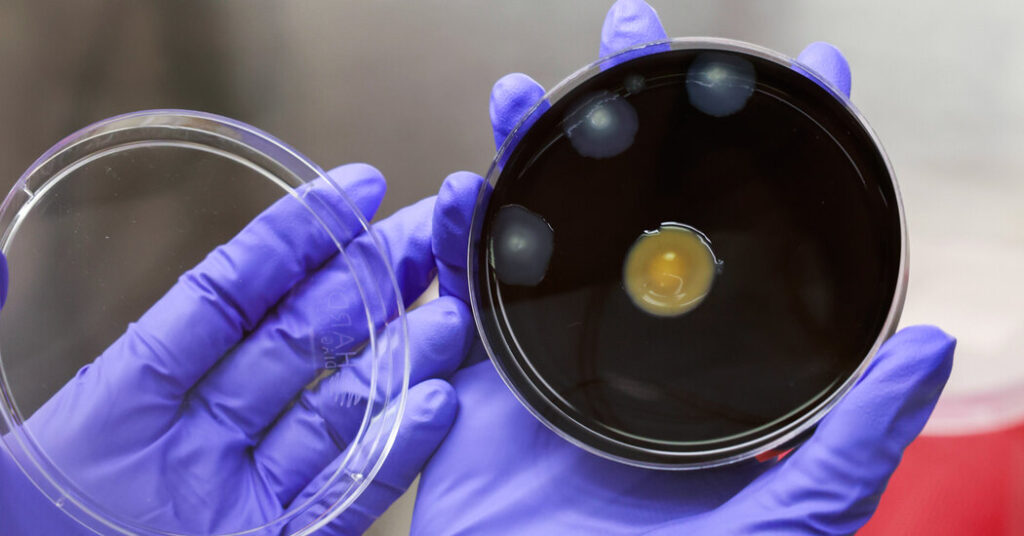
To refine their search for a culprit, the health authorities turn to petri dishes: They try to grow Legionella bacteria from samples taken from cooling towers suspected of being the source of the outbreak. But that can take two weeks. At that point, scientists compare the genetic code of the Legionella bacteria in the petri dish to bacterial samples taken from sick patients to see if they match, which allows disease trackers to identify the outbreak’s source.
The measures announced on Tuesday would enable the authorities to take more decisive steps after the initial test rather than waiting for the confirmatory results.
“When there’s a public health threat, New Yorkers deserve urgency and transparency from their government,” Mayor Zohran Mamdani said. “That’s why we’re using every tool available to protect people by moving quickly to identify potential sources of exposure, requiring immediate remediation and making sure New Yorkers have the information they need to keep themselves and their families safe.”
Officials said that the city would require buildings with cooling towers that tested positive during the initial screening to immediately drain, clean and disinfect their cooling towers. That, too, was a new step, city officials said. Previously, those buildings were required only to add more chemical disinfectants.
“More than 100 N.Y.C. Health Department staff members have worked nonstop since the start of this cluster as we take aggressive action to ensure that we are cutting off the source of exposure as quickly as possible,” Dr. Alister F. Martin, the city’s health commissioner, said.
The post New York City Adopts Measures to Slow Legionnaires’ Disease Outbreak appeared first on New York Times.