Whether it’s induction stovetops, retro-hued clothes dryers or industrial-grade refrigerators, the lineup and features for new appliances change as often as fashion trends. Stores carry a nearly endless array of models, with options evolving due to new tech (including AI) and changing styles, or simply because manufacturers and retailers want to convince shoppers to replace perfectly functional units or splurge on fancy equipment.
Retailers don’t make it easy to shop for new appliances, though. Local stores — particularly big chains — often receive low ratings from customers in Consumers’ Checkbook surveys. People don’t always trust staffers’ advice, and they complain about delivery delays and improper, sloppy installations.
When most other big-ticket items — think tablets, for example — don’t work, you can just return them and get a replacement. But you can’t easily tote your new defective refrigerator back to the store. And most consumers need help with delivery and installation. Plus, if you don’t shop carefully, you could overpay.
To help you separate the good appliance stores from the not-so-good ones, Washington Post readers can access Checkbook’s ratings free until Aug. 15 via Checkbook.org/WashingtonPost/appliances.
These tips will help you get the best deal at any retailer.
Decide what to buy
The first step is figuring out which models you want to purchase. You could start with advice and ratings from Consumer Reports, which regularly evaluates appliances on a range of quality issues — including reliability — and offers sage counsel on the pros and cons of configurations, designs, features and options.
If you’re buying appliances for a remodeling job, your contractor can (and probably should) arrange for delivery and installation. That way a single company is responsible for making sure appliances arrive on time, get delivered without damaging your home, fit the allotted space, are installed correctly and operate properly. But asking a remodeling company to manage delivery and installation is different from letting it buy the appliance. Nearly all remodelers will handle purchases, but they won’t necessarily dig up the best prices. You should plan on doing that. (See our tips below.)
Energy efficiency considerations
By federal law, all new appliances must meet minimum energy- and water-usage standards, but some units are more energy-efficient and use less water than others. The most efficient ones can earn certification by the federal government’s Energy Star program.
Energy Star-certified appliance models tend to cost more than noncertified options, but lower energy bills usually cover those higher price tags. So if your old appliance has died or needs an expensive repair, it is usually worth paying extra for an Energy Star-certified replacement. Calculations on the Energy Star website compare annual operating costs of efficient and inefficient appliances according to how much you use them and how long you expect the new unit to last, among other variables.
Old appliances, particularly decades-old refrigerators and freezers, gobble up so much energy that governments and utility companies sometimes offer consumers incentives to replace them. These programs come and go; check with your utility company for current rebate offerings. The Database of State Incentives for Renewables & Efficiency, which is available online, also maintains up-to-date information.
In coming years, appliance manufacturers probably will continue to produce units that consume even less energy and water. Homeowners and landlords also increasingly are opting for all-electric cooking appliances, which are more energy-efficient and don’t emit harmful gases into your home.
Secure a good price
Our undercover shoppers found a wide range when they collected prices from local and online retailers. For example, the highest price quoted by local retailers for an LG LRFS28XBS refrigerator was $2,684; the lowest was $1,567. For a GE GGF600AVSS gas range, prices varied from $900 to $1,565. Fortunately, Checkbook finds that highly rated stores often quote prices as low as, or even lower than, competitors with worse ratings.
Because manufacturers enforce minimum-advertised-pricing policies designed to squelch competition, if you rely only on stores’ ads or websites, you’ll find the same prices from store to store for most models. But Checkbook’s researchers discovered that if they called or emailed stores and mentioned they were collecting prices from several outlets for the models they were considering, they were often granted steep discounts.
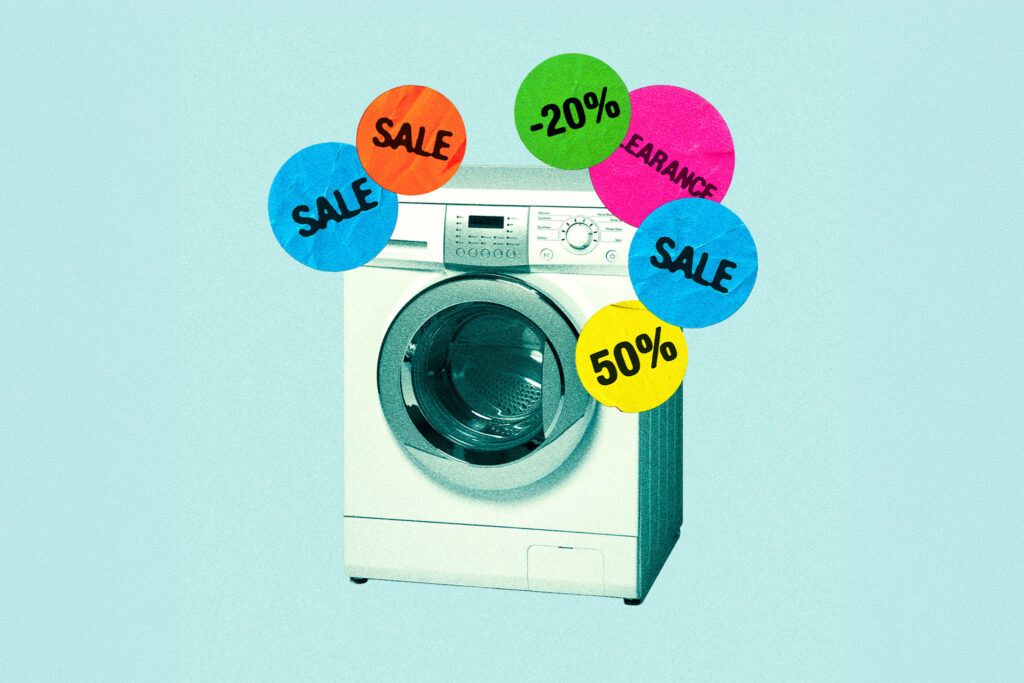
Checkbook’s research also shows that most stores use fake sale prices to mislead their customers into believing they’re getting special deals when, in fact, appliances are constantly on sale, and at most stores buyers are paying too much. The only way to be sure you’re getting a good deal is to shop around.
Call four or five retailers and ask to speak to someone with authority to provide discounted pricing. Tell that person the makes and model numbers of the appliances you want, explain that you are calling multiple companies to solicit bids, make it clear that you will ask each store only once for its best price — and will buy from the store that offers the best deal.
Don’t be shy about using this method. Be polite, businesslike and let stores know that you get competitive bids whenever you make major purchases. Most appliance salespeople are accustomed to providing discounted pricing when asked.
Skip the extended warranties pushed by most stores. These offers are big profit centers for the stores that sell them but awful deals for most consumers.
Delivery and installation
Many reviews from appliance store customers indicate that delivery and installation are the most problematic parts of their transactions. Delivery crews often damage floors and doorways, and workers frequently cause water damage and even floods by improperly installing dishwashers and clothes washers. Screwups in the installation of gas appliances are common and nerve-racking.
If you need delivery and installation, nail down prices for that work along with costs for the appliances. Be aware that some companies won’t install dishwashers, and others won’t connect appliances to gas lines. Some delivery personnel won’t do anything but move appliances into place and plug them in. If you buy from a store that doesn’t provide full installation services, and you aren’t comfortable with doing it yourself, you’ll have to hire a plumber or appliance repair service. Most reasonably priced plumbers charge around $100 to $150 to hook up clothes washers, gas stoves or dishwashers. When comparing appliance prices, take these expenses into account.
It’s reasonable for a store to require a small up-front deposit. But making a large deposit deprives you of the leverage you may need to make sure all goes as planned. Whenever possible, pay by credit card. If you have a problem, you can protest the charge with your credit card issuer.
Kevin Brasler is executive editor of Washington Consumers’ Checkbook and Checkbook.org, a nonprofit organization with a mission to help consumers get the best service and lowest prices. It is supported by consumers and takes no money from the service providers it evaluates.
The post Beware fake sales, and other tips for scoring a great deal on appliances appeared first on Washington Post.