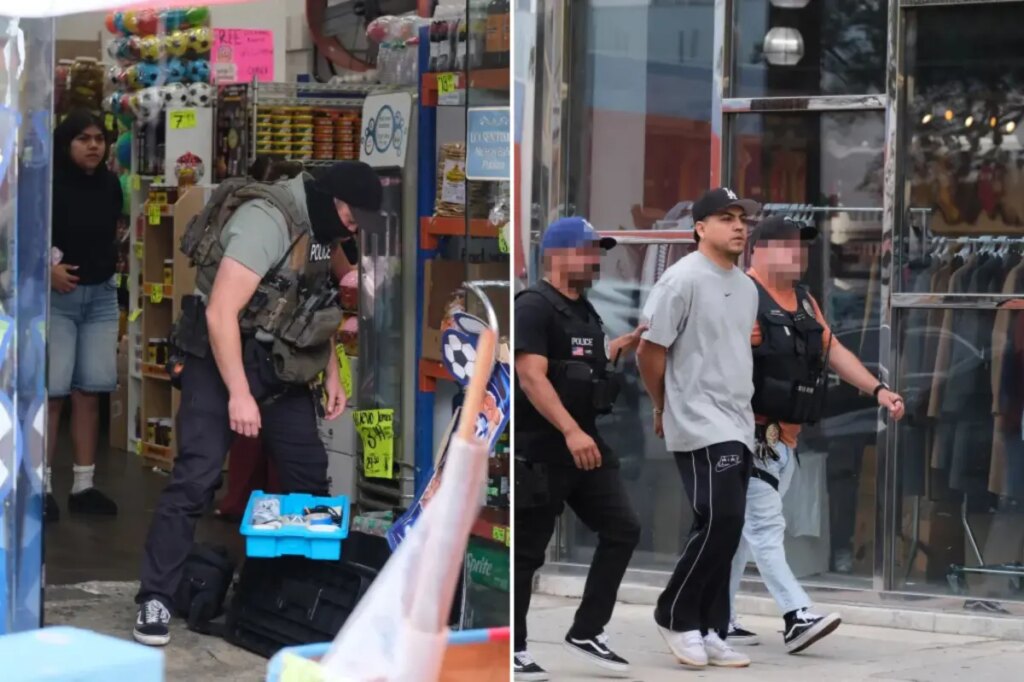
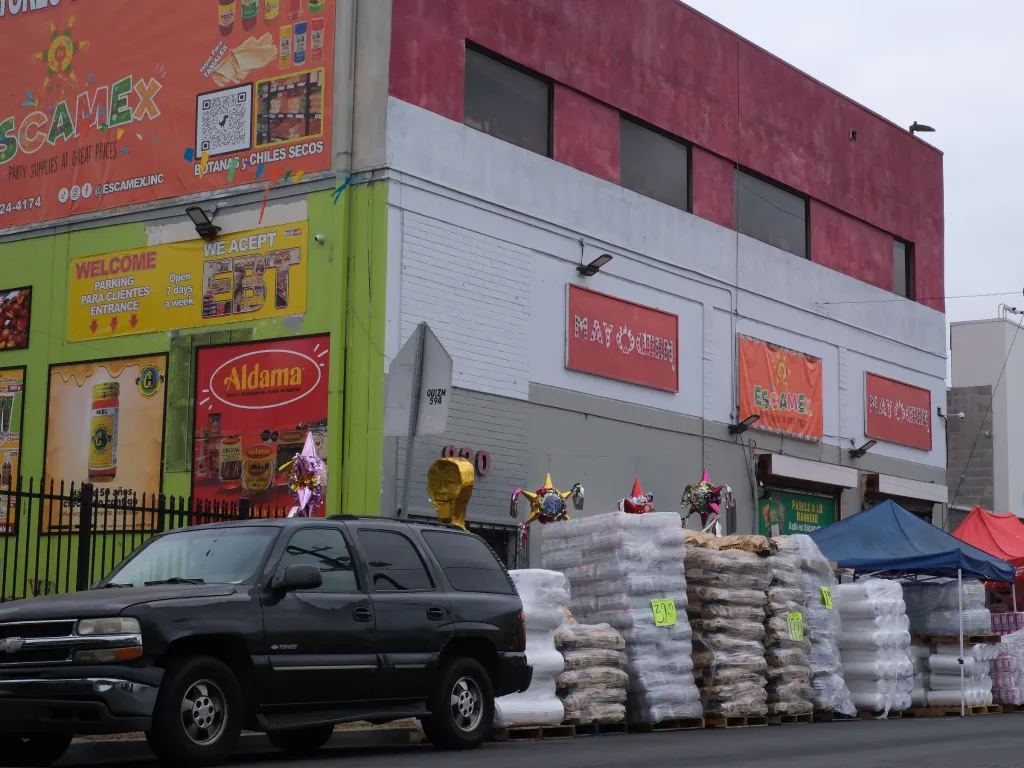
SNAP’s EBT cards are supposed to help low-income families buy food, not fund side hustles. But at LA’s Escamex Party Supplies bodega, these benefits allegedly fueled a brisk backroom business.
Jesse Cervantes-Gomez is accused of ringing up big fake purchases on recipients’ cards and handing back roughly half the amount in cold cash. Law enforcement claims that taxpayers footed the bill for “food” that never left the shelf, while fraudsters walked away with spending money.
It was welfare as ATM, right in plain sight.
One reason the bodega may have attracted the attention of federal law enforcement was how much cash flowed through one unassuming storefront.
This low-volume shop somehow allegedly processed $732,608 in SNAP benefits in a year, nearly twice its nearest competitor, with suspiciously large average transactions.
This was the all-important clue. Investigators pegged over $1 million in suspected fraud at this single location.
Undercover agents posing as fellow scammers barely had to ask: swipe the card, get the cash, keep a cell number for future “deals.” A second sting netted $3,240 in phony sales yielding $1,740 cash.
The alleged operation ran with the breathtaking simplicity.
The bust itself was textbook.
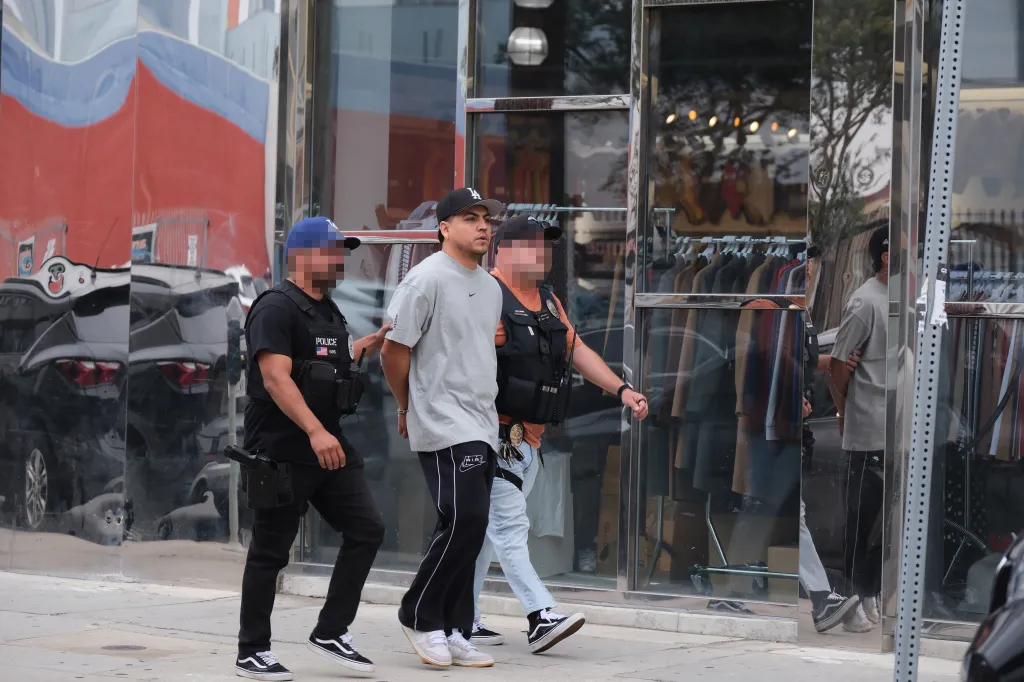
Federal agents, joined by LAPD officers, swarmed Escamex at the scene, followed by the metallic click of handcuffs on a guy who allegedly thought he was meeting his next mark.
Trafficking benefits for cash, and filing false claims for nonexistent groceries, are all explicitly banned under the Food and Nutrition Act.
But that kind of fraud, while daunting in its sheer scale, is no surprise in a state awash in welfare cash.
Cervantes-Gomez now faces up to 20 years in prison and a $250,000 fine. Stores caught doing this can and obviously should be booted from SNAP permanently, fined and hit with criminal charges.
Recipients who play along risk losing their benefits too.
And yet, this wasn’t a lone wolf operation.
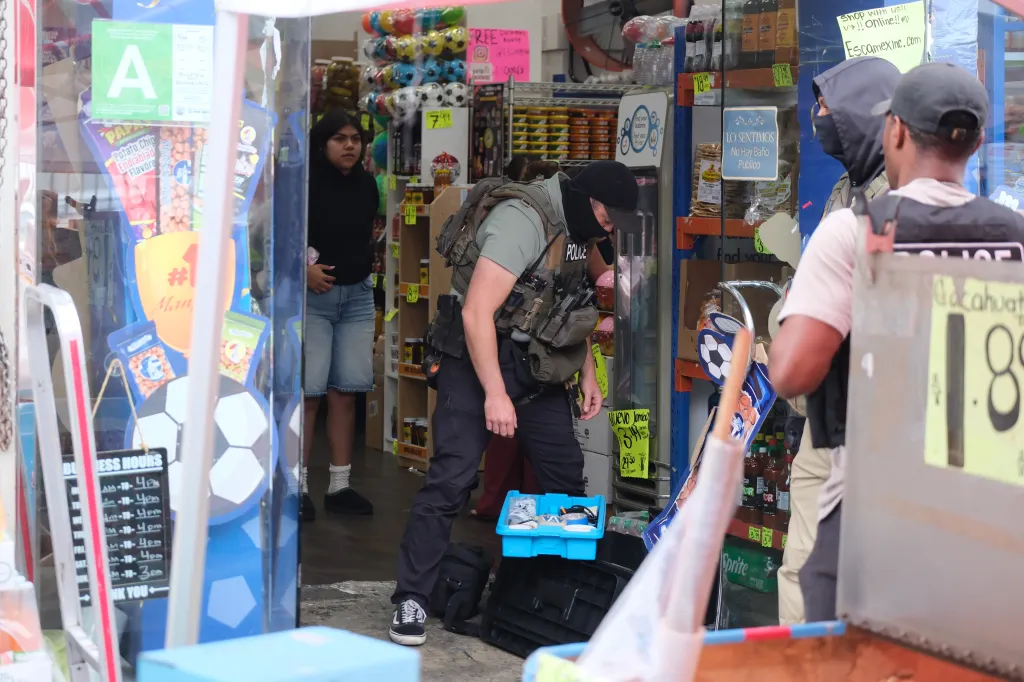
The same day’s raids prompted the USDA to slap violation notices on 33 SNAP-authorized retailers across LA: six for straight cash trafficking, and 27 for allowing benefits to be used for prohibited items like booze and vapes.
This one coordinated sweep exposed how widespread the rot had apparently become.
Nationally, USDA studies from years past pegged trafficking at roughly 1–2% of total SNAP benefits, adding up to $1–1.3 billion annually, with 12–14% of retailers involved at some level.
Smaller corner stores and bodegas have long been the worst offenders.
Broader improper payments have lingered around 10–11% in recent fiscal years, costing over $10 billion — though not all of that is outright fraud.
For years, previous federal leadership treated these problems like background noise — occasional headlines, little sustained pressure and plenty of bureaucratic shrugging.
It took the Trump administration, a new USDA Secretary in Brooke L. Rollins, and a determined local prosecutor to turn up the heat.
Rollins, confirmed in February 2025, wasted little time: she pushed aggressive data-sharing with states, stood up a dedicated SNAP Program Integrity Data Team and backed real-world stings using transaction analytics.
The message was clear: taxpayer-funded programs aren’t slush funds.
In LA, lead federal prosecutor Bill Essayli has been the boots-on-the-ground enforcer. His office has hammered home the need to chase fraud that steals from both taxpayers and legitimate recipients. Together with federal investigators, these federal officials have turned data flags into handcuffs in cases like Escamex.
What was once shrugged off as too-hard-to-police suddenly became a priority worth pursuing.
This LA operation shows exactly how retailer-driven SNAP fraud works, how easy it was to spot once someone bothered to look and how much sharper enforcement gets when leadership decides to stop looking the other way.
Richie Greenberg is a political commentator based in San Francisco.
The post EBT fraud? Oh SNAP! No surprise in state awash in welfare cash appeared first on New York Post.