Kenya’s government received complaints that a diplomat was sexually abusing women, according to a U.N. official and a labor leader. But officials allowed the diplomat to continue working with migrant women.
The diplomat, Robinson Juma Twanga, was the longtime labor attaché in Saudi Arabia. Kenya’s president, William Ruto, has built his economic plan around sending more workers abroad. That made Mr. Twanga a powerful figure for the hundreds of thousands of Kenyans, mostly women, working in the kingdom.
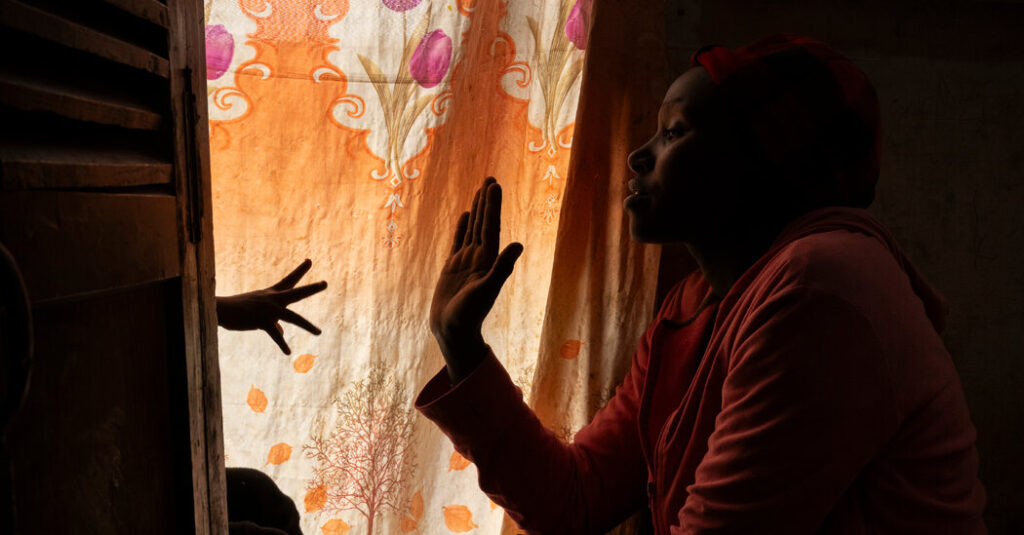
Hundreds of Kenyan workers have died in Saudi Arabia in recent years. Autopsies describe unexplained injuries and mysterious falls. Many women have reported rape and other physical violence, which often goes unpunished.
The New York Times reported this year that women who sought help from the Kenyan Embassy said that Mr. Twanga demanded sex and money. Some said that he had told them to become sex workers to pay for plane tickets home.
Kenyan officials said at the time that they had not heard such claims.
But Kenya’s labor ministry received several complaints about Mr. Twanga and discussed how to handle them in 2019, but took no action, according to a U.N. official. A Kenyan union leader said that, in 2020, he reported abuse accusations to the government.
Alfred N. Mutua, the labor secretary, would not say what the government knew about the accusations. He said Mr. Twanga retired under the previous administration.
Mr. Twanga declined to comment. The Times article prompted an investigation that could lead to criminal charges, Mr. Mutua said.
Mr. Mutua encouraged victims to come forward. “We will ensure justice is served,” he said. But the administration has delayed releasing records about Mr. Twanga, despite directives from a government watchdog.
The years of inaction are another example of how Kenya’s government failed to protect women despite evidence of abuse — and encouraged even more of them to take jobs in Saudi Arabia.
Mr. Ruto’s family and political allies profit off the foreign-staffing industry. His government has rolled back protections and made it cheaper to send workers abroad. Hundreds of Kenyan children are stranded in Saudi Arabia — in a bureaucratic limbo that Kenyan officials have been slow to address.
The revelations have prompted rare criticism from within Mr. Ruto’s governing coalition. The National Assembly summoned his foreign secretary, who defended the labor program.
Senator Faki Mohamed Mwinyihaji said the government treated its citizens like cows for milking.
“If they bring money, that’s the only time we are happy,” he said. “Once they get problems abroad, we never help them.”
Warnings Arrived Years Ago
In a meeting with the International Labor Organization in December 2019, Kenyan labor officials acknowledged receiving reports of sex abuse by Mr. Twanga, said a senior United Nations official who attended the meeting.
The official, who spoke on condition of anonymity to discuss private conversations, said Kenyan officials urged overseas diplomats to monitor Mr. Twanga.
By 2020, numerous women had reported that Mr. Twanga had solicited sex, said Francis Atwoli, the head of Kenya’s Central Organization of Trade Unions. He said he had relayed the complaints to officials, including the labor secretary at the time, Simon Kiprono Chelugui.
Mr. Atwoli also told journalists at a 2021 news conference that a Kenyan official in Saudi Arabia had demanded sex from a woman. Mr. Atwoli did not name the official then, but recently told The Times that it was Mr. Twanga.
“Nothing ever happened,” Mr. Atwoli said. “It’s not a secret that he was problematic.”
Mr. Chelugui did not respond to requests for comment.
Roseline Kathure Njogu, a senior foreign ministry official, said that no formal complaint had been filed. “If a government employee acts in this manner, that is not only unconscionable, it is patently criminal,” she said on a radio show.
Francis Wahome, a lobbyist for Kenya’s staffing industry, said several women had complained that Mr. Twanga coerced them into sex. Mr. Wahome said he believed that the sex was consensual.
Additional accusations
Since The Times reported on Mr. Twanga, other women said in interviews that he insulted them, denied help or told them to engage in sex work.
Pauline Muthoni Kariuki said her Saudi employer and his friend raped her in 2020. She became pregnant and sought help. At the embassy, she said, Mr. Twanga accused her of seducing men.
Everlyne John said she went to the embassy after her Saudi employer withheld pay and threatened to rape and kill her.
“You think you will get a red carpet when you come to the embassy?” she recalls Mr. Twanga asking. She said he told her if she was unhappy at work, she should consider sex work.
The Times obtained an internal government report portraying Kenya’s embassy in Riyadh as mired in turmoil, with the ambassador accusing his staff of acting unethically.
Mr. Mutua, the labor secretary, said he had sent new attachés to Saudi Arabia. “I am confident that the teams that are on the ground now are much better,” he said.
Abdi Latif Dahir is the East Africa correspondent for The Times, based in Nairobi, Kenya. He covers a broad range of issues including geopolitics, business, society and arts.
The post Kenya Kept a Diplomat in His Job Despite Years of Sex Abuse Accusations appeared first on New York Times.