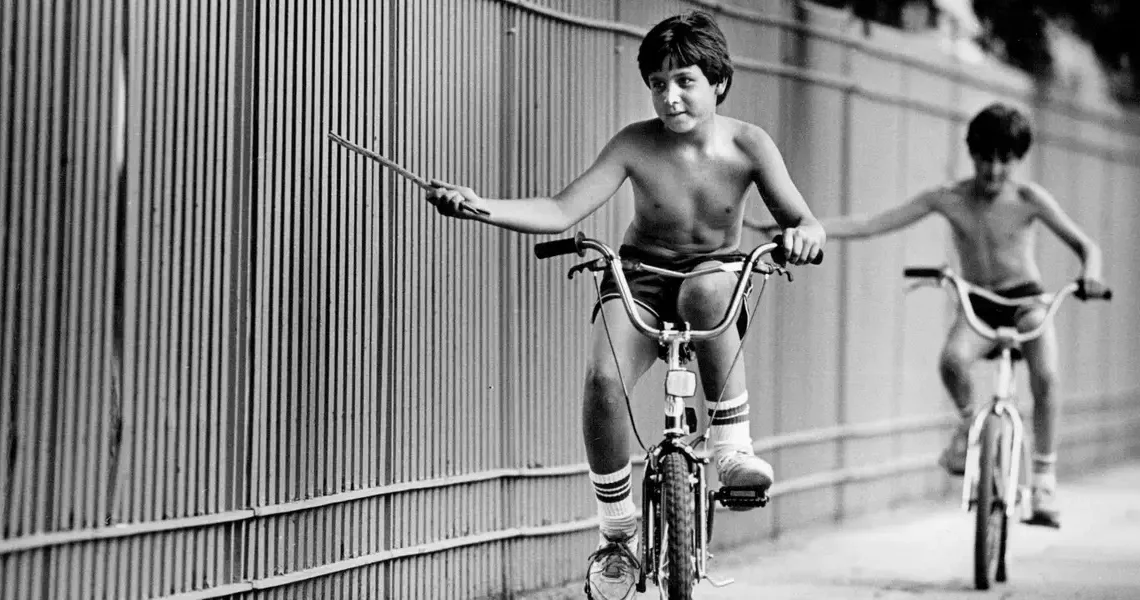

Summer vacation used to mean two months of freedom: pools, playgrounds, and hours spent hanging out with your friends.
But for Gen Alpha and the youngest members of Gen Z, summer is starting to look a little different.
Changing technology, safety standards, more cautious parents, and social media have all changed how summer looks. Imagine explaining a unicorn pool float to a Victorian child — it’d send them into a tailspin.
These photos show how summer vacation has changed over the last century.
In the early 1900s, school used to be centered on crops, and summer wasn’t a vacation — it was a time for hard work.

Before child labor laws were adopted in the first half of the 20th century, an 1890 United States Census report showed that 20% of kids ages 10 to 15 were workers, or over 1.5 million children. A decade later, that went up to 1.75 million gainfully employed kids, according to The Social Welfare History Project.
Bathing suits used to be a little more elaborate.
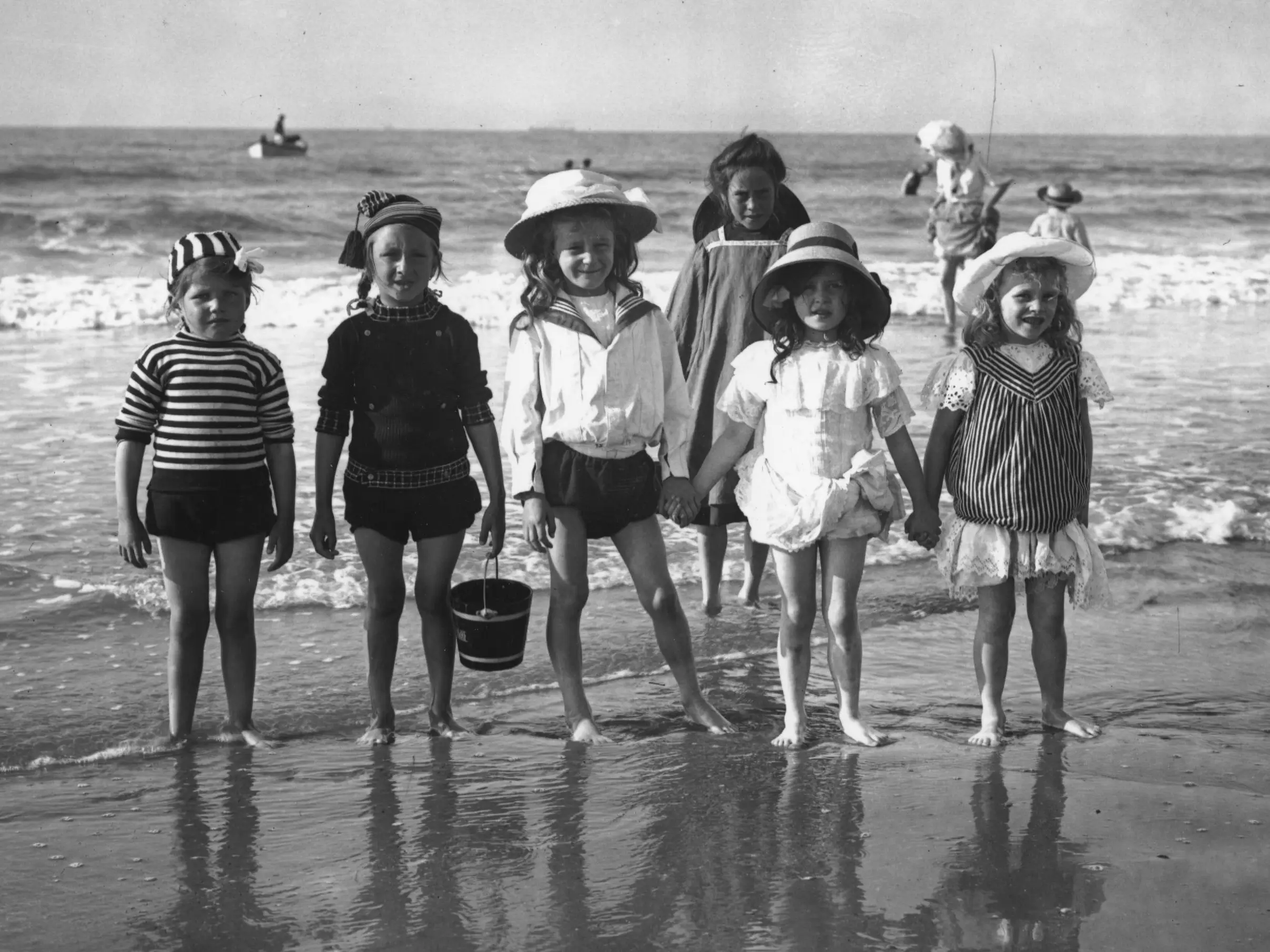
Bathing suits have come a long way over the past century.
Kids didn’t need any fancy technology; a stick and a hoop used to be more than enough to keep everyone entertained.
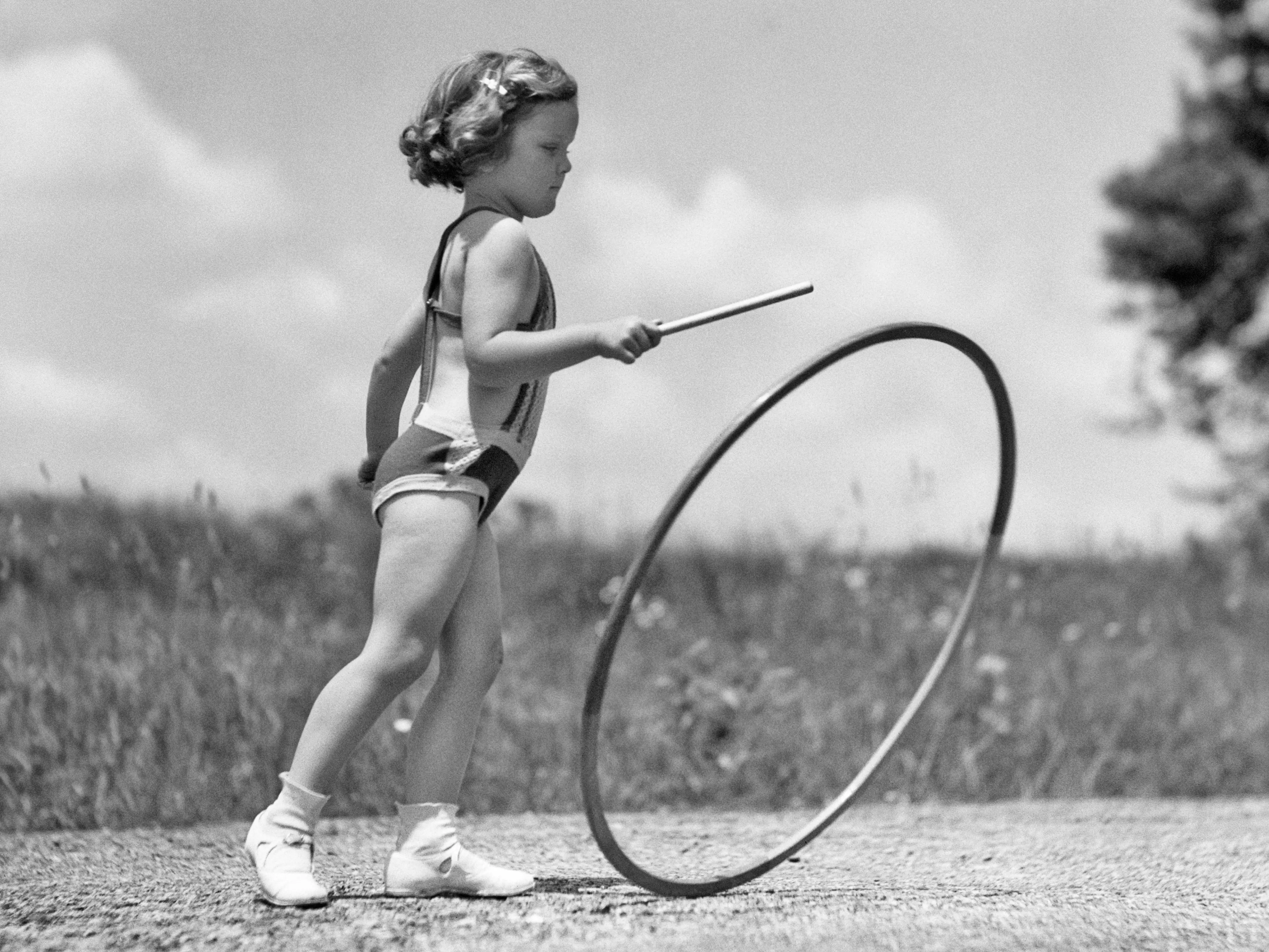
Officially, this was called hoop rolling or hoop trundling. It’s been around since the 1600s and lives on today in a different fashion: the hula hoop.
Stickball was the sport of choice, especially when there was no grass to be found.
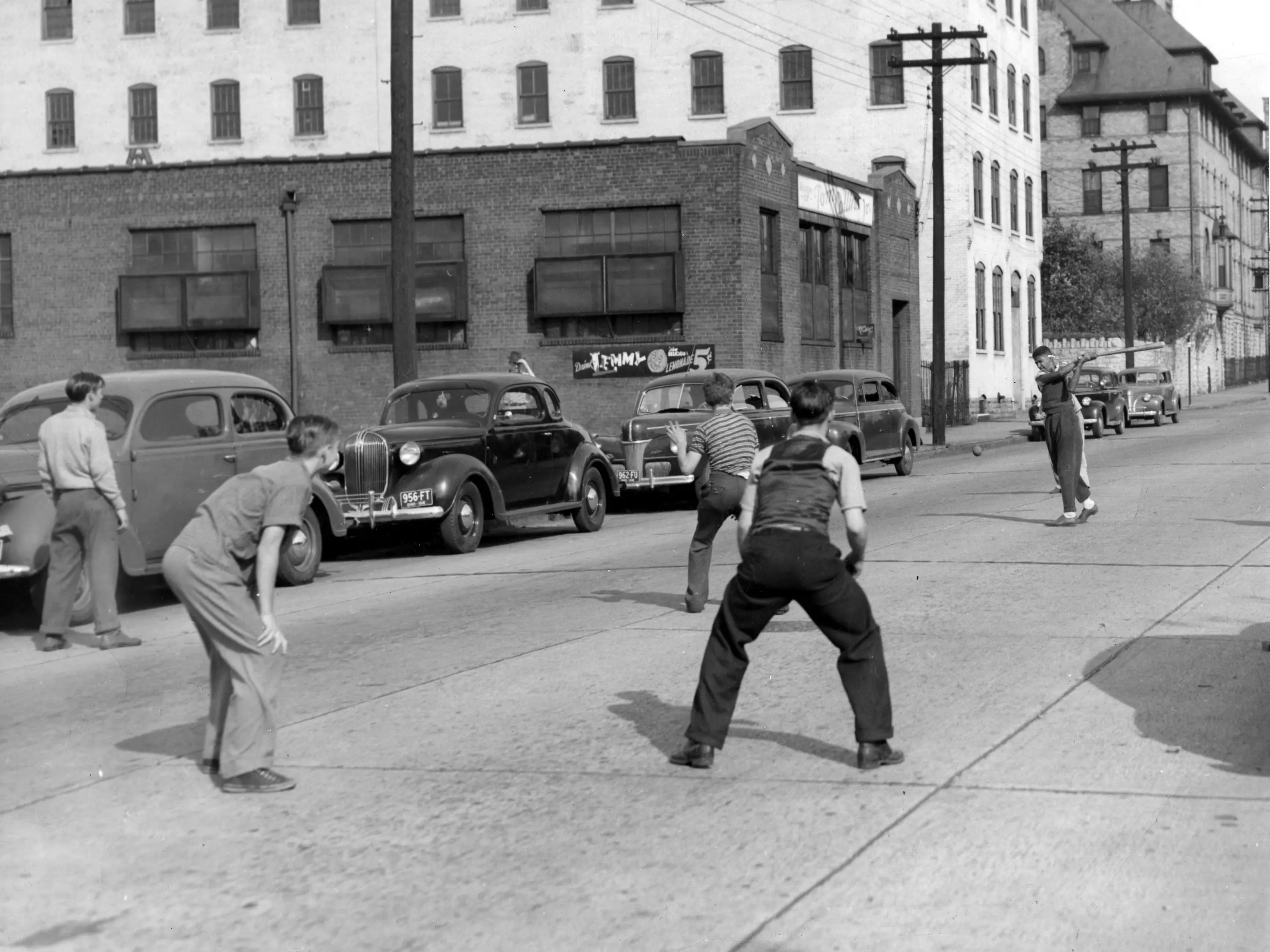
Stickball has been around since the 1800s and is still played now, but many parents are wary of the potential dangers of playing a sport in the middle of the street.
Who doesn’t remember sliding down a burning hot metal slide in the dog days of summer?
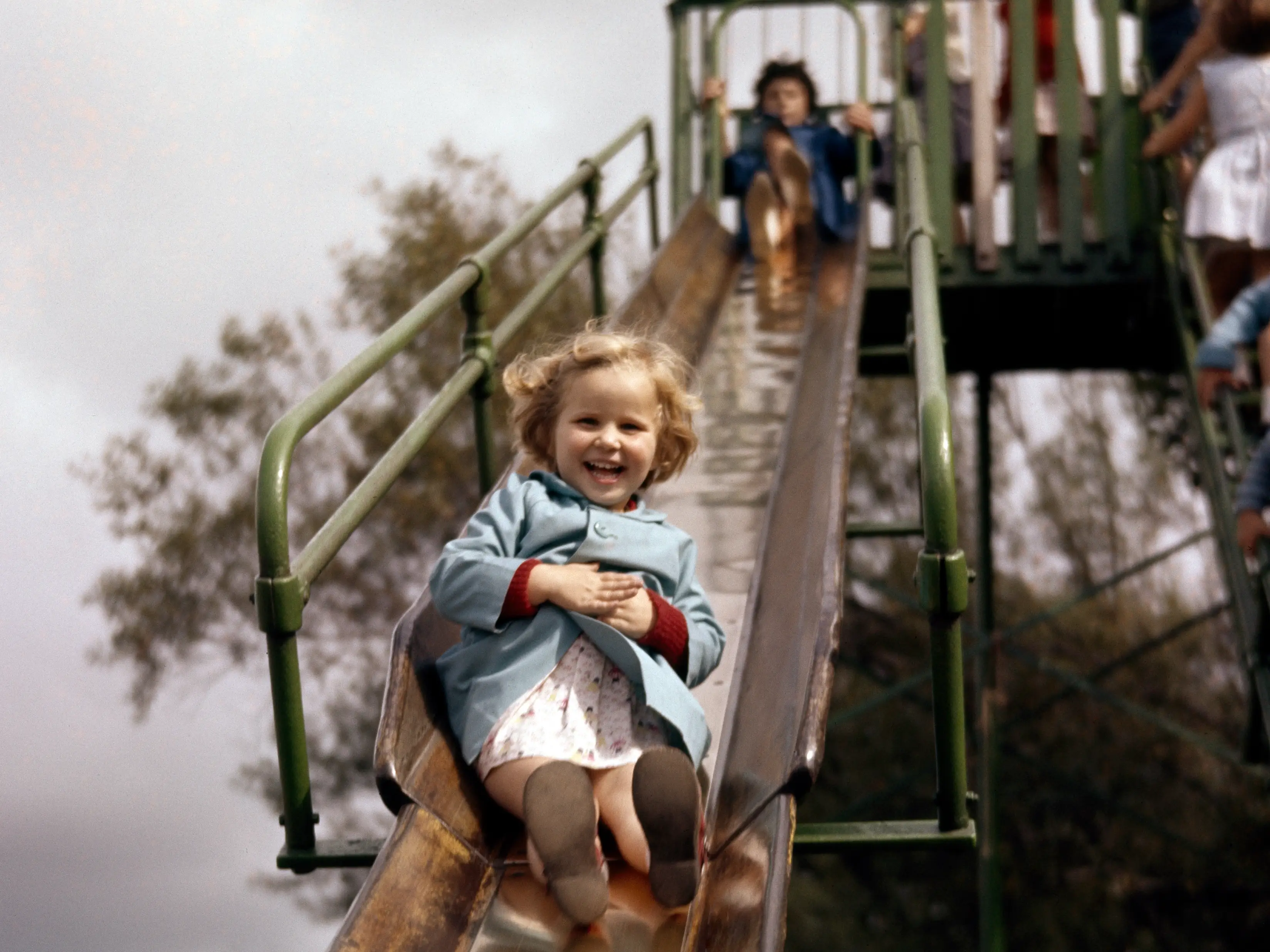
Playgrounds used to play fast and loose with kids’ safety … which was half the fun anyway.
They’re considerably safer today, although some anthropologists argue there are developmental benefits to playing on challenging structures, like those of the past.
“Generally, researchers have found that risky play helps children build resilience and confidence, skills that resonate throughout life,” said Zane Thayer, an associate professor of anthropology at Dartmouth College, in a 2024 report from the school.
Over time, metal was replaced by wood and wood chips, which still wasn’t great. Remember all the splinters?
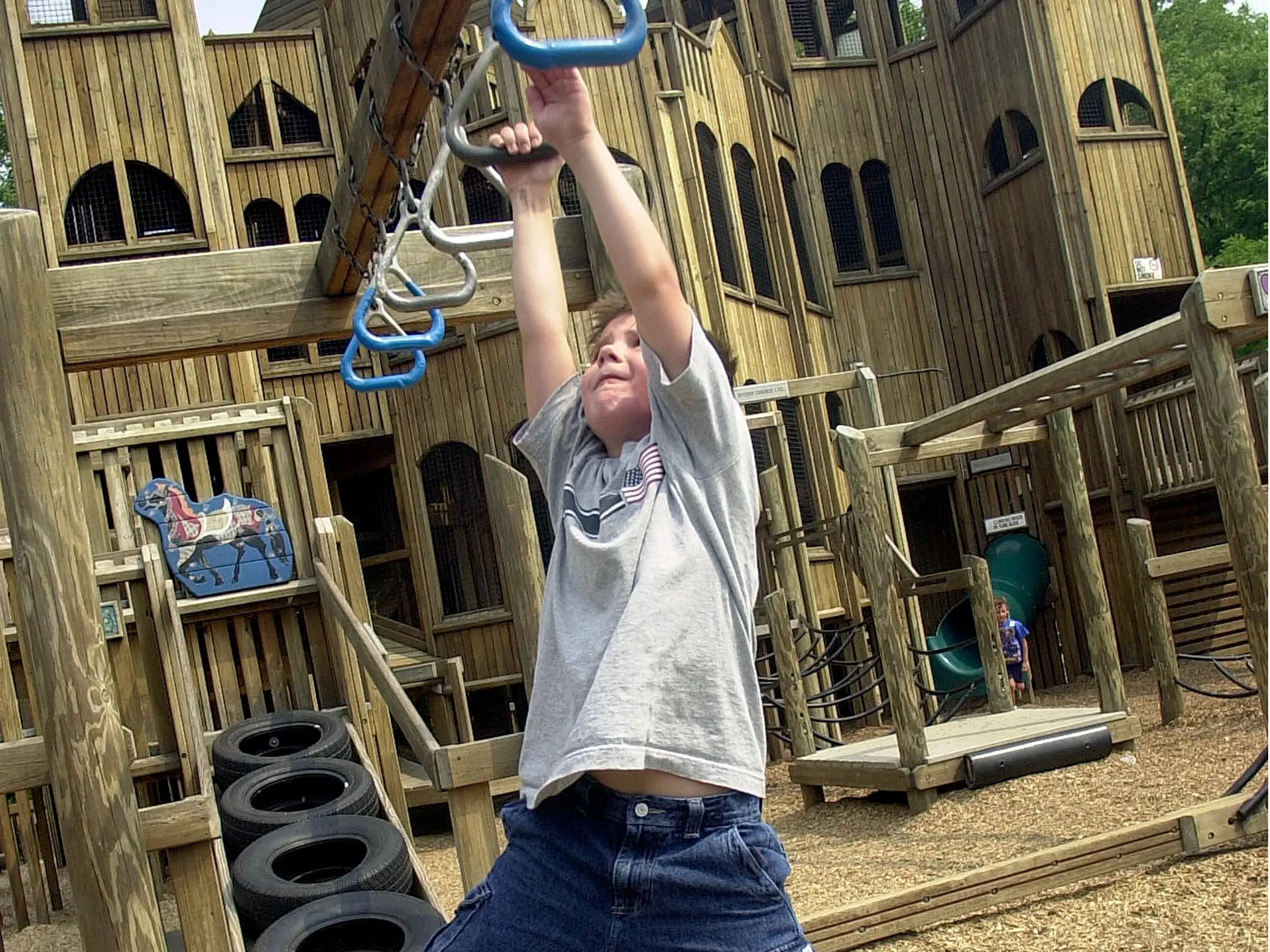
That’s pretty much the only downside of them, though.
Kids used to have to meet up with each other just by biking around the neighborhood and seeing who was available.
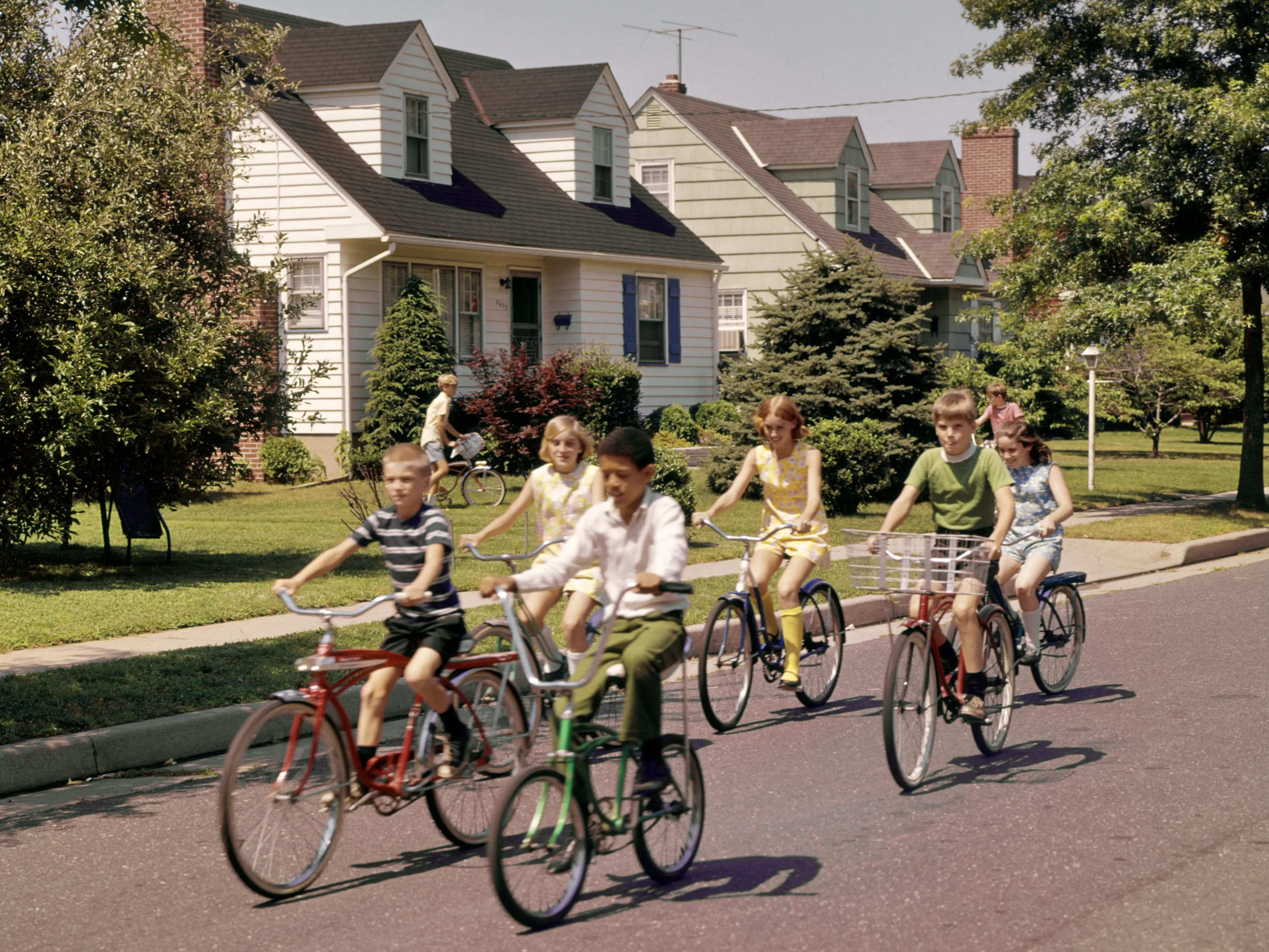
It’s rare now to see a pack of young kids biking around without a chaperone.
Pool floats were a lot simpler.

In general, most things were simpler. There were no Instagram or TikTok followers to show off for.
Arcades eventually became the entertainment of choice, with games like “Pac-Man” and “Asteroids” taking over.
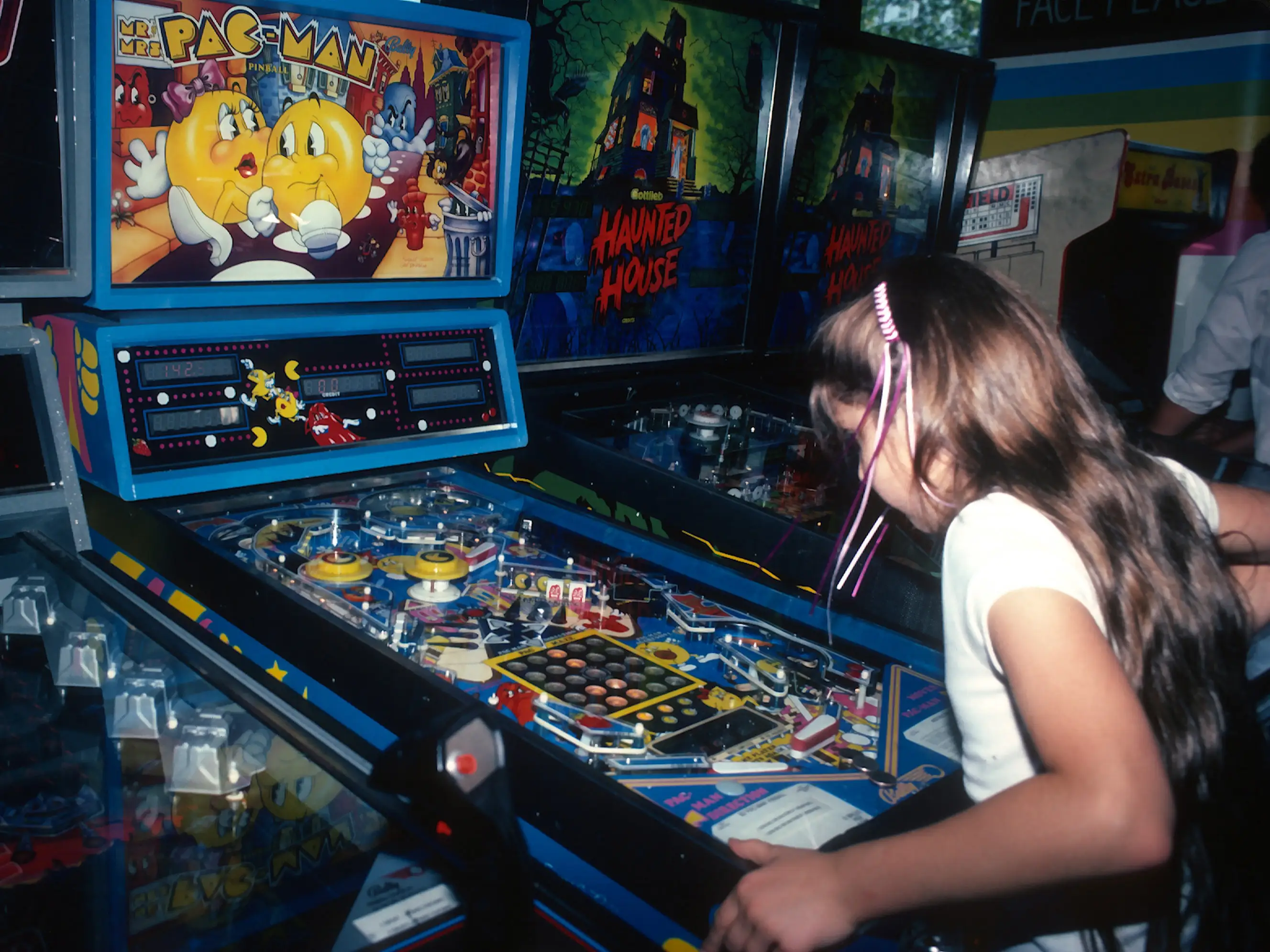
After “Asteroids” was released in 1979, it reportedly became Atari’s best-selling arcade game. “Pac-Man” was also at its peak in the early 1980s, after its US release in 1980.
Now, in 2026, arcades are something of a dying institution — you can play all your favorite video games in the comfort of your own home. The only arcades left are the big chains like Dave and Buster’s, or bars like Barcade that are for adults, not kids.
But before ’80s kids even had video games, they had comic strips and crosswords.

Kids and adults would crack open the daily newspaper and play the games, whether it was a crossword, a word scramble, or a word search.
And, of course, you can’t forget about the comics section — Charlie Brown was just as famous as Bluey or the pups of Paw Patrol.
Sometimes, all you needed for a fun time was a tarp, soap, and a hose — voila! A makeshift slip-and-slide.
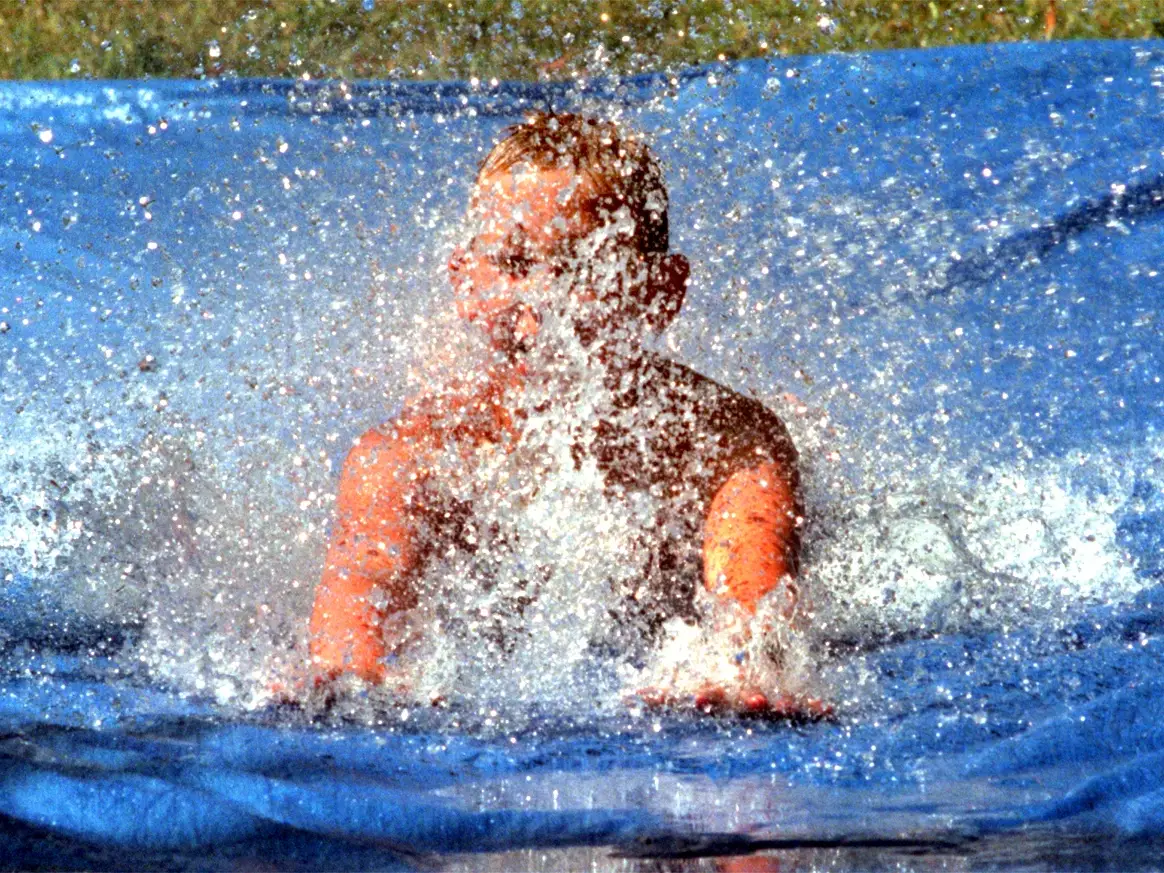
Never mind that sticks, rocks, and anything else on the ground could rip the tarp and cut up your arms and legs. That was part of the fun.
And it didn’t matter if there was nothing to stop your momentum — sliding into your friends and knocking them over was the whole point.
Ideal summer jobs were lifeguarding or being a camp counselor.

Even though working teenagers are in high demand and could be making good money, the labor force participation of teens is much lower than it used to be.
In 2024, 5.7 million 16-to-19-year-olds worked over the summer, according to the Bureau of Labor Statistics. That’s a five-year high, but nothing compared to the 8.3 million teens who worked during the summer of 1978.
Now, bathing suits look a little different.

Vintage-style bathing suits are coming back, though, like the ’80s-era high-cut one-pieces or belted bathing suits of the ’70s.
For kids with access to virtual-reality games, the devices mean they don’t even have to go outside to get the summer experience.

According to a Florida Atlantic University study in 2024, one in three kids has access to a VR headset. But even if a kid doesn’t have access to an Oculus or an Apple Vision Pro, they might have a tablet or some type of video game system.
“In our research, we found that kids were spending a lot less time outside,” Ruslan Slutsky, an education professor at the University of Toledo, told Vox. “They were spending a lot less time in traditional forms of play because they were playing with devices.”
Playgrounds are so safe that some kids have forsaken them altogether.
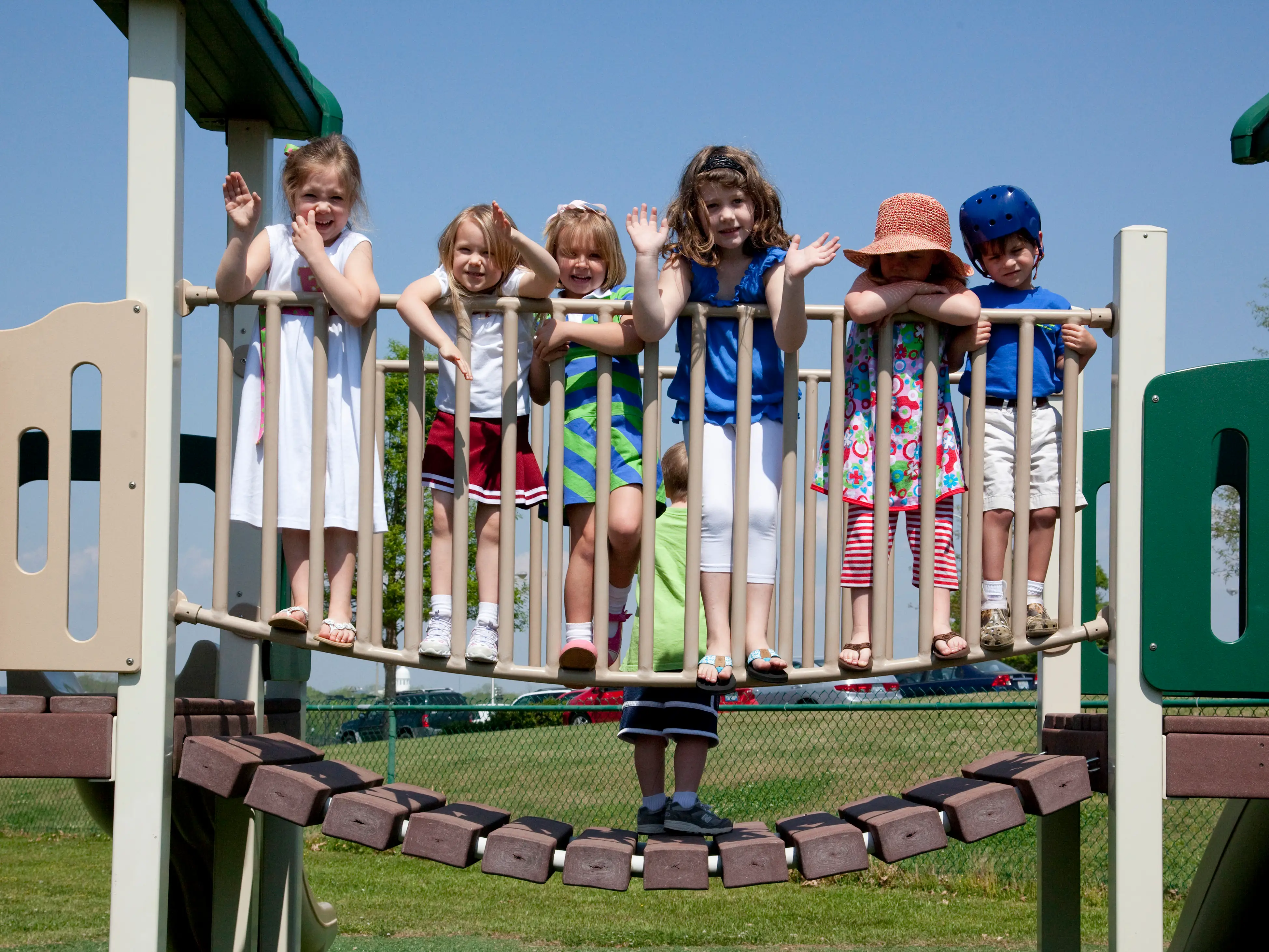
A study conducted in 2012 published by Pediatrics Digest found that kids aren’t using playgrounds anymore because they’re not stimulated enough.
The Atlantic reported that lead researcher Kristen Copeland found that “some participants said that overly strict safety standards made much of the climbing equipment uninteresting, thus reducing children’s physical activity.”
Per a 2024 report by the World Playground Research Institute, not much has changed in the intervening 12 years. In the UK, 27% of kids reported playing outside regularly.
Teens and tweens make plans via text, and even when they’re together, phones still compete for their attention.
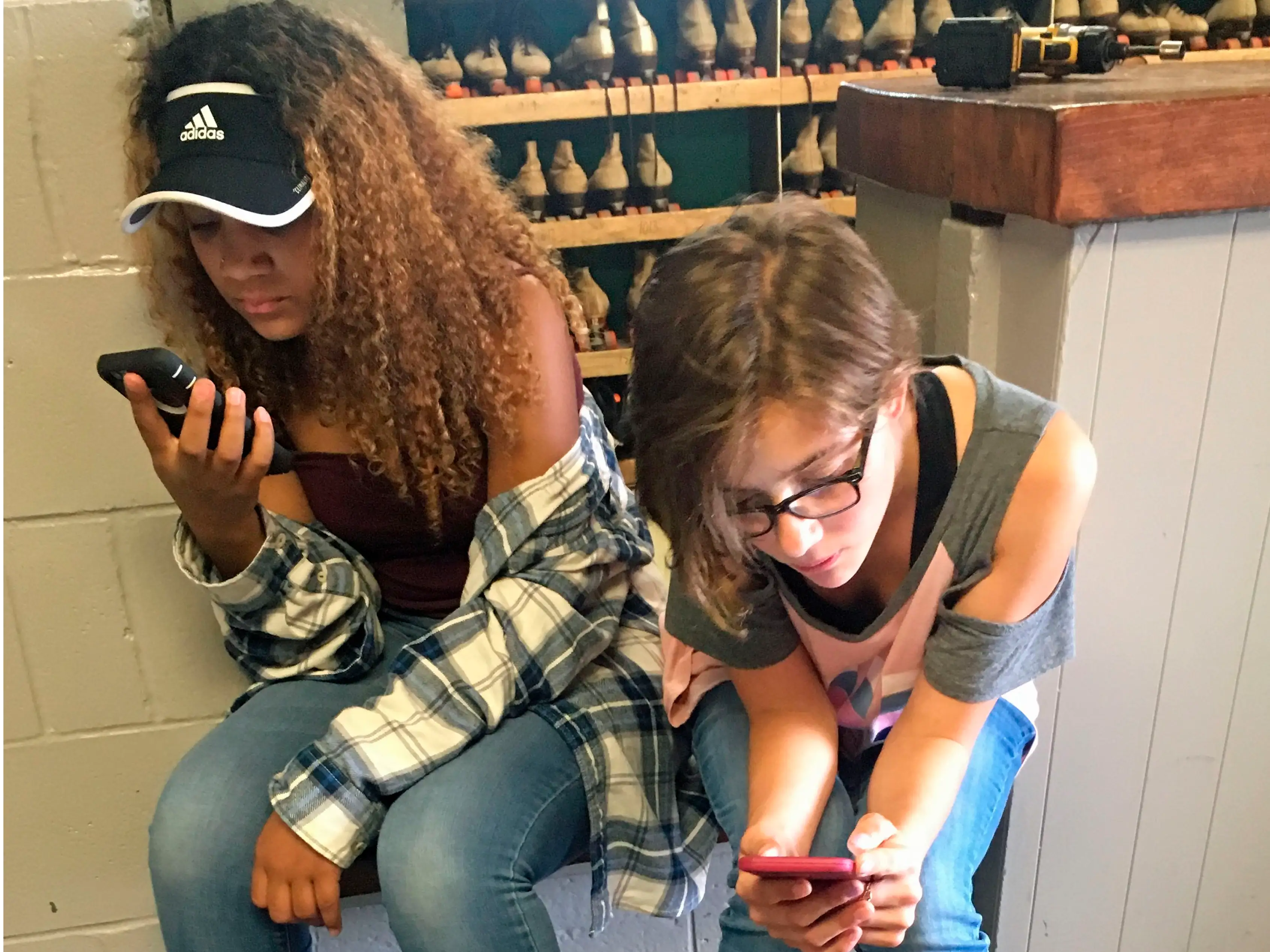
In 2018, Common Sense Media found 54% of surveyed teens agreed that social media “often distracts me when I should be paying attention to the people I’m with.” When it came to their preferred ways of communicating with friends, texting ranked top at 35%, ahead of in-person communication at 32%.
Now, a pool can’t be seen without a gigantic float.

There’s an overwhelming amount of pool floats to pick from in 2026.
Sports are well-organized these days and significantly less dangerous.
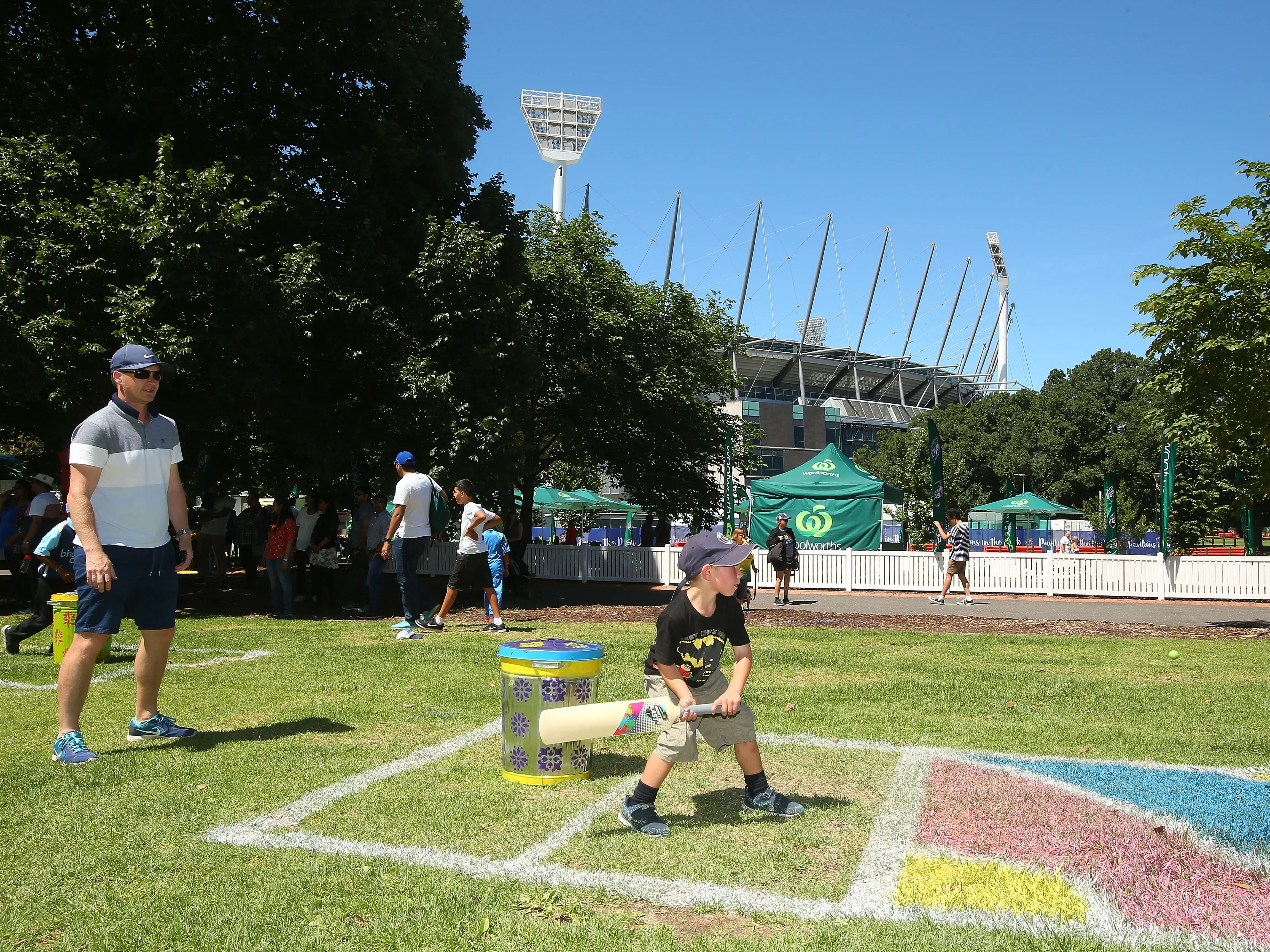
Though it’s probably a good thing that kids aren’t allowed to roam the streets without being able to call home, or play sports in the street, or play on potentially dangerous playgrounds, it’s just not the same.
Even slip-and-slides have been commodified into giant events.

Slide the City was a cool event while it lasted — a giant slip-and-slide took over a few blocks of your city — but it was not the same as getting covered in dish soap with your friends.
However, in 2026, there’s an emerging trend toward play habits of the past, especially as some families seek to reduce their use of tech.
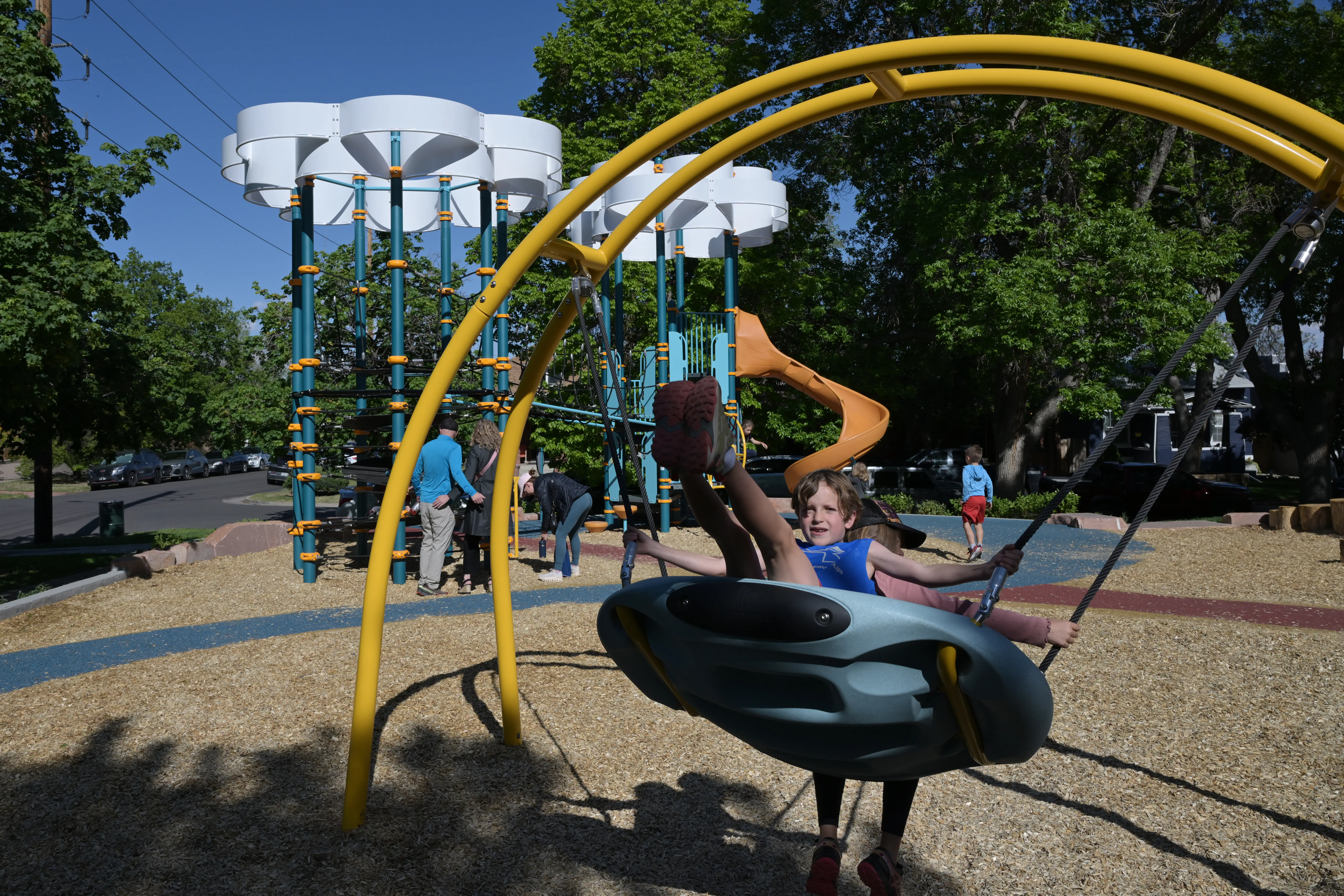
Some families are attempting to replace devices with more outside play, as well as unstructured play, for their young children.
Surveys, including a Pew Research Center survey released in October 2025, show that many parents are trying to manage their children’s screen time through household rules and by offering alternate entertainment. That shift echoes a broader interest among some Gen Z members in seeking out more analog experiences.
Read the original article on Business Insider
The post 20 photos show how summer vacation in the US has changed over the last 100 years appeared first on Business Insider.