For Yolanda Vega, a social worker who runs a Head Start program in Queens, New York, winning tickets in a city-run lottery to see Brazil face off against Morocco was the highlight of her summer.
“It’s a big thing for me to be out,” said Vega, who said she was wearing an ankle boot and had surgery scheduled for a few days after the game. “When I won this, I swear I thought it was a phishing tactic on my email.”
In Mayor Zohran Mamdani’s New York, any day could be your lucky day — if you throw your name into the ring for a municipal lottery.
So far, the Mamdani administration has opened lotteries for $50 World Cup tickets, replica city litter baskets painted in Knicks colors, a free celebration at City Hall to honor the Knicks, and front-row seats for the Fourth of July fireworks. The World Cup and City Hall lotteries each received around 350,000 sign-ups — more entries than the population of the Upper West Side.
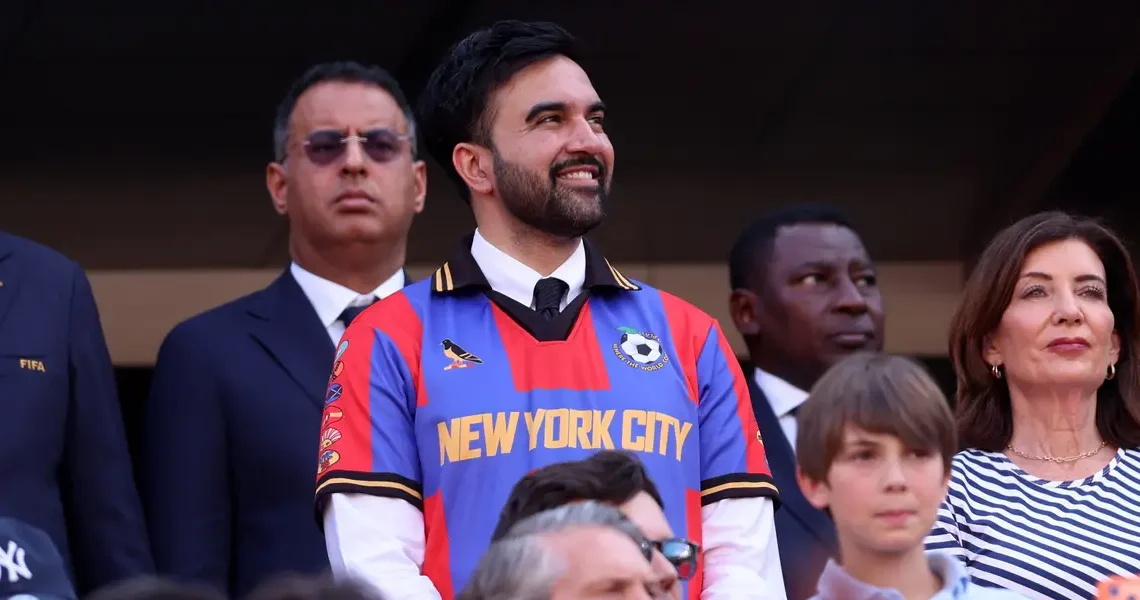
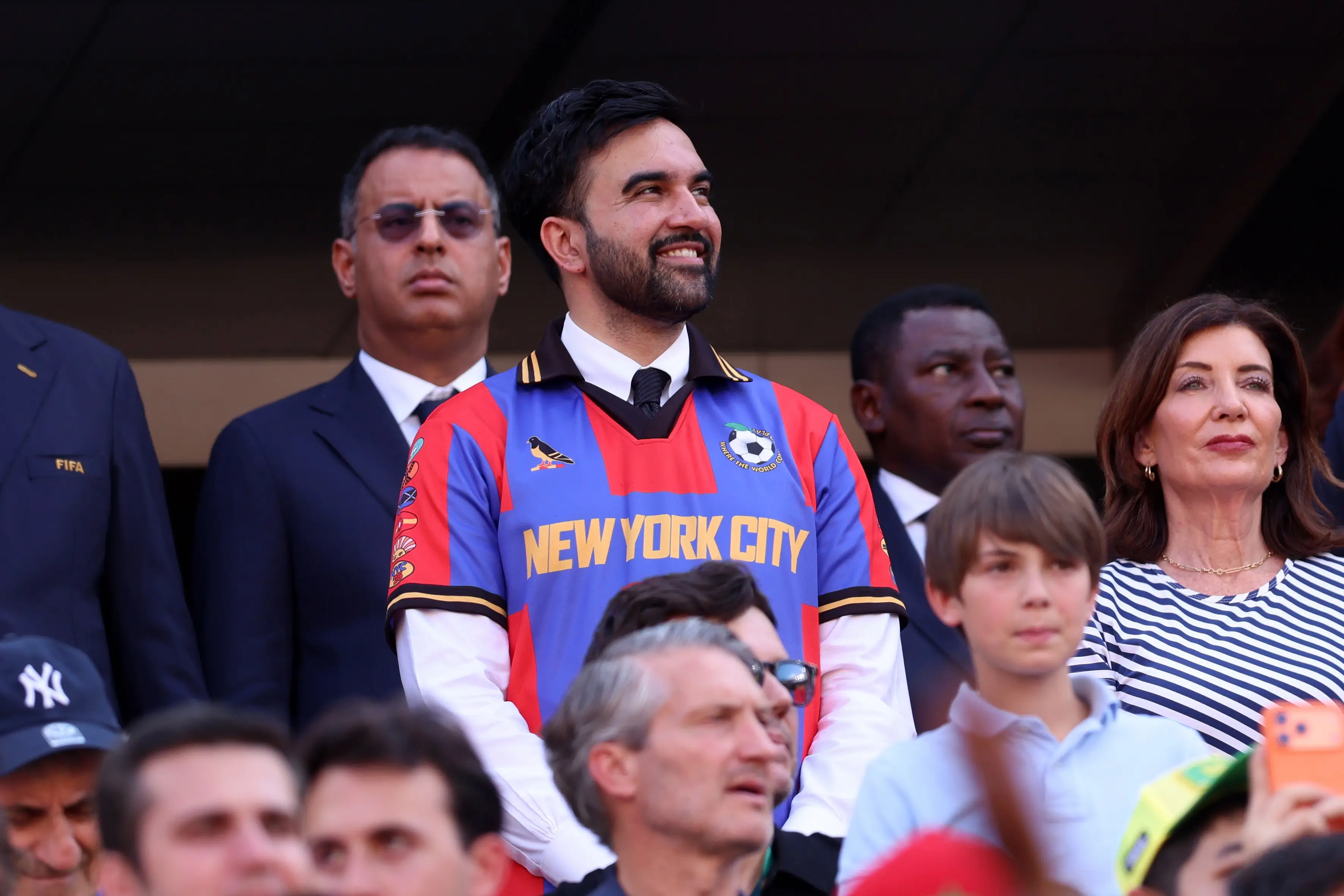
Mamdani has also announced new first-come, first-served attractions. New Yorkers queued up around the block to buy limited-edition World Cup jerseys at a city gift shop. And about 3,000 tickets to take in the views from the roof of a municipal office building that Mamdani opened to the public for the first time in over a century were snapped up within minutes on July 1.
“The crown jewel events of our city belong to the people, and these free giveaways, raffles, and lotteries give all New Yorkers a chance to participate,” Mamdani said in a statement to Business Insider.
For hundreds of thousands of New Yorkers, the lotteries have inspired excitement, or, at the very least, a willingness to fill out a form or stand in line in hopes of getting lucky. While other cities have relied on random drawings for hot-ticket items, few local governments and their leaders have shown the same fervor for free giveaways as New York’s new mayor.
In a city where high prices, rent hikes, and exclusive events abound, some see them as furthering Mamdani’s goals of affordability and accessibility. Others view it as a cynical game of political theater. Santiago Vidal Calvo, a Cities policy analyst at the right-leaning Manhattan Institute, said the World Cup lottery sounded like “bread and circuses.”
“I mostly think that it’s a technique to make the public feel special,” Calvo said. If the goal was to make the World Cup more affordable, he said, “I don’t think the lottery or even doing a deal with FIFA was the best way to afford that. How you actually get affordability into events like that is making New York City a more affordable place.”
Lindsay Owens, the president and CEO of the left-leaning Groundwork Collaborative, said that the “use of fairer distribution models is a breath of fresh air for New Yorkers who know they’re being ripped off.”
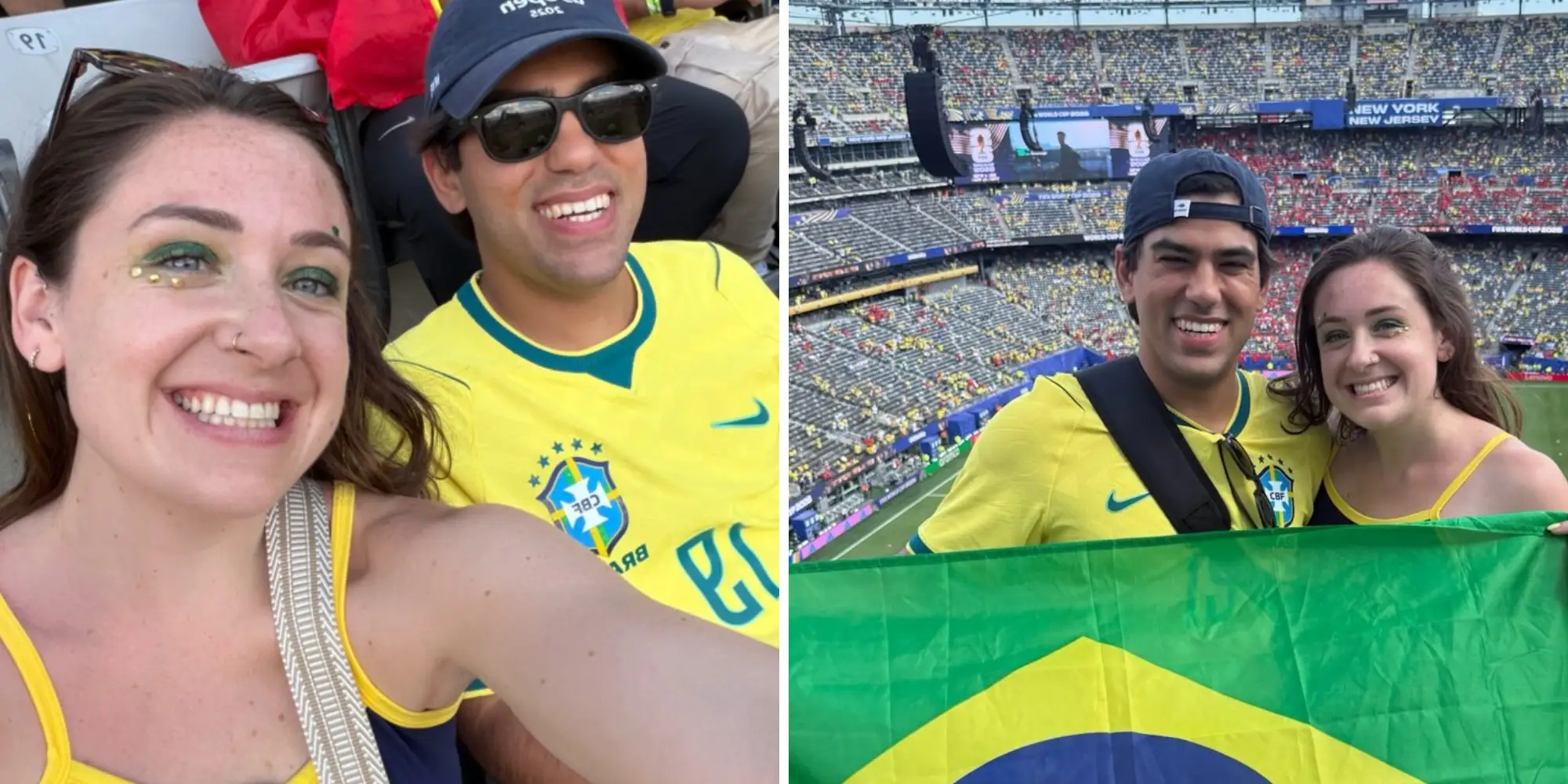
Juliette Carreiro, a 28-year-old in Manhattan, met her husband playing soccer in high school. The couple won the World Cup lottery to watch Brazil — her husband’s home country — play.
“When the prices got so insane, we didn’t think that it was going to be feasible or realistic for us to go,” Carreiro said. When she got the email saying she’d won, her husband was worried it was a scam. Then the reality and excitement set in. To get to go to the match was “truly incredible — like a dream come true.”
It’s not just socialists like Mamdani who like lotteries. The use of an online drawing to control access to the best viewing spots for the Fourth of July fireworks on the East River was also done under the Eric Adams administration. When gay marriage became legal in 2011, then-Mayor Michael Bloomberg’s administration created a lottery system to allocate time slots in city clerks’ offices. (It didn’t end up needing to use the system, the New York Times reported.)
And it’s not always up to the mayor. The use of lotteries to assign some city resources is enshrined in law. Since the 1980s, subsidized apartments have been allocated to poor and middle-class New Yorkers through lotteries, and some in-demand public school seats are also randomly assigned. Many public housing authorities across the US also use lotteries for Section 8 vouchers.
New York’s reliance on lotteries and giveaways goes back decades, at least. When Mayor Ed Koch faced criticism for doling out summer jobs for teens through a lottery in 1979, he said it was better than handing out jobs through political patronage.
Fiorello La Guardia, who served as New York City’s mayor from 1934 to 1946 and is one of Mamdani’s icons, also loved freebies. The New York Times reported in 1939 that he tried to drum up attention for a city almanac by signing 100 copies. During World War II, he bragged that he got the city’s sports teams to give hundreds of thousands of free tickets to servicemen.
Chris Gorman, the vice president for communications and public affairs at the Museum of the City of New York, said lotteries for in-demand public goods turn “a scarcity problem into a moment of civic theater.”
“Rather than doling them out to specific individuals, opening it up is, I’d say, a very democratic thing,” Gorman said. “And there is the personal branding that mayors seek through what we might call municipal largesse.”
Mamdani struck some of those same notes. “Opportunities to enjoy some of the best events in our city should not be reserved for the wealthy and well-connected,” his statement said.
There’s still plenty in NYC that is first-come, first-served or only available to those with wealth and connections. The city can’t get you into fancy restaurants like Carbone or help you skip the line at Joe’s Pizza. If you want a shady spot on a park lawn, you have to throw your blanket down before somebody else does.
For Vega, the World Cup lottery generated warm feelings for the mayor. The previous year, she said, had been stressful, with federal immigration agents arresting the parents of some children in her Head Start program. She said she was seated near other “working-class” ticket winners and couldn’t imagine how she could have afforded a ticket if there hadn’t been a lottery.
“That’s when it was a realization: this mayor is for the people,” Vega said. “I’m thinking of retiring soon and I’m thinking of volunteering in his administration, very much so.”
Read the original article on Business Insider
The post Welcome to Mamdani’s hot lottery summer in New York appeared first on Business Insider.