This is an edition of the Books Briefing, our editors’ weekly guide to the best in books. Sign up for it here.
This week in The Atlantic, Michael O’Donnell took aim at a film critic who is himself notorious for takedowns. Point by point, O’Donnell debunks the arguments in A Sudden Flicker of Light, David Thomson’s new book about how cinema has harmed society. O’Donnell dispenses quickly with Thomson’s idea that “movies are more prone to violence” than literature is: “If depictions of violence truly warp us, then we had better set aside not just gangster pictures but Homer, Shakespeare, Shelley, and Melville too,” he writes. But then he addresses the critic’s “most interesting point”: Movies “veer toward extremes, favoring crime and spectacle instead of stories about ‘the frequently amiable muddle.’”
First, here are five stories from The Atlantic’s Books section:
- The surprising return of the blockbuster Trump book
- A twist in this year’s strangest literary AI scandal
- The incredible freedom of not trying to look good
- The “two ships” theory of American history
- “Dark Matter,” a poem by Maya C. Popa
O’Donnell questions this dichotomy between gangster fantasy and quiet realism—why should we be forced to choose between The Godfather and The Tree of Life? He likes each of these movies, as do I. But his invocation of classic literature made me think of another category of work entirely: memorable fiction that critiques and indulges the human hunger for lust, violence, and recklessness. Great books can have it both ways.
Don Quixote, Miguel de Cervantes’s 17th-century epic about a deluded knight, is frequently called the first modern novel. A satire of the fantasy genre of chivalric romances, it became a best seller not only for its pratfalls and biting wit, but also for set pieces full of action, danger, and passion. You could say something similar about Gustave Flaubert’s Madame Bovary, which some critics consider the best novel of them all; its tragic housewife keeps chasing lovers after becoming besotted by romance novels. Bovary is in some sense a morality tale, but what lifts it above didacticism, along with its bone-deep interiority, is that its romantic plotlines are as addictive as the genre works that have ruined poor Emma Bovary.
From this perspective, a reader can start seeing such doubleness everywhere: in the way Shakespeare turned gory revenge plays into meditations on human folly while satisfying his audiences’ darkest appetites; in Nabokov’s Lolita, whose seductive sentences satirize sexual predation while also making the novel irresistible. So much ink has been spilled in debating literary dichotomies: Should fiction provoke empathy, or just pleasure? Is literary fiction inherently better than genre work? Many enduring books, like many classic movies, explode these categories. And they ask important questions about why our lizard brains are so strongly drawn to the stories they are telling.
Movies Are Good, Actually
By Michael O’Donnell
A film critic’s new book attacks the medium for diminishing culture. Rarely has David Thomson been more wrong.
What to Read
The Suicides, by Antonio di Benedetto
The plot of Di Benedetto’s 1969 novel sounds like a classic hard-boiled mystery: A reporter attempts to find the connection among three seemingly unrelated suicides. But his slipshod investigation yields no tidy conclusions. This book is preoccupied with self-inquiry; its protagonist takes plenty of procedural detours to cross-examine his fascination with death and his troubled relationships with women. I realize that “moody narrator obsesses over own mortality and the opposite sex” may not seem so original to some people, but the prose here—exacting, unsentimental, and ideas-rich—is worth the dip into familiar waters. Di Benedetto’s writing lingers in the brain; to a receptive reader, it can feel like a secret handshake between dryly mordant minds. Years later, in Roberto Bolaño’s novel The Savage Detectives, the Chilean writer would name an obscure, unforgettable brand of mezcal after The Suicides—the ultimate “if you know, you know” for those familiar with the value of loving a book that nobody else does. — Jeremy Gordon
From our list: The summer reading guide
Out Next Week
 The Small Stuff: How to Lead a More Gratifying Life, by Ian Bogost
You Won’t Get Free of It: Stories of Mothers and Daughters, by Rachel Aviv
Country People, by Daniel Mason
Your Weekend Read
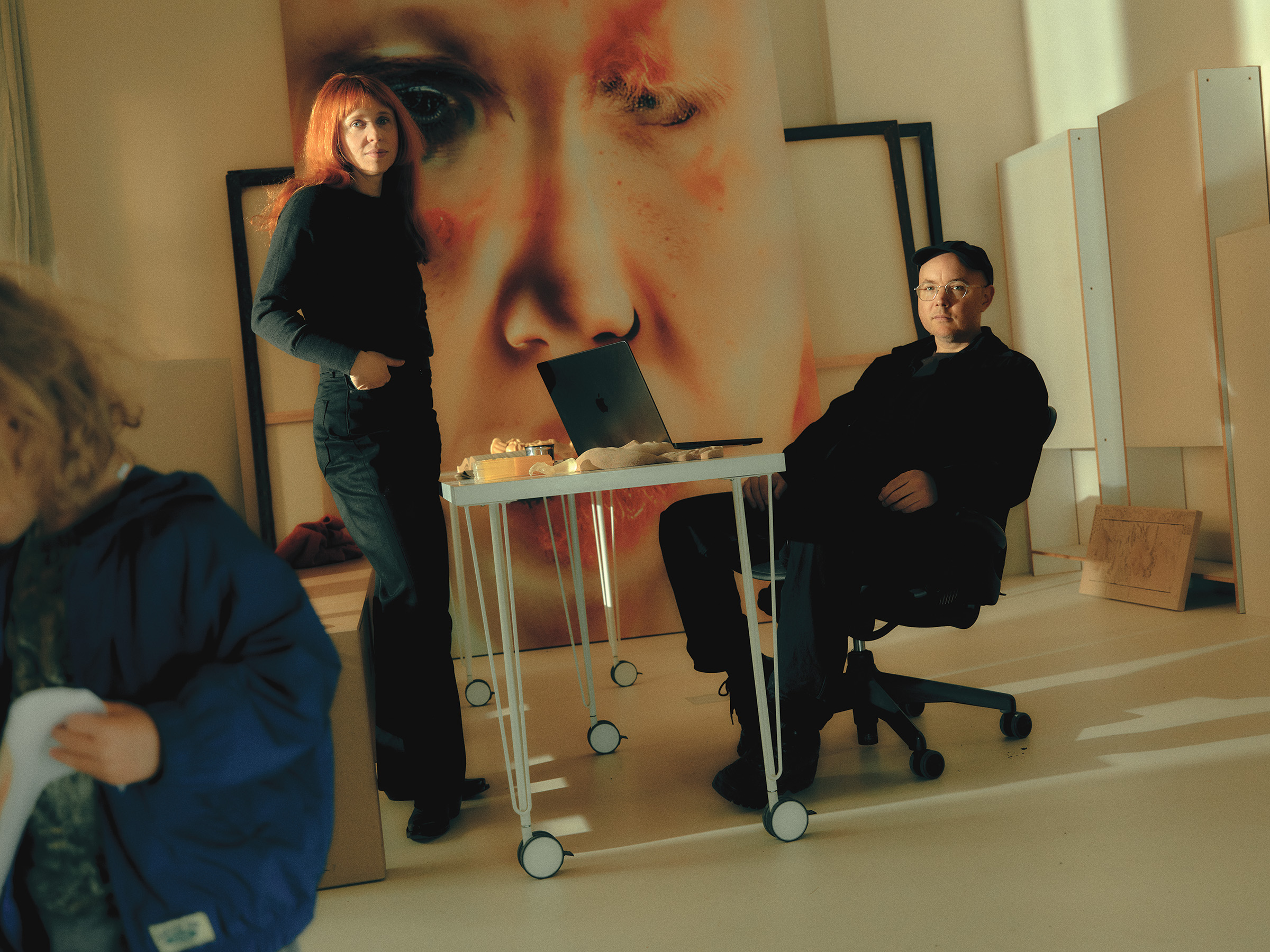
What AI Will Do to Art
By Spencer Kornhaber
Shills are trying to sell something, and tech bros cheer progress at all costs, but Dryhurst and Herndon see themselves as realists. Because AI is already transforming our world, they think the way artists can help guide that transformation is to engage with it. Still, their ambitions are quite idealistic, even verging on evangelical. While many of their peers are worried about saving human culture from destruction, they’re trying to build a new and greater one. At one point Herndon asked me, “What if everything you fear, but good?”
Sign up for The Wonder Reader, a Saturday newsletter in which our editors recommend stories to spark your curiosity and fill you with delight.
Did someone forward you this email? Sign up here.
Explore all of our newsletters.
The post The ‘Have It Both Ways’ Theory of Great Books appeared first on The Atlantic.