This is an edition of The Atlantic Daily, a newsletter that guides you through the biggest stories of the day, helps you discover new ideas, and recommends the best in culture. Sign up for it here.
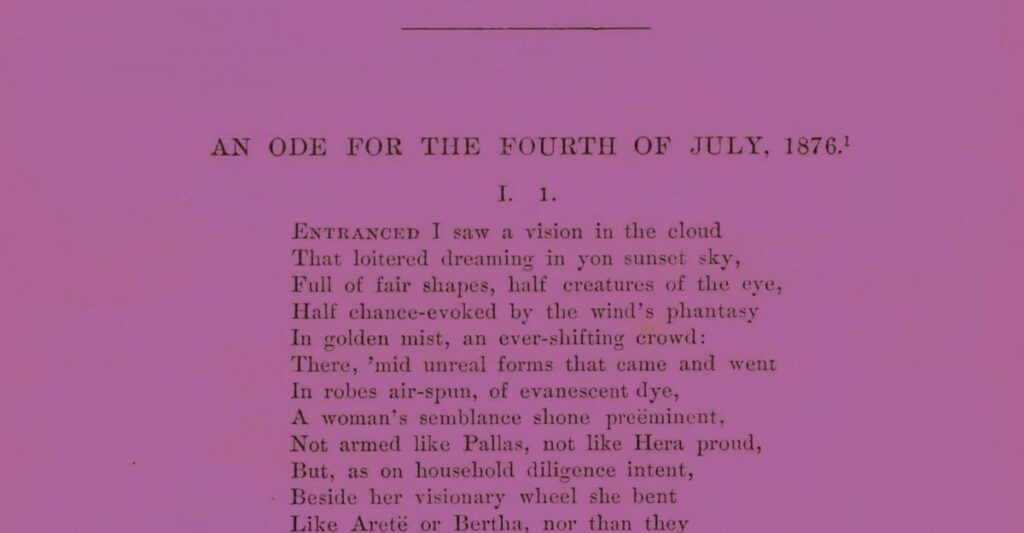
To mark the occasion of America’s centennial, the people of Taunton, Massachusetts, invited James Russell Lowell—distinguished poet, founding editor of The Atlantic—to compose and read an ode for the Fourth of July. Lowell didn’t much like what he produced. When the magazine published that poem, at the end of 1876, he noted in a disclaimer that he still wasn’t sure it was done “to his satisfaction.” Reading it now, his struggle is evident. “An Ode for the Fourth of July, 1876,” is dense and difficult, larded with obscure classical references. But more than that, the poem is riddled with doubt. Had Americans become “degenerate, / Unfaithful guardians of a noble fate”? Was the America of 1876 worthy of the America of 1776? Was this “the country that we dreamed in youth”?
Lowell’s halting effort came in a major anniversary year much like our own—a year of conflict, division, and disorientation. As I wrote in our June issue, the country’s centennial celebrations embraced the Industrial Revolution and presented technology and invention as the markers of national glory. Even history was mechanized: A Detroit inventor fashioned a nine-foot-tall diorama that enacted “The Resurrection of General Washington,” which visitors to the Centennial Exposition could find among the sideshows outside the gates. At the appointed hour, the father of the country would rise from his tomb and salute two soldiers standing at attention, and a descending eagle would crown him with laurels. To some observers, this focus on the wonders of material progress felt out of step with the year’s many convulsions: the violent end of Reconstruction, ongoing labor conflicts, and a bitterly contested election. Lowell could perhaps be forgiven for not quite finding the words to reckon with the moment.
If Lowell couldn’t produce the finest piece of patriotic verse, he did articulate one durable sentiment toward the end of the poem, when he reflected on the Revolution and what it had made. The Founders were too smart to believe they were simply setting in motion a mechanism that required nothing of subsequent generations. He insisted that our governing system was not:
A cog of iron in an iron wheel, Too nicely poised to think or feel, Dumb motor in a clock-like commonweal.
Instead, the Founders had created something more organic, a “deeper-rooted state, / Of hardier growth, alive from rind to core” that required constant tending. Lowell would elaborate and sharpen this point in a lecture he gave on democracy in 1888. Returning to a similar image, he said that Americans believed that their Constitution had started “a machine that would go of itself.” Their basic faith in the machine had made them complacent and “neglectful” of their own political responsibilities.
As Americans across the political spectrum celebrate America’s 250th anniversary, many of us find that the task of defining its meaning, in verse or otherwise, is no easier than what Lowell faced in 1876. We, too, celebrate amid corruption, democratic backsliding, political division, and elemental technological and economic change. We, too, are struggling to make sense of ourselves in relation to our quaint beginnings in tricorne hats and knee breeches. And we, too, see great promise and much work to do in tending to the legacy of our founding.
The result has been a strangely disconnected, deflated occasion that’s somehow both noisy and quiet. For all the bombast surrounding the official proceedings, beginning with the UFC fight at the White House, elsewhere the mood has seemed subdued. After the Donald Trump–backed Freedom 250 initiative announced a lineup of musical artists for a concert series on the National Mall, most canceled, claiming that they didn’t understand the partisan nature of the event. The Trump rally that replaced the scuttled performances, full of familiar attack lines on broad swaths of the American public, was hardly a unifying event. Attendance has been sparse for the Freedom 250 “Great American State Fair,” and visitors to the National Mall are greeted with fenced-off areas and a heavy National Guard presence. On the Fourth, families will have to wait until 11 p.m. or later to see fireworks in the capital, in order to accommodate a late-night Trump speech.
Even a resurrected George Washington may not be able to revive the proceedings. A fleet of six “Freedom Trucks,” mobile museums deployed at the behest of the administration, feature interactive depictions of the first president, powered by artificial intelligence rather than gears. As my colleague Kelsey Ables reported last week, these AI-generated Washingtons speak about American liberty and institutions as providential gifts as much as human achievements.
Such a vision runs counter to Lowell’s understanding of the American idea. The republic, he insisted in his poem, was both a gift and a “toil-won” inheritance, earned by the Founders and sustained by subsequent generations; the ongoing work of maintaining America’s promise is what July 4, at its core, celebrates. Our history is not just a source of validation but also one of obligation. The poem is hard to write, but we have to keep trying.
Related:
Catch Up on The Atlantic
- Alexandra Petri: “I went to the Great American State Fair and I may never sleep again.”
- Something is happening in the Democratic base.
- Putin is slipping into delusion.
Culture Break
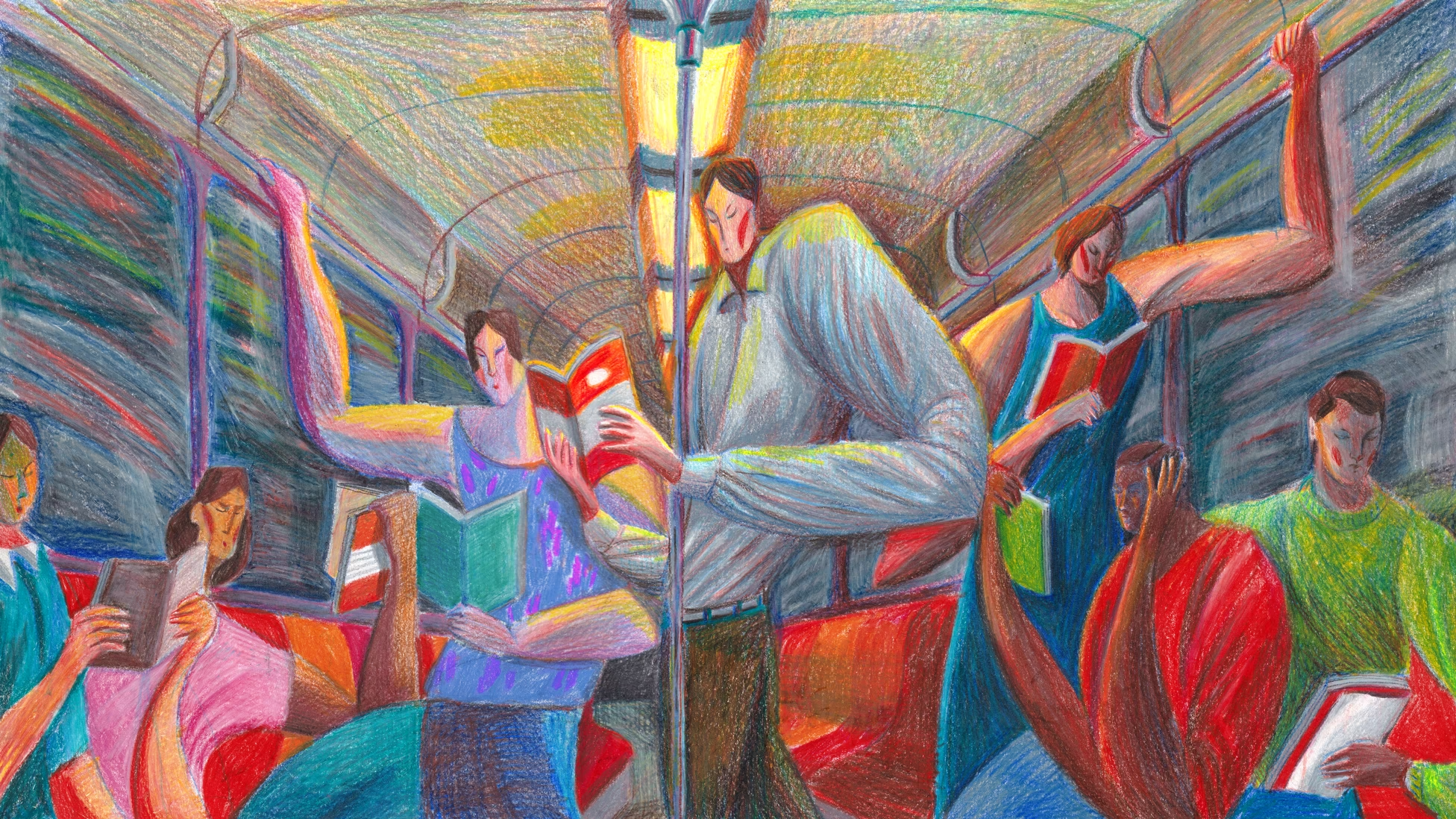
Take a moment. Here are seven books to read when you have no time to read.
Enjoy. Weird wins you over in these six bizarre movies that are actually fun to watch.
Photo Album
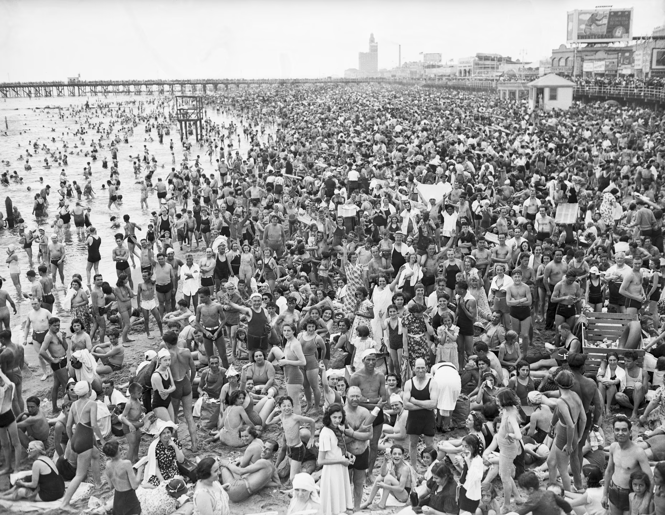
Take a look at these photos of joyful July 4 celebrations across the decades.
Stephanie Bai contributed to this newsletter.
When you buy a book using a link in this newsletter, we receive a commission. Thank you for supporting The Atlantic.
The post What This July 4 Is Really About appeared first on The Atlantic.