
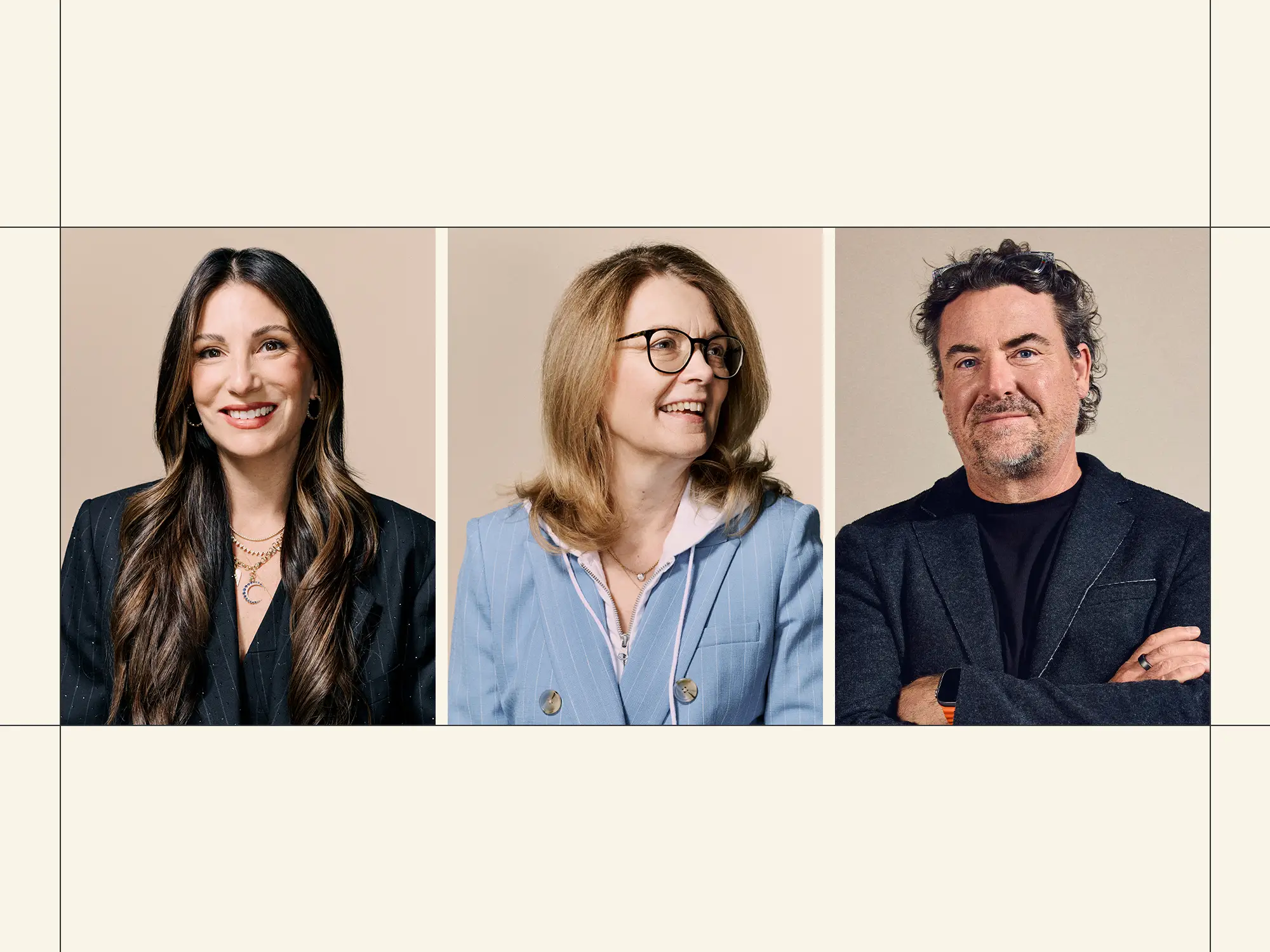
Our digital lives are fragmenting across more platforms and formats — and marketers are racing to keep pace.
We asked some of the most innovative CMOs from our annual list which platforms or tools they’re especially keen on these days and why.
Marketers from American Eagle, Coach, and more told us they’re using platforms like Pinterest to find Gen Z shoppers, YouTube to reach people in research mode, and TikTok to influence sales.
“Pinterest was for millennial women — planning baby showers, weddings, or trips. Now Gen Z and Gen Alpha are making Pinterest the place of discovery,” American Eagle’s Craig Brommers said.
“Media’s evolving so fast,” said Kim Chappell of baby formula maker Bobbie, which has lately shifted focus to TikTok and YouTube from Facebook and Instagram. “You need to diversify your spend based on reaching net new eyeballs and the next generation of parents.”
Here are their responses, edited for length and clarity.
American Eagle’s Craig Brommers uses Pinterest to reach young people in discovery mode

From a platform perspective, we’re very excited about discovery. Our Gen Z audience is discovering our brand and products in new ways, and the platform that has been most successful is Pinterest.
It’s about visuals, experiences: I’m going to this concert, I want this look. We have kids coming into our stores saying, “I would like to find an outfit that goes with this Pinterest mood board.”
We’re experimenting with AI search’s ability to do contextual advertising, so if you’re in Miami, where it’s sunny and warm, you’ll see a different ad from someone in New York.
Coach’s Joon Silverstein uses customer interviews to understand Gen Z
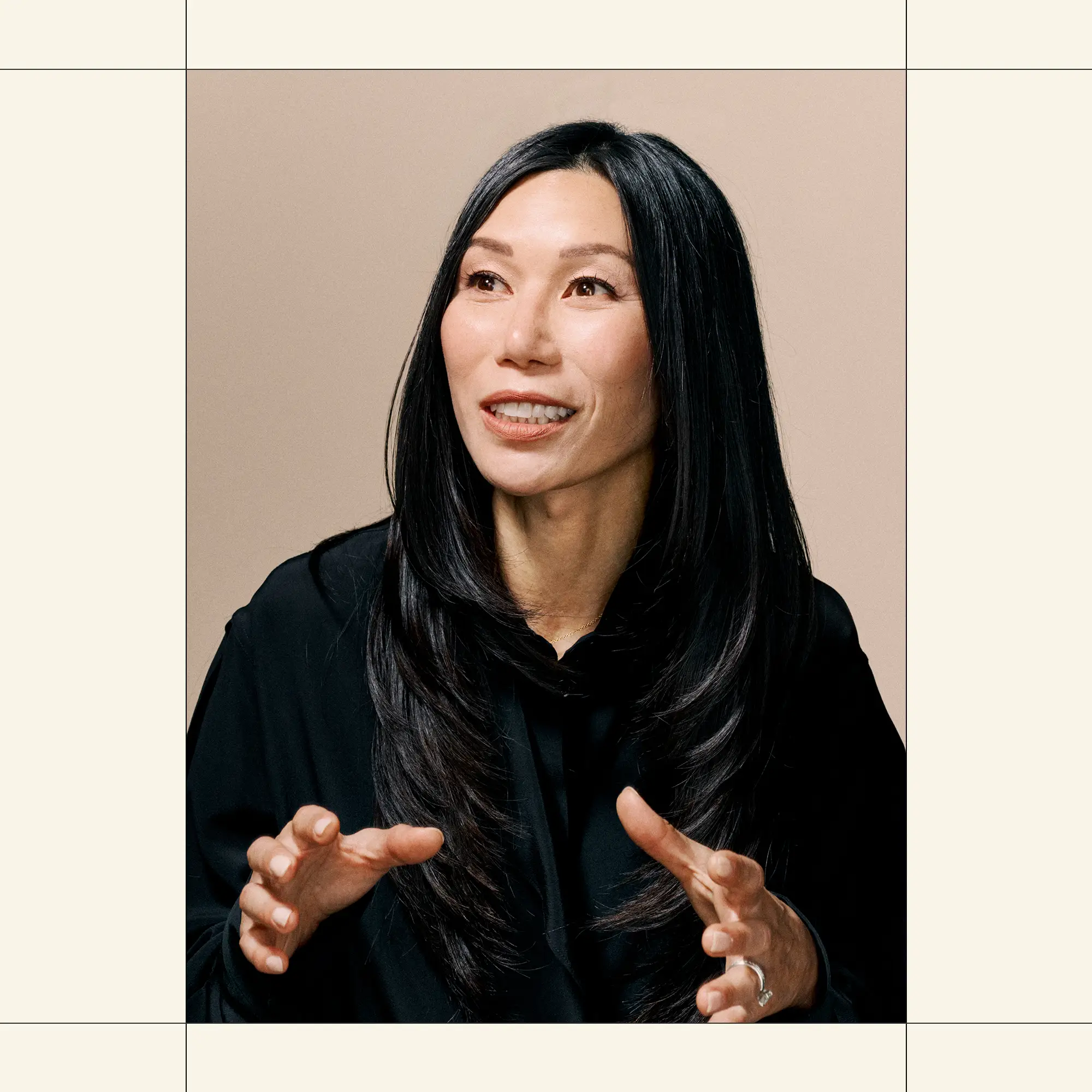
I get a lot of my inspiration from talking with Gen Z consumers all around the world. I spend hundreds of hours in people’s homes, and not just New York, London, Shanghai, or Paris, but second- and third-tier cities, to understand them not just as buyers but humans. We spend maybe four hours with them, asking about who they are, what are their aspirations, their hopes, their challenges, how they express themselves.
Those discussions generate the insights behind our campaigns. Our spring campaign, “Explore Your Story,” was all about how storytelling helps Gen Z find community. Everyone told us Gen Z doesn’t read, but in those conversations, we heard about the power of stories and book culture, like analog books, book clubs, book communities. One Gen Z told me books and reading were her portable refuge. We built a whole campaign around that insight, co-creating with our communities all around the world.
That’s where I see the future of brand building. It’s not about marketing at communities, it’s about creating alongside them. We’re launching a content platform, &Coach, where creators shape not just the content series, but the strategy, the storytelling, and its ongoing evolution. We’re bringing them increasingly early into the process.
Bobbie’s Kim Chappell is embracing YouTube to help parents in research mode
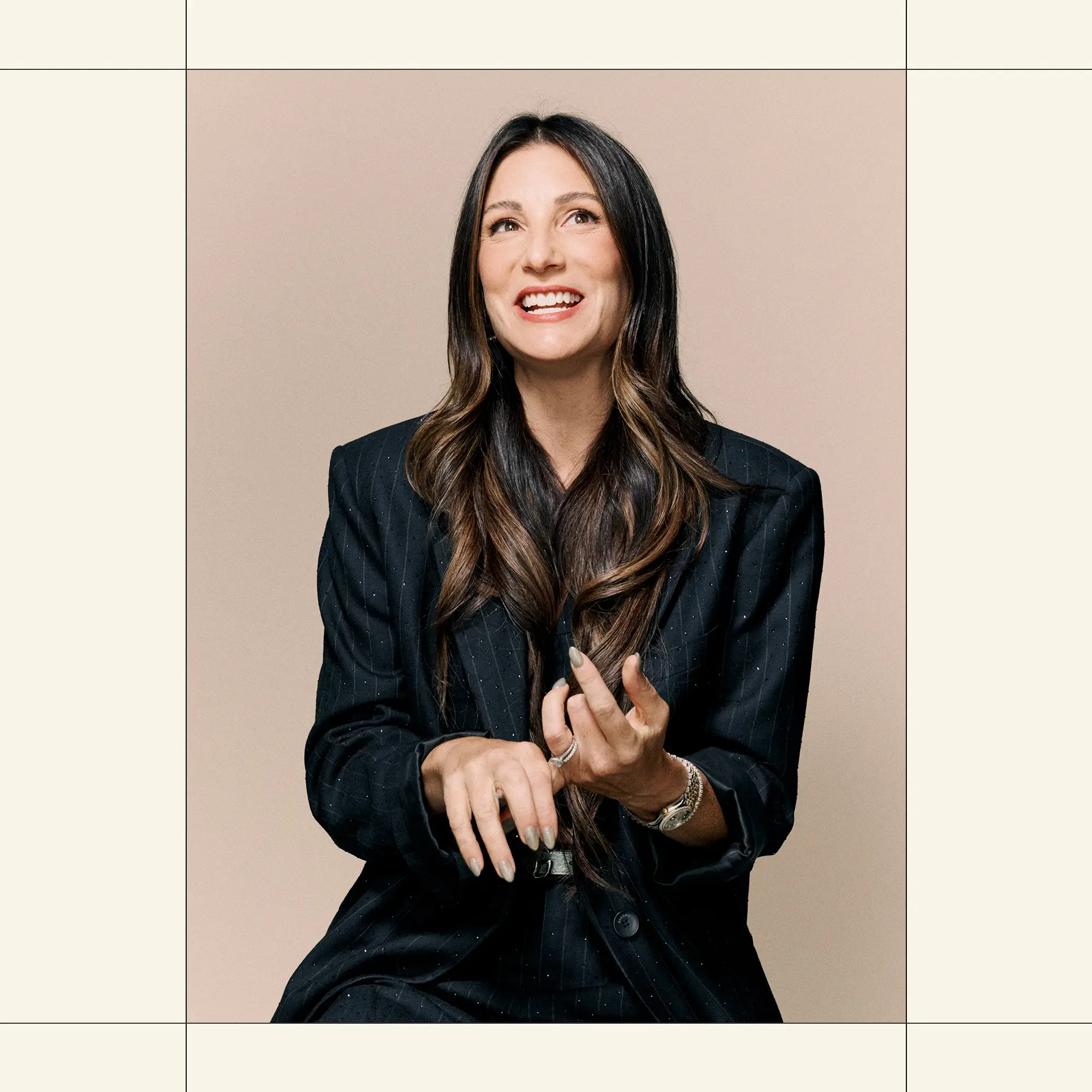
When I started at Bobbie, we were running Instagram and Facebook ads, and the data is so clean, but it’s not where everybody’s spending as much time.
We’re jumping into YouTube this year, which we never did before because we didn’t have the resources. We have a dedicated team of three that’s using our network of experts to make long-form, educational videos. Parents are spending a lot of time there in the research phase, and if you’re not winning the research phase of infant formula, you’re losing. And YouTube is feeding into Gemini, and that’s where people are learning about the product.
We have also shifted a lot of spending to TikTok, despite the data not being as clear. We can’t sell our product on TikTok Shop because we’re FDA-regulated, but we are seeing TikTok moms have a long tail effect on sales, because they’re real: they’re loading their dirty dishwashers, they’re going to Target. When we invest more in creators on TikTok, there’s a lag, but you see weekly store sales go up.
Comcast’s Jon Gieselman is using AI to improve customer service
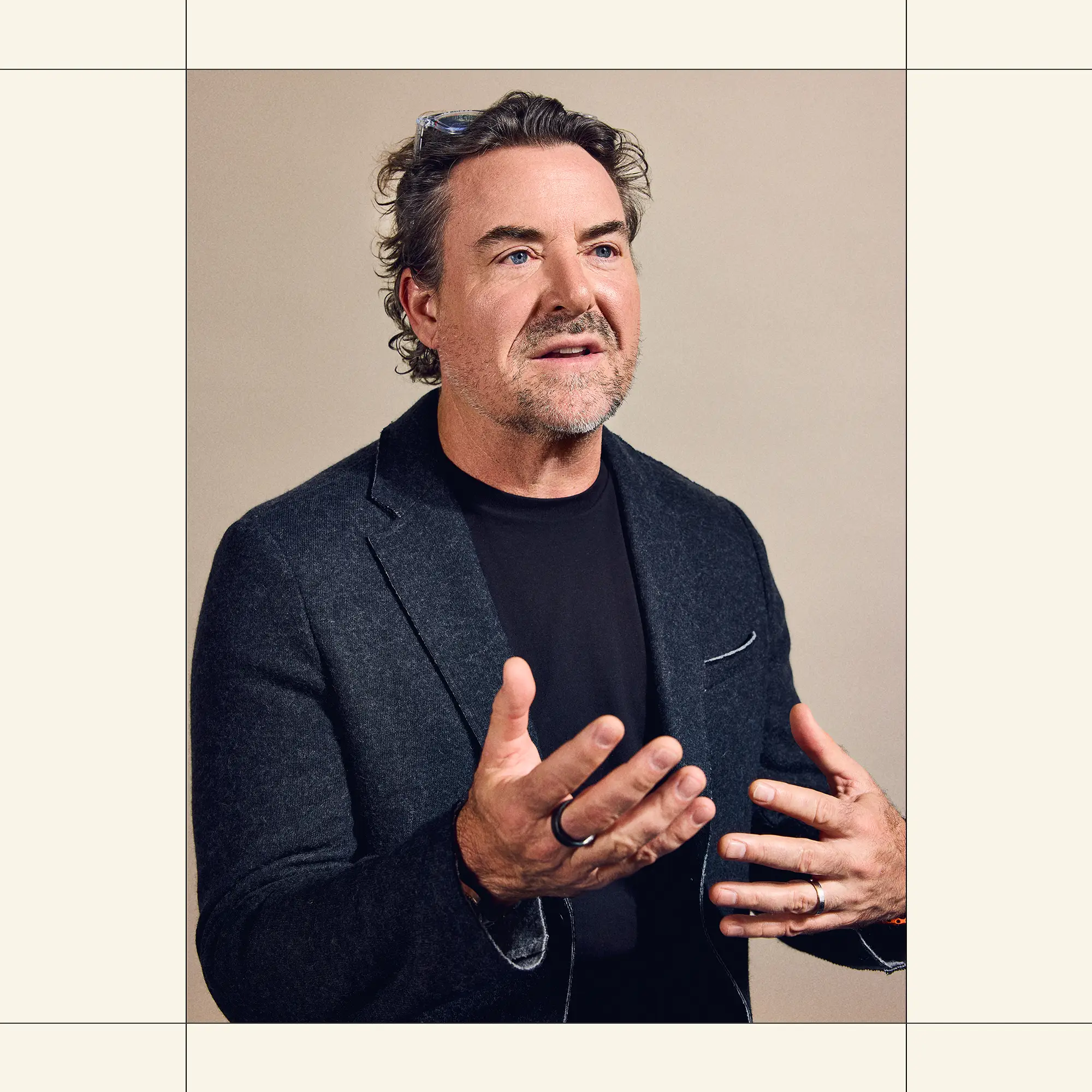
Traffic’s migrating away from SEO, so you have to figure out what differentiates you from the competition so you come up in AI search queries the way you want to. It’s far more complex than it used to be, so it requires additional resources.
We use AI at every stage in the marketing cycle, from targeting ads to people, onboarding new customers, and keeping them. We also use AI to upsell people different products and services.
We have millions of interactions with customers on a monthly basis as we serve people over years and around the world, day and night. Training our 25,000 agents around the world is extremely difficult. Technology can do that. So many people talk about AI as a great way to save money. I think about it as a way to better serve our customers. When you’ve got a business that’s as complex as ours across so many different product lines, it’s almost impossible for a human being to have all of that expertise. So you use your best human agents to train the models so all of your customers are treated the same.
In the edge cases where you can’t solve a customer’s problem using agentic tools, then of course, you have the best humans available to care for them. So I view this as a massive step functional change.
Chime’s Vineet Mehra is experimenting with ChatGPT ads

We’re one of the pilot advertisers on ChatGPT. We’re trying to figure out how you turn that moment of discovery into recommendations that really fuel growth for our business.
It’s very early days, and they’re experimenting with the content, where you serve the ad, the context you serve the ad in, and the ad format. If you think of the amount of attention that’s going into these answer platforms, there’s got to be a way to crack it, but I think it’s going to take a bit of time to really dial in the ad product itself and how we create an efficient return on investment.
We’ve tested very basic contextual ads. So when someone is asking, “How do I pay less fees on my bank account?” we are testing the contextual ads we can do.
Yahoo’s Josh Line is getting the brand on more social platforms
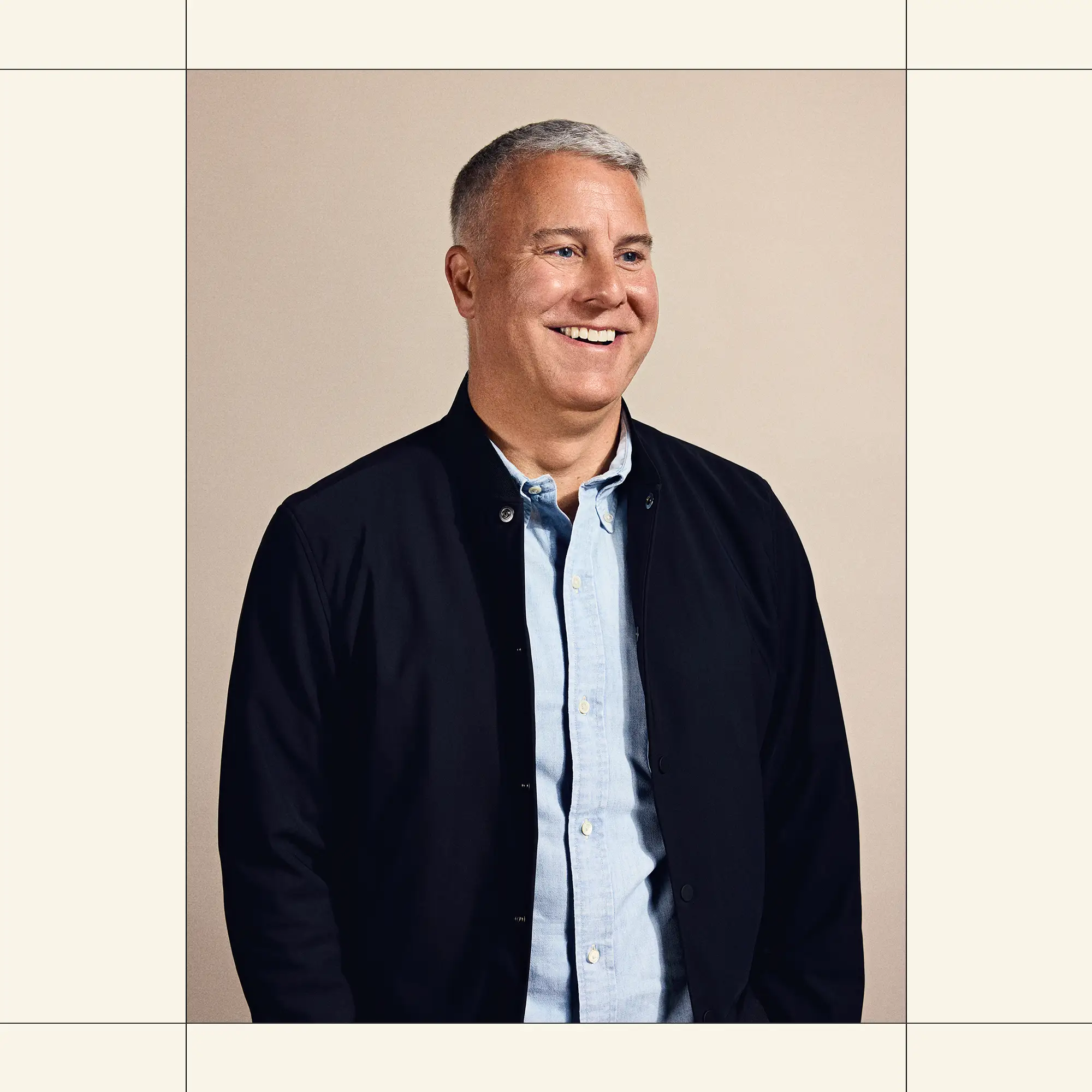
We’re at the beginning of the journey of getting Yahoo back out there from a marketing perspective. We’re definitely expanding the platforms that we’re showing up on.
We’ve been adding things like YouTube, Reddit, podcasts, and our creator strategy is really evolving.
We’re increasingly thinking of creators not just as talent within our creative concepts, but also a performance channel and we’re trying to do that at a greater scale.
Elizabeth Rutledge of American Express is leaning into sports partnerships
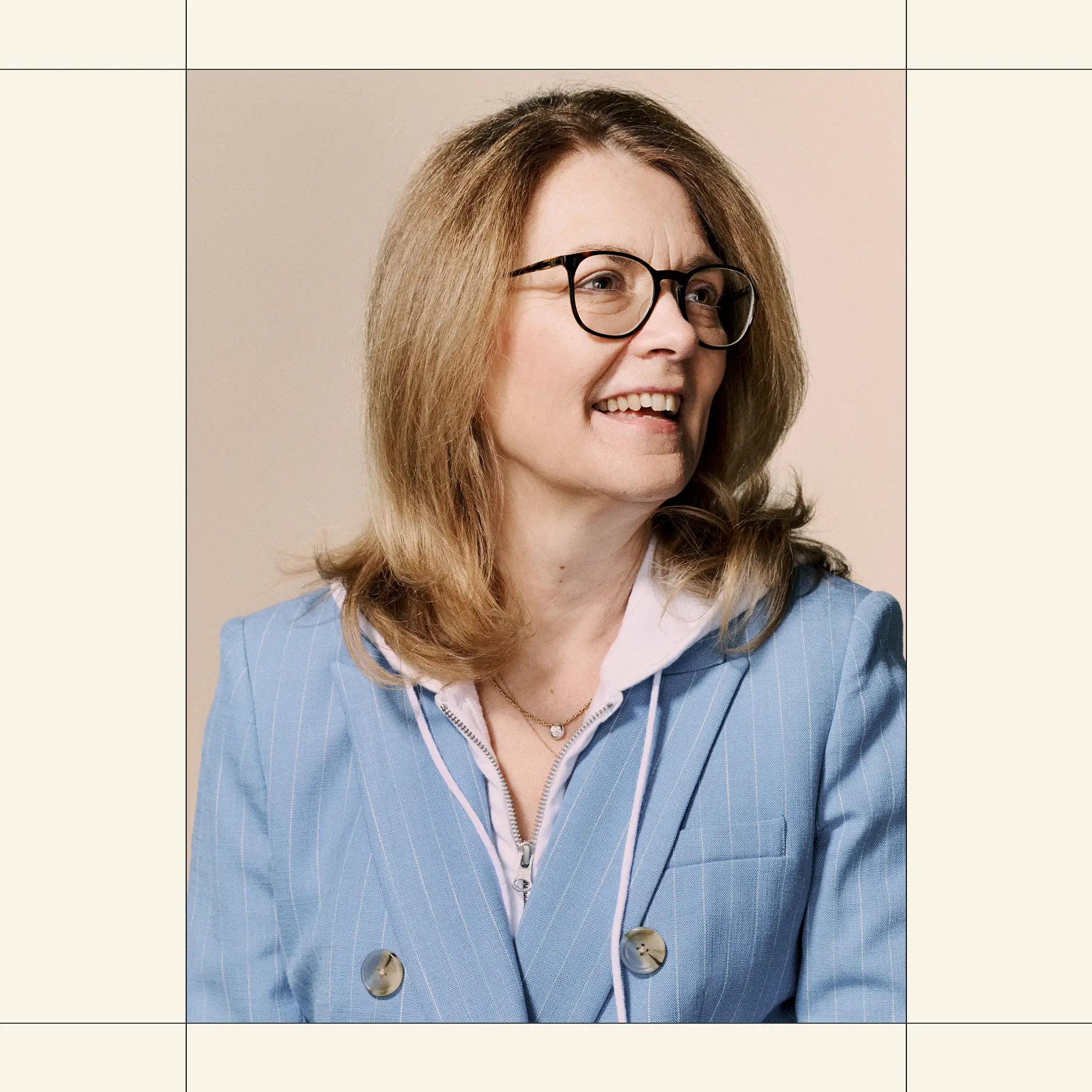
We have these incredible partnerships with F1, NBA, and the NFL, and we’re thinking about both the digital journey and what that looks like, as well as from an in-person perspective.
Eighty percent of our US consumer card members have said they are sports fans, so I want to be with them in those moments that matter, delivering great experiences and offers.
Read the original article on Business Insider
The post CMOs from Coach, American Eagle, and more dish on the platforms and tools they’re most focused on appeared first on Business Insider.