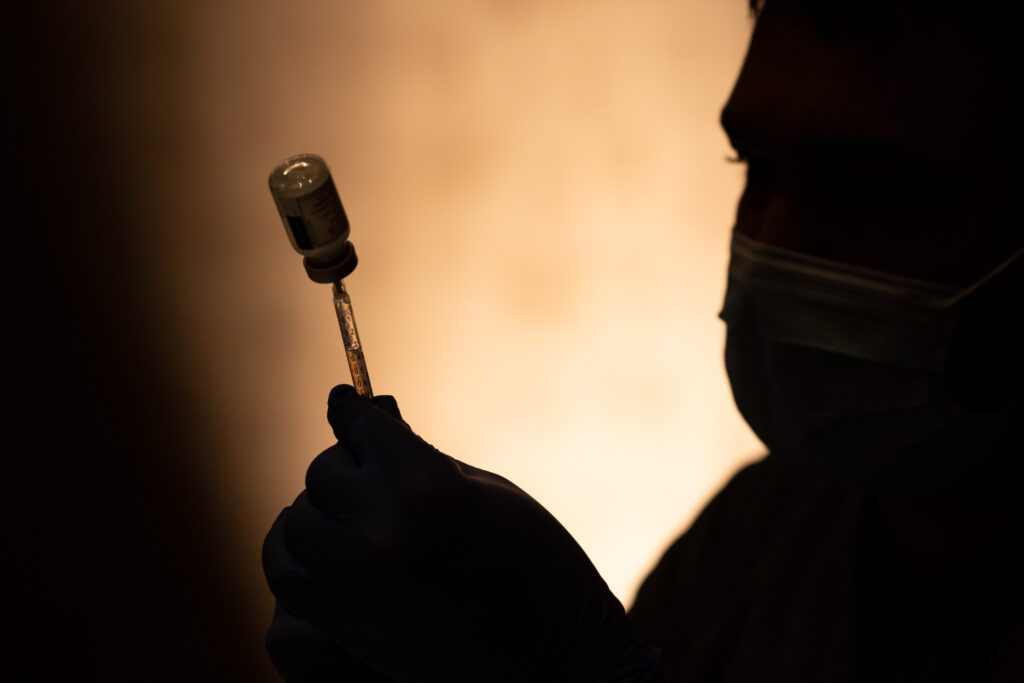
Those who lack a trusted health care provider or who often use social media or AI are more likely to believe vaccine myths, according to a poll released Tuesday by KFF, a health policy research and news organization.
The poll found that while more Americans can identify vaccine myths as definitely false as opposed to definitely true, at least half reported that they are uncertain about what to believe.
The findings on vaccine hesitancy build upon work The Washington Post did with KFF last year that revealed 1 in 6 U.S. parents were rejecting vaccine recommendations. The Washington Post-KFF poll found that parents who choose to skip or delay vaccines for their children are more likely to home-school their children, be White and very religious, identify as Republican, or be under 35.
The mistrust of vaccines comes as Health Secretary Robert F. Kennedy Jr., who has long disparaged vaccines, has worked to reshape vaccine policy in the United States.
A separate Post examination found that U.S. vaccination rates in schools are plunging after being rocked by pandemic politics. (You can look up your school’s rates here.)
Catch up quickly every weekday morning with a rundown of the 7 most important and interesting stories. Sign up for The 7 newsletter.
The post The ongoing impact of U.S. vaccine hesitancy appeared first on Washington Post.