The past two years of war brought death and destruction to the Middle East, but they also created remarkable openings for change in Gaza, Lebanon, Syria and Iran. Sadly, those opportunities might be squandered because of mishandling and delay by the United States, Israel and the Arab states.
“Everything is stuck,” a senior Israeli defense official told me this week. Because diplomats have failed to capitalize on the disarray of Iran and its allies, “all the fronts in the Middle East are still open,” he warned. Most of Gaza’s population is still controlled by Hamas, Lebanon hasn’t fully regained its sovereignty from Hezbollah and Iran is rebuilding its battered military.
President Donald Trump’s bold peace initiative ended the Israel-Gaza war and raised hopes that breakthroughs might be possible across the region. But the lack of follow-through by Washington and its partners leaves a Middle East that’s still waiting for a stable “day after.” Other than the release of all living Israeli hostages from Gaza, most of the goals of Trump’s 20-point peace plan appear stillborn.
Israel achieved some stunning successes in its bloody campaigns against Hamas, Hezbollah and Iran. But Robert Satloff, director of The Washington Institute, cautioned in an interview this week that “the Israelis so far have failed to translate battlefield victories into political achievements. These are sad and regrettable lost opportunities.”
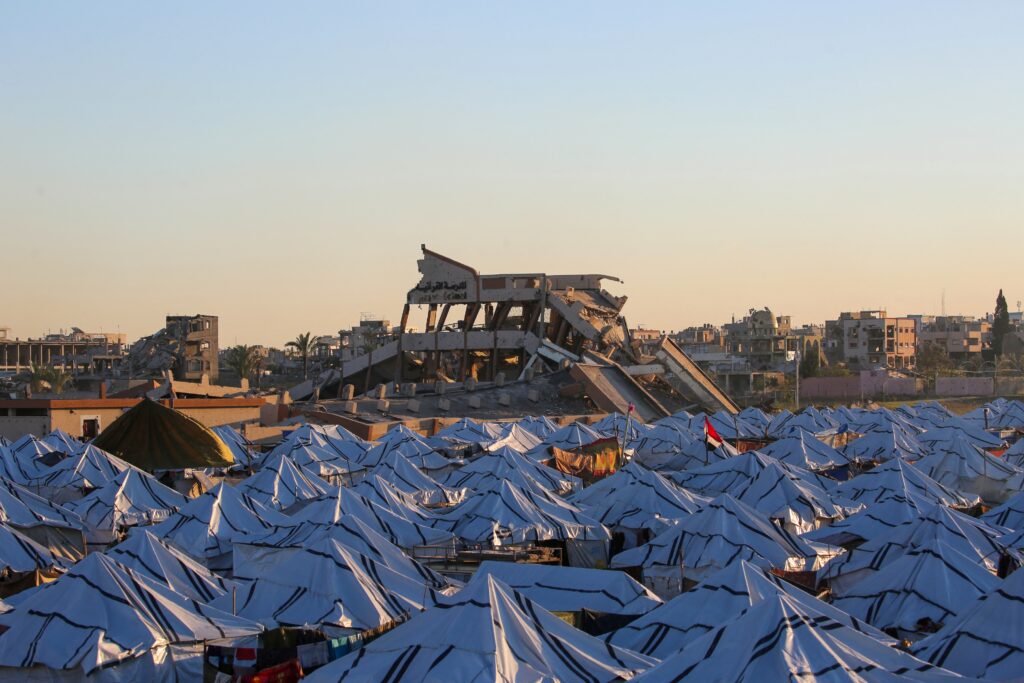
Gaza illustrates the limits of Israeli military power to achieve political results. More than 70,000 Palestinians died in the war that followed Hamas’s Oct. 7, 2023, terror attack. But analysts tell me that Hamas still controls about half of Gaza — where roughly 85 percent of the population lives. Trump’s peace plan called for an International Stabilization Force to disarm Hamas and a “Board of Peace” to oversee a massive reconstruction effort there. But for now this vision of a revitalized postwar Gaza is just a fantasy.
What’s going wrong? Nations that had volunteered to join the international force, such as Indonesia and Azerbaijan, have been backing away, and donor countries are refusing to begin reconstruction projects until there’s security in Gaza. Jared Kushner, Trump’s son-in-law and one of his Gaza envoys, has proposed building “alternative secure communities” in the half of Gaza controlled by the Israeli military, hoping that magnet might draw Palestinians. But skeptics doubt that many Palestinians will cross the line into Israeli-controlled areas.
How can Trump and his partners break this logjam? They can recognize the screamingly obvious fact that the only force that can effectively disarm Hamas will be Palestinians, allied with a reformed version of the Palestinian Authority. Many Israeli military and security officials have long embraced this view. It’s time for Trump to face that reality, too — or watch his peace plan crumble into dust.
An opportunity to reanimate the Trump Gaza peace effort could come this week, as Mike Waltz, Trump’s ambassador to the United Nations, visits Israel and Jordan. Waltz was forced to resign as national security adviser in May after a trivial flap over use of the private messaging app Signal. But he’s one of the administration’s most capable officials, and perhaps he can restart the stalled Gaza peace process.
Lebanon is the second missed opportunity — but it, too, is salvageable with some work. Israel’s attacks broke Hezbollah’s stranglehold on the Lebanese state. That gave the country a chance to regain its sovereignty — and, with a nudge from the Biden administration, it did so, electing Joseph Aoun, its army commander, as president. But to fully achieve this prize, Lebanon has to act like a sovereign state by disarming Hezbollah and reclaiming a monopoly of force.
Sadly, Lebanon is failing that test. Aoun has disarmed Hezbollah south of the Litani River but not to the north, as was promised would happen by the end of this year. Israel is striking Hezbollah targets on its own, but that just repeats the old “mow the grass” formula. Israel needs a real Lebanese government as much as Beirutis do. Trump should press Aoun to deploy the Lebanese Armed Forces everywhere. As Satloff says, “If the LAF can’t do it now, when will they ever be capable?”
Lebanon finally seems to have realized that a perpetual state of war with Israel is idiotic. Aoun said in October, after the Gaza ceasefire, “Today, the general atmosphere is one of compromise, and it is necessary to negotiate.” Satloff believes that Lebanese peace talks with Israel are now “a real opportunity.” But Israel, which proclaims that it wants peace with all its neighbors, is balking. It should take yes for an answer.
Israel is missing an opportunity with Syria, too. Trump has made good relations with President Ahmed al-Sharaa a personal project, and he’s eager to broker a security agreement between Damascus and Jerusalem. But Israel doesn’t want to lose its freedom of action in Syria, so it’s wary.
Here again, Israeli Prime Minister Benjamin Netanyahu should find his way to “yes.” Trump prodded him with a Truth Social post Monday: “It is very important that Israel maintain a strong and true dialogue with Syria, and that nothing takes place that will interfere with Syria’s evolution into a prosperous State.” Meaning, get it done, Bibi. Netanyahu countered Tuesday that Israel was ready for a deal with Syria but only if it gained a buffer zone.
Iran is the citadel of the status quo in the Middle East, and it was rocked by Israel and America in the 12-day war in June. Trump imposed a ceasefire there, too. But he didn’t cap the victory with a diplomatic deal that could constrain Iranian military power in exchange for the economic help the country desperately needs.
Opportunity knocks at the U.S.-Iranian door. An Iranian message proposing renewed peace talks was carried to Washington last month by Saudi Crown Prince Mohammed bin Salman, according to a Reuters report confirmed to me by a source close to the Saudis. Supreme Leader Ali Khamenei disavowed the reported letter as “pure lies.” But the source close to the Saudis tells me that quiet conversations with Iran are taking place through Saudi, Omani, Emirati and Qatari emissaries to see if serious dialogue with the U.S. are possible.
Trump’s ambition as a peacemaker appears boundless. “Iran does want to make a deal … I am totally open to it,” he said during the crown prince’s visit. Trump’s problem is that he’s juggling so many diplomatic balls at once that some of them will inevitably tumble to the ground. That’s what happened after his Gaza peace deal. He promised far more than he has so far delivered.
Trump is now trying to broker a desperately needed Ukraine peace agreement. But his credibility as an omnidirectional mediator will be enhanced if he can demonstrate that he not only announces projects with fanfare but gets them done.
The post The Middle East’s moment of opportunity is slipping away appeared first on Washington Post.