The young, the old, the middle aged. They all keep flocking south.
Across every age group, the southeastern United States grew faster than any other region between April 1, 2020, and July 1, 2025, according to new data released Thursday by the Census Bureau.
Population in the South grew by 6 percent — nearly double the nation overall — during that period. It was also the only swath of the country to experience growth across all age groups, from children to retirees.
“The South stands out because it is seeing population gains in age groups that in other regions saw little change or are declining,” Lauren Bowers, chief of the Census Bureau’s Population Estimates branch, said in a statement announcing the new data.
The South, which the bureau defines as a region that stretches from Texas to the Mid-Atlantic, added roughly 7.6 million people between 2020 and 2025 — more than the rest of the country combined.
Over time, that shift could have significant, tangible implications. Census numbers help determine how the federal government allocates billions in funding to states and municipalities, as well as how leaders draw up legislative districts and how much representation each state gets in Congress. It influences where officials build schools and where businesses choose to open supermarkets or other new developments.
What is driving the recent growth in the South?
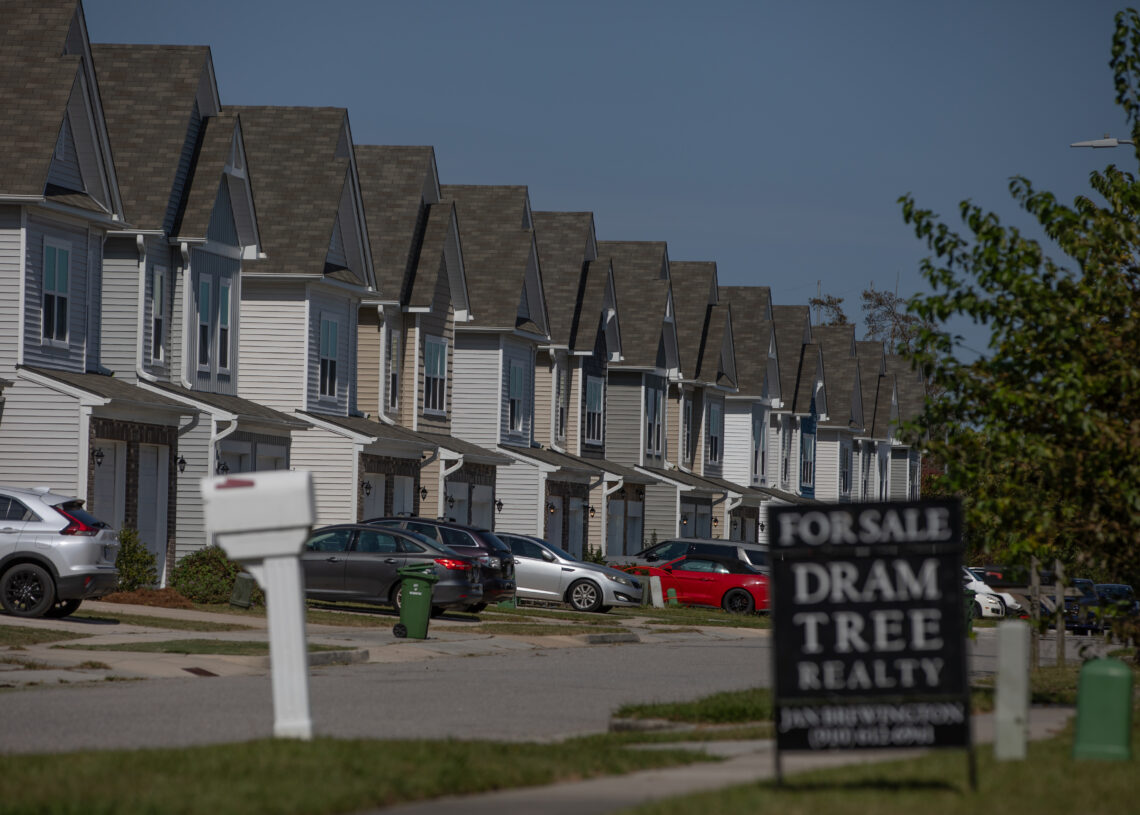
One major contributor, according to the Census figures: The population boom in “outlying counties,” or those that sit adjacent to major metro areas and often are home to feverish development and armies of commuters.
Many counties across the country have grappled with declining population growth, but the South as a whole has bucked that trend. Many of the fastest-growing counties in recent years have been in states such as Florida, Georgia, South Carolina, North Carolina and Virginia.
Of 1,422 Southern counties, the fastest-growing according to the Census figures is Kaufman County, Texas, a Dallas-area suburb that ballooned more than 42 percent, adding about 62,000 residents over the recent five-year period.
Of the other counties in the top 10 for growth, three are in Texas, another three are in Georgia, and several others are scattered across the Carolinas and Florida.
Metro counties in the South grow by nearly 7 percent in recent years, according to Census data, but counties situated just outside urban centers grew even more rapidly.
“These outlying counties grew the fastest across all age groups, and often by a large margin,” Bowers said.
One eye-opening aspect to Thursday’s findings is that the draw of the South appears to cut across all ages — something not true anywhere else in the nation.
The South saw significant growth among older residents, as the region’s 65-and-up crowd jumped more than 17 percent in just five years — amounting to about 3.7 million more seniors.
At the same time, the South was the only region where the number of people under 18 rose between 2020 and 2025. Its growth of just over 1 percent — or about 304,000 more children — stands in sharp contrast to declining numbers of young people in the Midwest, Northeast and West.
“People typically move for jobs and family,” said Mike Cline, the state demographer for North Carolina, where industries such as banking, technology and pharmaceutical manufacturing have attracted younger workers in recent years.
That sort of growth already was happening before 2020, Cline said, but the covid-19 pandemic accelerated migration to North Carolina and other parts of the South.
In fact, said William Frey, a demographer at the Brookings Institution, the growth across the South is not uniform, and the surge in population between 2020 and 2025 was significantly influenced by life during the peak of the covid era.
“Some of these Southern areas did a lot better in the first couple years of the pandemic than more recently,” Frey said, adding that states such as Florida “were exceptionally big magnets during the first years of the pandemic.”
The South also historically has been a draw not only for people from other regions but also immigrants, whether from Mexico and Central America or places such as India and China, who also come seeking jobs. But that trend also remains uncertain in the near term.
Frey has written about recent declines in immigration since President Donald Trump returned to office for a second term, and how stricter policies are having a profound impact on population growth. As immigration continues to decline, he has written, many states could face smaller population gains or even losses as time goes on.
“Immigration is a big question mark the way things are going politically,” Frey said.
Still, the rising population the South has logged makes it an outlier compared to much of the rest of the country.
Earlier this year, the Census Bureau reported that population growth slowed in a majority of the nation’s 3,143 counties between July 1, 2024, and July 1, 2025.
Even among the 2,066 counties that grew between 2023 and 2024, nearly 8 in 10 saw their growth slow or reverse direction in 2025. In addition, many counties already experiencing a decline in population saw those losses accelerate.
Meanwhile, 310 of the 387 U.S. metro areas had slower growth between 2024 and 2025 than during the prior year. Those shifts, Census officials said, were due largely to lower levels of net international migration.
Despite the population gain of recent years across the South, even it cannot escape another reality that is unfolding across America.
“The country is aging,” Frey said.
Baby boomers are growing old. U.S. fertility rates have been on the decline for the better part of two decades. In parts of the country, including in many corners of the South, deaths outnumber births.
“All states in all regions are faced with the same issue: A slowing rate of growth,” Cline said. “Once you reach a natural decrease, the only way you can increase is to have more people moving into the state and offsetting that.”
The post Why the South is the only U.S. region growing across every age group appeared first on Washington Post.